Blog

  • How to Create a Serene Korean-Style Garden on Your Small Apartment Balcony

    Do you feel like your apartment balcony is wasted space? In South Korea, where most people live in apartments, “Balcony Gardening” has evolved into a sophisticated art form. You don’t need a huge backyard to have a peaceful Zen sanctuary.

    Here are 3 tips to transform your small balcony into a beautiful K-Style retreat.


    1. Warm Underfoot: Wooden Deck Tiles

    The first step in a Korean balcony makeover is covering the cold concrete floor. Using Easy-click Wooden Deck Tiles instantly makes the space feel like an indoor room extension. It’s warm, inviting, and provides a natural base for your plants.

    2. Vertical Layering with Minimalist Pots

    Instead of cluttering the floor, use plants of different heights to create a sense of depth. Place larger leafy plants (like a Monstera) in the corner and smaller succulents on a minimalist wooden tiered stand. This “Vertical Layering” makes even the smallest balcony feel lush and spacious.

    3. The “Zen” Seating Area

    A balcony garden is not just for looking at; it’s for living in. Add a small, foldable bistro set or a low wooden bench. By adding a few indirect outdoor lights or lanterns, you create a perfect spot for your morning coffee or evening wine.

    (To see how this “Zen” philosophy applies to your indoor living space, check out my popular post on K-Minimalism Interior Tips!)


    💡 Pro Tip for Apartment Dwellers:

    Make sure to choose plants that fit your balcony’s sunlight direction. In Korea, many people use smart self-watering pots to keep their balcony gardens low-maintenance and mess-free.

    Do you prefer a balcony filled with flowers or a simple, green Zen garden? Let me know in the comments!

  • K-Convenience Store Hacks: 3 Delicious Meals You Can Make for Under $10

    If you’re in South Korea, you don’t always need a fancy restaurant to have a great meal. Korean convenience stores (CU, GS25, 7-Eleven) are famous for their unique “Food Hacks”—creative combinations of instant foods that taste like a gourmet meal!

    Here are 3 viral meal combinations you must try.


    1. The Famous “Mark Meal” (Tteokbokki + Spaghetti)

    Named after a K-pop idol, this is the king of convenience store hacks. Combine a cup of instant Tteokbokki with a cup of instant Spaghetti noodles, add a string cheese and a sausage. It’s cheesy, spicy, and incredibly satisfying!

    2. Cup Ramen + Samgyeok-gimbap (Rice Ball)

    This is the ultimate soul food for students and busy workers. Finish your spicy ramen noodles first, then drop a Tuna Mayo Samgyeok-gimbap into the remaining soup. Mix it up, and you have a delicious spicy risotto!

    3. The Pouch Drink + Ice Cup Ritual

    You haven’t truly experienced a Korean convenience store until you’ve tried the “Pouch Drink.” Grab a cup filled with ice and pour in a pouch of Blue Lemonade, Peach Ice Tea, or Hazelnut Coffee. It’s the most refreshing $2 drink you’ll ever have.

    (If you’re looking for dessert after your meal, don’t forget to check out my guide on Viral Korean Convenience Store Desserts!)


    💡 Pro Tip for Travelers:

    Most convenience stores have a dedicated area with hot water and microwaves where you can prepare and eat your food. Don’t be afraid to mix things up—it’s part of the fun!

    Which combination sounds the most delicious to you? Have you tried any “Food Hacks” in your country? Let me know in the comments!

  • 3 Hidden Facilities in Korean Subway Stations You Should Know

    Seoul’s subway system is world-famous for being clean and punctual. But did you know that the stations offer much more than just a train ride? There are several hidden facilities that can save your day!

    Here are 3 essential services you can find in almost every Korean subway station.


    1. Smart Luggage Lockers (T-Locker)

    If you have heavy bags but still want to explore, look for the T-Locker. You can store your luggage securely using a mobile app or a touch screen. It’s perfect for those few hours between hotel check-out and your flight!

    2. Emergency Smartphone Charging

    Running out of battery? Many major stations have smartphone charging stations or portable battery rental machines (like ‘Happy Box’). Just plug in for a few minutes, and you’re back in the digital world!

    3. Extremely Clean Public Restrooms

    Unlike many subways around the world, Korean subway restrooms are free, safe, and very clean. Most stations have them located both inside and outside the ticket gates. They even have emergency bells for safety!

    (If you want to know which apps will help you navigate the subway like a local, check out my post on Essential Apps for Korea!)


    💡 Pro Tip for Travelers:

    If you lost something on the subway, don’t panic! Visit the Lost and Found Center (usually at major hub stations like City Hall or Wangsimni). They have a very high recovery rate for lost items!

    What is the best facility in your city’s subway? Let me know in the comments!

  • 3 Surprising Things About Korean Cafes (Beyond the Coffee)

    After exploring the most Instagrammable cafes in Seoul, you might notice a few things that are very different from your home country. Korean cafes are famous for their high-tech and convenient services.

    Here are 3 things that surprise international visitors the most!


    1. The Magic “Buzzer” (Vibrating Pager)

    In Korea, you don’t have to wait near the counter or listen for your name. You’ll get a small, round vibrating pager. You can sit anywhere, and it will vibrate when your order is ready. It’s simple but incredibly efficient!

    2. Blazing Fast Free Wi-Fi & Outlets

    Almost every cafe in Korea is a “Digital Nomad’s Paradise.” You’ll find free, high-speed Wi-Fi and plenty of power outlets at almost every table. It’s very common to see students and office workers staying for hours with their laptops.

    3. The “Self-Service” Water Bar

    Need a glass of water? You don’t have to ask the barista. Look for a small table with a water pitcher, cups, and napkins. In Korea, water is always free and self-service in cafes.


    💡 Pro Tip for Travelers:

    Don’t be shy about leaving your bag on your seat while you go to the restroom. As mentioned in my post on Korean Cafe Culture Safety, Korea is one of the safest places to do this!

    What is the most convenient service in a cafe in your country? Let me know in the comments!

  • 3 Most Instagrammable Cafes in Seoul You Can’t Miss

    In Seoul, a cafe is not just a place to drink coffee; it’s a space for art and photography. If you want to fill your Instagram feed with stunning shots, these 3 cafes are absolute must-visits.

    Get your camera ready—you’re going to need it!


    1. Rain Report (Gyeongnidan-gil)

    Imagine a place where it “rains” every single day. Rain Report has a stunning outdoor area where artificial rain falls constantly, creating a moody and cinematic atmosphere. It’s the ultimate spot for unique videos and photos.

    2. Cafe Onion (Anguk or Seongsu)

    Cafe Onion is famous for its “Industrial Chic” vibe. The Seongsu branch is a renovated old factory, while the Anguk branch is a beautiful Hanok (traditional house). Both offer incredible contrasts between the old building and modern, delicious pastries.

    3. Nudake (Haus Dosan)

    This is not your average bakery. Nudake is owned by the famous eyewear brand Gentle Monster, and the desserts look like modern art sculptures. Their signature black “Peak Cake” is a viral sensation that tastes as good as it looks!

    (If you’re wondering why Koreans are so obsessed with coffee, check out my popular post on the Korean Iced Americano Culture!)


    💡 Pro Tip for Instagrammers:

    These cafes get very crowded on weekends. If you want to take photos without many people in the background, try to visit on weekday mornings right after they open!

    Which cafe would you visit first for your Instagram photo? Let me know in the comments!

  • 3 Must-Try Viral Desserts at Korean Convenience Stores

    If you visit Korea, you don’t need to go to an expensive bakery to satisfy your sweet tooth. The local convenience stores (CU, GS25, 7-Eleven) are currently having a “Dessert War,” releasing incredibly high-quality sweets every week.

    Here are 3 viral desserts you must grab before they sell out!


    1. The “Cream Explosion” Bread (Yonsei Cream Bread)

    This is the legendary bread that started the trend. It’s a soft bun filled with a massive amount of fresh cream. It’s so popular that it often sells out within minutes of being stocked.

    • Pro Tip: Try the chocolate or matcha flavors for an even richer experience!

    2. Character-Themed Puddings and Jellies

    Korea loves cute things! Look for puddings collaborated with characters like Sanrio or Crayon Shin-chan. Not only is the packaging adorable, but the texture and taste are surprisingly professional—just like a cafe dessert.

    3. Convenience Store Macarons

    Can you get gourmet macarons for just $3? In Korea, yes! Convenience store macarons have become famous for their thick fillings and chewy shells. They are the perfect budget-friendly treat to pair with your morning coffee.

    (If you want to know which coffee goes best with these treats, check out my post on Why Koreans Love Iced Americano!)


    💡 Traveler’s Hack:

    New desserts are usually stocked late at night or early in the morning. If you see a “New” sticker on a dessert, grab it immediately—it might be gone the next time you visit!

    Which one would you try first: the cream bread or the cute pudding? Let me know in the comments!

  • Elevate Your Table: Why Korean Tableware is the Next Big Trend in Home Decor

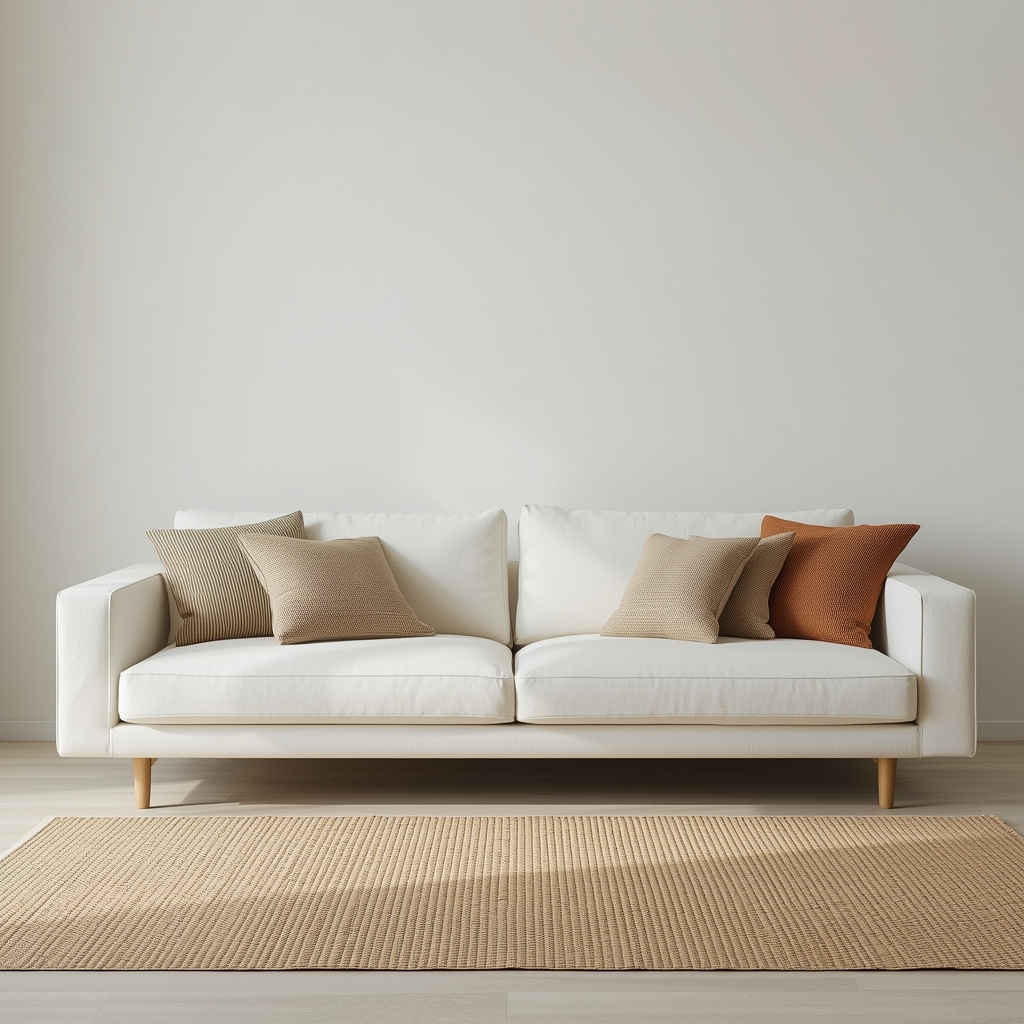
    If you’re a fan of K-Minimalism, your home decor isn’t complete without the right tableware. In Korea, dining is a form of art. It’s not just about the food; it’s about the harmony between the plate, the table, and the space.

    Here is how you can bring a touch of Korean elegance to your dining room.


    1. The Timeless Beauty of “Yugi” (Bronzeware)

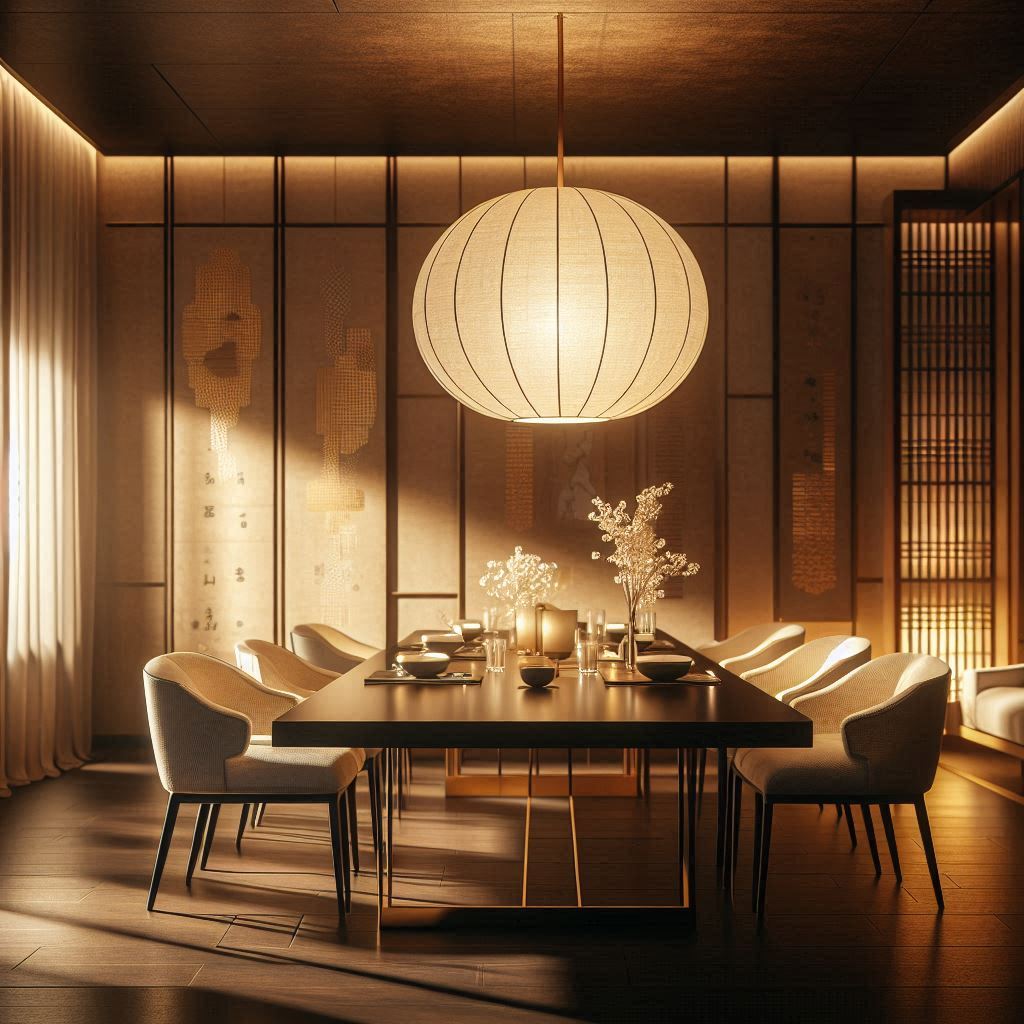
    Yugi is traditional Korean bronzeware that has a beautiful, muted gold color. It’s famous for its natural antibacterial properties. In a modern kitchen, Yugi bowls add a luxurious, “quiet wealth” vibe that pairs perfectly with dark wooden tables.

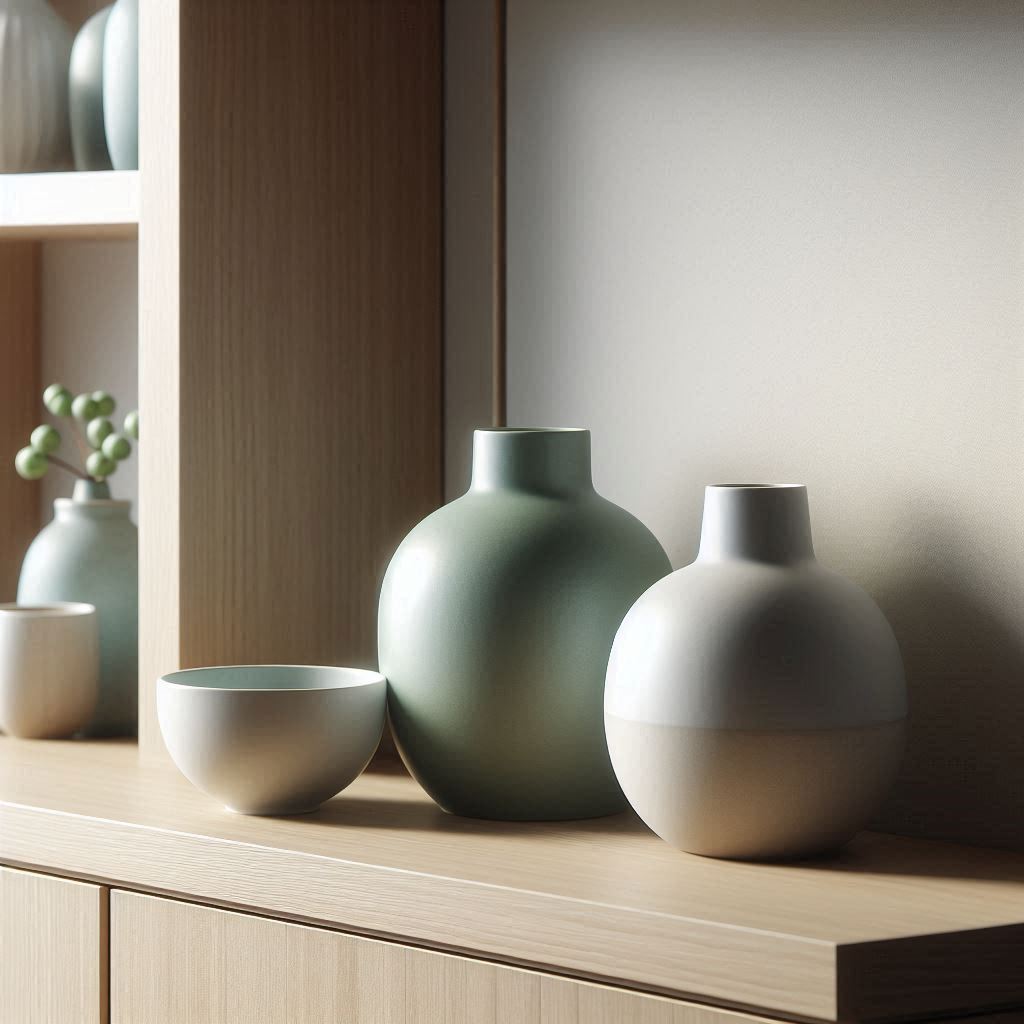
    2. Handcrafted Ceramics for Daily Zen

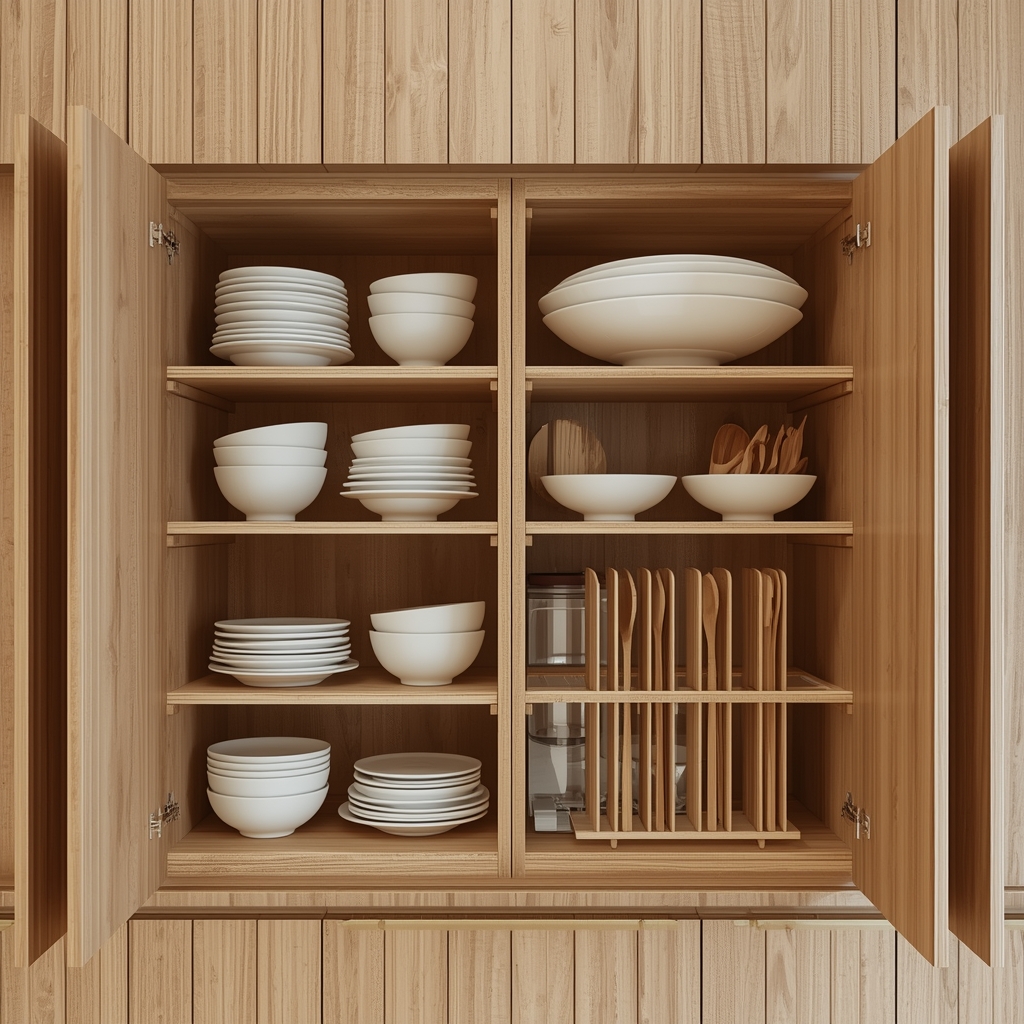
    Unlike mass-produced plates, Korean handcrafted ceramics focus on natural, irregular shapes and earthy tones. Using a matte-finish ceramic bowl for your morning salad or pasta brings a sense of groundedness and “Zen” to your daily routine.

    3. The Art of “Empty Space” on a Plate

    Just like Korean interior design, Korean plating values “Yeo-baek” (the beauty of empty space). Don’t fill your plate to the edge. Leaving some space around the food makes the meal look much more sophisticated and intentional—just like a high-end restaurant in Seoul.

    (If you want to see how this minimalism extends to your living room, check out my most popular post on K-Minimalism Interior Design!)


    💡 Styling Tip:

    Mix and match! You don’t need a full set. Mixing one or two Korean ceramic pieces with your existing white plates creates a trendy, eclectic look that will impress your dinner guests.

    Do you prefer colorful, patterned plates or simple, earthy ceramics? Let me know in the comments!

  • Magic of Light: How to Use Layered Lighting for a Cozy K-Style Interior

    If you’ve noticed that Korean homes always look warm and inviting in photos, here’s a secret: It’s not about the furniture; it’s about the lighting. Koreans prefer “Layered Indirect Lighting” over one bright overhead bulb.

    Here is how you can transform your home’s atmosphere using simple lighting tricks.


    1. Avoid the “Stadium” Effect

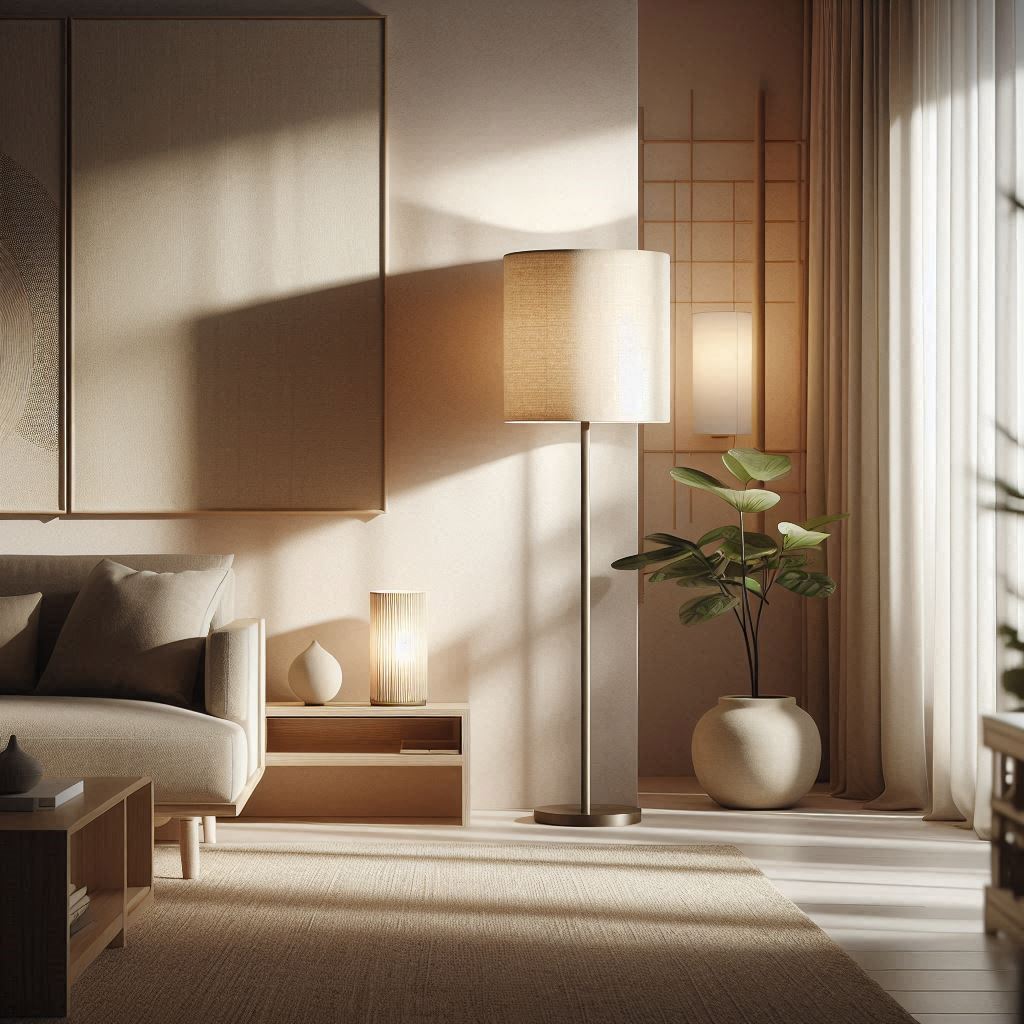
    Many US homes rely on a single, powerful ceiling light. In Korea, we call this “stadium lighting”—it’s too bright and lacks soul. Instead, turn off the main light and use 3-4 smaller lamps placed at different heights to create depth and shadows.

    2. Warm White is the Key

    The color of the light matters. To get that “K-Interior” vibe, always choose Warm White (2700K-3000K) bulbs. It mimics the soft glow of a sunset and instantly makes your living room or bedroom feel ten times more expensive.

    3. The Power of “Backlighting”

    Place LED strips or small lamps behind your monitor, TV, or headboard. This “backlighting” reduces eye strain and creates a sophisticated, cinematic look in your room. It’s a low-budget hack with a high-end result!

    (If you want to see how this lighting works in a traditional setting, check out my post on Modern Hanok Stay Design!)


    💡 Pro Tip:

    Smart bulbs are your best friend! Being able to dim your lights from your phone allows you to change the mood of your home from “Productive Office” to “Cozy Sanctuary” in seconds.

    Do you prefer bright white lights or warm, dim lighting at home? Let me know your preference in the comments!

  • K-Bath: 3 Ways to Turn Your Bathroom into a Zen Sanctuary

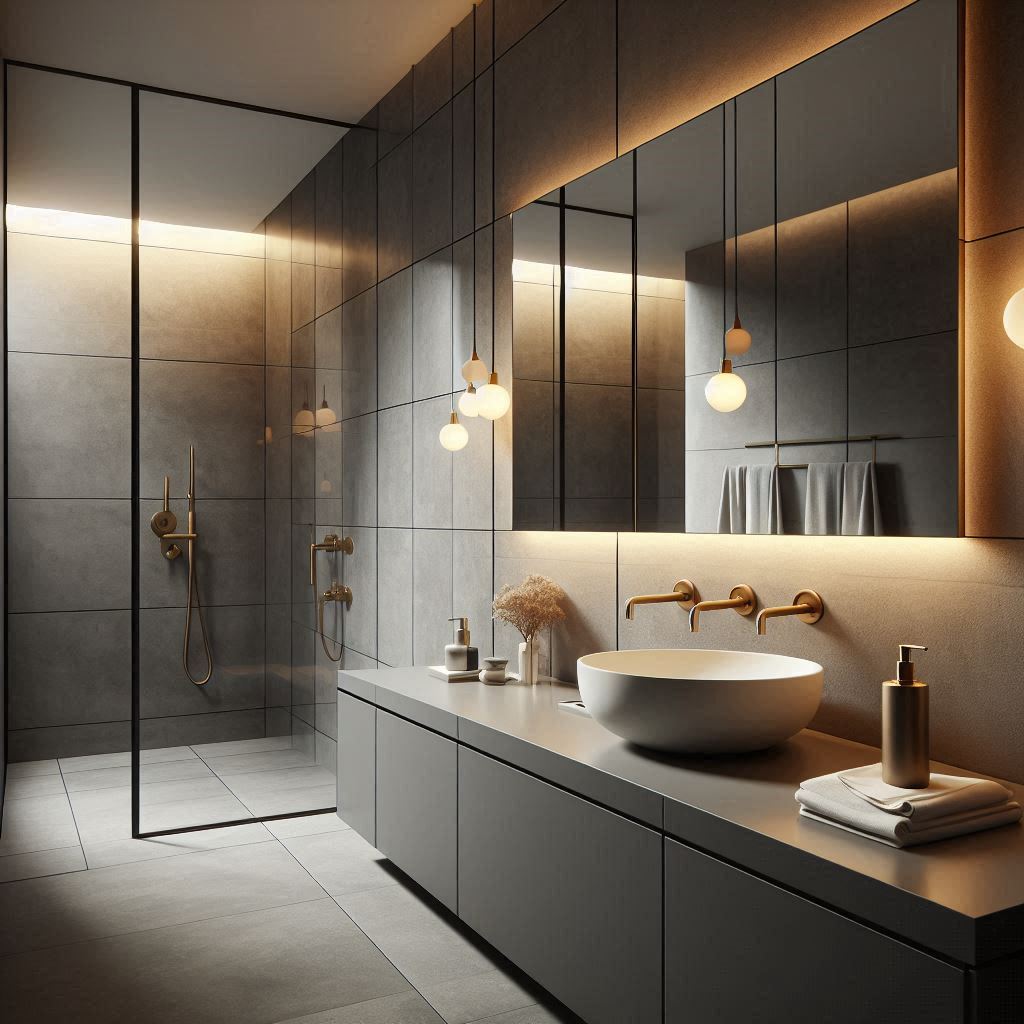
    After a long day, the bathroom should be a place of healing. In modern Korean interior design, the bathroom is treated as a “Mini Spa.” By combining minimalist aesthetics with natural textures, you can create a peaceful sanctuary in your own home.

    Here are 3 “K-Style” tips for a modern, serene bathroom.


    1. The Power of “Stone” Textures

    Instead of glossy, white tiles, modern Korean bathrooms often use large, matte-finish stone tiles. Shades of grey or beige create a calm, earthy vibe that mimics a high-end spa. It’s the perfect way to bring the “Zen” feeling into your morning routine.

    2. Layered Indirect Lighting

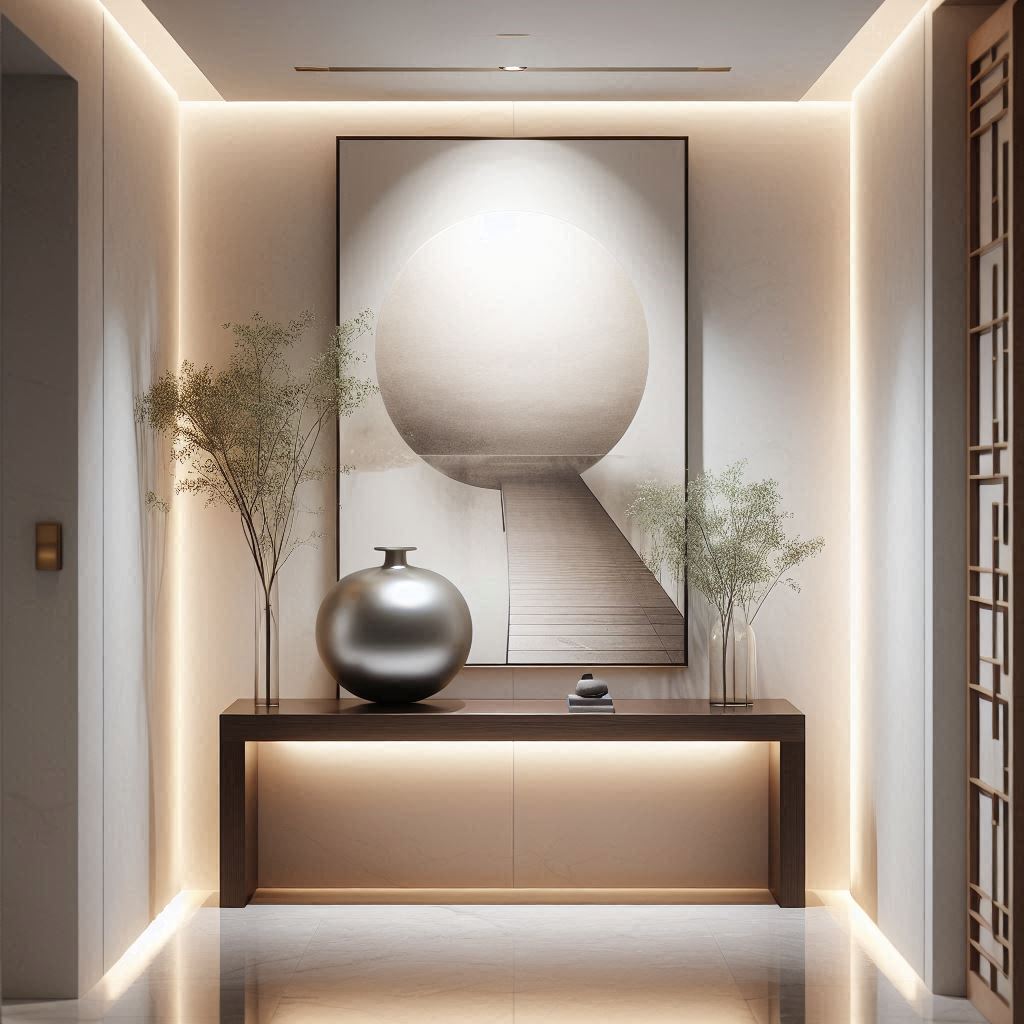
    The secret to a luxurious bathroom is lighting. Instead of one bright ceiling light, try adding indirect LED strips behind the mirror or under the cabinets. This soft glow is gentle on the eyes and makes the space feel much more sophisticated.

    3. Natural Wood Accents

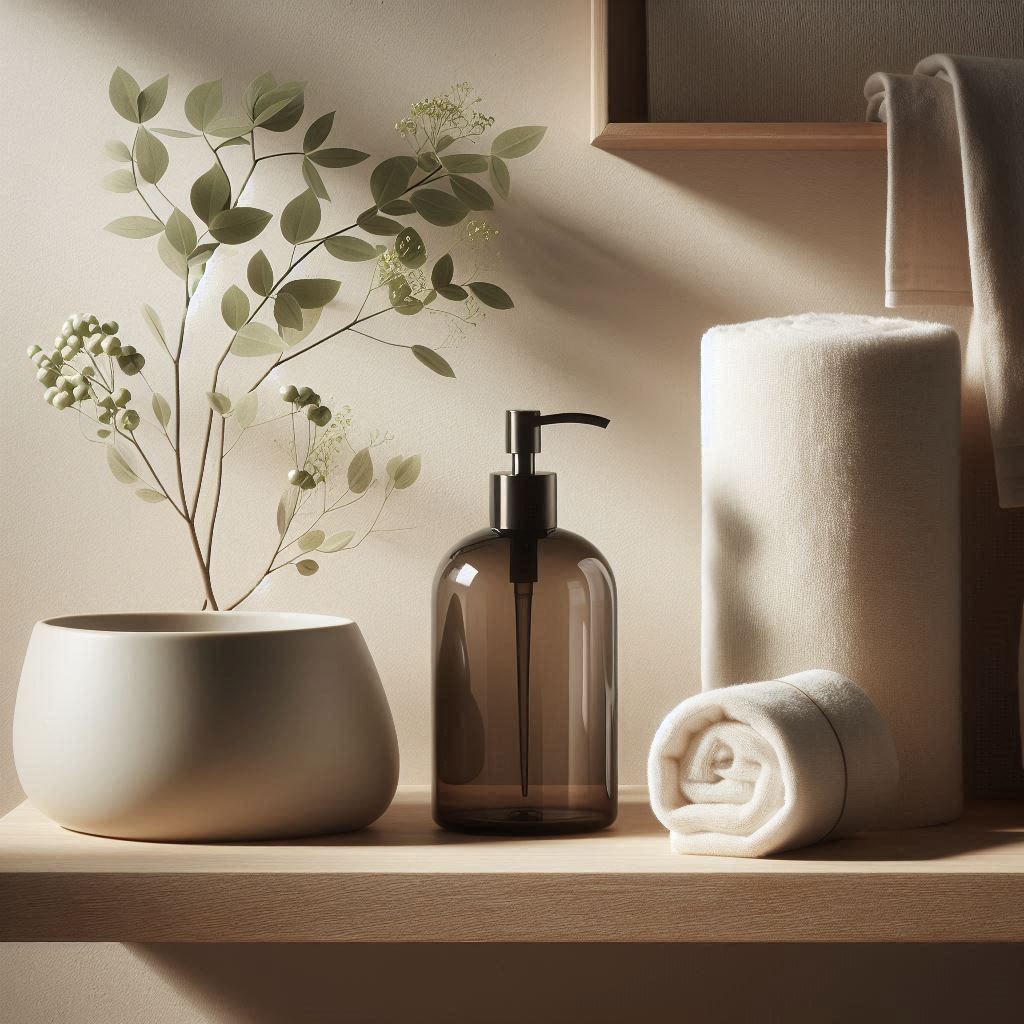
    To balance the cold feeling of stone, add warm wood elements. Whether it’s a wooden stool, a bamboo tray for your bathtub, or a small oak shelf, natural wood brings a touch of life and warmth to the space.

    (If you want to see how this minimalist philosophy applies to the rest of the house, check out my most popular post on K-Minimalism Interior Design!)


    💡 Design Tip:

    Keep it clutter-free! Use matching soap dispensers and hide your colorful shampoo bottles in cabinets. A clean, monochromatic look is essential for that professional “K-Bath” aesthetic.

    Do you prefer a bright, white bathroom or a dark, moody spa-like vibe? Let me know in the comments!

  • Beyond Coffee: What Korean Hanok Cafes Can Teach Us About Spatial Design

    If you visit Seoul, you’ll find hundreds of stunning cafes. But the most unique ones are Hanok Cafes—traditional wooden houses turned into modern coffee shops. They aren’t just for drinking coffee; they are masterclasses in interior design.

    Here is why Hanok cafes are the ultimate inspiration for architects and designers.


    1. The Power of “Frame” Views

    Hanok cafes often use large windows to “frame” the garden outside, making it look like a living painting. This concept, called “Chagyeong” (borrowing scenery), is a great tip for home designers who want to bring nature indoors.

    2. Contrast of Materials

    The beauty of these spaces comes from contrast. You’ll see cold, modern materials like exposed concrete or glass sitting right next to 100-year-old warm pine wood. This balance creates a sophisticated, timeless vibe that many high-end modern homes are now adopting.

    3. Open Floor Plans with Privacy

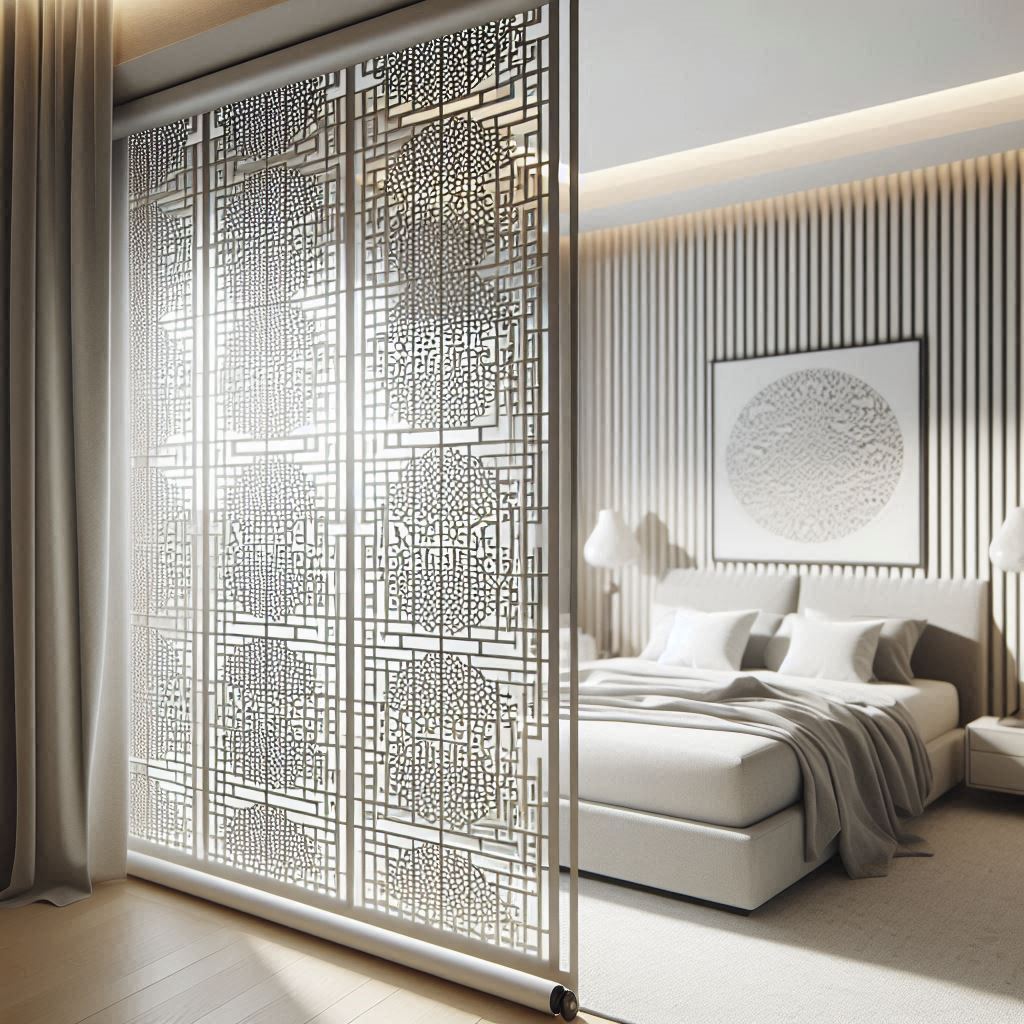
    Even though many Hanok cafes have open layouts, they use wooden dividers or different floor levels to create private “nooks.” It’s a smart way to manage open-concept living rooms in small apartments.

    (If you want to see how this traditional aesthetic is applied to luxury accommodations, check out my previous post on Modern Hanok Stay Design!)


    💡 Pro Tip for Design Lovers:

    Visit Ikseon-dong or Bukchon Hanok Village in Seoul. These areas have the highest density of well-designed Hanok cafes where you can experience these concepts firsthand.

    Do you enjoy cafes with traditional architecture, or do you prefer ultra-modern, industrial designs? Let’s talk in the comments!