Category: Interior & Landscaping

  • The Art of Dining: 3 Secrets to a Modern Korean Minimalist Dining Room

    In a modern home, the dining room is the heart of connection. In Korea, we value the “Table Conversation” as much as the meal itself. By combining natural textures with a sense of empty space, you can create a dining area that feels like a 5-star restaurant. If you want to elevate your Modern K-Zen Sanctuary, it starts with the table. Join 260+ global readers who are celebrating this 80th post milestone!


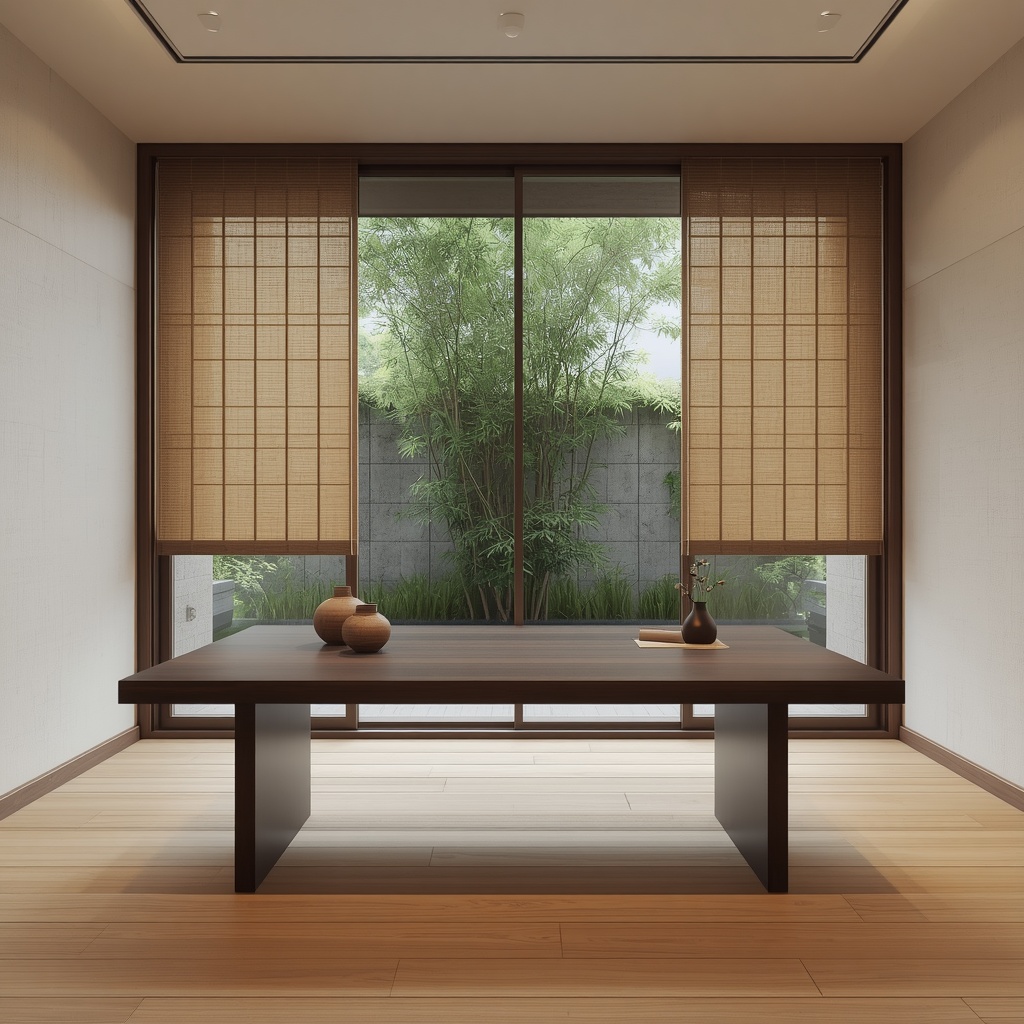
    1. The Power of the Solid Wood Table

    The center of any K-style dining room is a high-quality solid wood table. Choose a simple, long rectangular design in walnut or oak. The raw, organic texture of the wood provides a warm contrast to modern white walls. It follows the same principles as our Traditional So-ban Styling: let the natural material be the art.

    2. Strategic “Yeo-baek” on the Tabletop

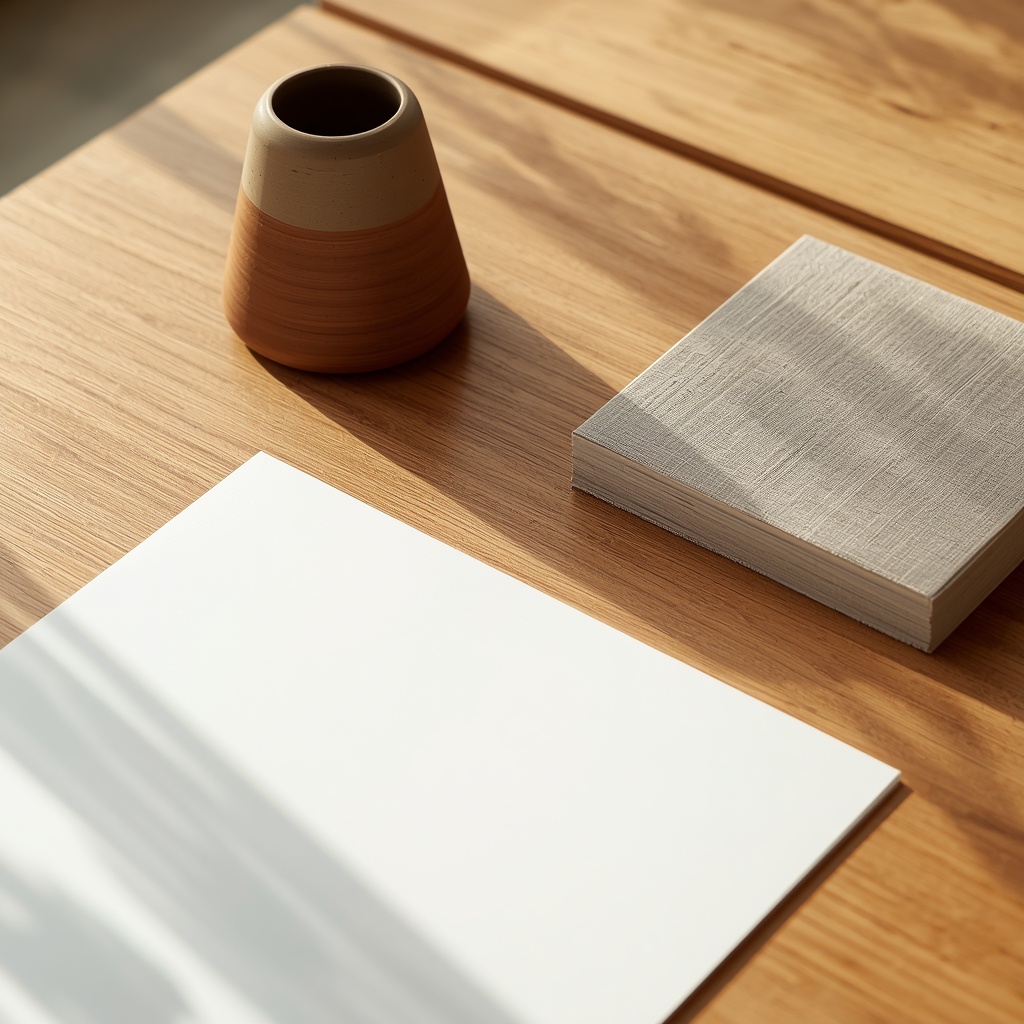
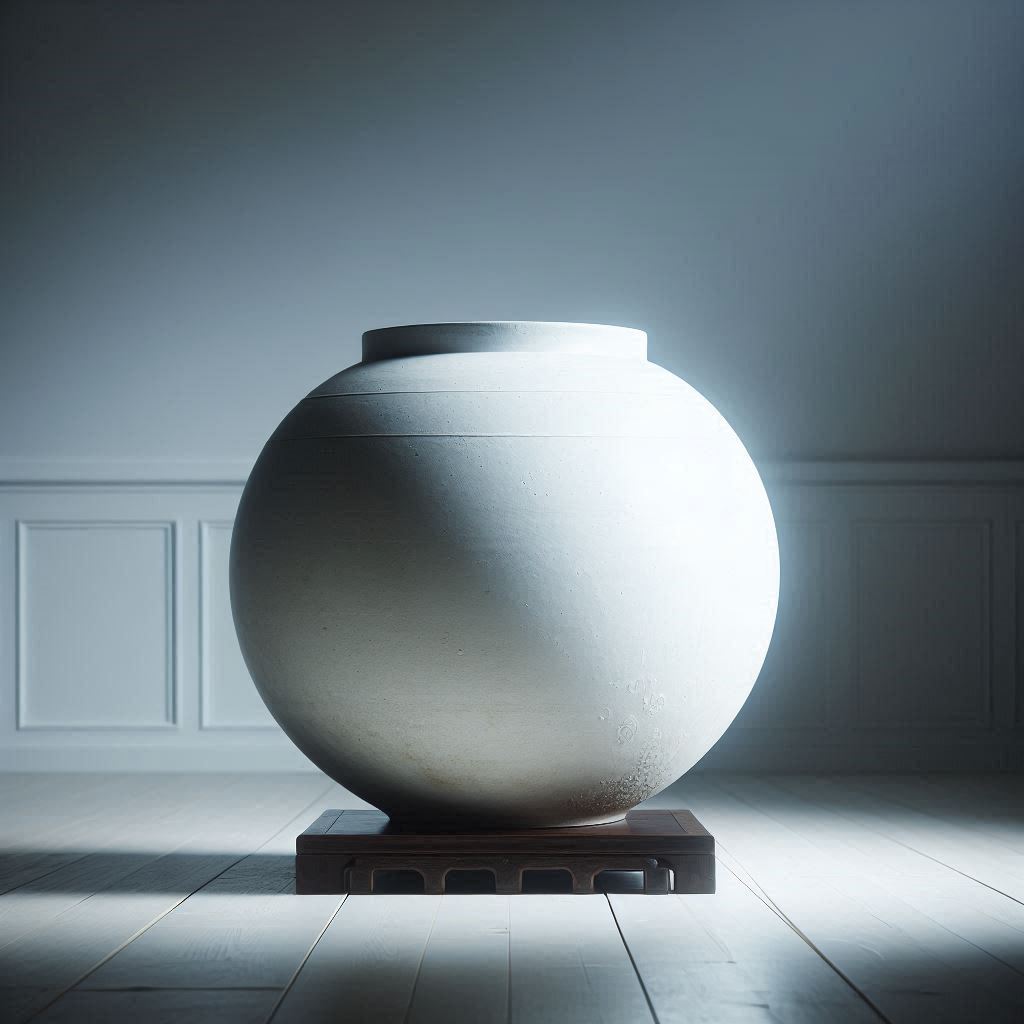
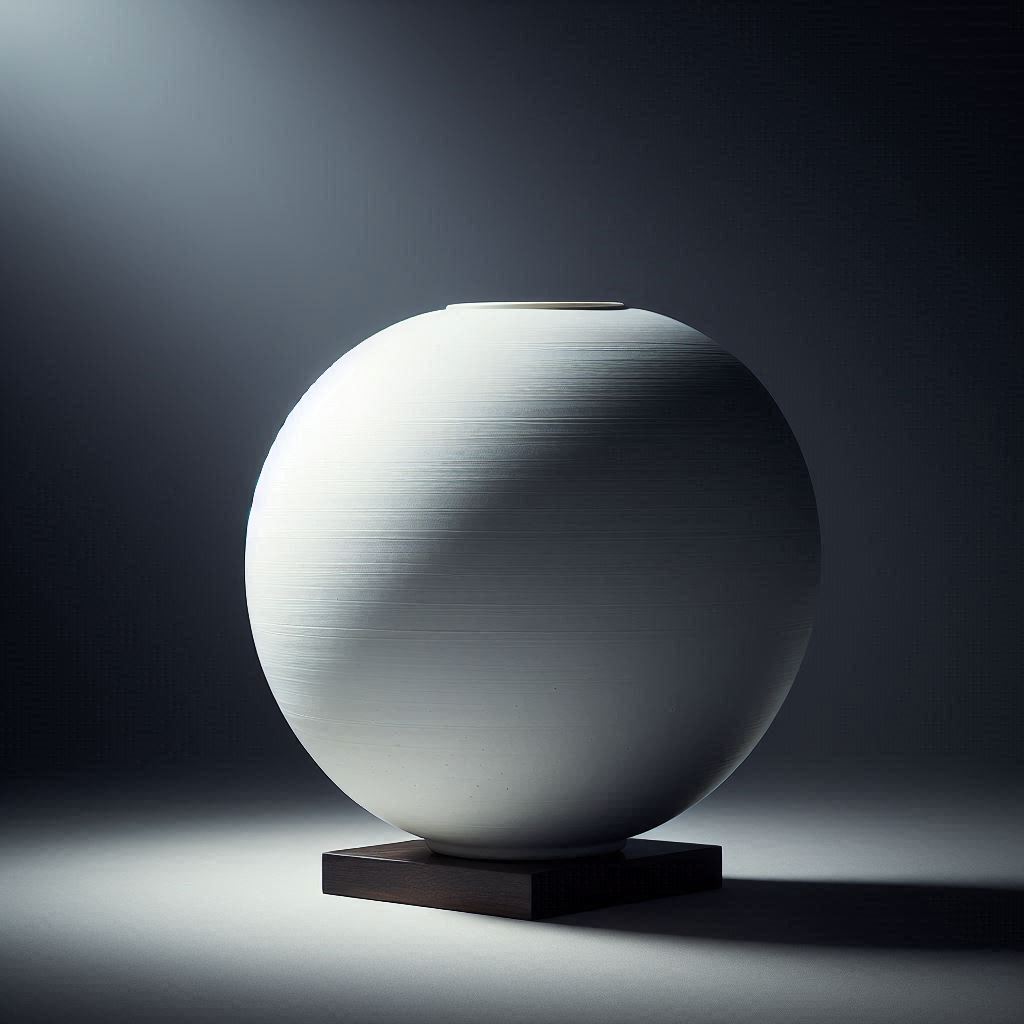
    Don’t clutter your dining surface. Keep it clear of unnecessary spice jars or coasters. Instead, display a single Elegant Ceramic Centerpiece. This “Empty Space” allows your guests to focus on the food and the company, creating a truly sophisticated atmosphere.

    3. Creating Mood with Low-profile Lighting

    Lighting defines the mood of your meal. Use a low-hanging designer pendant light with a warm glow to create an intimate circle of light. The soft illumination reflects off the wooden surface, mimicking the gentle light filtered through Traditional Hanji Blinds.


    💡 Pro Tip for a Luxury Dining Experience:

    Always use a small wooden tray or a linen runner to add a layer of Tactile Luxury. These small details show your guests that every part of their experience has been thoughtfully curated.

    Do you prefer a large family dining table or a cozy breakfast nook? Let’s share our dining room dreams in the comments!

  • The Pattern of Peace: 3 Ways to Style Your Walls with Korean Lattice Art

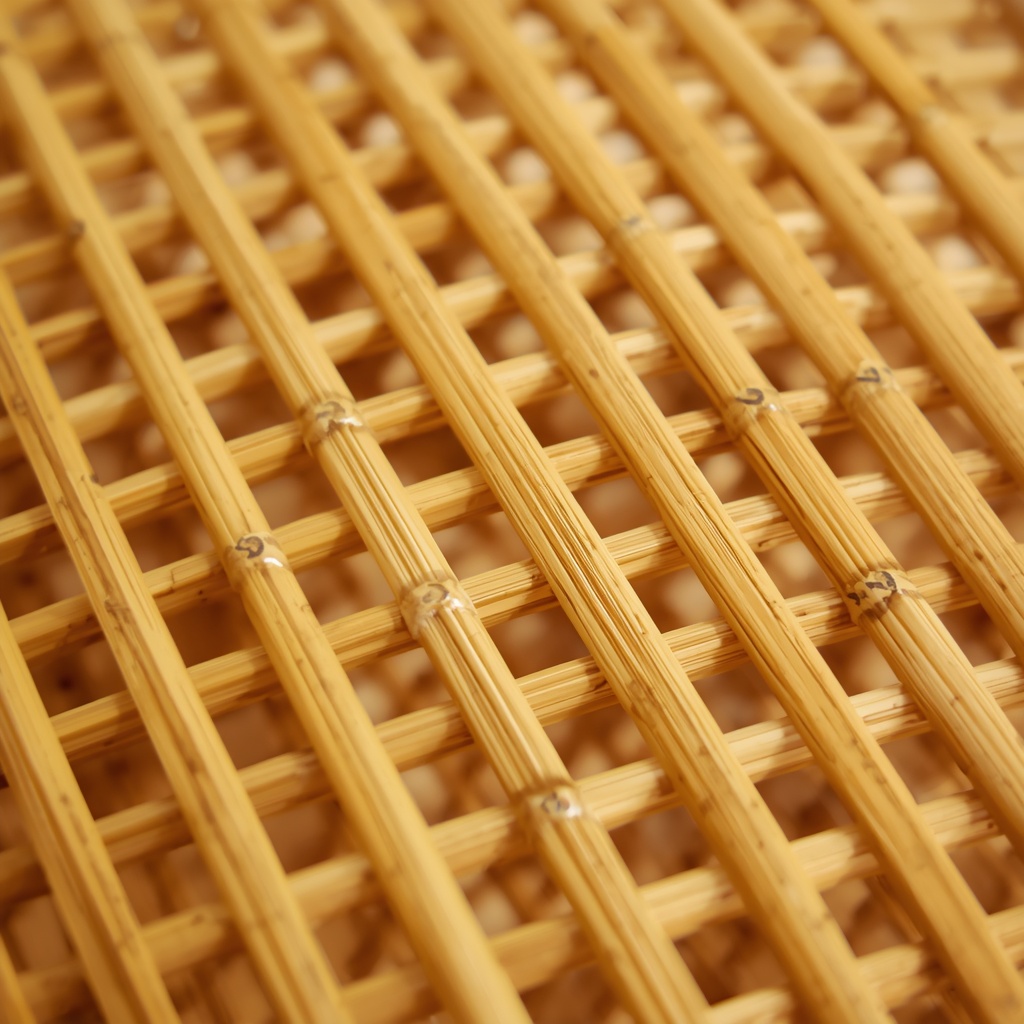
    A minimalist wall doesn’t have to be boring. In Korea, we use the geometric beauty of Chang-sal (traditional window lattice) to add texture and rhythm to our homes. If you want to elevate your Modern K-Zen Sanctuary, it’s time to embrace the art of the line. Join 260+ global readers who are rediscovering the beauty of shadows!


    1. The Large-Scale Lattice Focal Point

    Instead of a colorful painting, hang a large, natural wood lattice panel on your main living room wall. The repeated geometric patterns act as a visual anchor that is both complex and calming. It’s the perfect architectural element to complement your Minimalist Floating Shelves.

    2. Playing with Indirect Lighting and Shadows

    The true magic of Korean lattice happens when light hits it. Place a spotlight or LED strip behind or above the panel. The shadows cast on the wall create a “Moving Mural” that changes throughout the day, adding a layer of Tactile Luxury that paint alone cannot achieve.

    3. Mixing Traditional Patterns with Modern Materials

    For a contemporary twist, pair your wooden lattice with industrial materials like concrete or glass. This “East meets West” aesthetic is the core of our Modern Seoul Style. It shows that ancient patterns can feel fresh and futuristic in any modern apartment.


    💡 Pro Tip for Wall Decor:

    When styling with lattice patterns, keep the surrounding area simple. Let the intricate lines of the wood be the hero of the room. This balance of “Complexity and Calm” is the secret to a high-end Korean interior.

    Do you prefer bold art pieces or subtle, textured patterns on your walls? Let’s share our favorite wall decor ideas in the comments!

  • Mental Sanctuary: 3 Secrets to a Modern Korean Meditation Corner

    In our busy lives, the most expensive luxury is peace of mind. In South Korea, we create a small “Meditation Corner” even in tiny apartments to reset our souls. If you want to elevate your Modern K-Zen Sanctuary, it’s time to design your own space for stillness. Join 250+ global readers who are finding serenity!


    1. The Low-Profile Zen Zone

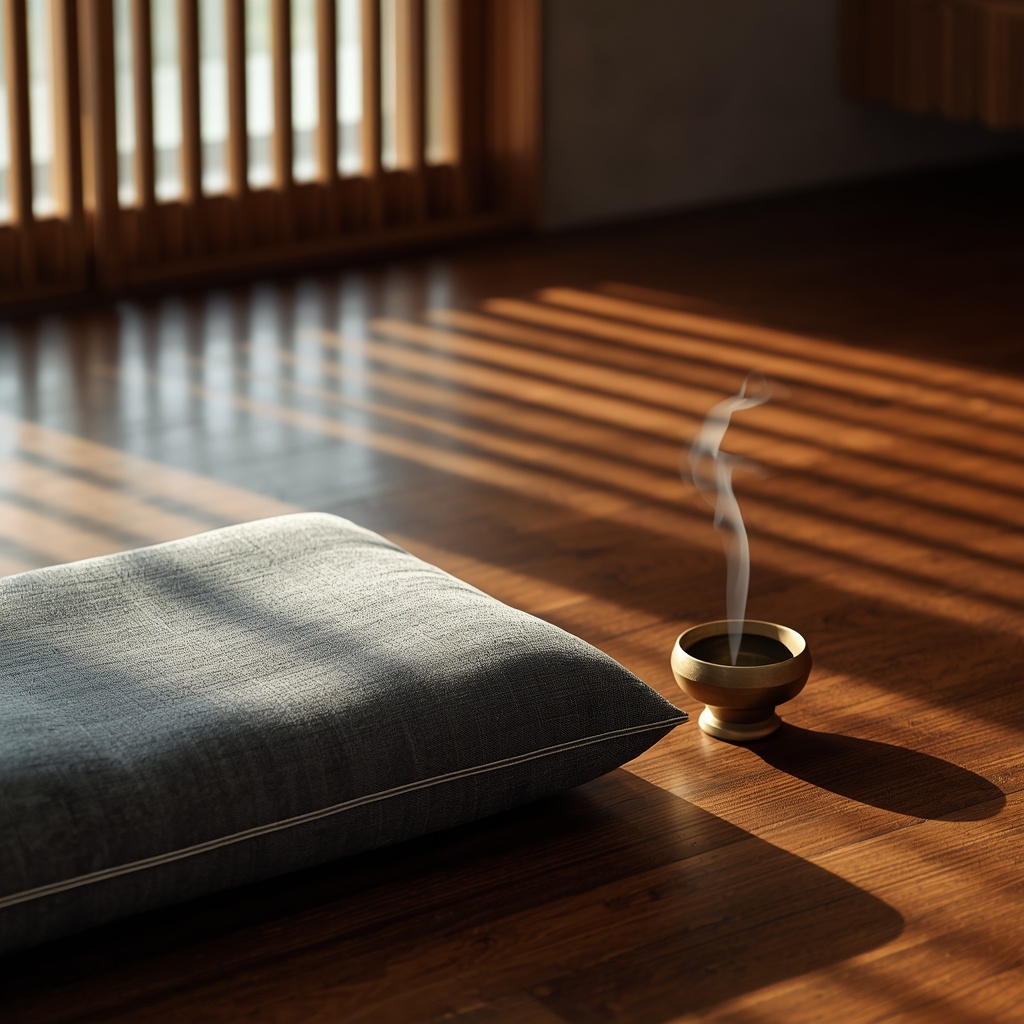
    Minimalism is about being grounded. Choose a high-quality linen floor cushion instead of a chair. By sitting lower to the ground, you instantly feel more connected and calm. This setup pairs perfectly with our Floor Rug Styling for ultimate tactile comfort.

    2. Scent as an Interior Element

    A healing space must appeal to all senses. Use a minimalist Wooden Incense Burner to fill the room with traditional Korean scents like sandalwood or agarwood. This “Scent-terior” (Scent + Interior) acts as a trigger to tell your brain, “It’s time to relax.”

    3. Visual Focus with Minimalist Art

    Place a single Handcrafted Ceramic Vase or a Bonsai Tree in front of your seat. Having one focal point of nature helps quiet the mind and improves focus during your daily meditation ritual.


    💡 Pro Tip for Your Zen Zone:

    Keep your meditation corner free of any electronics. Let this be the only “Analog Zone” in your home. The absence of blue light and notifications is the true secret to Tactile Luxury.

    Do you have a dedicated space for silence in your home? Let’s share our healing tips in the comments below!

  • Living Sculpture: 3 Secrets to Styling Your Home with Korean Bonsai

    Minimalism is not about empty rooms; it’s about filled souls. In Korea, we view the Bonsai (Bun-jae) not just as a plant, but as a living piece of art that represents the passage of time. If you want to add a soul to your Modern K-Zen Sanctuary, it’s time to embrace the “Small Forest.” Join 250+ global readers who are bringing nature home!


    1. The Focal Point of “Yeo-baek”

    Place your Bonsai tree in a spot where it has plenty of space around it. This “Empty Space” (Yeo-baek) allows the architectural beauty of the branches to stand out. A single Bonsai on a minimalist console creates a more powerful statement than a dozen regular houseplants.

    2. Pairing with Natural Textures: Stone and Wood

    To enhance the grounded feel of your Bonsai, pair it with a single Natural River Stone or place it on a Traditional So-ban Table. This combination of living green, solid stone, and rustic wood creates a perfect microcosm of nature right in your living room.

    3. Creating a Narrative with Light

    Bonsai trees look most magical under soft, filtered light. Use Traditional Hanji Blinds to mimic the gentle sunlight of a forest. The shifting shadows cast by the delicate leaves add a poetic layer of “Tactile Luxury” to your walls.


    💡 Pro Tip for Bonsai Care:

    Bonsai is an art of patience. Ensure it gets enough indirect sunlight and keep the soil consistently moist but not soaked. Think of it as a meditation—caring for the tree is as much about healing yourself as it is about the plant.

    Do you prefer large, lush plants or the disciplined beauty of a Bonsai? Let’s share our plant styling tips in the comments below!

  • Cozy Floor Life: 3 Secrets to Styling Your Home with Korean-Style Rugs and Cushions

    In the world of high-end interior design, the floor is often an overlooked canvas. However, in South Korea, the floor has been the center of life for centuries. Even in the most modern apartments, we maintain this “Floor Culture” through sophisticated styling. If you want to add a layer of warmth and “Tactile Luxury” to your Modern K-Zen Sanctuary, it starts with what’s under your feet. Join 243+ global readers who are rediscovering the art of relaxation!


    1. The Power of a High-Pile Neutral Rug

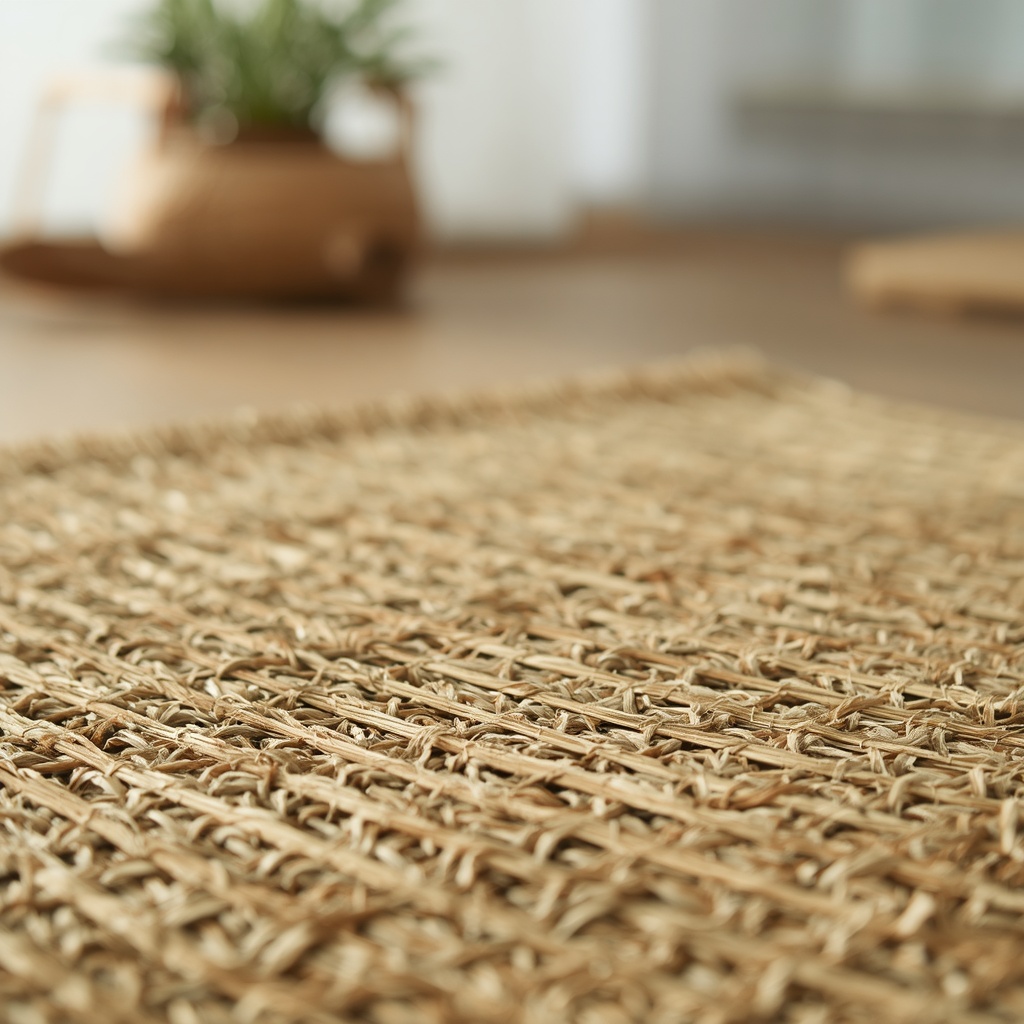
    The foundation of a successful “Floor Life” is the rug. Instead of a thin, flat mat, choose a large, high-pile rug in neutral tones like cream, oatmeal, or soft grey. This provides a soft, cloud-like base that invites you to sit, stretch, and disconnect. The texture of the rug catches the light and adds a sense of depth to your room, matching the peaceful energy of our Indoor Maru Spaces.

    2. Oversized Linen Floor Cushions for Versatile Seating

    Ditch the rigid chairs for oversized, high-quality linen floor cushions. In a K-style home, furniture should be flexible. Arrange these cushions in groups to create an instant “Conversation Nook” or a private reading corner. This low-profile seating makes your ceiling feel higher and your space more “Breathable,” a core principle of K-Minimalism.

    3. Layering with Traditional Elements: The So-ban Table

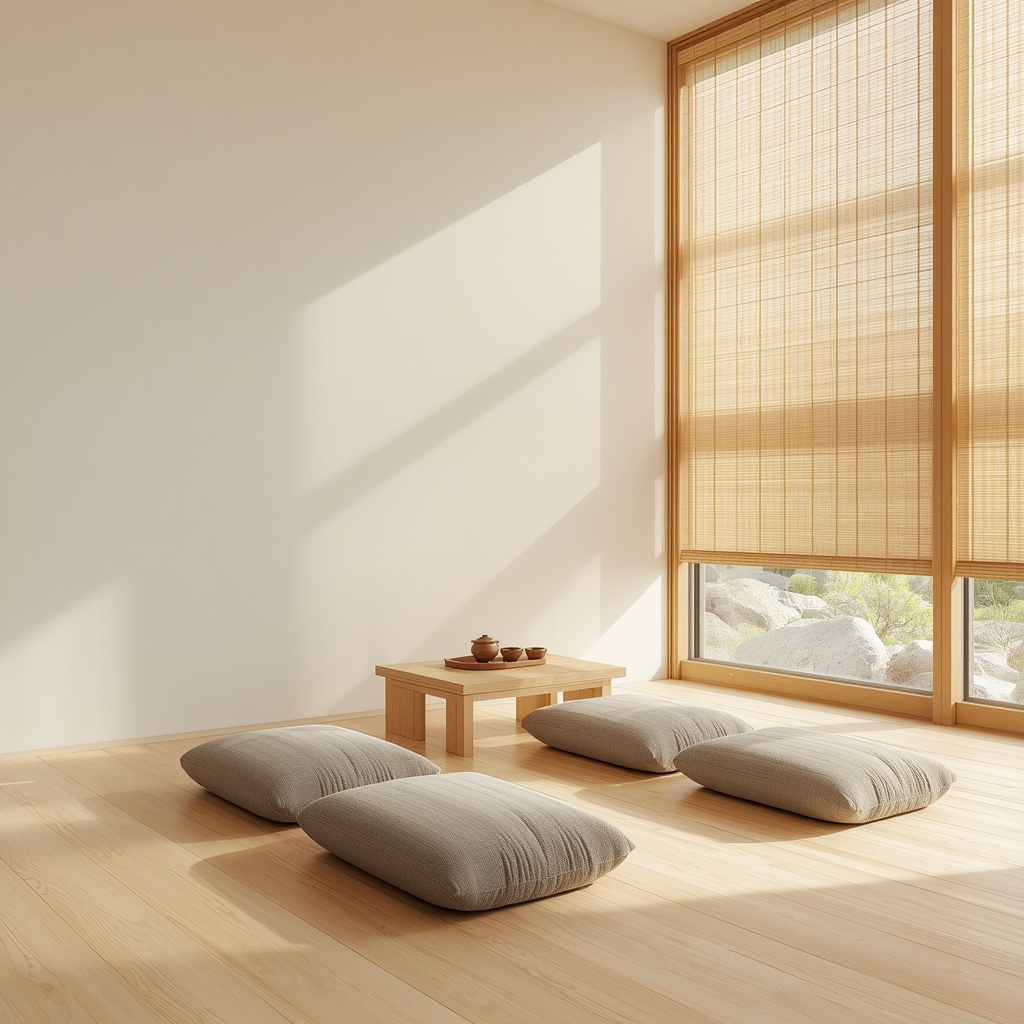
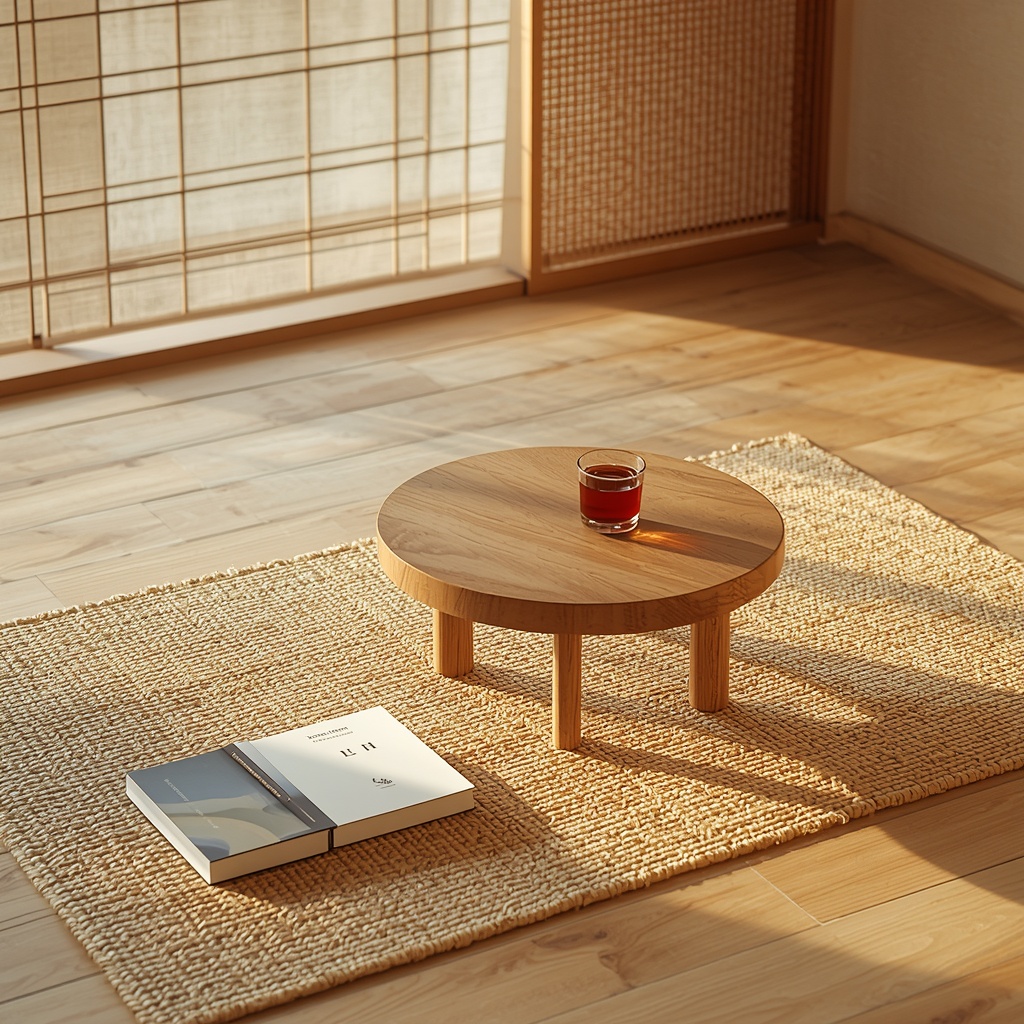
    To complete the look, style your rug area with a Traditional So-ban Table. The contrast between the soft, cozy fabric of the rug and the solid, rustic wood of the table creates a sophisticated balance that defines high-end Korean interiors. It’s where ancient tradition meets modern comfort, creating a perfect spot for your daily tea ritual or meditation.


    💡 Pro Tip for Floor Styling:

    When choosing rugs, always prioritize natural fibers like wool or high-quality cotton. They not only feel better on the skin but also age gracefully, becoming a long-lasting part of your home’s story. For the best “Zen” effect, keep the surrounding floor area completely clear of clutter!

  • Hidden Elegance: 3 Secrets to Modern Korean-Style Built-in Storage

    In a minimalist home, clutter is the enemy. But instead of bulky wardrobes, modern Korean design uses Built-in Storage that blends seamlessly into the walls. If you want to achieve the ultimate Modern K-Zen Aesthetic, it’s time to look into the “Niche.” Join 235+ global readers who are decluttering their lives!


    1. The Recessed Wall Shelf (Niche)

    Instead of hanging heavy shelves, create “pockets” in your walls. These recessed wooden shelves act as a natural frame for your K-Art Ceramics or Mother-of-Pearl Treasures. It keeps the floor clear and makes your hallway feel twice as large.

    2. Handle-less “Invisible” Cabinets

    For large storage needs, use floor-to-ceiling cabinets with no visible handles. By matching the cabinet color to your walls, they “disappear” into the architecture. It’s the same philosophy we used for our Smart Entryway Design: pure function without visual noise.

    3. Smart Corner and Gap Utilization

    Koreans are masters of utilizing small gaps. A slim, 15cm wide pull-out cabinet next to your Modern Kitchen can store all your spices and oils, keeping your countertops pristine. It’s about being smart, not just big.


    💡 Pro Tip for Built-in Storage:

    When designing built-in shelves, always include warm LED strip lighting. It transforms a simple storage space into a private gallery, highlighting the textures of your decor and adding a “Luxury Glow” to your home.

    Do you prefer visible shelving to show off your items, or hidden storage for a cleaner look? Let’s share our organization hacks in the comments!

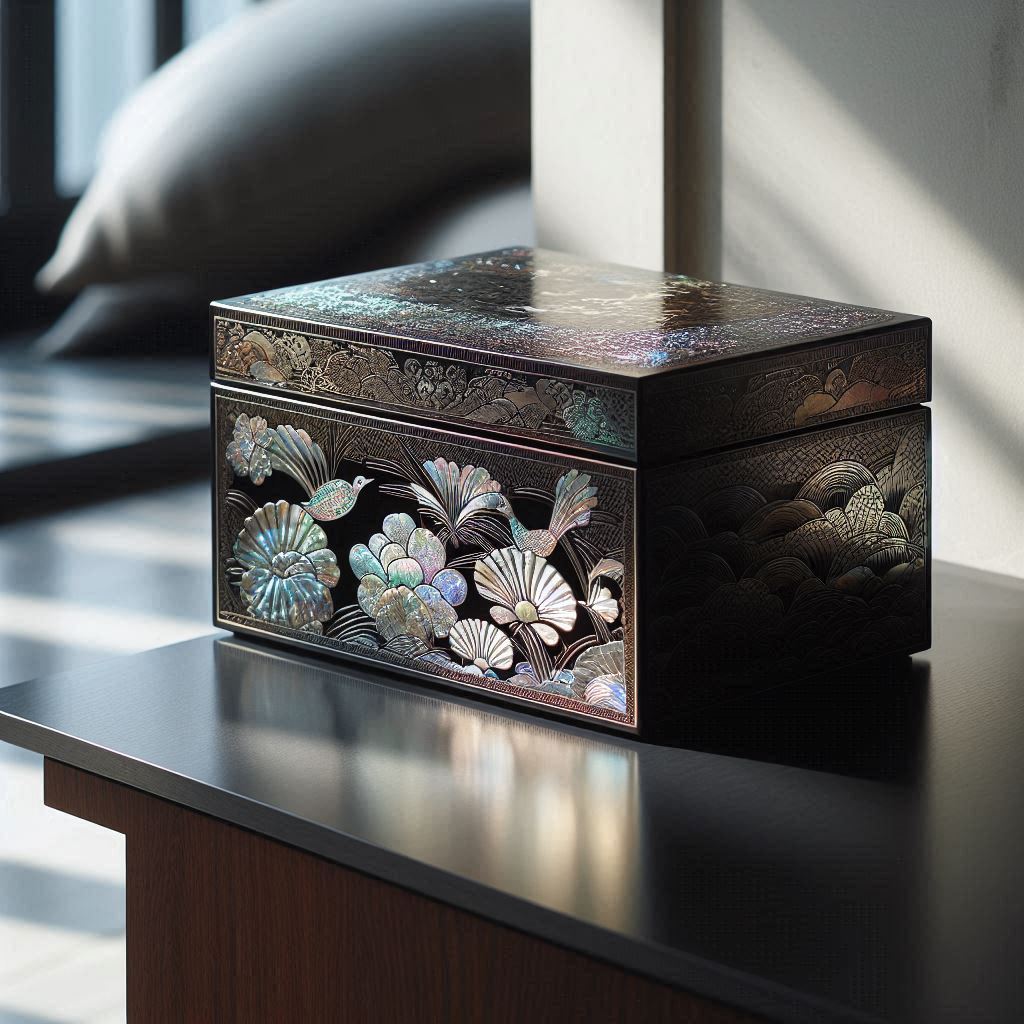
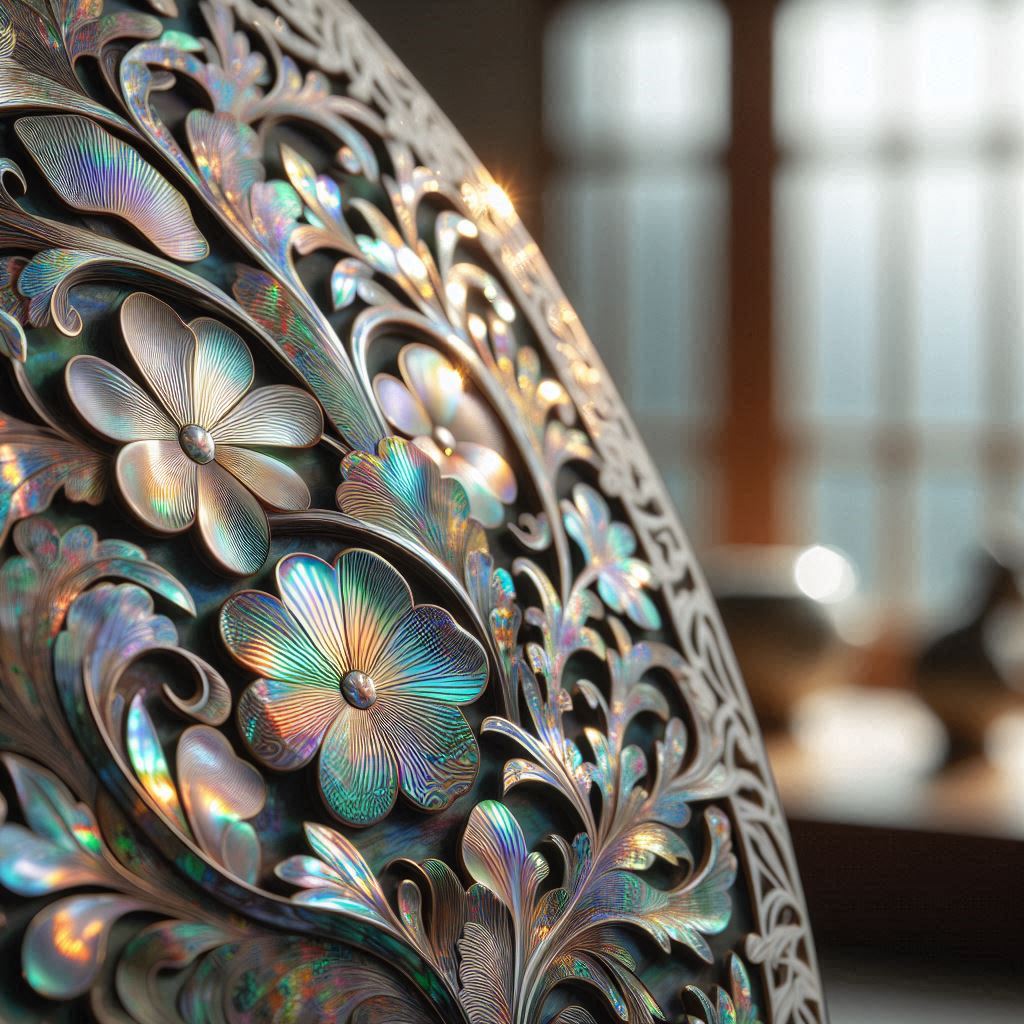
  • Shimmering Elegance: 3 Ways to Style Your Home with Korean Mother-of-Pearl

    In a world of mass-produced decor, something handmade and iridescent brings a soul to your space. Jagae (Korean Mother-of-Pearl art) has been a symbol of high-end craftsmanship for over a thousand years. Today, it’s the perfect “Statement Piece” for your Modern K-Zen Home. Join 234+ global readers who are discovering this hidden gem!


    1. The Statement Jewelry Box on a Minimalist Console

    Don’t hide your art in the bedroom. Place an intricate Mother-of-Pearl box on your Entryway Console. The way the iridescent shell catches the light as you walk in creates an instant “Luxury First Impression.” It’s the ultimate expression of our K-Minimalism philosophy: one powerful object in a sea of calm.

    2. Modernizing with Nacre Trays

    If a large box feels too traditional, start with a sleek Mother-of-Pearl tray. Use it in your Luxury Bathroom to hold your skincare essentials or on your coffee table for candles. The natural luster of the shell adds a tactile luxury that feels both ancient and futuristic.

    3. Mixing Shell with Wood and Stone

    The secret to styling Jagae is contrast. Place your shimmering shell objects next to “matte” textures like Natural Stones or raw wood. This balance between the glowing shell and the earthy elements is the hallmark of sophisticated Korean interior design.


    💡 Pro Tip for Jagae:

    Genuine Mother-of-Pearl is delicate. To keep its rainbow glow, simply wipe it with a damp, soft microfiber cloth. Avoid direct, harsh sunlight to ensure the shell colors stay vibrant for a lifetime!

    Do you prefer the bold patterns of traditional art or the subtle shimmer of natural materials? Let’s share our favorite textures in the comments!

  • Indoor Serenity: 3 Ways to Create a Healing Korean-Style Water Garden

    Bringing nature inside is the ultimate luxury. In modern Korean design, we use water and stone to create a sense of balance and peace. If you want to complete your Modern K-Zen Sanctuary, a small indoor garden is essential. Join 230+ global readers who are finding peace in their homes!


    1. The Minimalist Water Feature

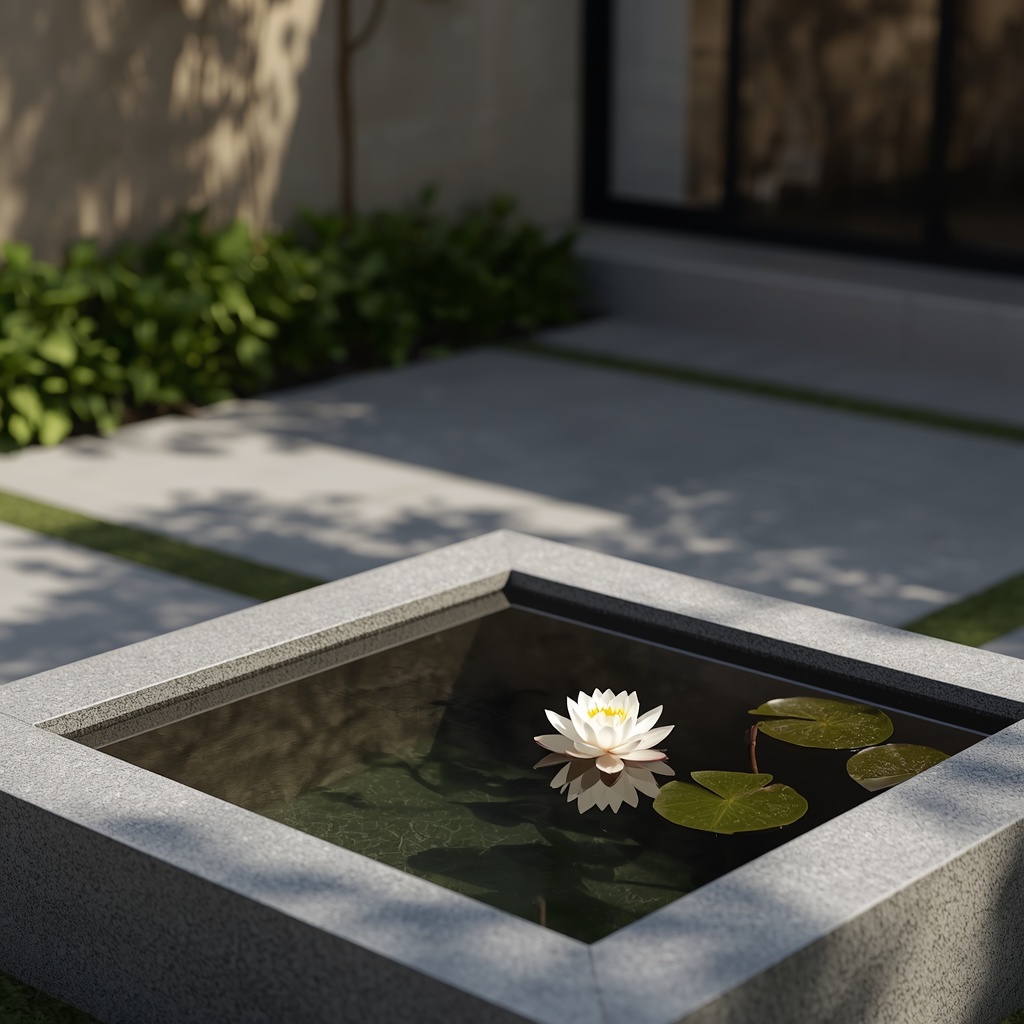
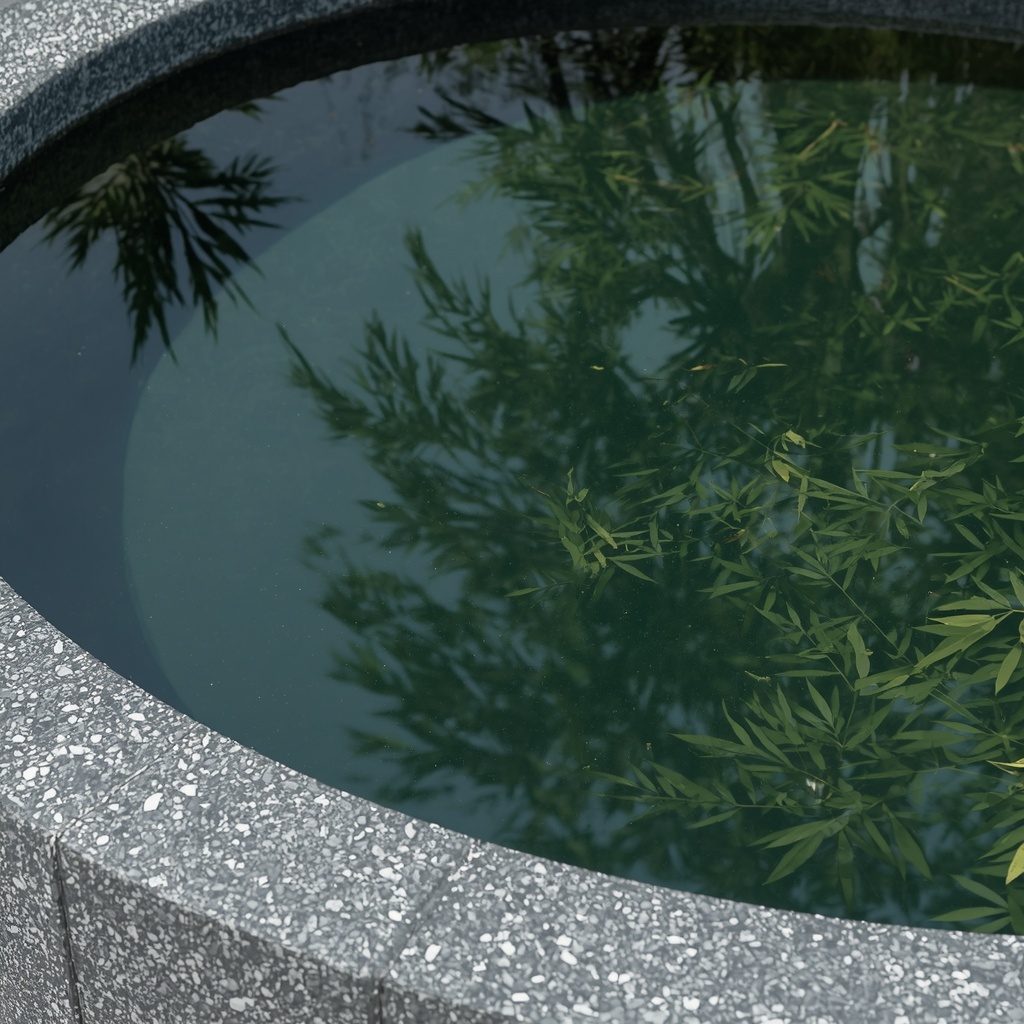
    Instead of large fountains, choose a sleek, low-profile water basin. The sound of slowly dripping water acts as natural white noise, perfect for your Home Office. When paired with smooth river stones, it adds a “Tactile Luxury” that feels incredibly grounding.

    2. Strategic Use of Stones and Moss

    Create a “Micro-Landscape” on a tray or in a corner of your Living Room. Using natural stones and preserved moss adds texture without the maintenance of a full garden. It’s the secret to achieving that lush, organic feel in a high-rise apartment.

    3. Layering with “Living Art”

    Place your indoor garden near a window with Traditional Hanji Blinds. The soft, filtered light makes the plants and water look like a moving painting. It’s the ultimate expression of Yeo-baek (the beauty of empty space).


    💡 Pro Tip for Indoor Gardens:

    Always use distilled water for your indoor features to avoid mineral buildup on your stones. A little bit of care ensures your “Zen Zone” stays pristine and beautiful for years.

    Do you prefer the sound of water or the lush green of plants in your home? Let’s share our favorite nature-inspired decor in the comments!

  • Geometric Peace: 3 Ways to Style Your Home with Modern Korean Partitions

    In a modern open-concept home, the biggest challenge is creating boundaries without feeling trapped. In South Korea, we’ve mastered this through the use of Chang-ho-ji (window paper) patterns and slim wooden lattices. If you want to add depth to your K-Minimalism home, it’s time to play with shadows.


    1. The Slim Lattice Partition (Jung-mun)

    Instead of a solid wall, use a slim-framed partition with a traditional Chang-sal (lattice) pattern. It divides your living room and dining area while letting light flow through perfectly. When the sun hits the lattice, it creates a shifting work of art on your floor, matching the organic vibe of our So-ban Styling.

    2. Mood Lighting with Window Patterns

    Lighting is the jewelry of a home. Choose a pendant light or a floor lamp that features traditional window patterns. The way the light filters through the textured shade mimics the soft glow of a Traditional Hanji Window, turning your bedroom into a high-end Zen sanctuary.

    3. Creating Layers with “Yeo-baek”

    A partition isn’t just for privacy; it’s for “layering” your space. By placing a Modern Art Object behind a semi-transparent screen, you create a sense of mystery and depth. This “Layered Minimalism” is the secret to a house that feels infinitely larger and more sophisticated.


    💡 Pro Tip for Small Spaces:

    Use a white or light-colored wooden frame for your partitions. Dark frames create a bold statement, but light frames disappear into the walls, making your space feel airy and breathable—the ultimate goal of K-Style Interior Design.

    Do you prefer wide-open spaces or cozy, divided rooms? Let’s talk about our favorite home layouts in the comments!

  • Small Furniture, Big Impact: 3 Ways to Style Your Home with Korean “So-ban”

    In the world of minimalist interior design, every object must justify its existence. In South Korea, the So-ban—a small, handcrafted portable wooden table—has been the ultimate symbol of versatile luxury for centuries. It’s not just furniture; it’s a piece of art that brings functional elegance to any modern living space.

    If you are looking to elevate your K-Minimalism home, the So-ban is your secret weapon.


    1. The Versatile Minimalist Side Table

    Forget about bulky, fixed end tables that take up valuable floor space. A So-ban is lightweight yet structurally sound, making it the perfect side table for your Linen Sofa. Its unique curved legs (inspired by cranes or tigers) add an organic, sculptural element that balances the sharp lines of modern architecture. Whether you’re placing your morning coffee or a late-night book on it, the So-ban transforms a simple corner into a curated nook.

    2. The Mobile “Zen” Tea Station with Daban

    A Daban (wooden tea tray) is the So-ban’s best partner. Together, they create a mobile sanctuary. You can place your Daban on your Window Zen Seat to enjoy the rain, or move it to your Luxury Home Office during a stressful workday. The act of placing a single ceramic cup on a natural wood tray immediately lowers your heart rate and refocuses your mind.

    3. Mastering the “Yeo-baek” of Styling

    The key to styling a So-ban is maintaining the beauty of “Yeo-baek” (empty space). Don’t crowd the surface with multiple items. Pair the rustic, dark texture of the wood with a smooth, bright Korean Porcelain Vase. This contrast between “raw” and “refined” is the hallmark of high-end Korean interior design. One flower, one cup, and one tray—that is all you need to achieve total harmony.


    💡 Pro Tip for Collectors:

    Traditional So-bans are made from walnut or ginkgo wood, which develop a beautiful patina over time. To maintain its glow, avoid direct sunlight and occasionally wipe it with a soft, dry cloth. Let the wood breathe, and it will age as gracefully as your home.

    Do you prefer portable, versatile furniture, or do you like your decor fixed in one place? Let’s share our styling philosophies in the comments below!