Author: D-Park

  • K-Tea Ritual: How to Design a Zen Tea Corner for Your Daily Healing

    In the fast-paced modern world, finding a moment of silence is a true luxury. In Korea, tea is more than just a drink; it’s a “Meditation in a Cup.” If you want to bring this peaceful vibe into your home, a dedicated K-Style Tea Corner is the answer.


    1. Finding Your “Healing Spot”

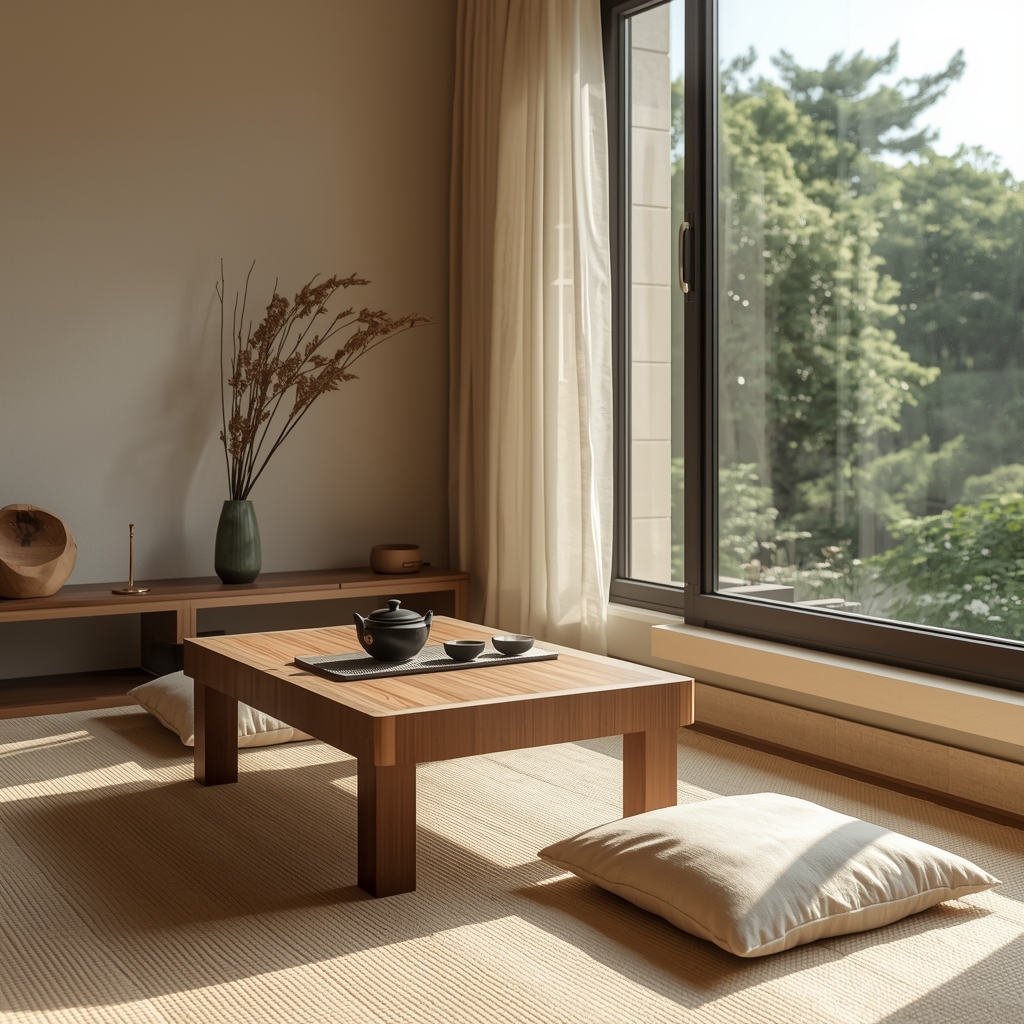
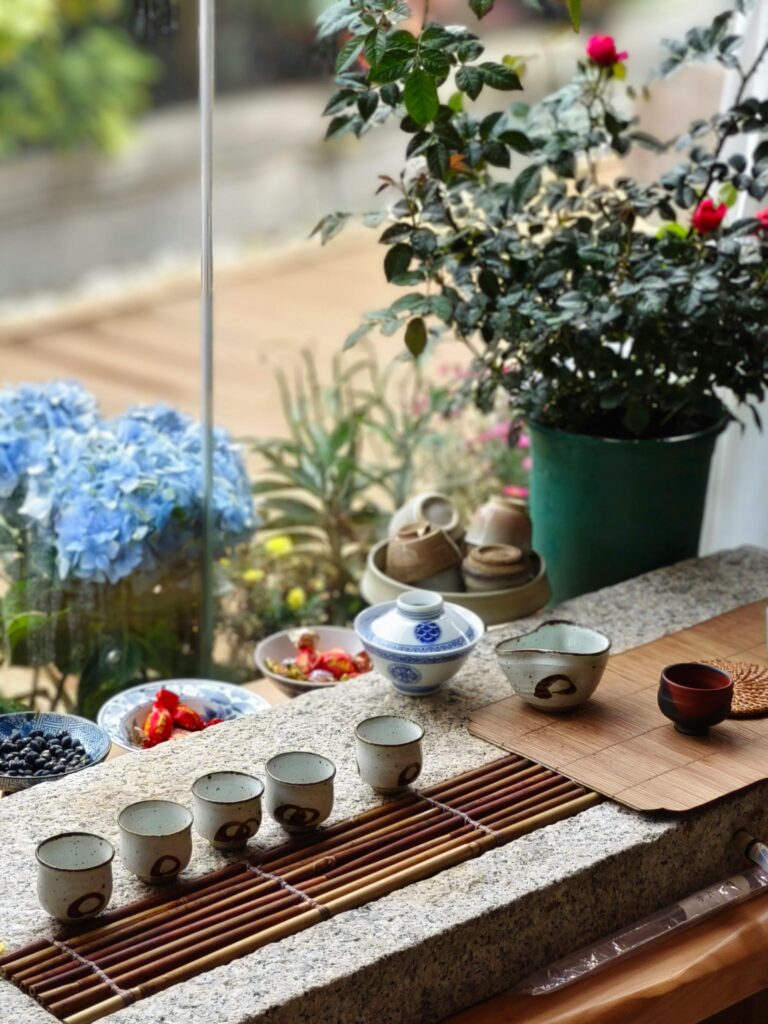
    You don’t need a whole room. A small corner near a window or in a quiet part of your living room is enough. Place a So-ban (traditional small tray table) and a comfortable linen cushion. This visual boundary helps your brain switch from “Stress Mode” to “Zen Mode” instantly.

    2. The Aesthetics of the Tea Set

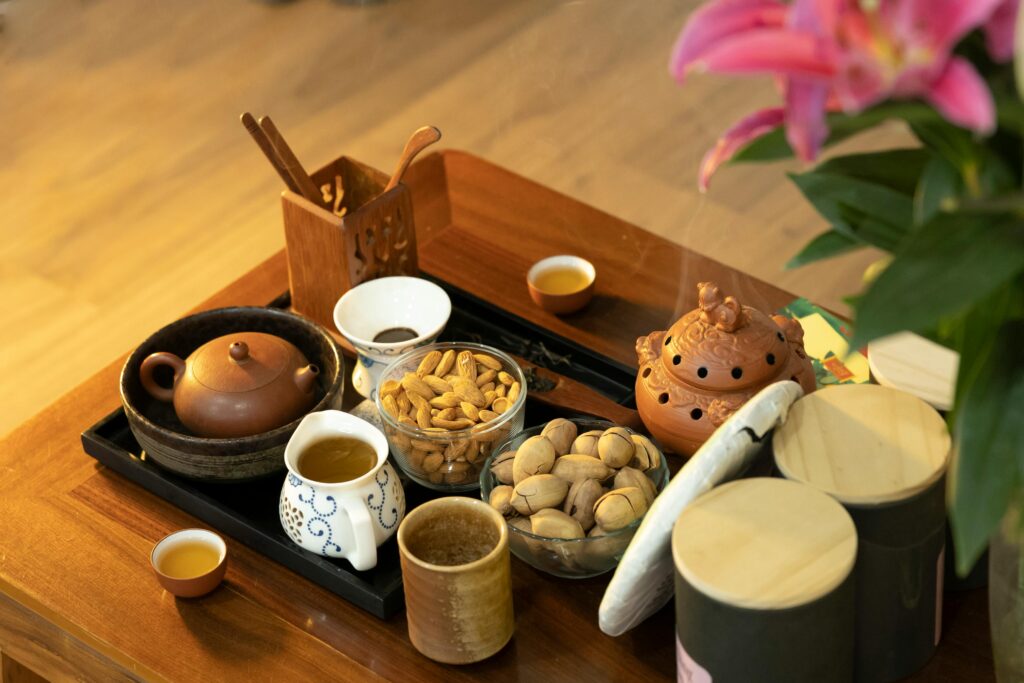
    Minimalism extends to your tea tools. Choose handmade ceramic cups with natural, earthy tones. The tactile feeling of warm clay in your hands is part of the therapy. Pair it with a simple wooden tray to complete the high-end K-Minimalism look.

    3. Incorporating Natural Elements

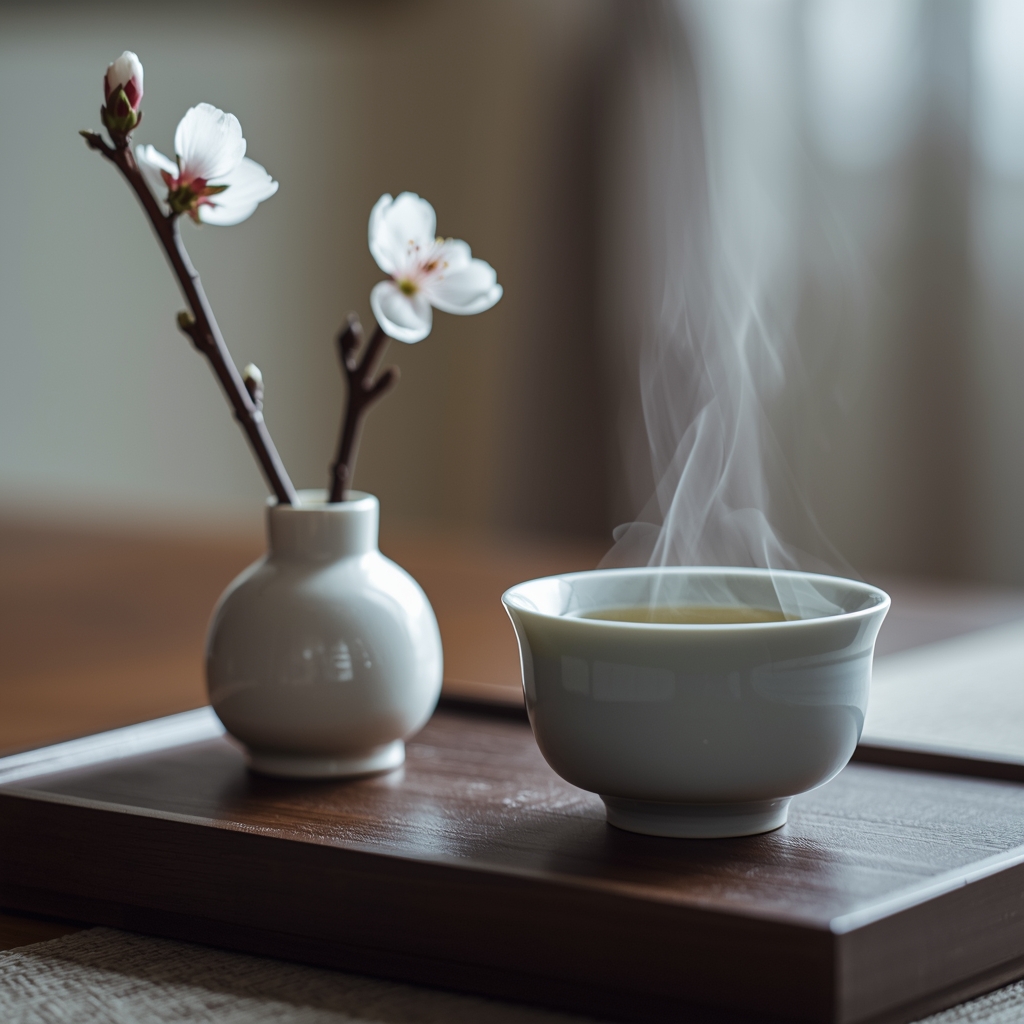
    Add a single green branch or a small tray of smooth river stones. These tiny touches of nature help you feel more grounded. It’s about creating a “Private Sanctuary” where you can breathe and reflect.

    (To see how this peaceful philosophy applies to your workspace, check out my guide on Minimalist Home Office Design!)


    💡 Pro Tip for Mindfulness:

    Try Bori-cha (Barley tea) or Sejak (Green tea) for an authentic Korean experience. Take a sip, close your eyes, and listen to the silence.

    Do you have a dedicated space for relaxation in your home? Let’s share our “Zen spots” in the comments!

  • Gallery at Home: 3 Minimalist Korean Wall Art Ideas to Elevate Your Space

    Empty walls can make a home feel cold, but over-decorating destroys the minimalist vibe. In Korea, we follow the principle of “Yeo-baek” (the beauty of empty space). The goal is to choose one or two powerful pieces that speak for themselves.

    Here is how you can use K-Style art to transform your home into a private gallery.


    1. The Texture of Hanji (Handmade Paper Art)

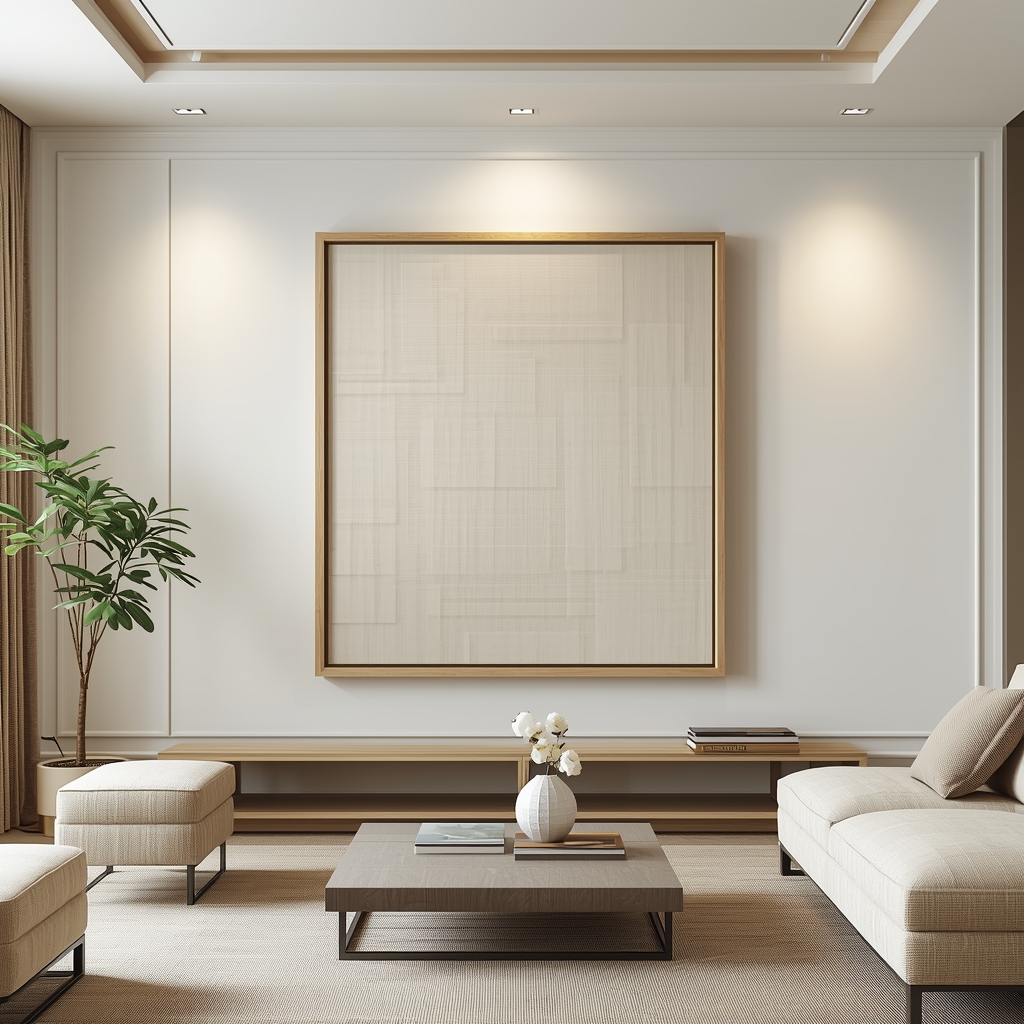
    Hanji is traditional Korean paper known for its incredible durability and organic texture. Instead of a busy painting, try a framed piece of textured, monochromatic Hanji art. The way it catches the light adds a 3D depth to your wall that looks incredibly sophisticated.

    Textured Hanji art framed in light wood on a white living room wall

    2. Modern Calligraphy: The Beauty of the Line

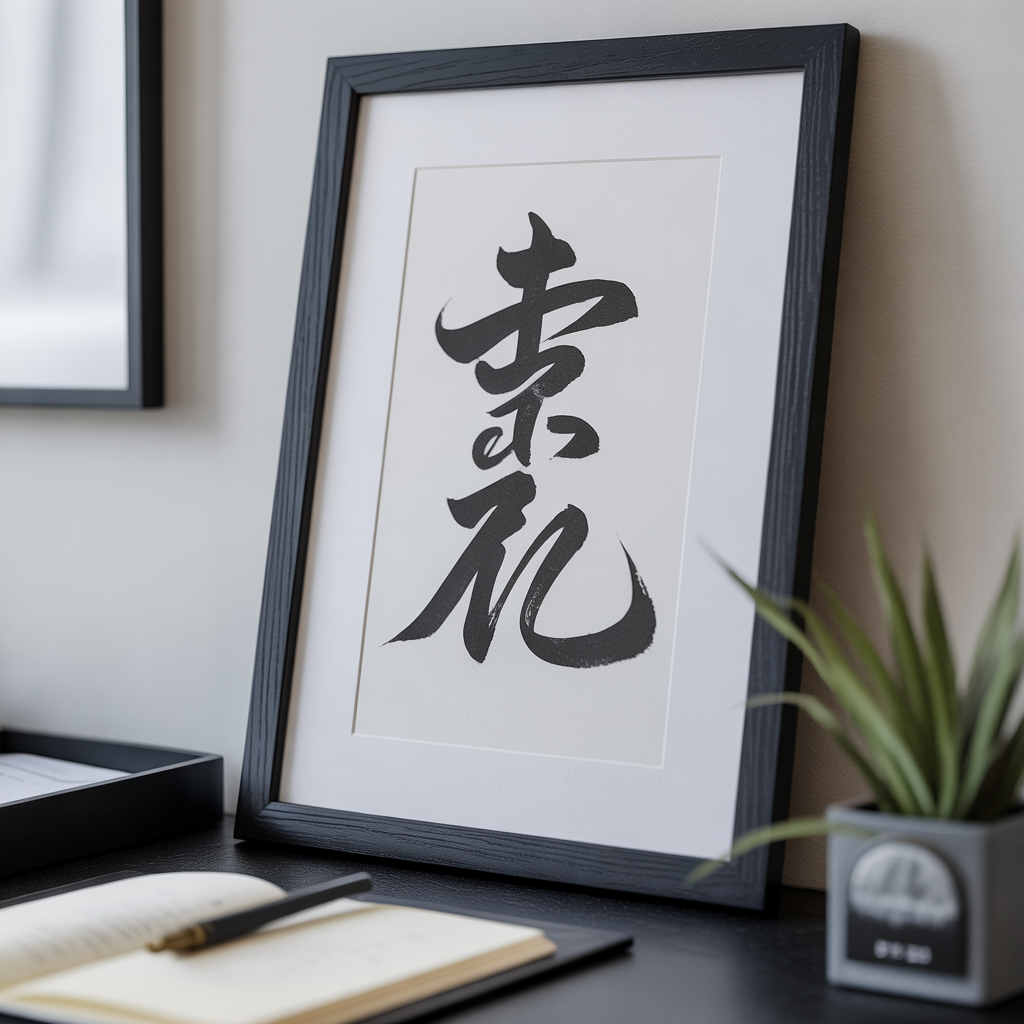
    A single stroke of black ink on a white canvas is the ultimate expression of minimalism. Modern Korean calligraphy focuses on the flow of the brush. It adds an intellectual and spiritual touch to your Home Office or entryway without cluttering the visual space.

    3. Traditional Motifs with a Modern Twist

    Look for art pieces that feature simplified traditional motifs, like a stylized pine tree or a crane. These symbols represent longevity and peace. When framed in a clean, metal or light wood frame, they bridge the gap between ancient tradition and your modern furniture.

    (To see how this artistic vibe flows into your overall home design, check out my most popular post on K-Minimalism Interior Tips!)


    💡 Pro Tip for Collectors:

    When hanging art, keep the center of the piece at eye level (usually about 57-60 inches from the floor). This is the secret “gallery standard” that makes your home feel professionally designed!

    Do you prefer colorful abstract paintings or quiet, minimalist art for your walls? Let’s talk in the comments!

  • K-Scent: How to Use Traditional Korean Incense for a Peaceful Home Vibe

    To complete the K-Minimalism look, you need more than just furniture; you need the right atmosphere. In Korea, “Scent Interior” is the final touch that calms the mind and cleanses the space.

    Here is how you can use traditional Korean scents to elevate your home.


    1. The Art of Modern Incense (Hyang)

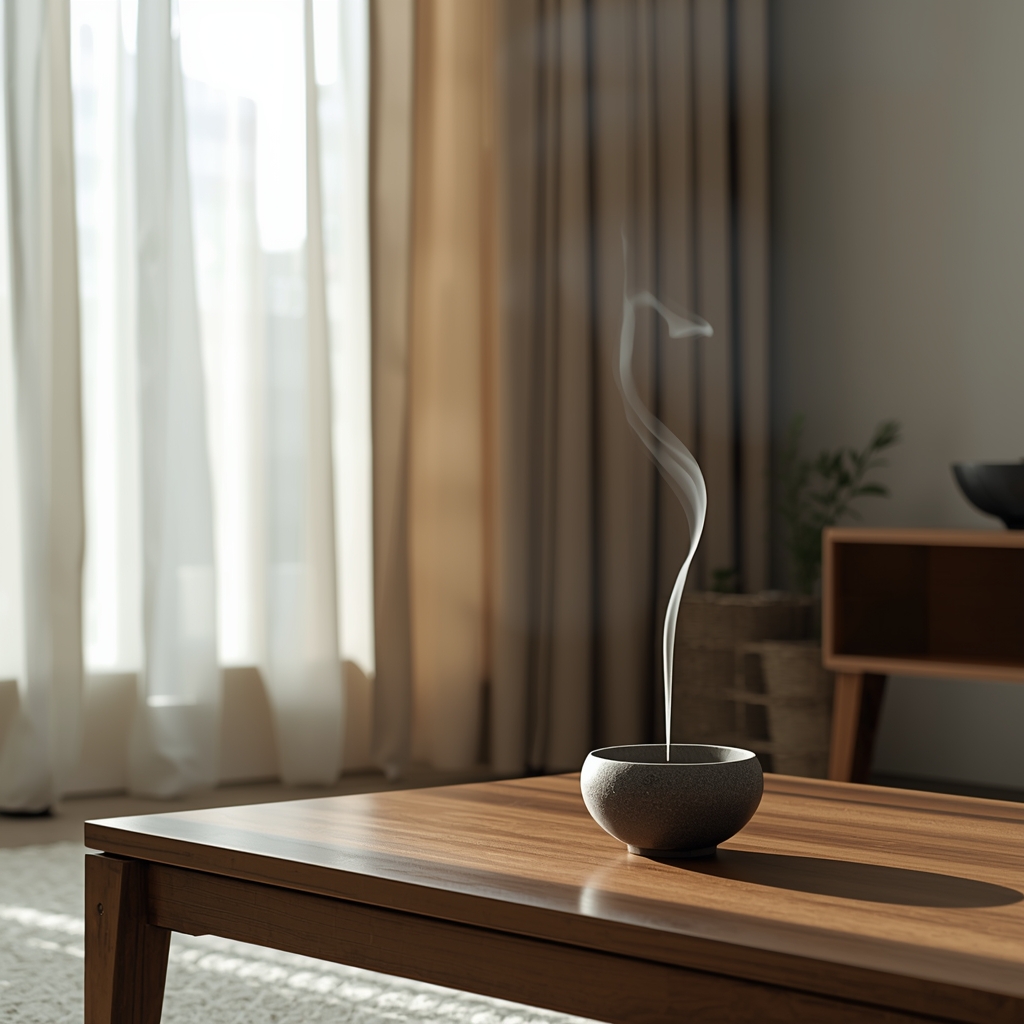
    Korean incense is known for its subtle, earthy wood scents (like sandalwood or agarwood). Instead of overwhelming artificial perfumes, use a minimalist ceramic incense burner. The thin trail of smoke adds a visual “Zen” element that pairs perfectly with your Korean Tea Corner.

    2. Scented Pouches (Norigae)

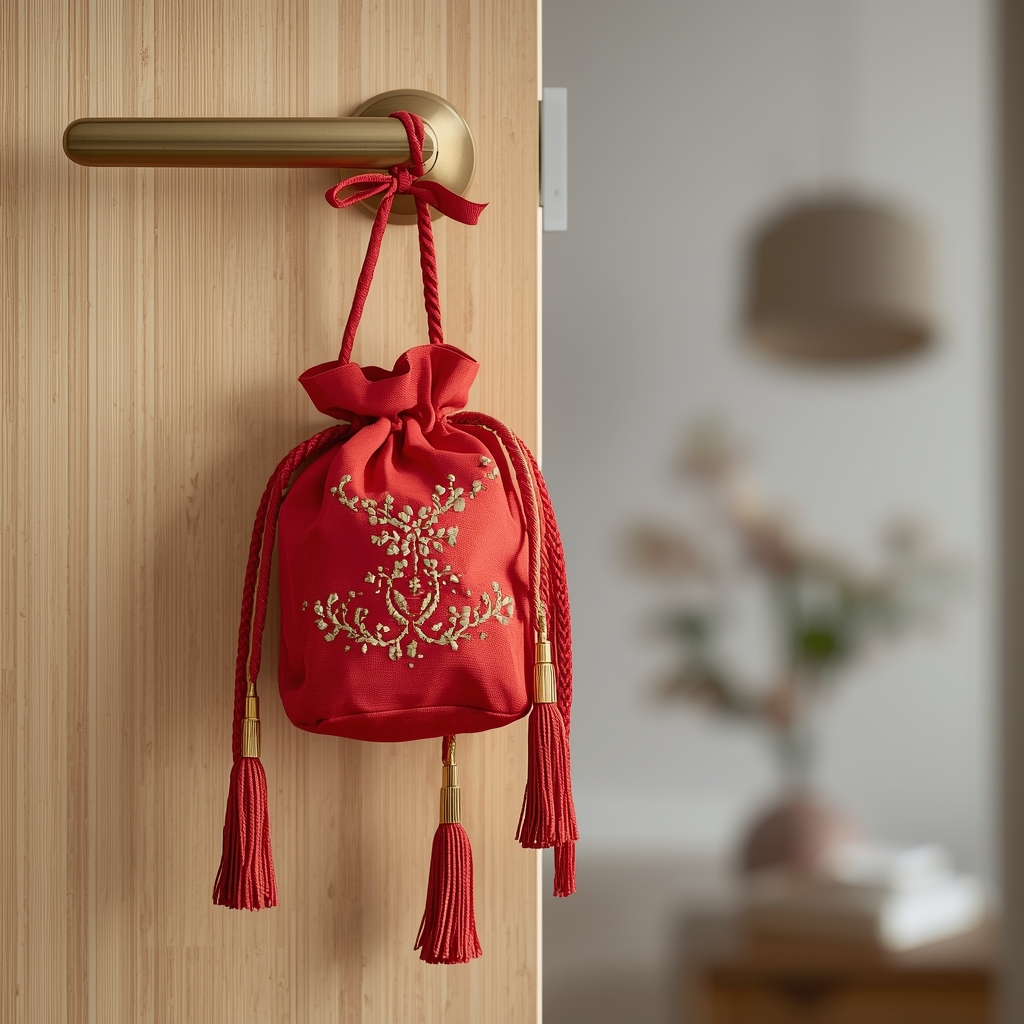
    Traditional Korean scent pouches are filled with natural herbs and spices. Hanging one on a door handle or inside your closet not only smells amazing but also acts as a beautiful decorative piece. It’s a small detail that makes a big difference in a high-end interior.

    3. Natural Wood Diffusers

    If you prefer no smoke, use diffusers made from Hinoki or Pine wood. These woods have a natural, refreshing forest scent that helps reduce stress and improves focus in your Home Office.


    💡 Pro Tip:

    Always burn incense near a window with a slight breeze. This prevents the scent from becoming too heavy and keeps the “Yeo-baek” (empty space) in your room feeling fresh and airy.

    Do you prefer woody, earthy scents or floral perfumes for your home? Let’s share our favorites in the comments!
  • 50th Post Special: How to Add a Touch of Korean Elegance to Your Modern Home

    Today marks my 50th post on this blog! To celebrate, I want to share the ultimate secret to high-end Korean interior design: blending ancient patterns with modern minimalism.

    If you want your home to look like a luxury gallery, these 3 traditional Korean elements are all you need.


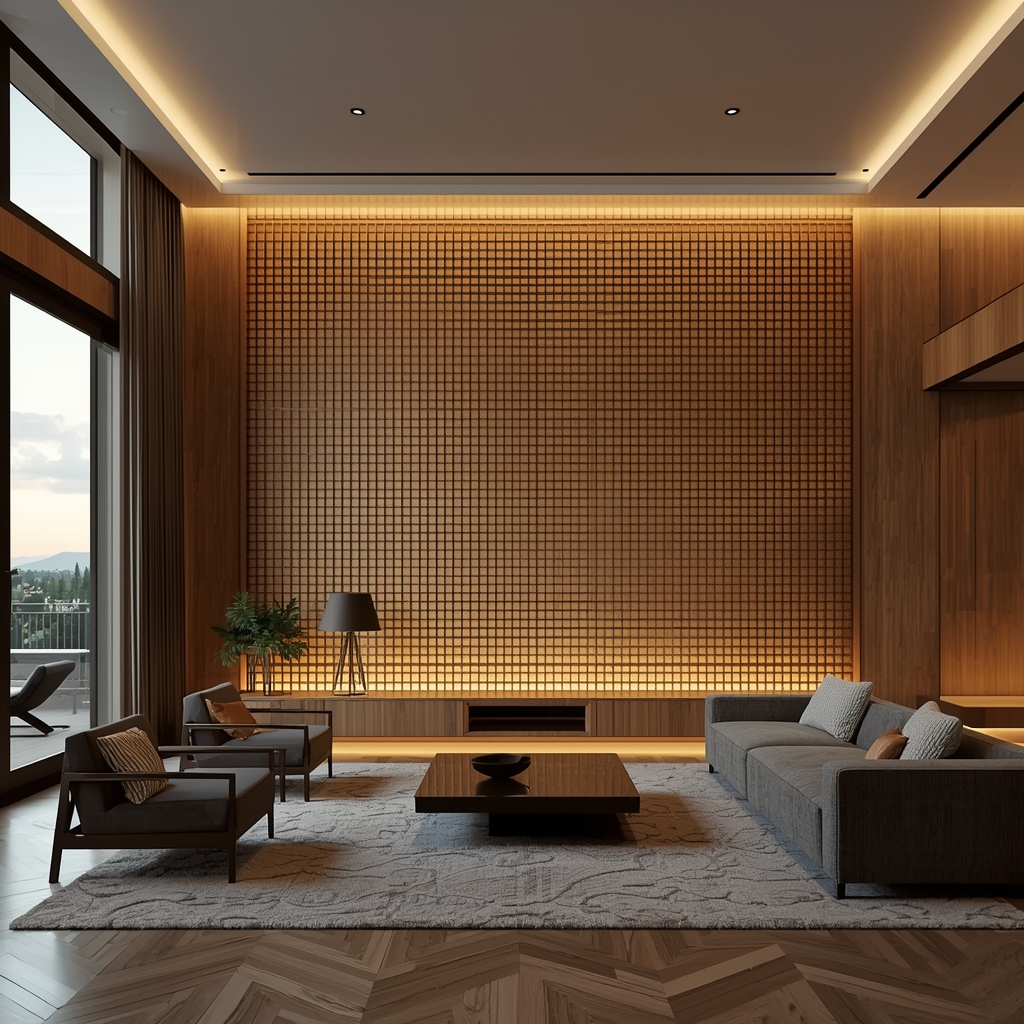
    1. The Geometry of “Kkot-sal” (Lattice Patterns)

    Korean traditional windows feature intricate wooden lattice patterns called Kkot-sal. In modern homes, this pattern is used as wall art or room dividers. The geometric repetition creates a sense of order and sophistication that pairs perfectly with modern furniture.

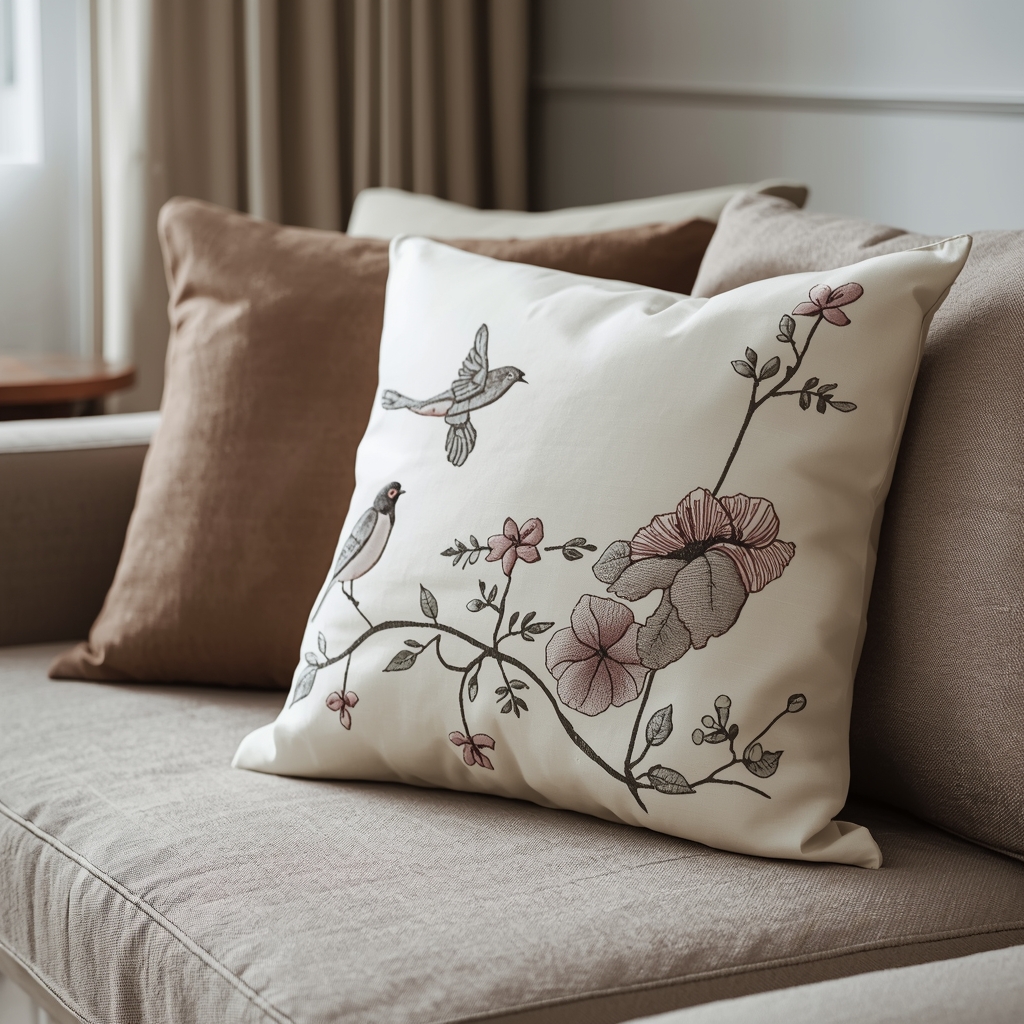
    2. Traditional Embroidery as a Pop of Color

    If your living room feels too “white and cold,” add some Korean traditional embroidery. A set of cushions featuring Dan-cheong colors or nature motifs (like birds and flowers) adds a vibrant, storytelling element to your minimalist sofa.

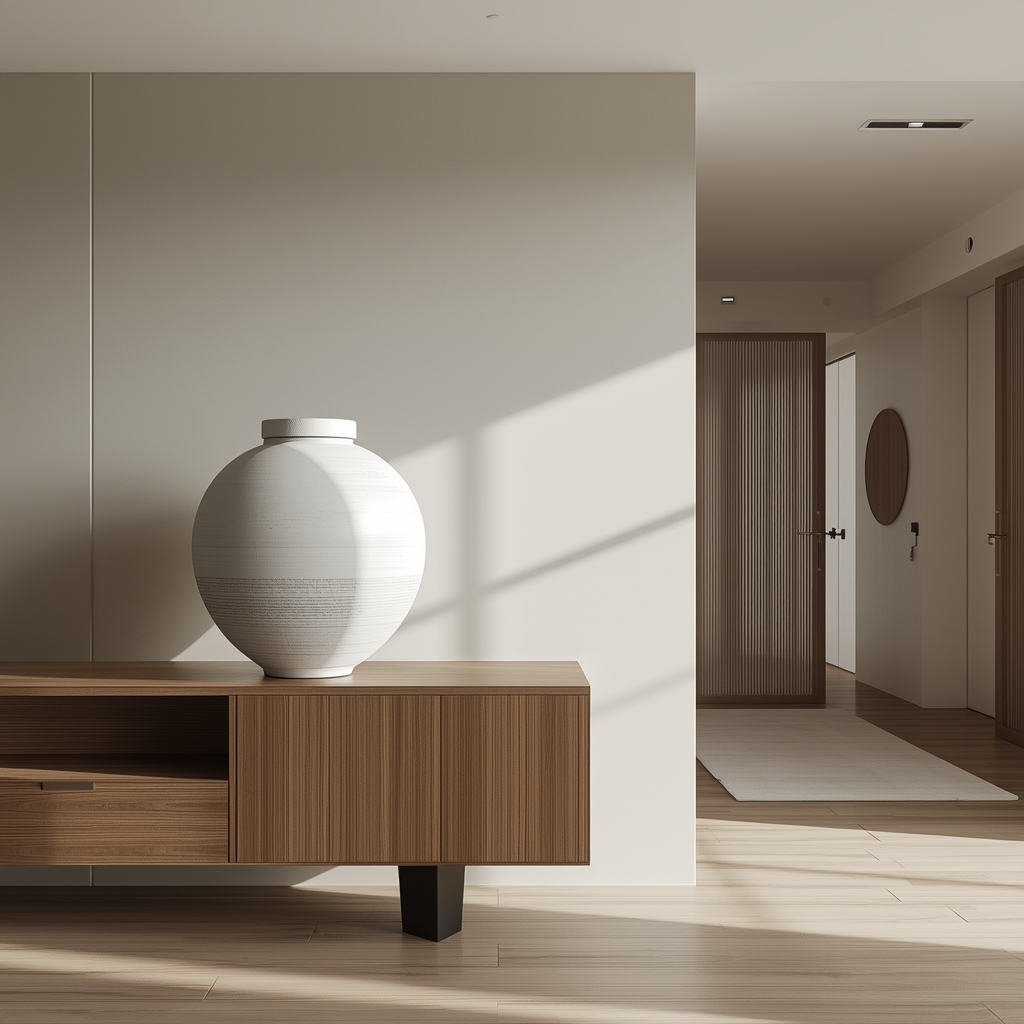
    3. The Grace of Korean Ceramics (Moon Jar)

    A modern home office or entryway is the perfect place for a Moon Jar (Dal-hang-ari). Its imperfect, organic white circle represents abundance and peace. Placing one “Object of Art” like this instantly elevates your home’s aesthetic to a professional level.

    (To see how these traditional touches flow into other areas of your home, check out my recent guide on Modern Korean Entryway Design!)


    💡 My 50th Post Tip for You:

    Don’t overdo it! The beauty of Korean design is “Yeo-baek” (the beauty of empty space). Choose just ONE traditional piece and let it breathe.

    Thank you for following my journey to 50 posts! Which of these traditional elements would you love to have in your home?

  • First Impressions: 3 Secrets to a Modern and Organized Korean-Style Entryway

    In South Korea, the entryway is more than just a place to take off your shoes; it’s a transition zone that keeps the “outside world” away from your peaceful home. Whether you have a large foyer or a tiny hall, these K-style tips will help you create a functional and stylish entrance.


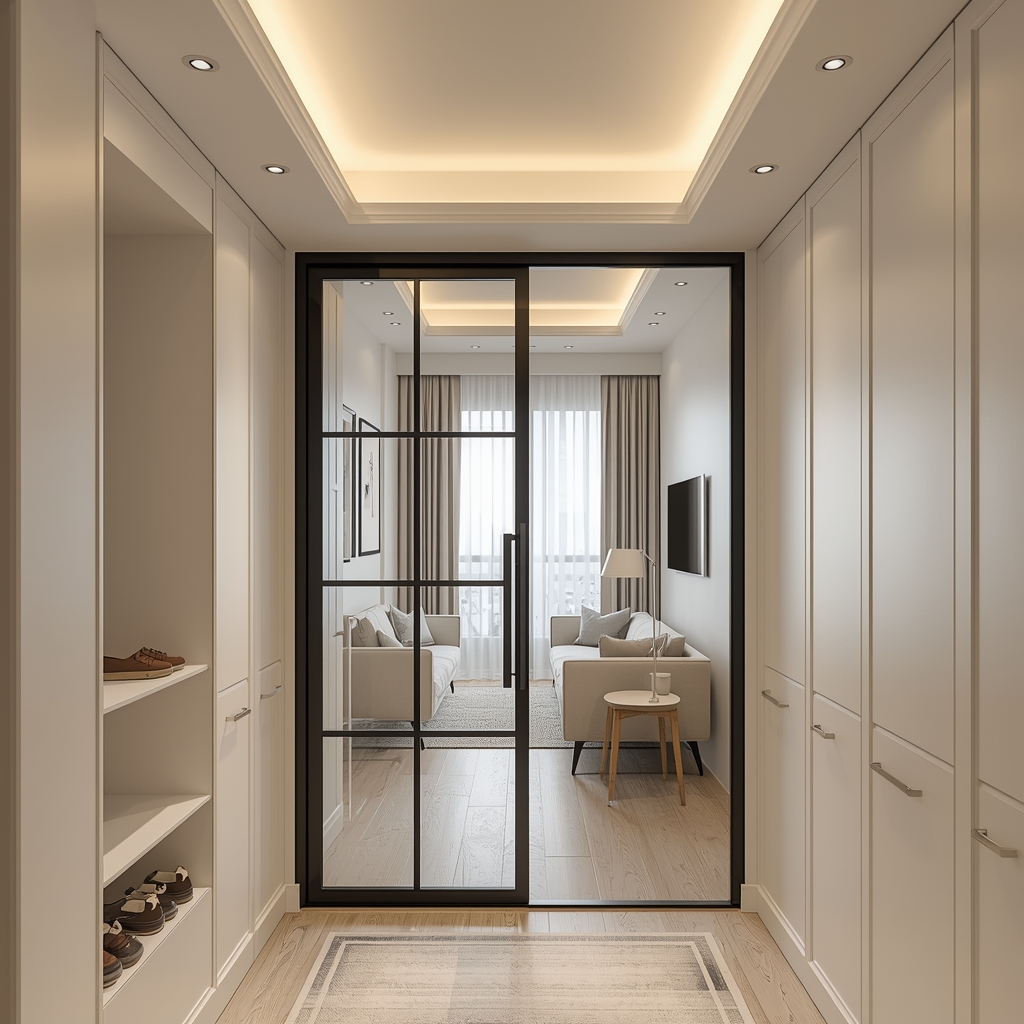
    1. The Power of the “Jung-mun” (Interior Sliding Door)

    The most unique feature of a Korean home is the Jung-mun. This interior door separates the entryway from the living space. It blocks dust, reduces noise from the hallway, and improves insulation. Plus, it looks incredibly high-end and modern!

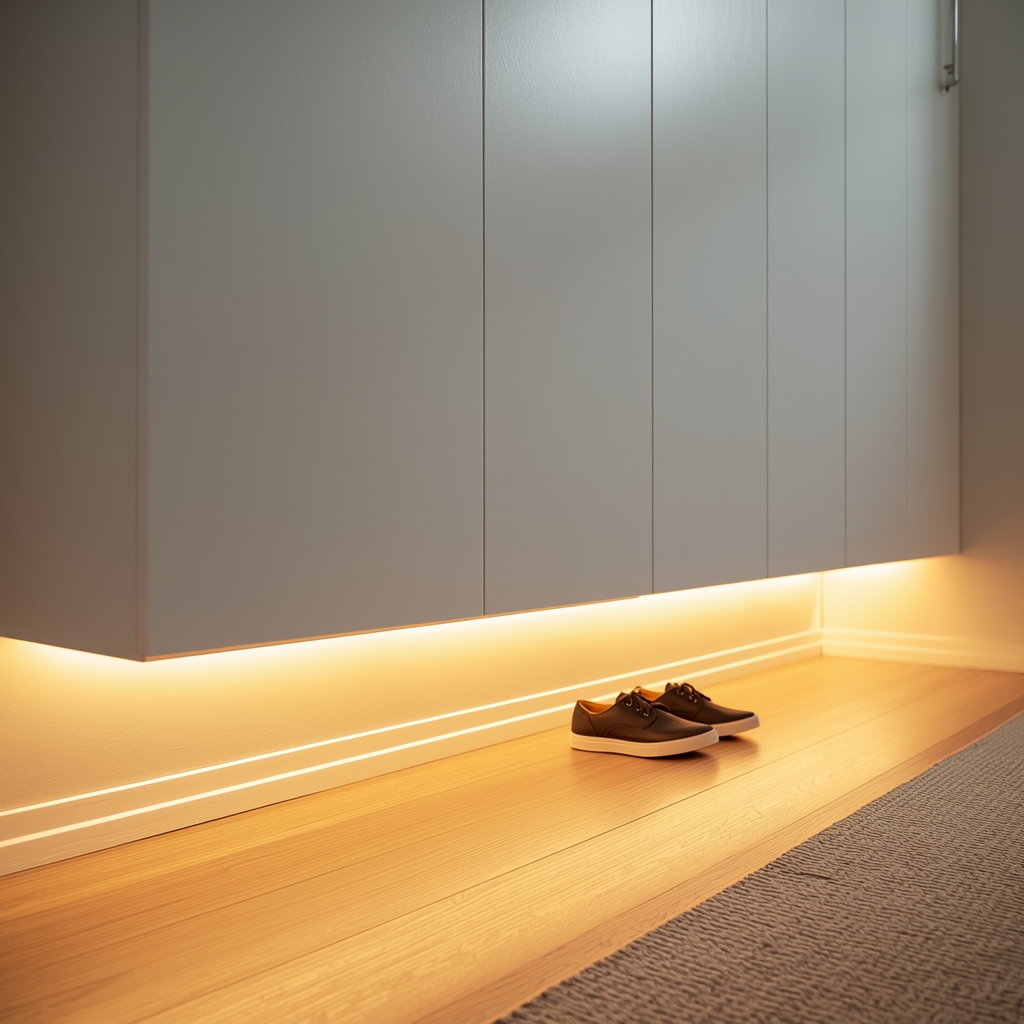
    2. Floating Shoe Cabinets with Lighting

    To make a small entryway feel larger, Koreans use “Floating” shoe cabinets that are mounted to the wall with space underneath. Placing an LED strip light under the cabinet not only looks cool but also provides a convenient spot to tuck away the shoes you use every day.

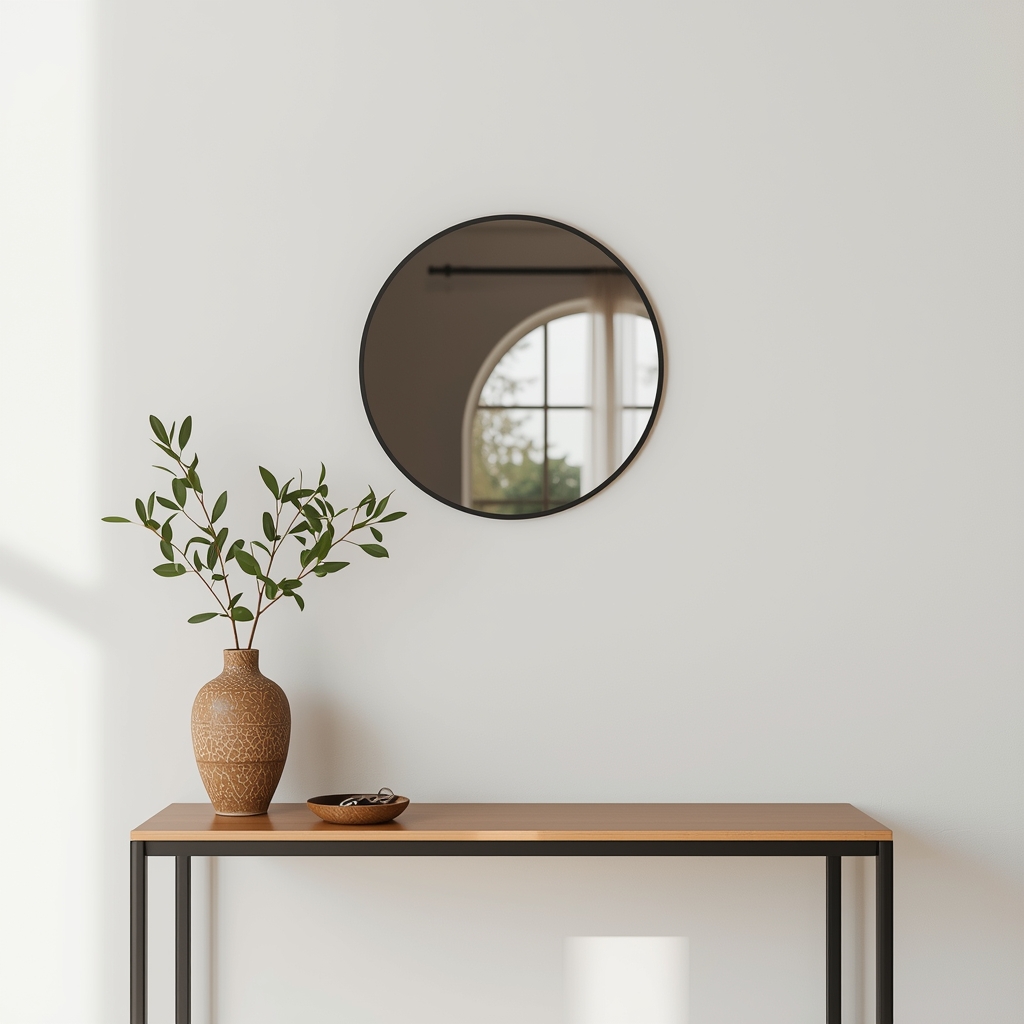
    3. Creating a “Drop Zone” for Essentials

    A minimalist entryway needs a dedicated spot for keys, mail, and masks. A simple floating shelf or a slim console table with a few Zen-style decor items keeps the space from becoming a cluttered “dumping ground.”

    (If you want to see how this organization continues into the rest of the house, check out my recent post on Smart Bathroom & Laundry Storage!)


    💡 Pro Tip for Homeowners:

    Keep a small tray or basket in your entryway cabinet specifically for “Returns” or items you need to take with you the next time you leave. It’s the ultimate Korean productivity hack for a stress-free morning!

    Does your home have a dedicated entryway, or does it open straight into the living room? Share your setup in the comments!

  • Space-Saving Magic: 3 Smart Korean Storage Ideas for Small Bathrooms & Laundry Rooms

    In South Korea, where efficient living is a necessity, the bathroom and laundry room are masterpieces of organization. If you’re struggling with clutter in your small apartment, these K-style storage hacks will change your life!


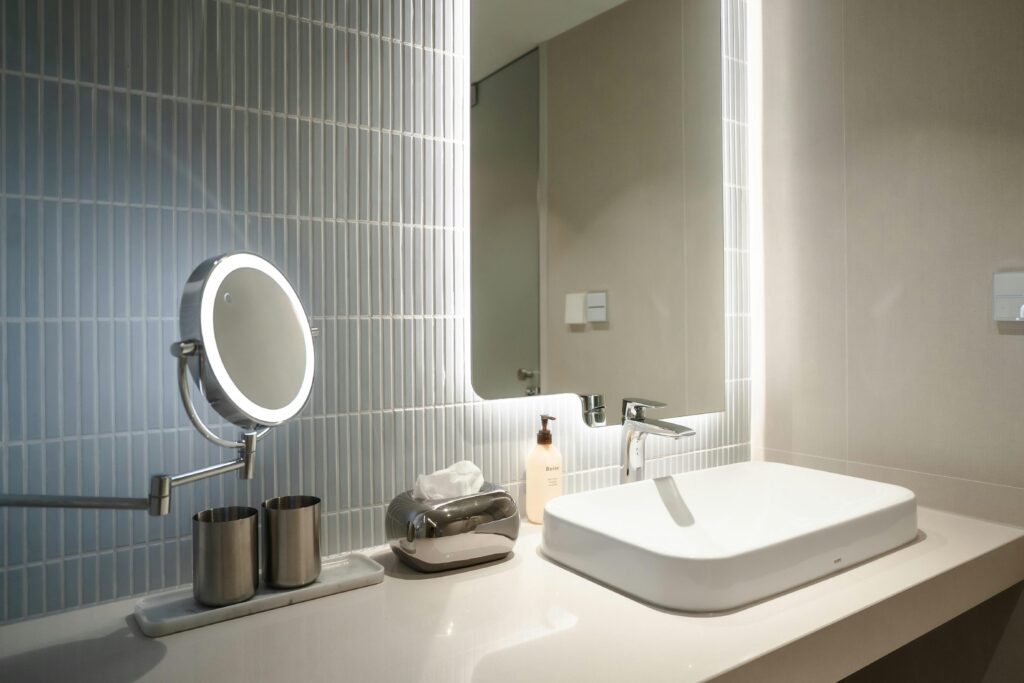
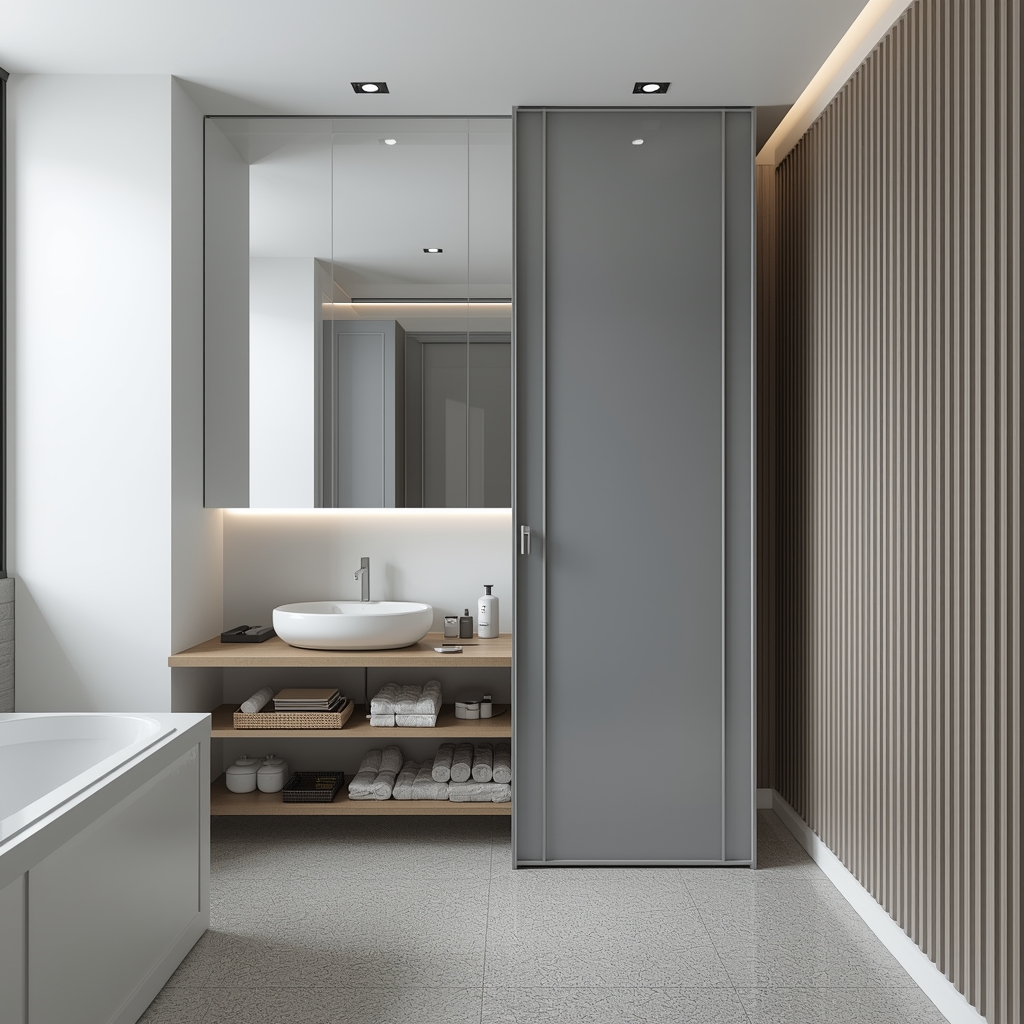
    1. The Mirror Cabinet Secret

    Most Korean bathrooms feature a large sliding mirror cabinet. It doubles as a full-size mirror and hides all your toiletries, towels, and hair dryers. By keeping the counters clear, your bathroom instantly feels like a luxury spa.

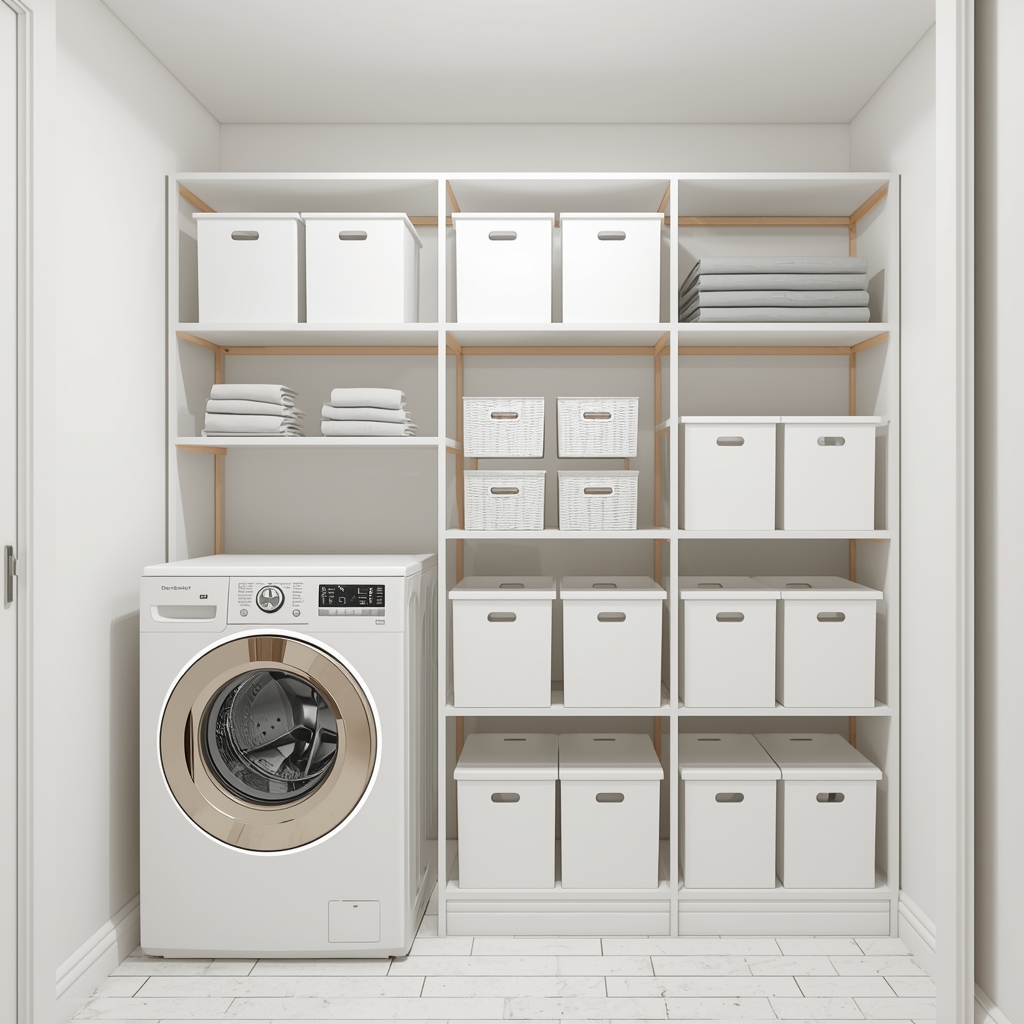
    2. Vertical Laundry Organization

    Don’t let the space above your washing machine go to waste. Koreans use floor-to-ceiling shelving units to store laundry supplies and towels vertically. It keeps everything within reach while freeing up valuable floor space.

    3. Slim Sliding Racks for “Dead Zones”

    Do you have a tiny gap between your vanity and the wall? Use a slim sliding rack. These “gap fillers” are perfect for storing extra toilet paper or cleaning supplies. In K-Interior, every inch of space has a purpose!

    (If you love these organization tips, you’ll want to see how we apply them to the kitchen in my post on Minimalist Korean Kitchen Hacks!)


    💡 Pro Tip:

    Use uniform, waterproof containers for your soaps and detergents. Removing the mismatched plastic packaging creates a “visually quiet” space that reduces morning stress!

    Which part of your home is the hardest to keep organized? Share your struggles in the comments!
  • Mindful Living: How to Create a Zen Korean Tea Corner at Home

    In the middle of a busy day, taking 10 minutes to brew a cup of tea can be a powerful ritual. In Korea, tea is not just a drink; it’s a way to practice mindfulness. If you love the K-Minimalism aesthetic, a dedicated “Tea Corner” is the perfect addition to your home.

    Here are 3 tips to create your own Zen tea sanctuary.


    1. Find Your “Nook”

    You don’t need a whole room. A small, quiet corner near a window is perfect. Place a low wooden table (So-ban) or a simple minimalist shelf to define the space. The goal is to create a “visual boundary” that says, “This is where I relax.”

    2. Choose Earthy, Matte Ceramics

    Korean tea aesthetics focus on natural beauty. Instead of shiny, colorful mugs, look for handmade ceramic tea sets with matte finishes and earthy tones (like soft grey, beige, or pale green). The tactile feeling of the warm clay in your hands is part of the healing process.

    3. Incorporate Natural Elements

    Add a single branch in a slim vase or a small tray of smooth river stones. These tiny touches of nature help you feel more grounded. It’s the easiest way to bring the essence of a traditional Hanok garden into your modern apartment.

    (If you want to see the beautiful tables these tea sets are placed on, check out my post on Modern Korean Dining Spaces!)


    💡 Pro Tip for Tea Lovers:

    Try Korean Green Tea (Sejak) or Barley Tea (Bori-cha) for an authentic experience. The subtle, nutty flavors pair perfectly with the minimalist atmosphere you’ve created!

    Do you have a dedicated space for relaxation in your home? Let’s talk about your favorite ways to unwind in the comments!
  • K-Breakfast: 3 Healthy and Beautiful Ways Koreans Start Their Day

    Forget heavy pancakes and greasy bacon. In South Korea, breakfast is about balance, energy, and “healing” the body. If you want to glow from the inside out, these K-style breakfast ideas are perfect for your morning routine.

    Here are 3 healthy Korean breakfasts that are as beautiful as they are delicious.


    1. The Classic “Bap & Banchan” (Rice and Sides)

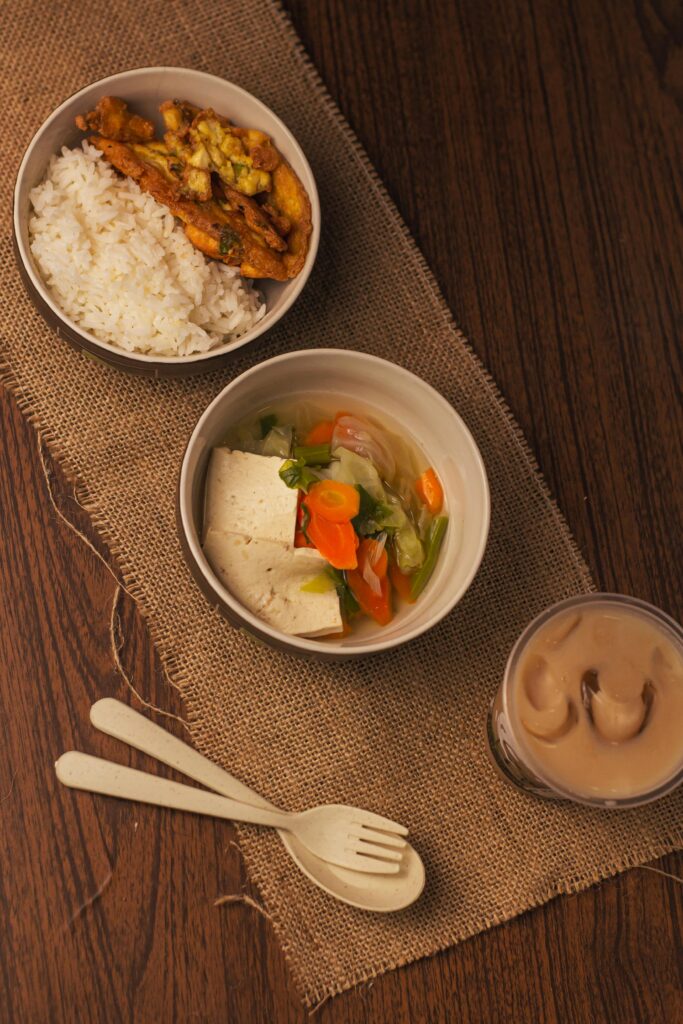
    A traditional Korean breakfast looks like a mini-feast. It usually includes a bowl of multigrain rice, a light soup (like seaweed soup), and 3-4 small side dishes (Banchan). It provides long-lasting energy without the “sugar crash” of Western breakfasts.

    2. Soothing “Juk” (Korean Porridge)

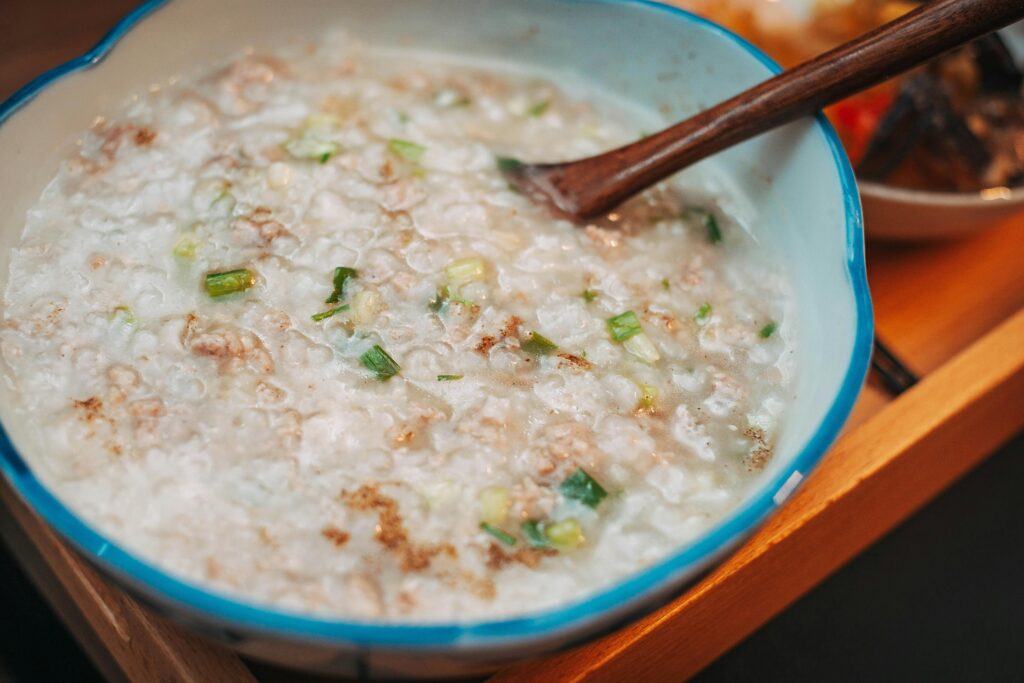
    On mornings when you need something gentle, Koreans turn to Juk. Made from rice and various toppings like abalone, pumpkin, or mushrooms, it’s incredibly easy to digest and very comforting. It’s the ultimate “Wellness Food” for a busy morning.

    3. Modern K-Style Brunch: Avocado Bibimbap

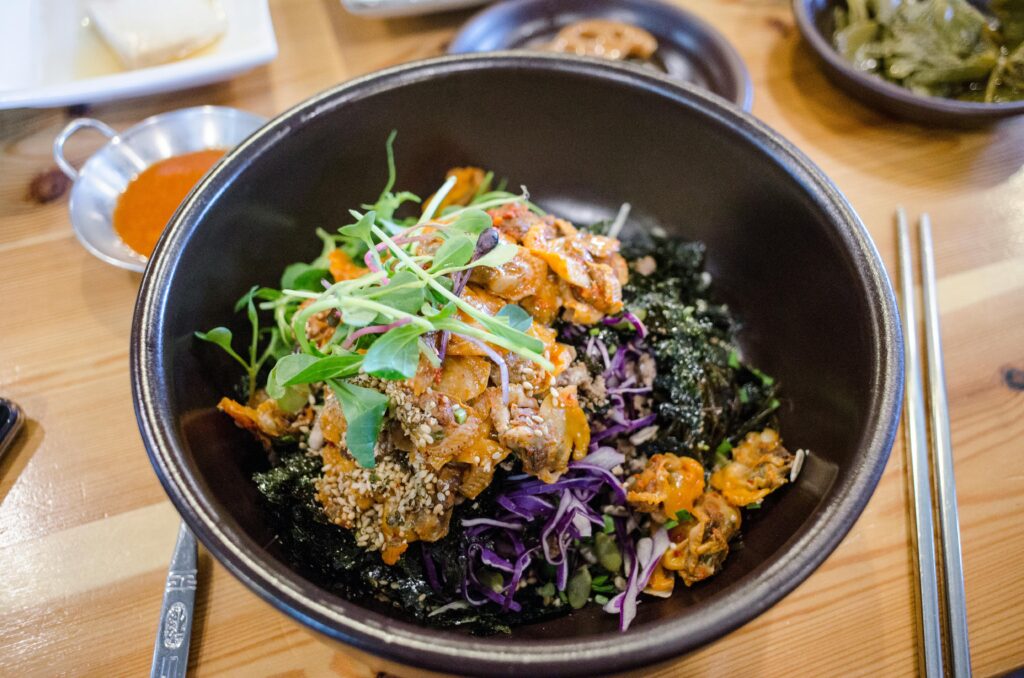
    If you want something trendy, try the Avocado Pollock Roe Bibimbap. It combines traditional Korean fermented flavors with healthy fats from avocado. It’s colorful, Instagrammable, and takes only 5 minutes to prepare!

    (To see the beautiful dishes these meals are served in, check out my post on Korean Minimalist Tableware!)


    💡 Pro Tip for Busy Mornings:

    Many Koreans prepare their side dishes (Banchan) over the weekend and keep them in the fridge. This way, you can set up a full, healthy breakfast in less than 5 minutes on a busy Monday morning!

    Which one would you choose: a classic rice meal or a comforting bowl of porridge? Let me know in the comments!
  • Living in the Future: 3 Amazing Unmanned Stores in South Korea

    Imagine walking into a store, picking up your items, and paying without seeing a single staff member. In South Korea, Unmanned Stores (Mu-in Jeom-po) are everywhere! From ice cream shops to cafes, these stores rely on advanced technology and a high level of social trust.

    Here are 3 unmanned spots you must visit in Korea.


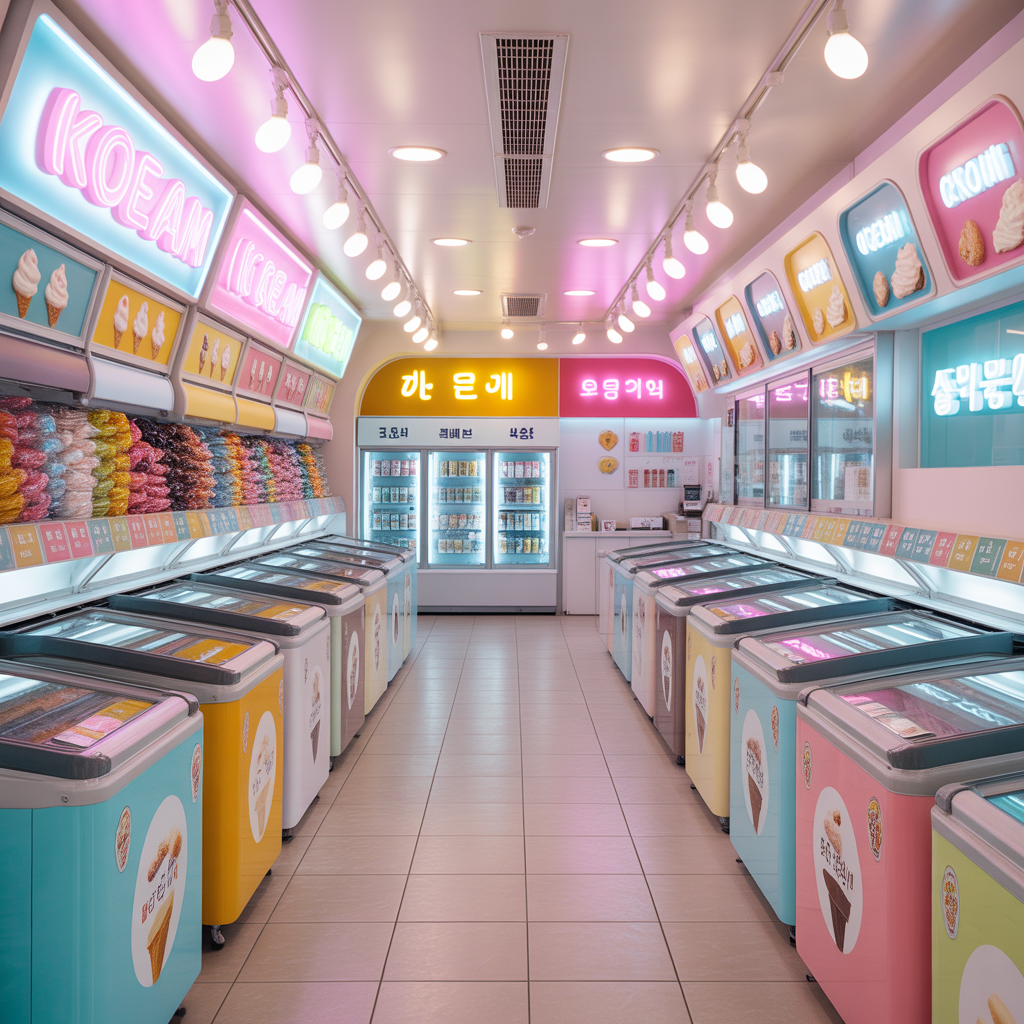
    1. 24/7 Unmanned Ice Cream Shops

    These are the most common unmanned stores. They are filled with hundreds of types of ice cream and snacks at discounted prices. You simply pick what you want and scan the barcodes at the self-checkout kiosk. It’s a “paradise” for late-night snackers!

    2. Fully Automated Robot Cafes

    Need a caffeine fix at 3 AM? Head to a robot cafe. A robotic arm will grind the beans, brew your coffee, and even serve it to you with a “smile” (on its digital screen). It’s fast, consistent, and feels like a scene from a sci-fi movie.

    3. Self-Service Printing & Photo Booths

    Need to print a document or take high-quality “Life-Four-Cuts” photos? You can find unmanned printing shops and photo booths on almost every street corner. They are clean, well-maintained, and incredibly easy to use with a credit card.

    (If you’re wondering how these stores stay safe without staff, check out my post on Korean Cafe Culture and Safety!)


    💡 Why It Works in Korea:

    The success of these stores is based on Social Trust. Most shops are monitored by CCTV, but the real power comes from the culture of respecting public property. It’s a great example of how technology and civic duty work together.

    Would you feel comfortable shopping in a store with no staff in your country? Let me know in the comments!

  • K-Bedroom: 3 Secrets to a Minimalist and Restful Sleeping Space

    In Korea, the bedroom is strictly a place for rest. By following the “K-Minimalism” philosophy, you can turn your bedroom into a Zen sanctuary that guarantees the best sleep of your life.

    Here are 3 ways to achieve a modern Korean-style bedroom.


    1. The Low-Profile Bed Trend

    Instead of high, bulky beds, Korean interiors favor low-profile bed frames. This creates a sense of openness and makes the ceiling feel higher. It feels more grounded and stable, which is psychologically proven to help you relax faster.

    2. “Filtered” Lighting for Sleep

    Never use bright overhead lights in the bedroom. Modern Korean bedrooms use layered, indirect lighting. Place warm LED strips behind the headboard or use a paper lamp on the floor. This soft, golden light mimics the sunset and signals your brain to produce melatonin.

    3. Neutral Tones and Soft Textures

    Avoid bold colors. Stick to a palette of white, beige, and light grey. Using natural textures like washed linen or cotton for your bedding adds a touch of organic luxury that makes crawling into bed the best part of your day.

    (If you want to see how this peaceful vibe extends to your workspace, check out my post on K-Style Deskterior Tips!)


    💡 Pro Tip for Better Sleep:

    Keep your bedroom “Screen-Free.” In Korea, many minimalist lovers avoid putting a TV in the bedroom to keep the energy focused purely on rest and recovery.

    Do you prefer a high hotel-style bed or a low, cozy Zen-style bed? Share your thoughts in the comments!