Blog

  • Sing Like a K-Pop Star: A Guide to Korean Noraebang (Karaoke)

    In Korea, we don’t just “go to karaoke.” We go to Noraebang (literally “Song Room”). It’s a huge part of Korean nightlife and a must-experience culture for travelers.

    Here is how to enjoy Noraebang like a local.


    1. Coin Noraebang vs. Regular Noraebang

    • Coin Noraebang (Kono): Perfect for solo travelers or couples. You pay per song (usually $1 for 3-4 songs).
    • Regular Noraebang: Larger rooms for groups. You pay by the hour (around $15-$25 per hour) and often get free drinks or snacks.

    2. The Magic “Service” Time

    If you go to a regular Noraebang, don’t leave just because your time is up! Most owners will give you “Service” (free extra time). You might see “Bonus 10 min” or even “30 min” suddenly appear on your screen.

    3. Mastering the Remote Control

    The remote is huge and has many buttons. Don’t worry! Most modern machines have a “Search” button where you can type in English song titles or artists. From K-Pop to Billboard hits, they have it all.

    4. Tambourines and Maracas

    In every room, you’ll find tambourines. In Korea, we don’t just sing; we perform! Even if it’s not your turn to sing, your job is to shake the tambourine and cheer for your friends.


    What is your go-to karaoke song? Let me know in the comments below!

  • Why Korean Restaurants Give You Free Food: The “Banchan” and “Service” Culture

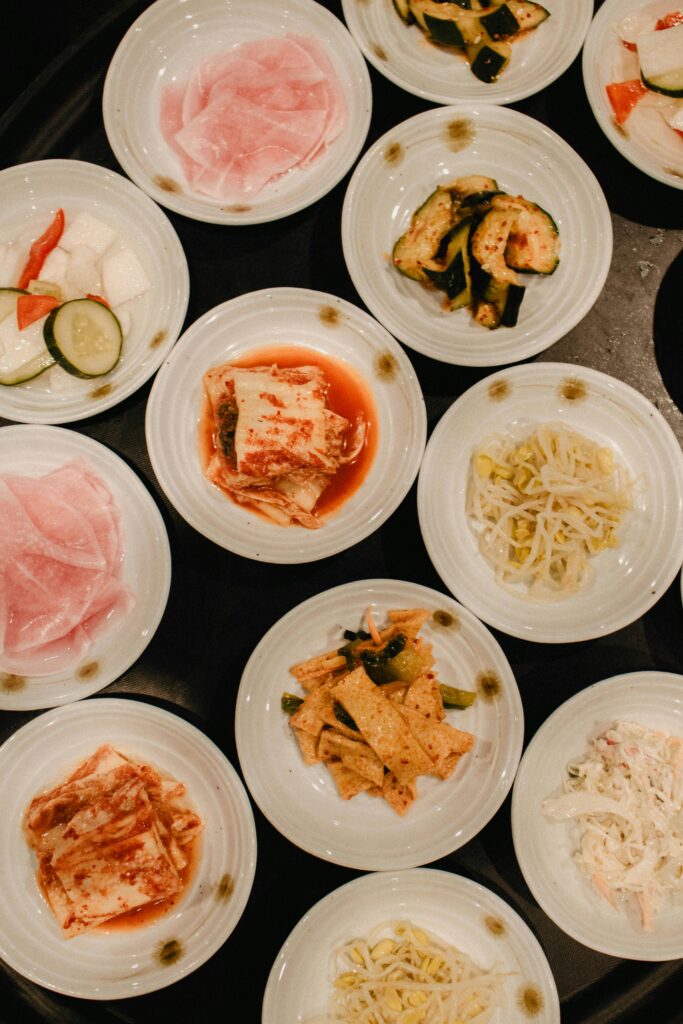
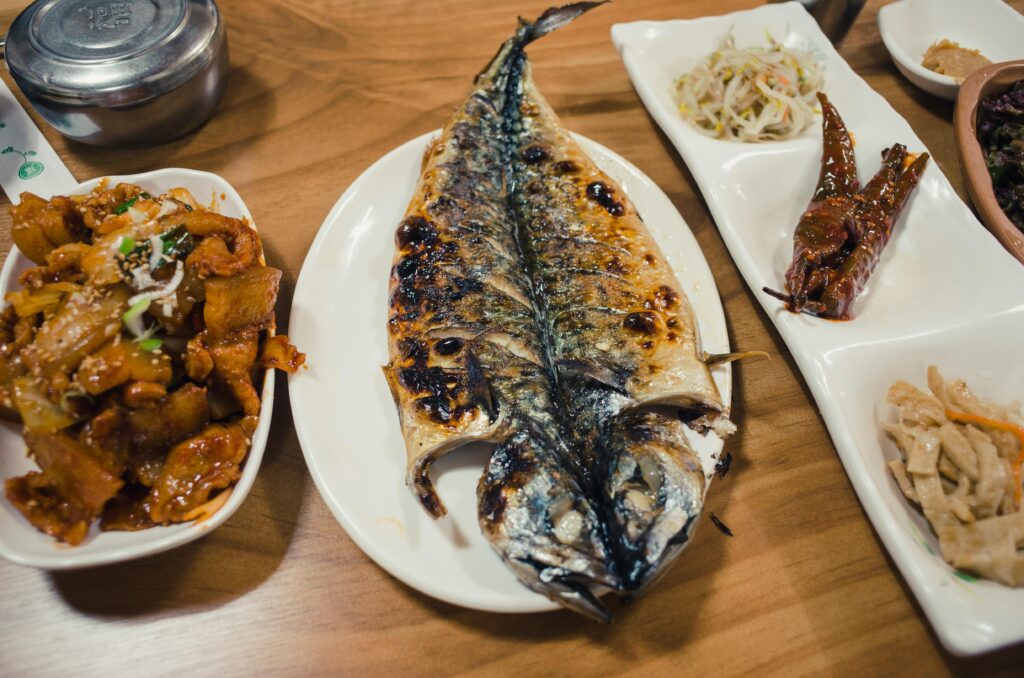
    If you’re dining in South Korea for the first time, you might be shocked when the waiter brings 5 to 10 small dishes before your main meal. Don’t worry—you didn’t order them, and they are completely free!

    Here is everything you need to know about Korea’s generous food culture.


    1. What are “Banchan”?

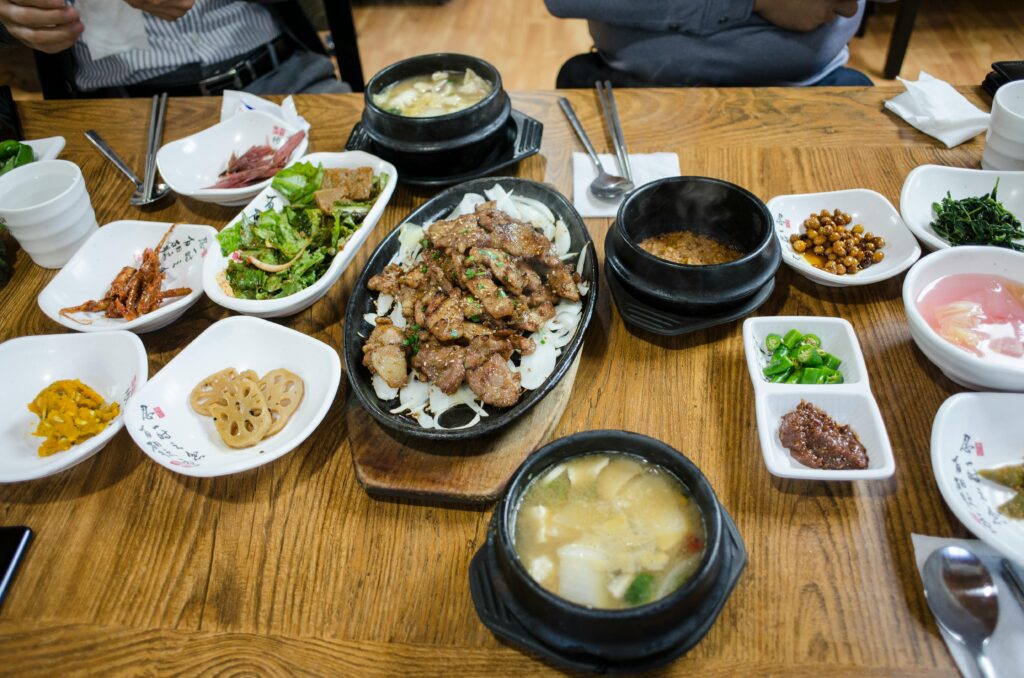
    Banchan are small side dishes served with cooked rice. The most famous one is Kimchi, but you’ll also see pickled vegetables, bean sprouts, and even small dried fish. These dishes are meant to be shared and are part of the main meal’s price.

    2. The Magic Word: “Refill Please!”

    Finished your favorite corn salad or Kimchi? In Korea, it is perfectly normal to ask for a refill. Just say “Banchan deo juseyo” (More side dishes, please), and the waiter will bring more for free! Many modern restaurants also have a “Self-service bar” where you can grab as much as you want.

    3. Understanding “Service” (The Freebies)

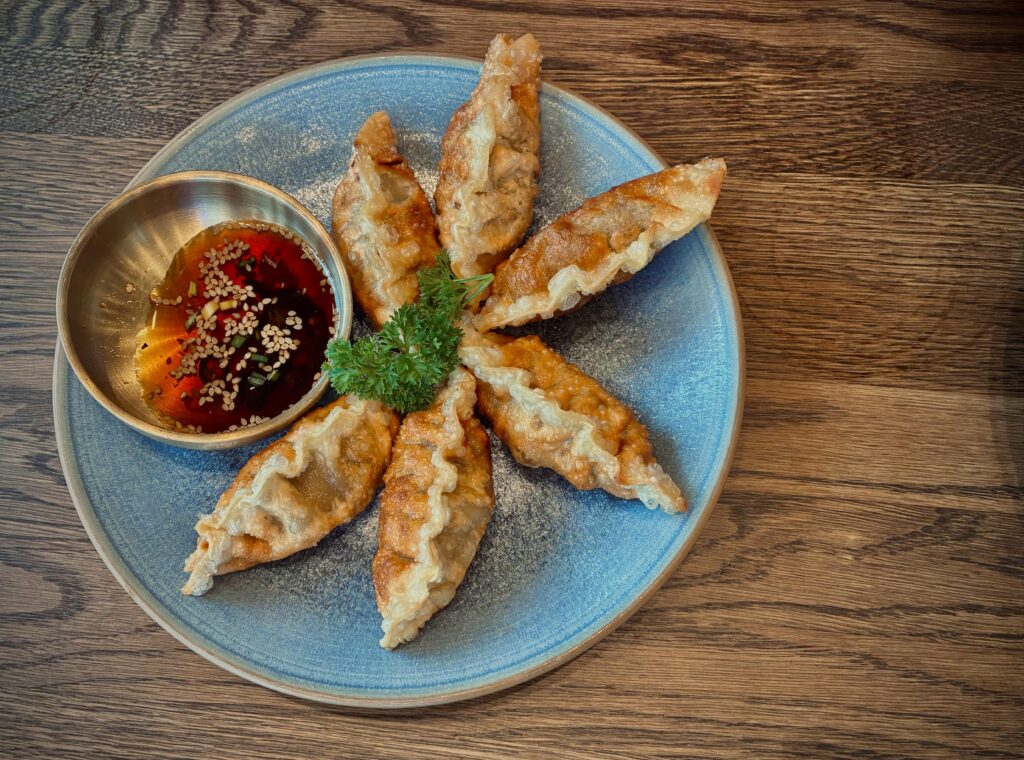
    In Korea, the English word “Service” doesn’t mean “customer service.” It means “This is on the house!” If a restaurant owner brings you a free soda, a plate of dumplings, or an extra egg roll, they will say “Service!” It’s their way of showing kindness to regular or friendly customers.

    4. No Tipping Required

    The best part? Even with all these free side dishes and “service” items, you never have to leave a tip in Korea. The price on the menu is exactly what you pay. Giving a tip can sometimes be confusing for the staff!


    💡 Pro Tip for Travelers:

    If a restaurant has a “Self-bar,” it’s good etiquette to only take as much as you can eat. Leaving too much food behind is considered a bit rude!

    What is your favorite side dish? Would you be brave enough to try the spicy fermented Kimchi? Let me know in the comments!
  • How to Order Fried Chicken at Han River Park (The Ultimate “Chi-Maek” Guide)

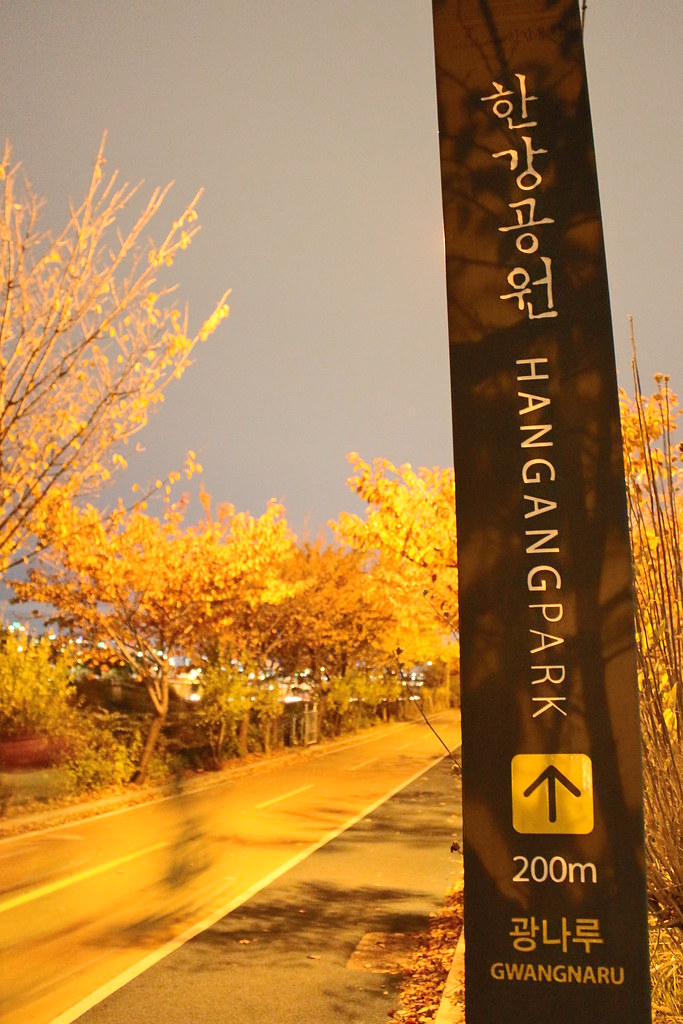
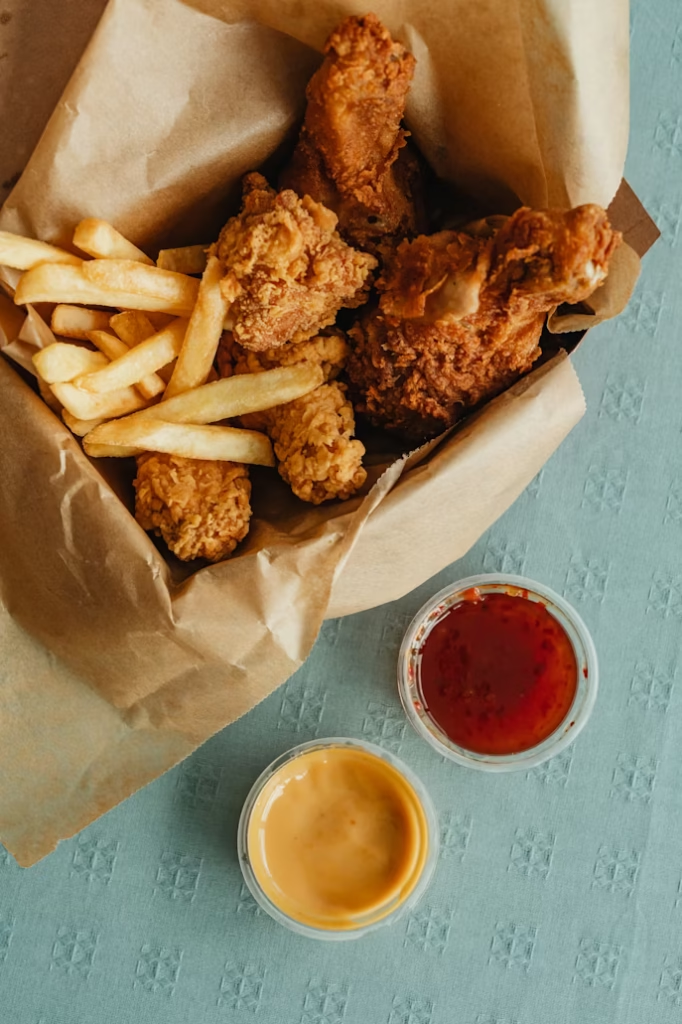
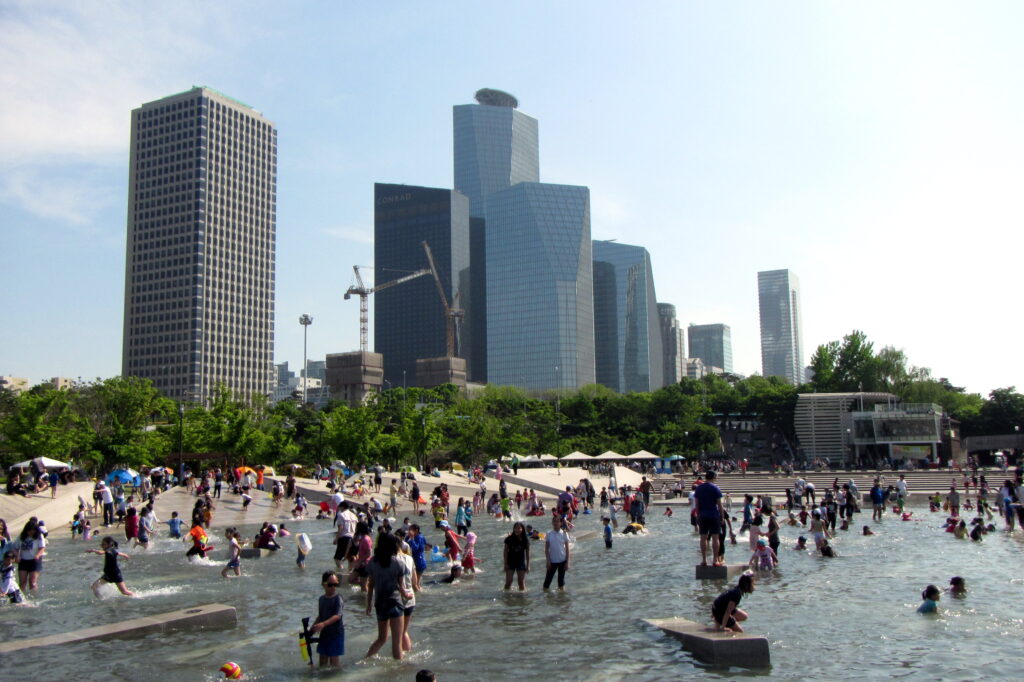
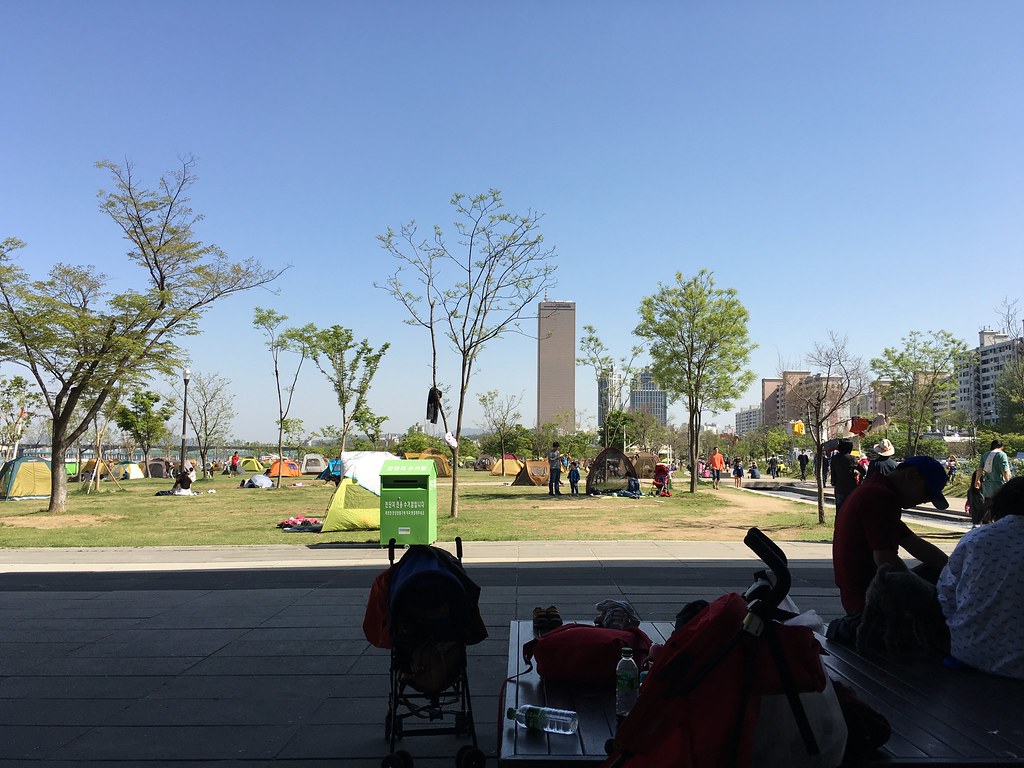
    If you visit Seoul, one of the most local experiences you can have is having a picnic at Han River Park. But it’s not just a regular picnic—it’s all about “Chi-Maek” (Fried Chicken + Beer) and getting it delivered right to your picnic mat!
    Here is how you can enjoy food delivery at the river like a pro.


    1. What is “Chi-Maek”?

    “Chi-Maek” is a combination of the words “Chicken” and “Maekju” (the Korean word for beer). In Korea, fried chicken is a soul food, and eating it while looking at the river breeze is a ritual for locals, especially during spring and autumn evenings.

    2. How to Order Without an Address?

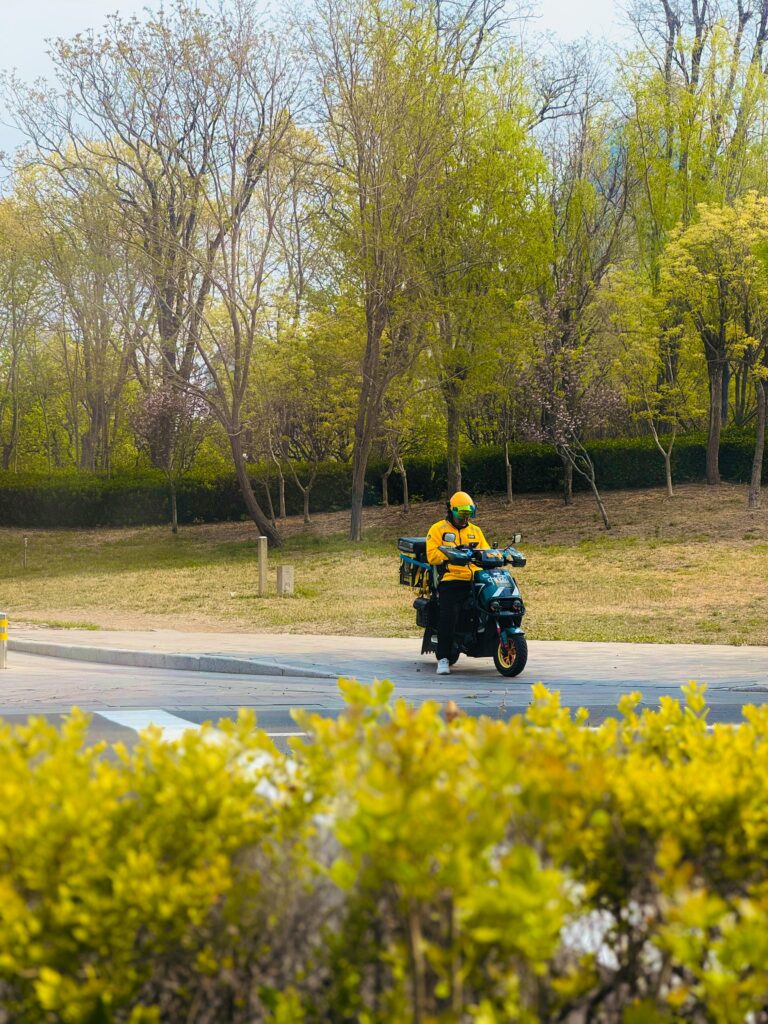
    You might wonder, “How will the delivery driver find me in a huge park?”
    In Han River parks (like Yeouido or Banpo), there are designated “Delivery Zones”. You just need to find the nearest delivery zone number and tell the shop or app that you are at “Delivery Zone No. 2”. The driver will meet you there!

    3. Don’t Forget the “Han River Ramen”

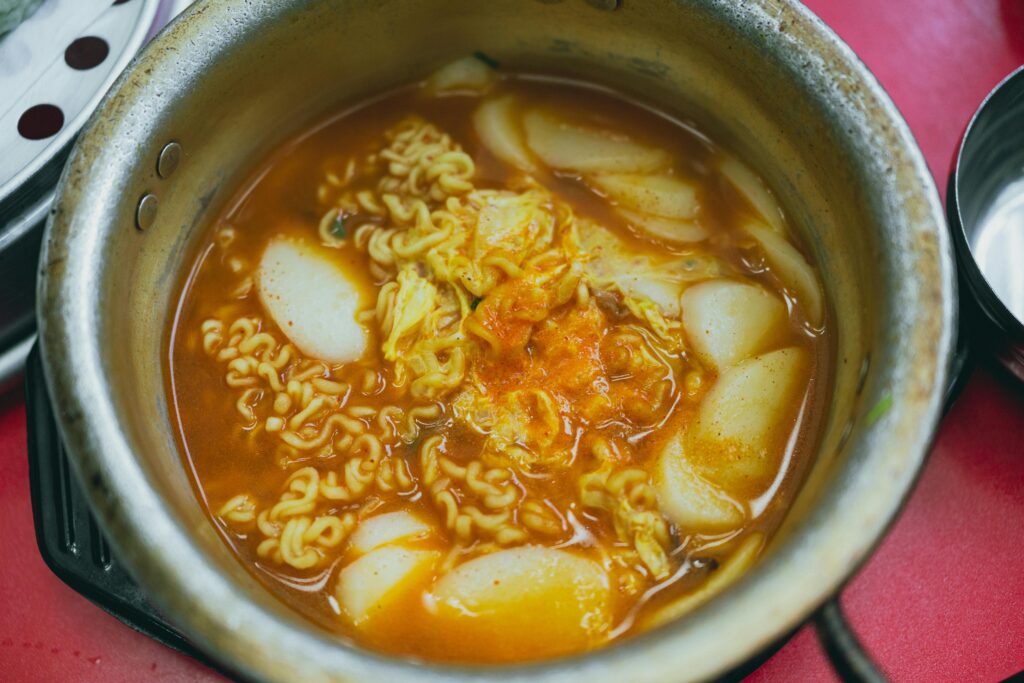
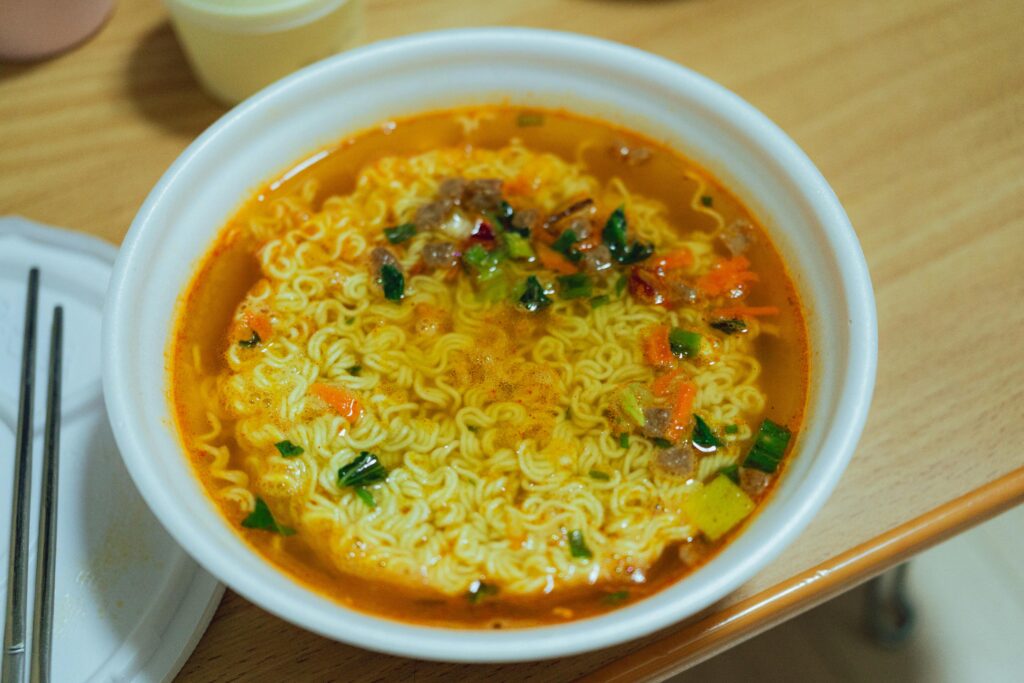
    While waiting for your chicken, head to the nearest convenience store in the park. You can buy a special foil bowl of instant ramen and cook it on an automatic ramen cooker. It only takes 3 minutes and tastes 100 times better outdoors!

    4. Rent a Picnic Set

    Don’t have a mat? No problem. Near the subway exits of major Han River parks, there are many rental shops. For about $10-$15, you can rent a full set including a mat, a small table, and even a portable battery or Bluetooth speaker.


    💡 Pro Tip for Travelers:

    • Trash: Please clean up your area before you leave. There are large designated trash disposal areas near the delivery zones.
    • Apps: Use Coupang Eats or Baemin. Some apps allow you to pay by card directly in the app, so you don’t need to worry about cash.

    What’s your favorite picnic food? Would you try the spicy Korean chicken or the original crispy one? Let me know in the comments!

  • 3 Legendary Korean Convenience Store Food Combinations (K-Convini Hacks)

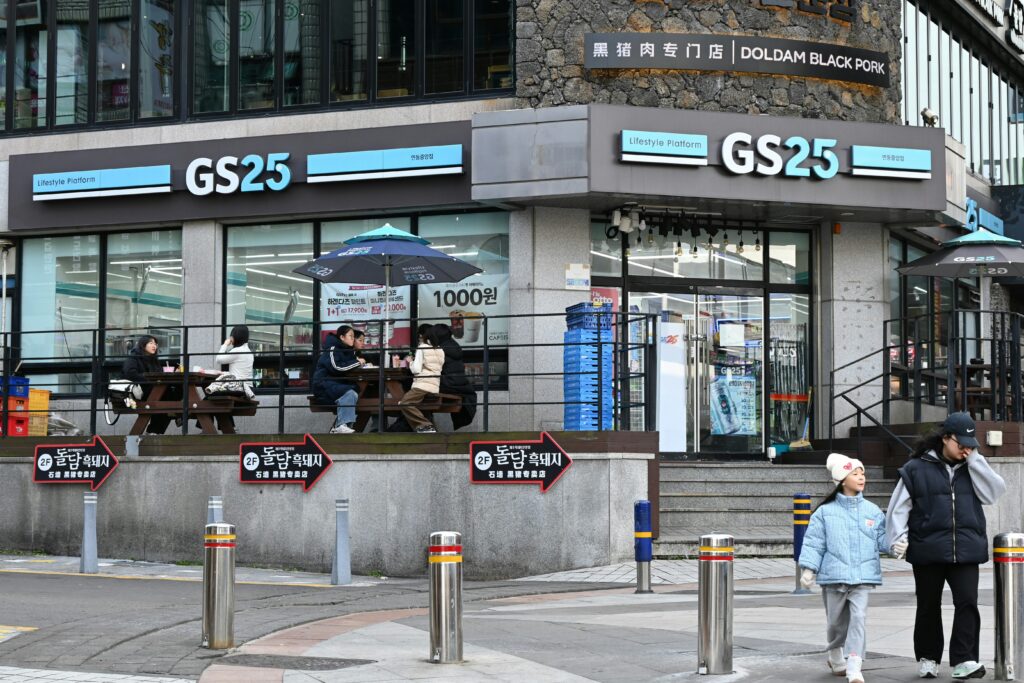
    If you’re in Korea, the convenience store (CU, GS25, 7-Eleven) is not just a shop—it’s a 5-star restaurant for foodies! Locals have created “Legendary Hacks” by mixing different products.

    Here are the top 3 food combinations that international travelers absolutely fall in love with.


    1. The “Mark-jeongsik” (Tteokbokki + Spaghetti Ramen)

    This is the most famous hack in Korea. You mix a cup of instant Tteokbokki with a cup of instant Spaghetti ramen, then top it with string cheese and a sausage. It’s sweet, spicy, and incredibly cheesy!

    • How to make: Cook both, mix them in the larger bowl, add cheese, and microwave for 30 seconds.

    2. The Ice Cup & Pouch Drink (The $2 Cafe)

    On a hot day, you’ll see everyone carrying a clear cup with ice. You buy a 700-won ice cup and a 1,200-won drink pouch (like Peach Tea or Blue Lemonade). It tastes just like a cafe drink but costs less than $2!

    • Tip: Try mixing Hazelnut coffee with a chocolate milk pouch for a delicious Mocha.

    3. Samgak Gimbap + Cup Ramen (The Classic)

    Never eat cup ramen alone! After finishing the noodles, Koreans drop a Samgak Gimbap (Triangular Rice Ball) into the remaining soup. The tuna-mayo or spicy pork filling mixes with the broth to create a whole new meal.


    💡 Pro Tip for Travelers:

    Most convenience stores have a dedicated area with hot water and microwaves. Don’t be shy! You can cook and eat right there. Also, look for “1+1” or “2+1” signs to get extra snacks for free.

    Which of these combinations would you try first? Let me know your favorite convenience store snack in the comments!

  • 5 Expert Tips for Navigating the Korean Subway Like a Pro

    The Seoul subway system is amazing, but with over 20 lines, it can be overwhelming for first-time visitors. Don’t worry!

    Here are 5 expert tips to help you navigate the Korean subway like a local.


    1. Get a T-money Card Immediately

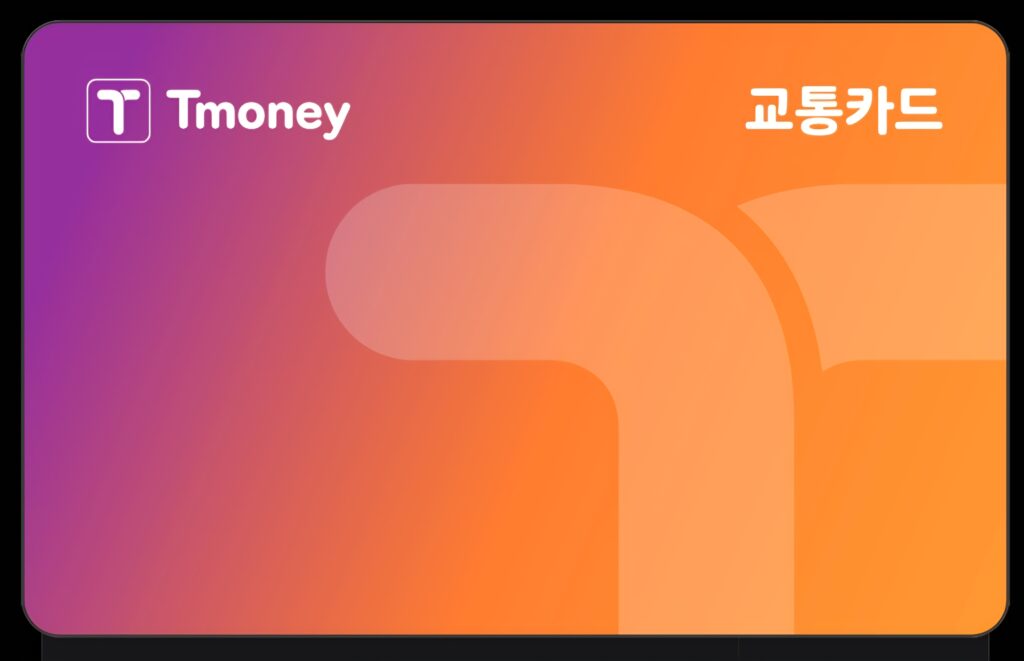
    You can buy a T-money card at any convenience store or subway station. It’s not just for subways; you can use it for buses and even taxis. Plus, it gives you a discount on transfers!

    2. Download the “Subway Korea” App

    While Naver Map is great, the “Subway Korea” app is specialized for trains. It tells you the exact time of the next train, which car is closest to the exit, and even the fastest route for transfers.

    3. Look for the Floor Numbers

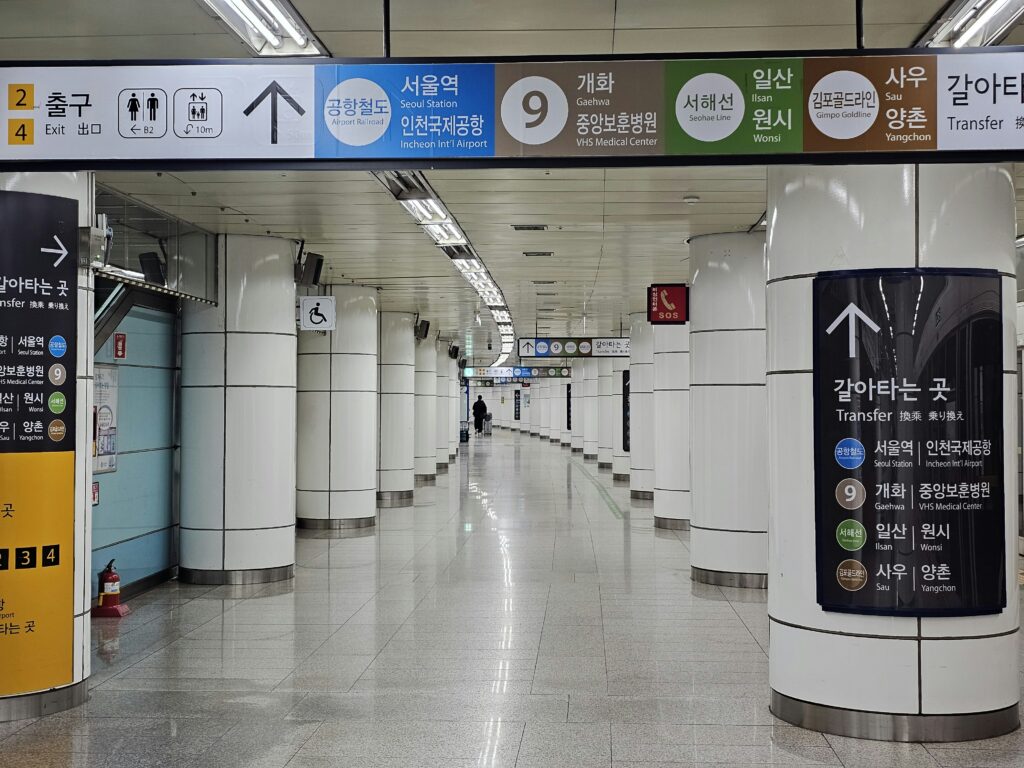
    On the subway platform, look at the numbers on the floor (e.g., 5-2). The app will tell you that “5-2” is the fastest door for your next transfer. It saves you a lot of walking in big stations like Hongdae or Seoul Station.

    4. Use the Station Lockers

    If you have heavy bags, look for the “T-Locker”. These are digital lockers available at most stations. You can pay with your T-money card or credit card. It’s the best way to explore the city hands-free!

    5. Respect the Priority Seats

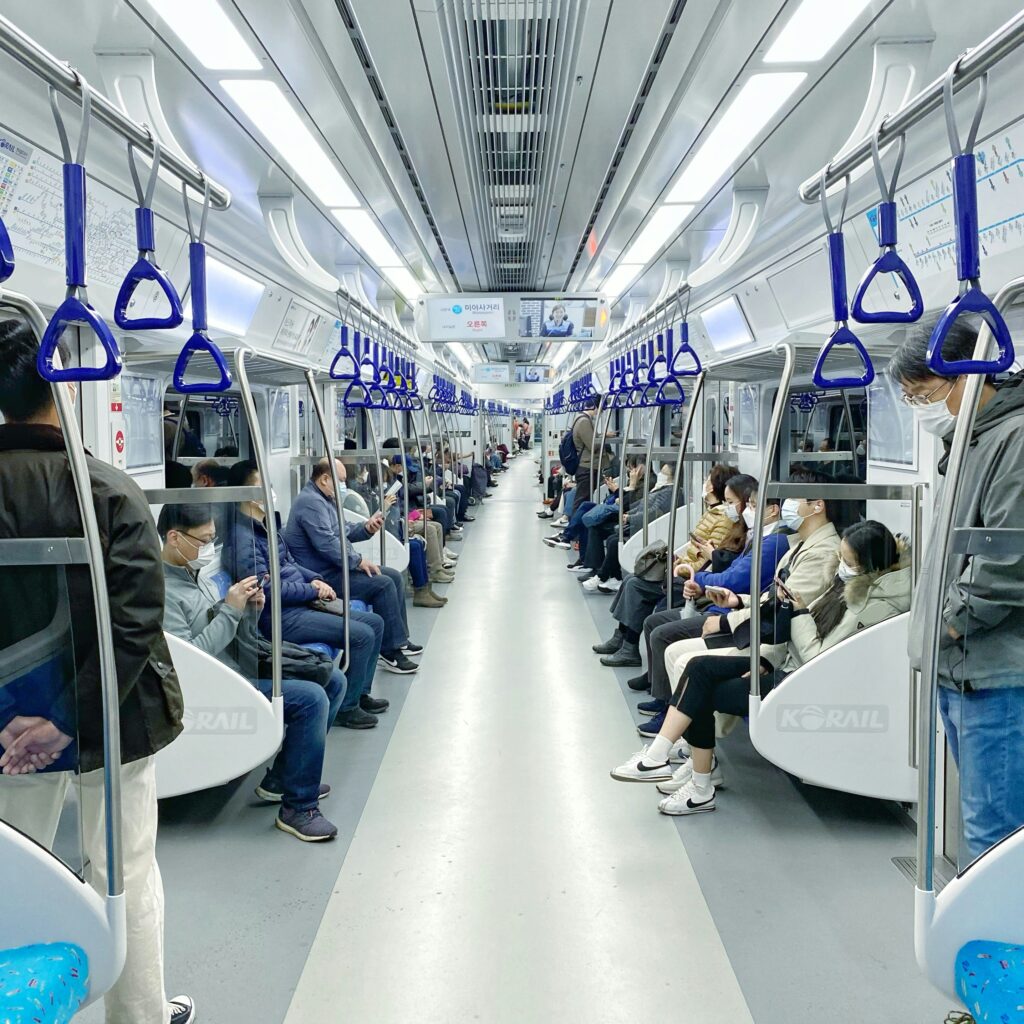
    In Korea, the seats at the ends of each car are strictly reserved for the elderly, disabled, and pregnant women. Even if the train is crowded, people usually leave these seats empty. Also, look out for the pink seats—these are specifically for pregnant travelers.


    What is the most confusing part about the subway in your country? I’d love to hear your stories!

  • How to Use Free Wi-Fi Everywhere in South Korea: A Tourist Guide

    South Korea is one of the most connected countries in the world. For travelers, staying connected is essential, and the good news is that you can find free Wi-Fi almost everywhere in Korea.

    Here is how you can stay online without spending a penny on data!


    1. Public Wi-Fi in Subways and Buses

    Did you know that Korean subways and buses offer free Wi-Fi? Look for network names like “Public WiFi Free” or “Seoul_WiFi”. While it might be a bit slower during rush hour, it’s perfect for checking maps or sending messages while on the move.

    2. The “Receipt” Secret in Cafes

    Almost every cafe in Korea, from Starbucks to small local shops, provides high-speed Wi-Fi for customers.
    Pro Tip: If you can’t find the password, check your receipt or look for a small sign near the pickup counter. It’s usually written there!

    3. Public WiFi Korea (Government Service)

    In major tourist areas like Myeongdong, Gangnam, or ancient palaces, the government provides free public Wi-Fi. Just look for the red and blue “Public WiFi” logo. It’s a lifesaver when you’re lost in the middle of the city.

    4. Convenience Stores and Department Stores

    Major convenience stores (CU, GS25) and large department stores like Lotte or Shinsegae also have their own free Wi-Fi zones. You don’t even need to buy anything to catch a quick signal in some cases.

    5. Is it Safe?

    While Korea’s public Wi-Fi is generally safe, avoid accessing your bank account or entering sensitive passwords on open networks. Using a VPN is always a smart idea for extra security.


    Do you think your country has better Wi-Fi than Korea? Let me know your experience in the comments!

  • A Guide to Korea’s Vibrant Street Food and Night Markets

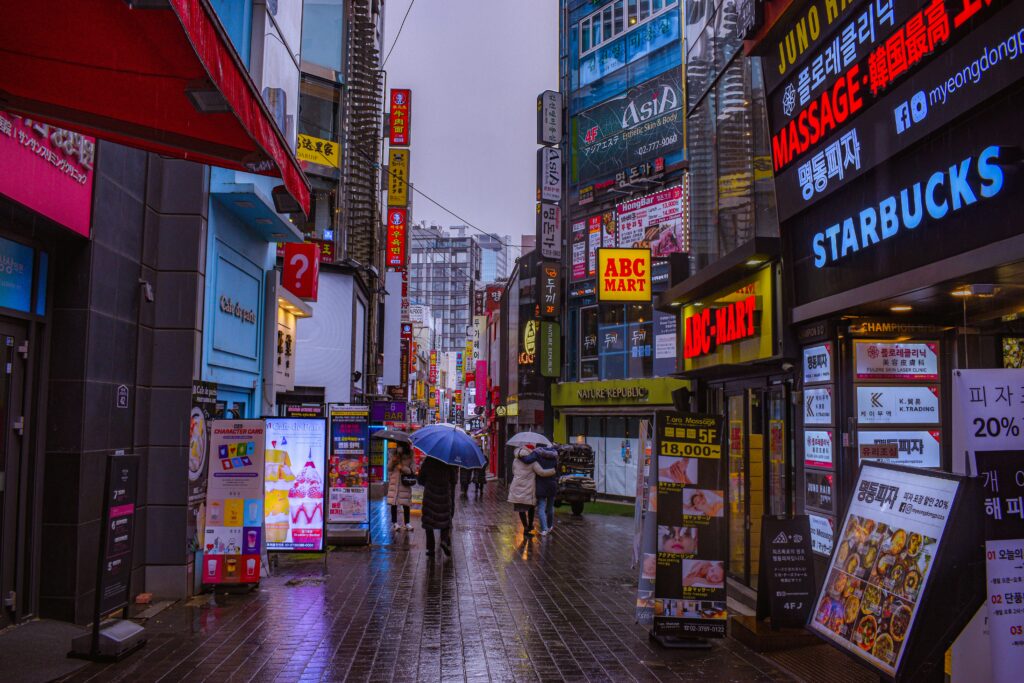
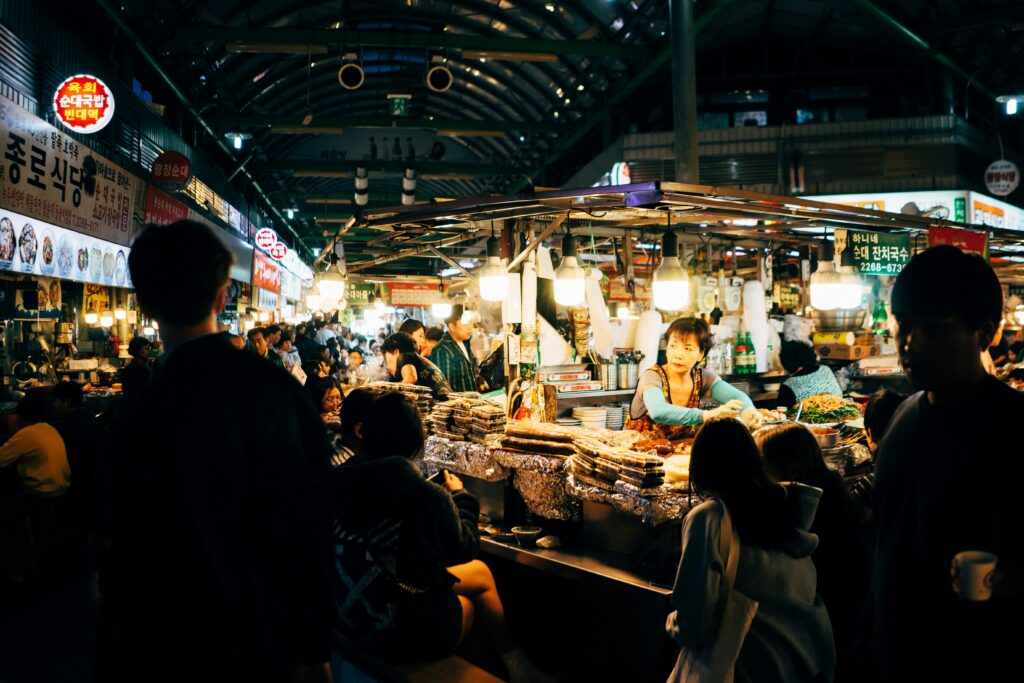
    One of the best ways to experience true Korean culture is through its street food. When the sun goes down, the streets of Seoul transform into a giant outdoor kitchen filled with delicious smells and neon lights.

    If you’re visiting Korea, here are the must-try street foods you’ll find at every night market!


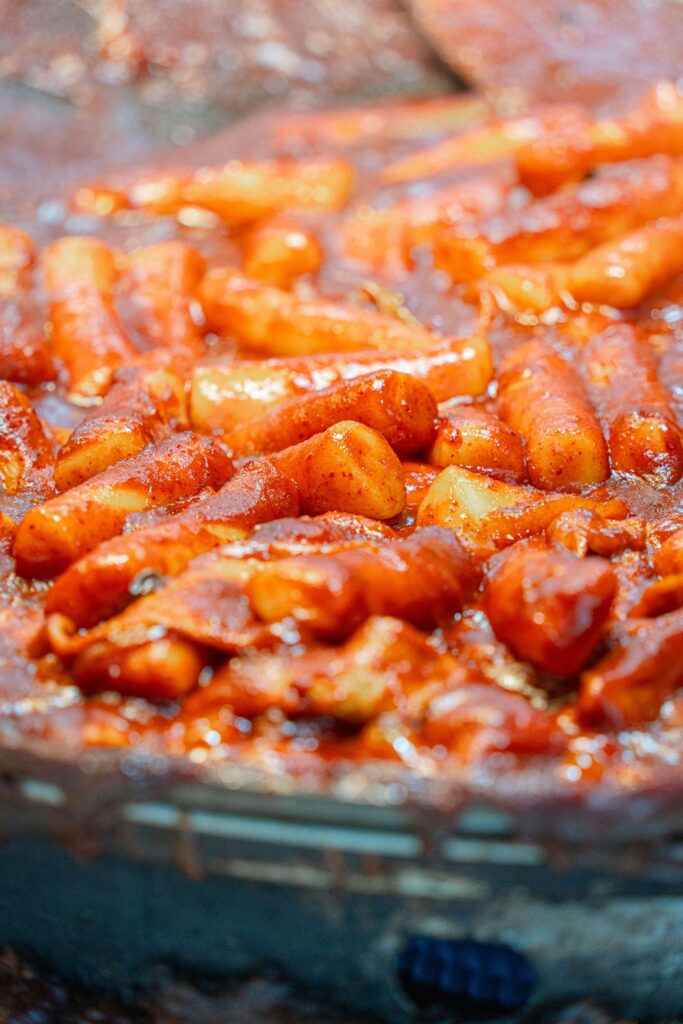
    1. Tteokbokki and Eomuk (Spicy Rice Cakes & Fish Cakes)

    This is the ultimate street food duo. Tteokbokki is chewy rice cakes in a sweet and spicy red sauce. Pair it with a cup of hot Eomuk (fish cake) broth, which is usually free when you buy a stick of fish cake. It’s the perfect snack to warm you up!

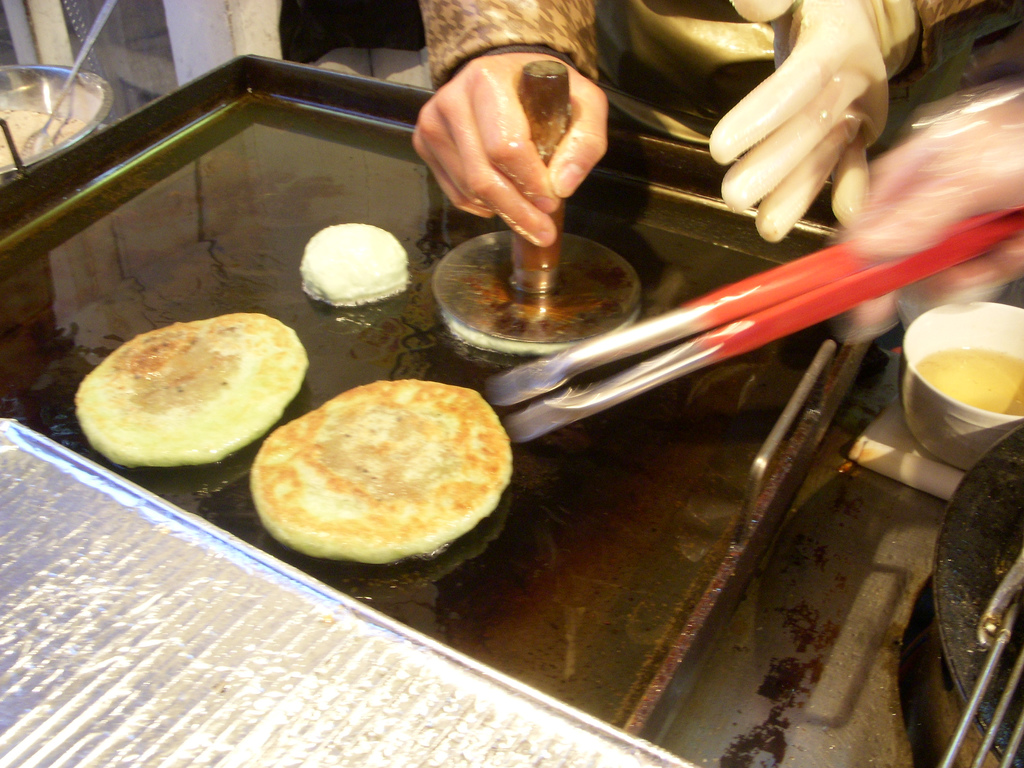
    2. Hotteok: The Sweet Dessert Pancake

    If you have a sweet tooth, you must find a Hotteok stand. It’s a pan-fried pancake filled with melted brown sugar, cinnamon, and sometimes nuts. Be careful—the filling is very hot, but it’s absolutely worth it!

    3. Gwangjang Market: The Heaven of Mung Bean Pancakes

    For a more traditional experience, head to Gwangjang Market. It’s famous for Bindaetteok (mung bean pancakes) fried in huge pans. Watching the vendors grind the beans on a stone mill is part of the fun!

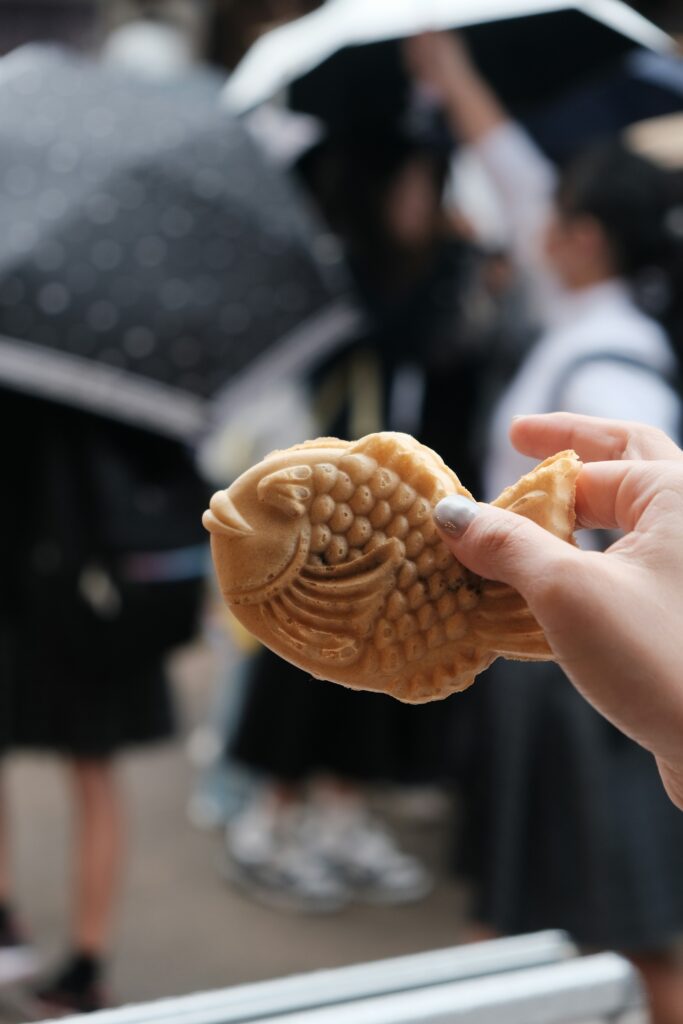
    4. Creative Snacks: Tornado Potatoes and Egg Bread

    Korean street food is also very creative. Try the Tornado Potato (a whole potato spiral-cut on a stick) or Gyeran-ppang (sweet egg bread). They are not only delicious but also very “Instagrammable.”

    5. Cash or Card?

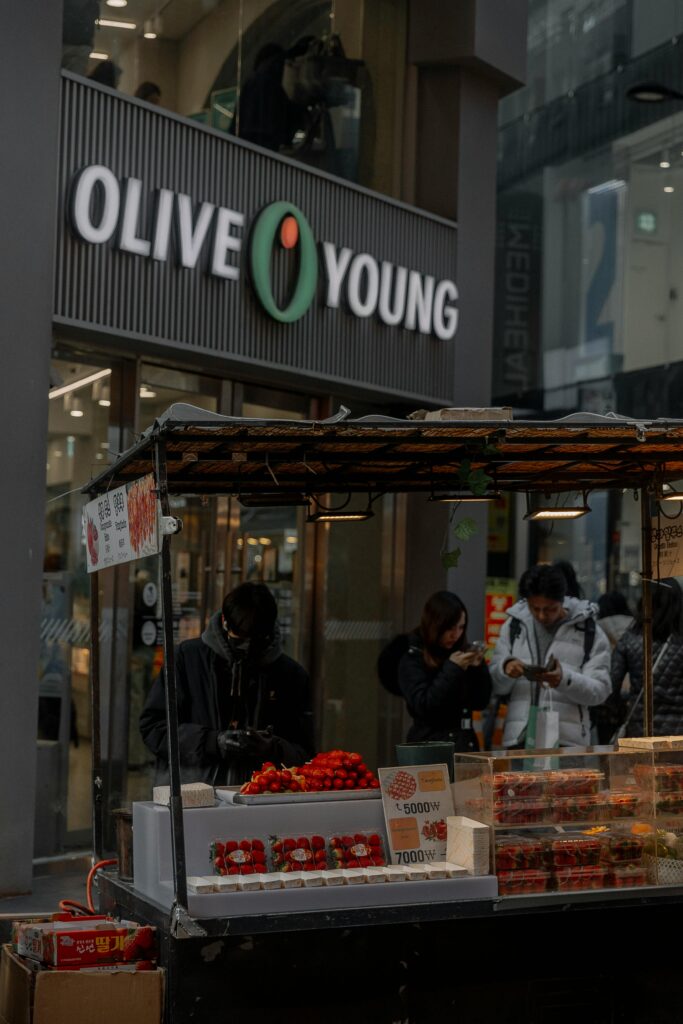
    While many stalls in big areas like Myeongdong now accept cards, many traditional market vendors still prefer cash or bank transfers. It’s always a good idea to keep some small bills (1,000 to 5,000 KRW) in your pocket!


    Which of these street foods would you try first? Have you ever visited a Korean night market? Let me know in the comments!

  • 5 Essential Apps for Every Traveler in South Korea

    #


    Traveling in South Korea is a futuristic experience, but to navigate it like a local, you need the right tools on your phone. Since Google Maps doesn’t work perfectly here, you’ll need these specialized apps.

    Here are the top 5 apps that will make your Korean trip smooth and stress-free!


    ### 1. Naver Map (The Must-Have)
    Forget Google Maps. In Korea, **Naver Map** is king. It provides the most accurate walking directions, real-time bus arrivals, and even tells you which subway exit is closest to your destination. It supports English, so it’s a lifesaver!

    [I wrote a detailed comparison between Naver Map and Google Maps here]


    ### 2. Kakao T (For Taxi & Transport)
    Need a taxi at 2 AM? **Kakao T** is the Korean version of Uber. You can call a taxi to your exact location, see the estimated fare, and track the driver in real-time. It’s safe, fast, and very reliable.


    ### 3. Coupang Eats (For Foodies)
    Want to experience the famous Korean delivery culture we mentioned in my other post? **Coupang Eats** is very foreigner-friendly with a clear English interface. You can order everything from fried chicken to premium desserts right to your hotel.


    ### 4. Papago (The Best Translator)
    Communication is key! **Papago** is much better at translating natural Korean sentences than other apps. It even has a camera feature that lets you translate menus or street signs instantly.

    ### 5. Visit Korea (Official Guide)
    This is the official app by the Korea Tourism Organization. It offers curated travel guides, discount coupons for major attractions, and essential info on festivals happening during your stay.


    ### 💡 Pro Tip for Travelers:
    Most of these apps require a stable internet connection. I highly recommend getting a **Korean SIM card** or a **Pocket Wi-Fi** at the airport as soon as you arrive!

    **Which of these apps have you tried? Or is there another app that saved your trip? Let me know in the comments!**

  • 3 Things That Surprize Foreigners About Korean Cafe Culture

    #


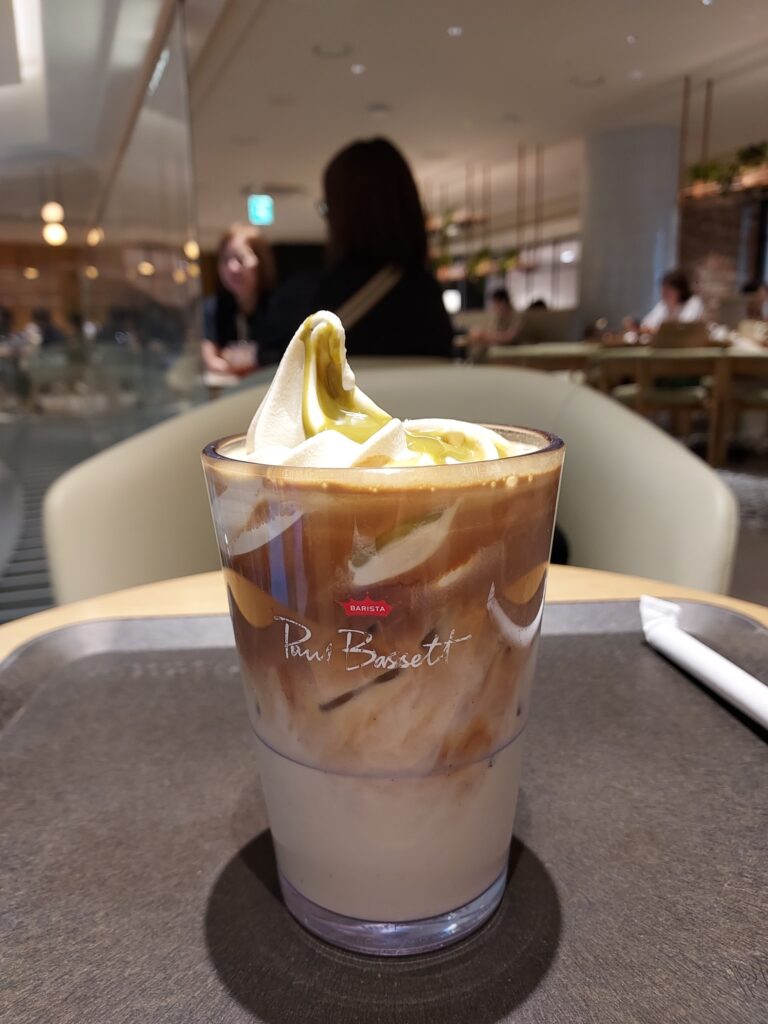
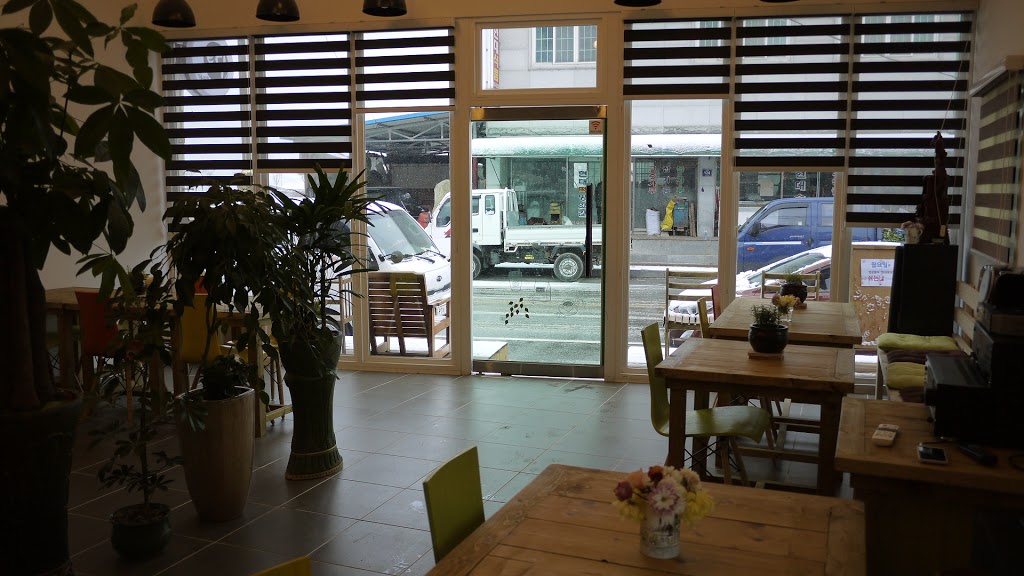
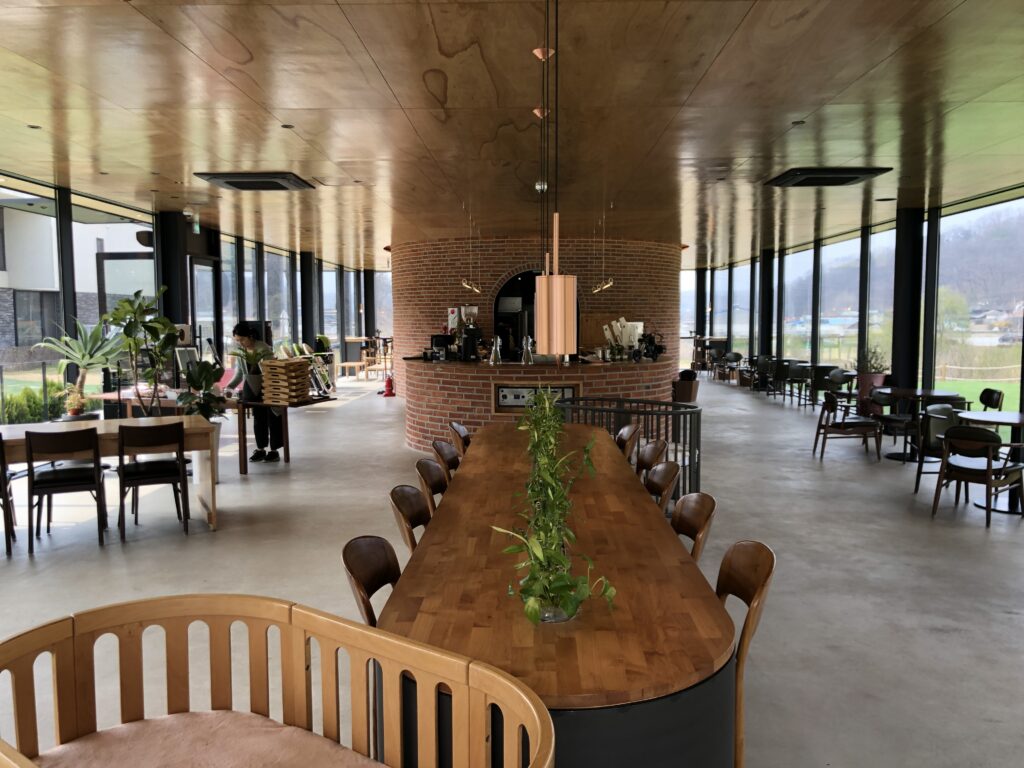
    South Korea has more cafes per capita than almost anywhere else in the world. But it’s not just about the coffee—it’s about the unique culture and services that come with it.

    Here’s what makes Korean cafes so special to international visitors.


    ### 1. The “Safety” Factor: Leaving Your Laptop
    Many foreigners are shocked to see people leaving their expensive laptops, iPhones, and wallets on the table while they go to the restroom or order more food. In Korea, it’s a common unspoken rule that nobody touches your stuff. It shows the high level of public safety in the country.


    ### 2. High-Speed Internet and Power Outlets Everywhere
    Korean cafes are like free co-working spaces. Most cafes offer blazing-fast free Wi-Fi and have power outlets at almost every seat. This makes them a paradise for digital nomads and students.


    ### 3. Incredible Dessert Aesthetics
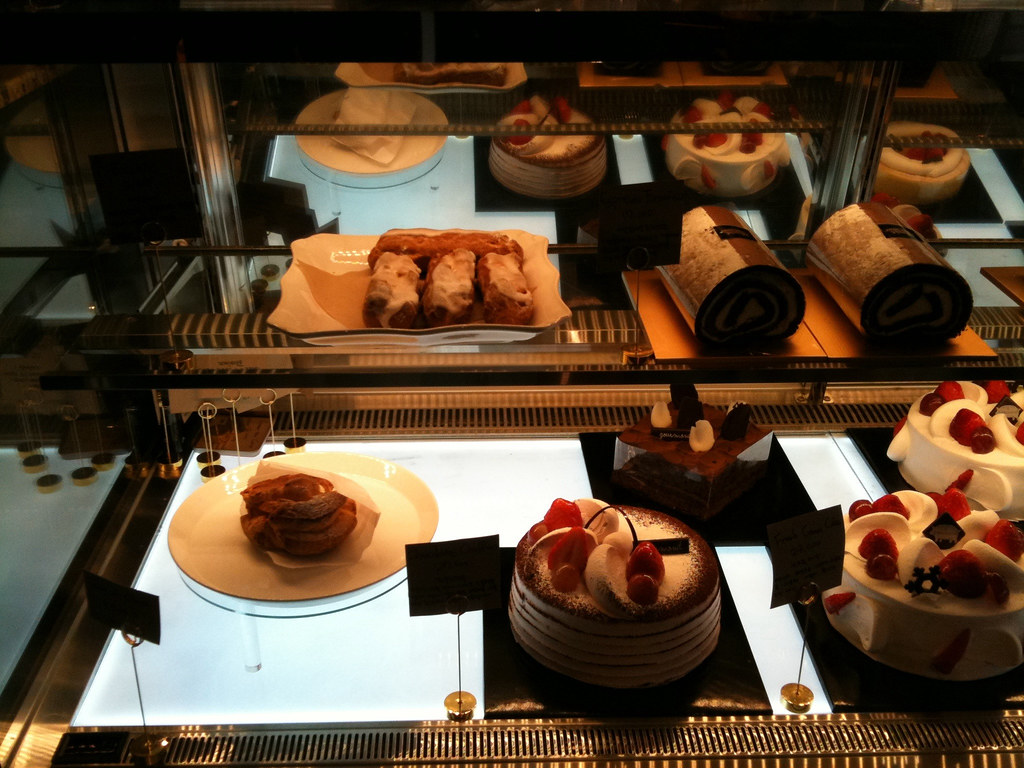
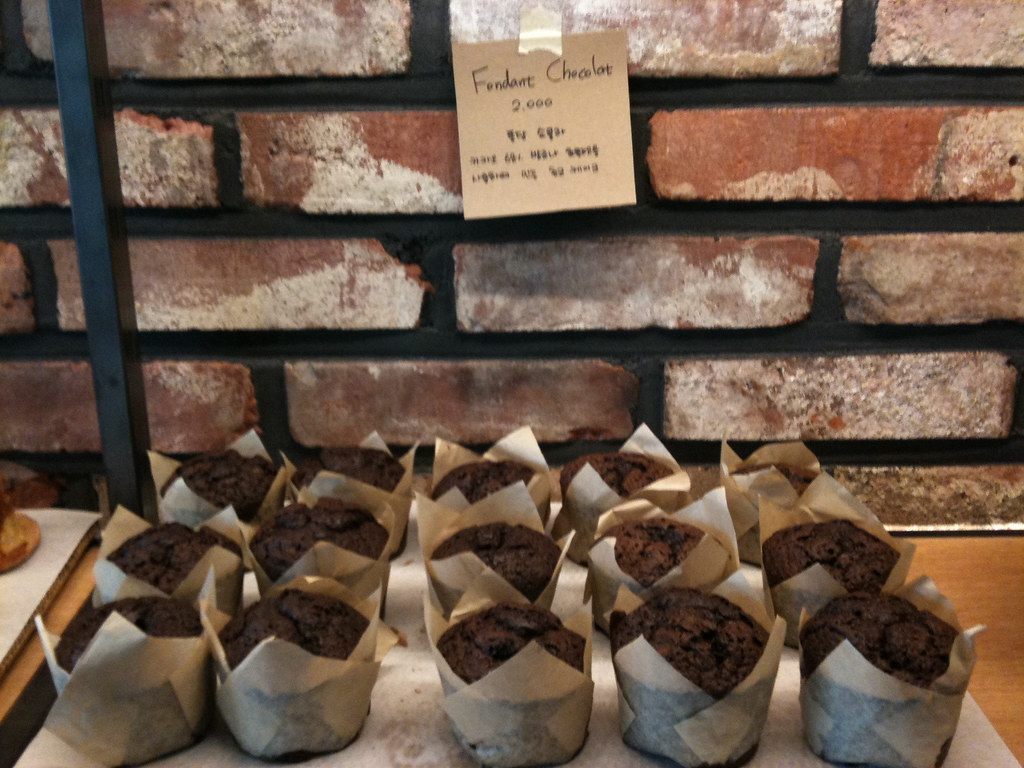
    In Korea, we eat with our eyes first. The desserts—from “Croffles” (croissant waffles) to intricately decorated cakes—are incredibly “Instagrammable.” Each cafe often has its own signature dessert that looks more like a piece of art than food.


    **💡 Pro Tip:**
    Don’t forget to look for the **”Wi-Fi Password”** on your receipt or on the wall near the counter. Also, many cafes have their own private restrooms inside, which are usually very clean!

    **Would you feel comfortable leaving your phone on a cafe table in your country? I’d love to hear your thoughts!**

  • 5 Must-Have Items to Buy at Korean Daiso for Under $5

    If you’re looking for affordable yet high-quality souvenirs in Korea, look no further than **Daiso**. Unlike in other countries, Korean Daiso is a treasure trove of trendy, practical, and incredibly cheap items.

    Here are 5 things you should grab before you leave!


    ### 1. Character Stationery & Goods
    Korean Daiso is famous for its collaborations with characters like Disney, Hello Kitty, and their own “Bear Friend” series. You can find stickers, pens, and pouches for just $1–$2. They make perfect small gifts for friends.

    ### 2. Korean Beauty Tools
    Did you know many professional makeup artists use Daiso’s makeup puffs and brushes? Their “Puff Stand” and “Brush Cleanser” are legendary among beauty lovers for being high quality despite the low price.

    ### 3. Traditional Patterned Souvenirs
    Look for the “Korea Series” section. You can find bookmarks, tumblers, and pouches featuring beautiful traditional Korean patterns or Hangeul (the Korean alphabet). It’s the smartest way to buy souvenirs on a budget.

    ### 4. Kitchen “Idea” Gadgets
    From garlic presses to specialized cleaning sponges, the kitchen aisle is full of clever gadgets you didn’t know you needed. Everything is usually between $1 and $3.

    ### 5. High-Quality Towels and Pouches
    The fabric quality at Korean Daiso is surprisingly good. Their microfiber towels and travel pouches are durable and come in various trendy colors.


    **💡 Tip for Travelers:**
    The Daiso branches in **Myeongdong** and **Hongdae** are multi-story buildings and have the widest selection of goods. Happy shopping!

    **What is the best thing you’ve ever bought for just $1? Let me know in the comments!**