Category: Korean Culture

  • First Impressions: 3 Secrets to a Modern and Organized Korean-Style Entryway

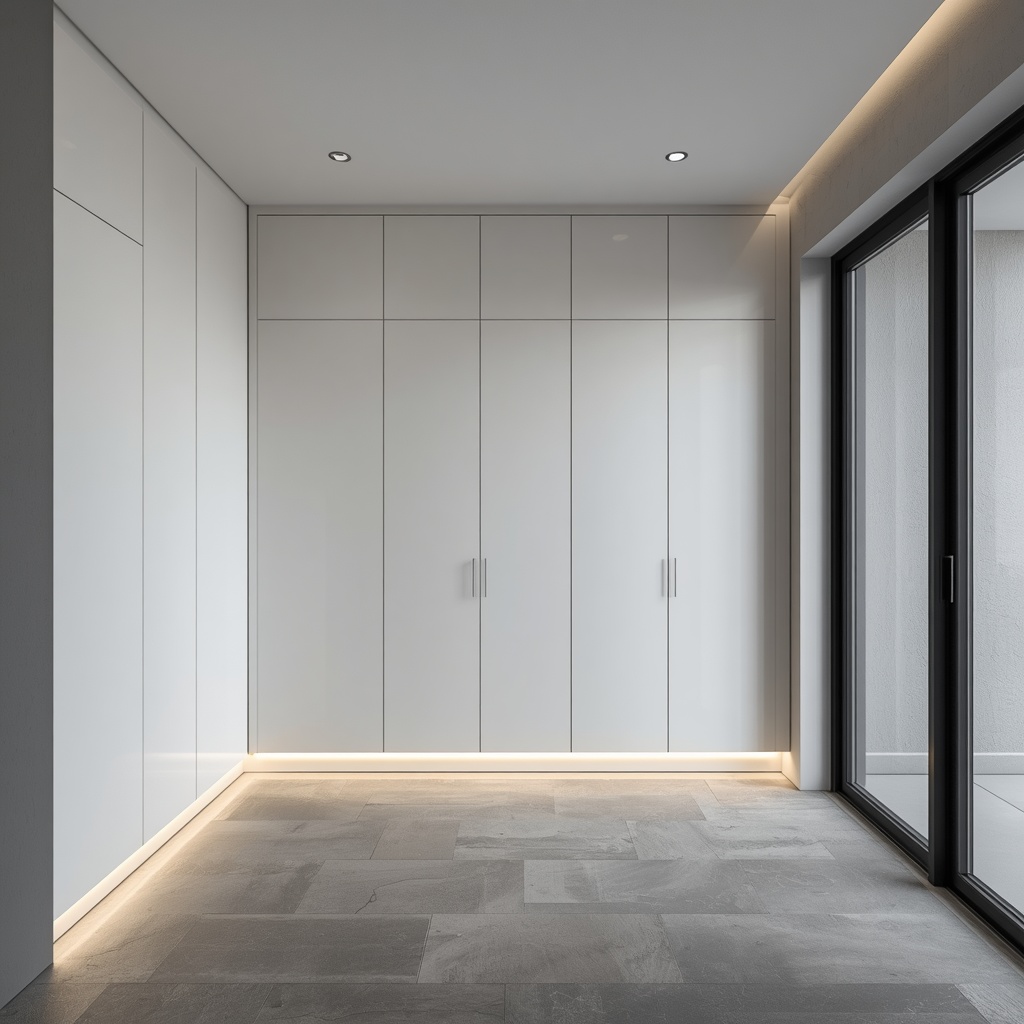
    In South Korea, the entryway is more than just a place to take off your shoes; it’s a transition zone that keeps the “outside world” away from your peaceful home. Whether you have a large foyer or a tiny hall, these K-style tips will help you create a functional and stylish entrance.


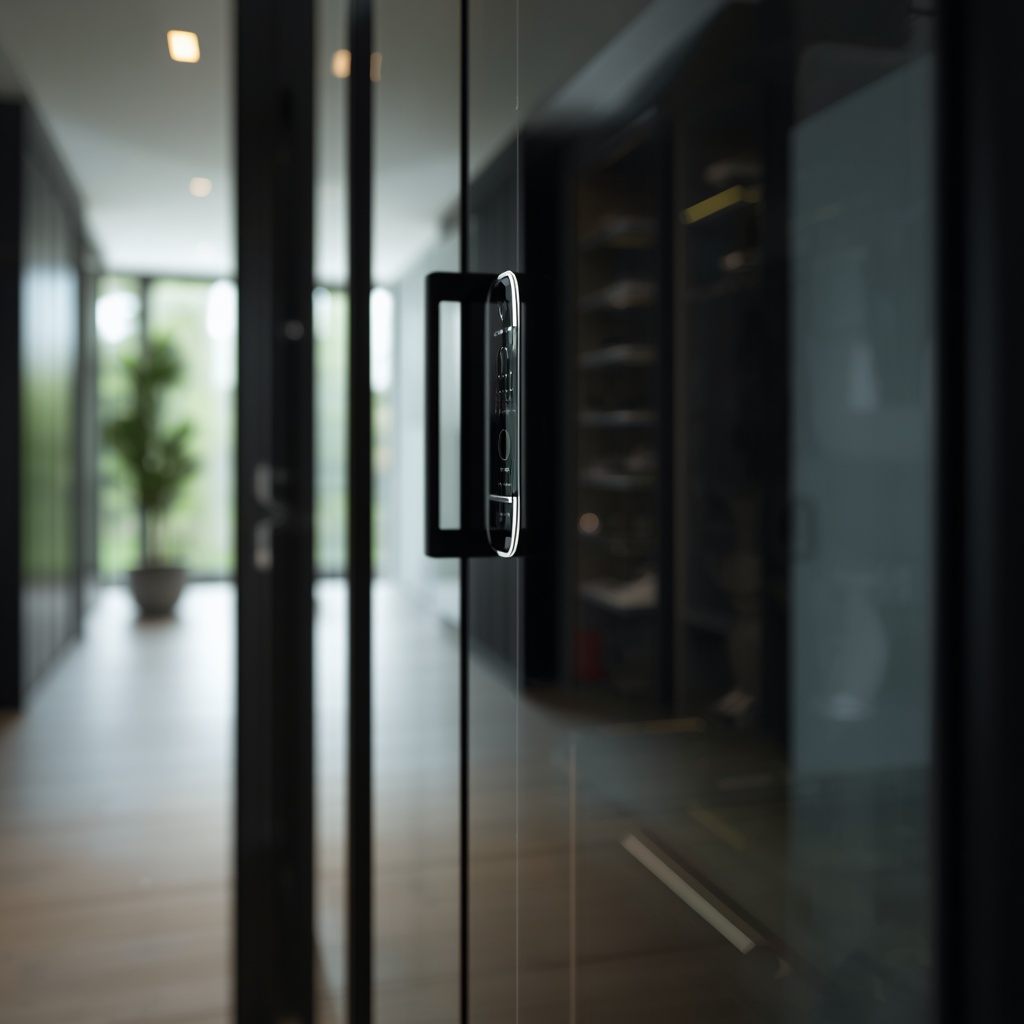
    1. The Power of the “Jung-mun” (Interior Sliding Door)

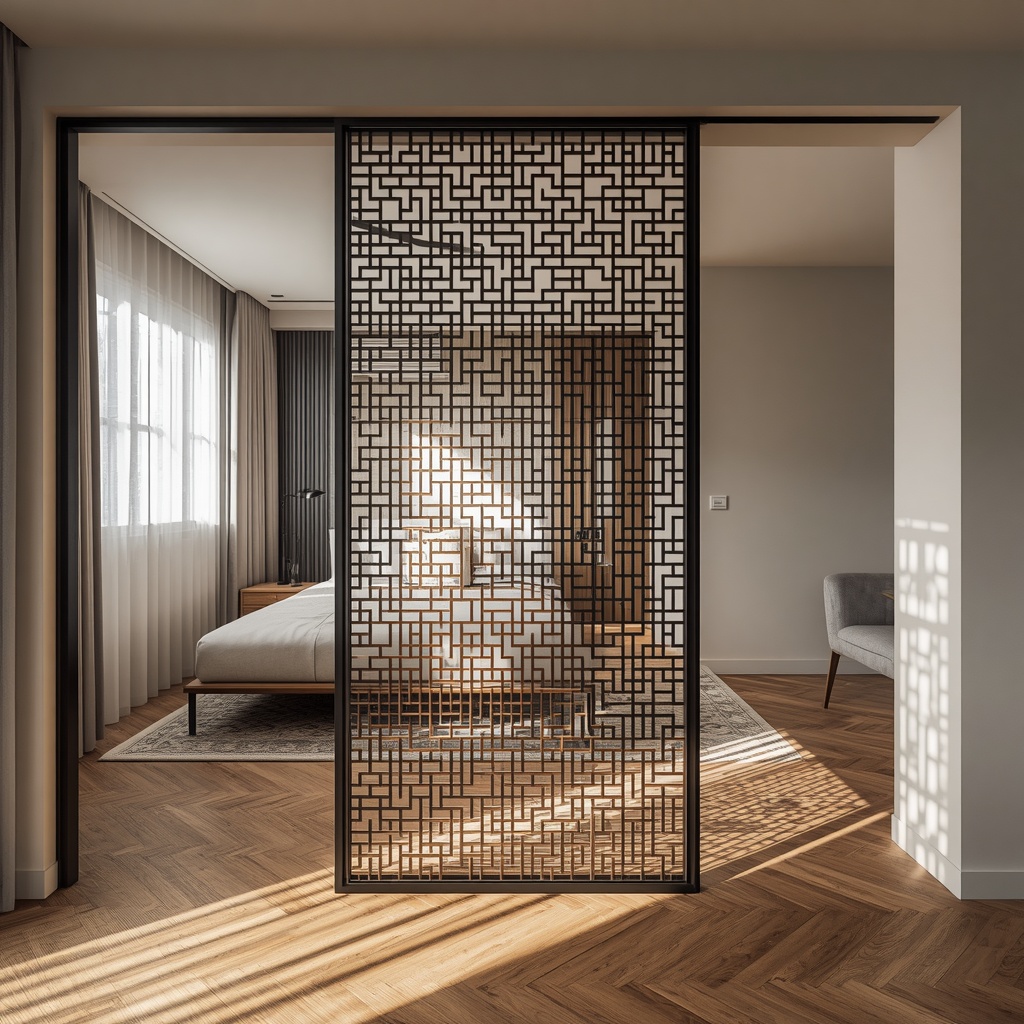
    The most unique feature of a Korean home is the Jung-mun. This interior door separates the entryway from the living space. It blocks dust, reduces noise from the hallway, and improves insulation. Plus, it looks incredibly high-end and modern!

    2. Floating Shoe Cabinets with Lighting

    To make a small entryway feel larger, Koreans use “Floating” shoe cabinets that are mounted to the wall with space underneath. Placing an LED strip light under the cabinet not only looks cool but also provides a convenient spot to tuck away the shoes you use every day.

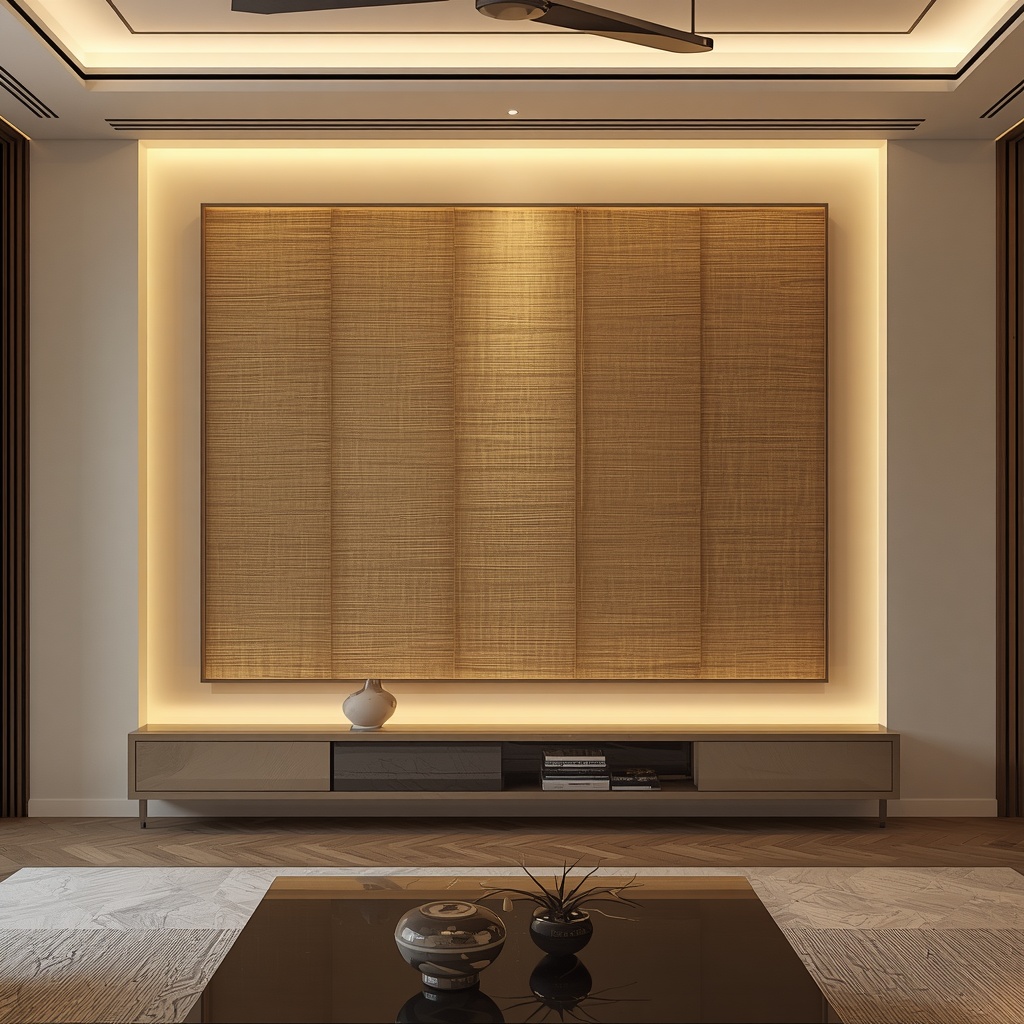
    3. Creating a “Drop Zone” for Essentials

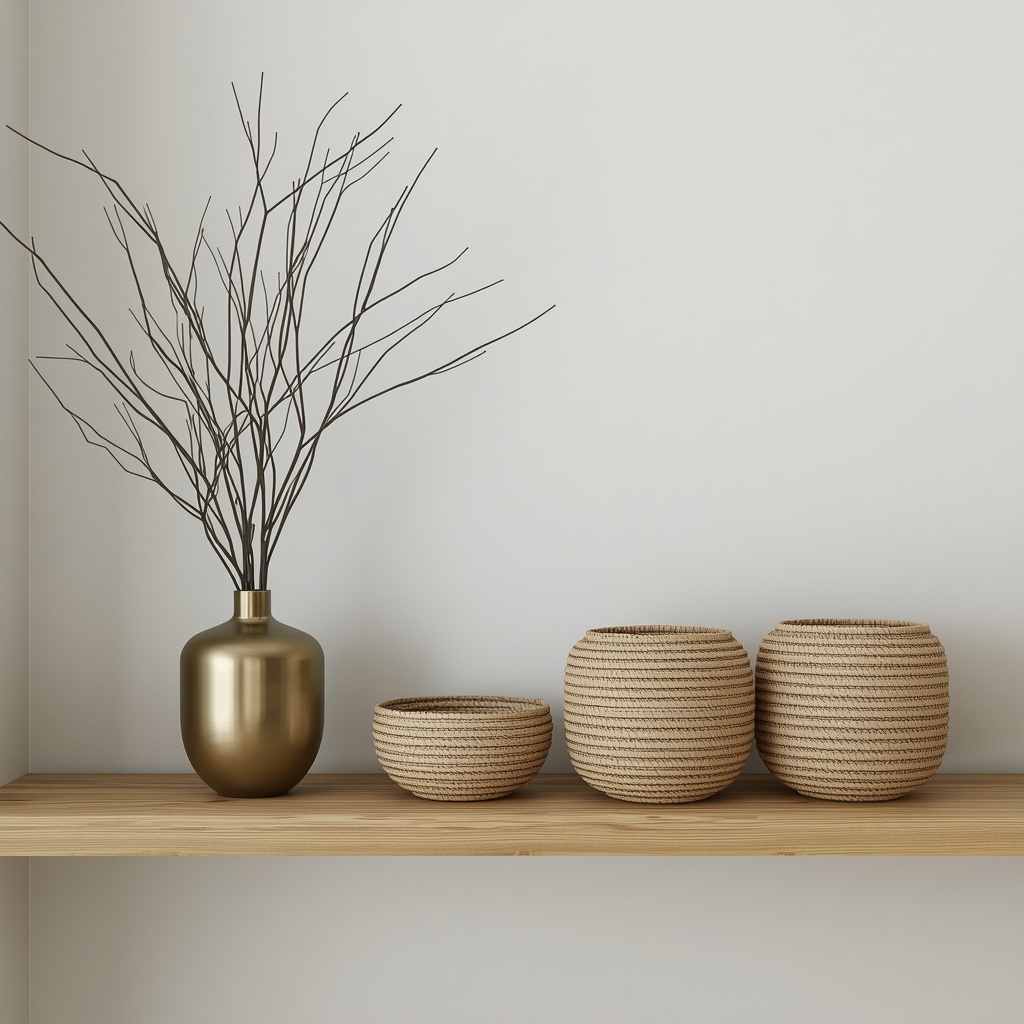
    A minimalist entryway needs a dedicated spot for keys, mail, and masks. A simple floating shelf or a slim console table with a few Zen-style decor items keeps the space from becoming a cluttered “dumping ground.”

    (If you want to see how this organization continues into the rest of the house, check out my recent post on Smart Bathroom & Laundry Storage!)


    💡 Pro Tip for Homeowners:

    Keep a small tray or basket in your entryway cabinet specifically for “Returns” or items you need to take with you the next time you leave. It’s the ultimate Korean productivity hack for a stress-free morning!

    Does your home have a dedicated entryway, or does it open straight into the living room? Share your setup in the comments!

  • Space-Saving Magic: 3 Smart Korean Storage Ideas for Small Bathrooms & Laundry Rooms

    In South Korea, where efficient living is a necessity, the bathroom and laundry room are masterpieces of organization. If you’re struggling with clutter in your small apartment, these K-style storage hacks will change your life!


    1. The Mirror Cabinet Secret

    Most Korean bathrooms feature a large sliding mirror cabinet. It doubles as a full-size mirror and hides all your toiletries, towels, and hair dryers. By keeping the counters clear, your bathroom instantly feels like a luxury spa.

    2. Vertical Laundry Organization

    Don’t let the space above your washing machine go to waste. Koreans use floor-to-ceiling shelving units to store laundry supplies and towels vertically. It keeps everything within reach while freeing up valuable floor space.

    3. Slim Sliding Racks for “Dead Zones”

    Do you have a tiny gap between your vanity and the wall? Use a slim sliding rack. These “gap fillers” are perfect for storing extra toilet paper or cleaning supplies. In K-Interior, every inch of space has a purpose!

    (If you love these organization tips, you’ll want to see how we apply them to the kitchen in my post on Minimalist Korean Kitchen Hacks!)


    💡 Pro Tip:

    Use uniform, waterproof containers for your soaps and detergents. Removing the mismatched plastic packaging creates a “visually quiet” space that reduces morning stress!

    Which part of your home is the hardest to keep organized? Share your struggles in the comments!

  • Mindful Living: How to Create a Zen Korean Tea Corner at Home

    In the middle of a busy day, taking 10 minutes to brew a cup of tea can be a powerful ritual. In Korea, tea is not just a drink; it’s a way to practice mindfulness. If you love the K-Minimalism aesthetic, a dedicated “Tea Corner” is the perfect addition to your home.

    Here are 3 tips to create your own Zen tea sanctuary.


    1. Find Your “Nook”

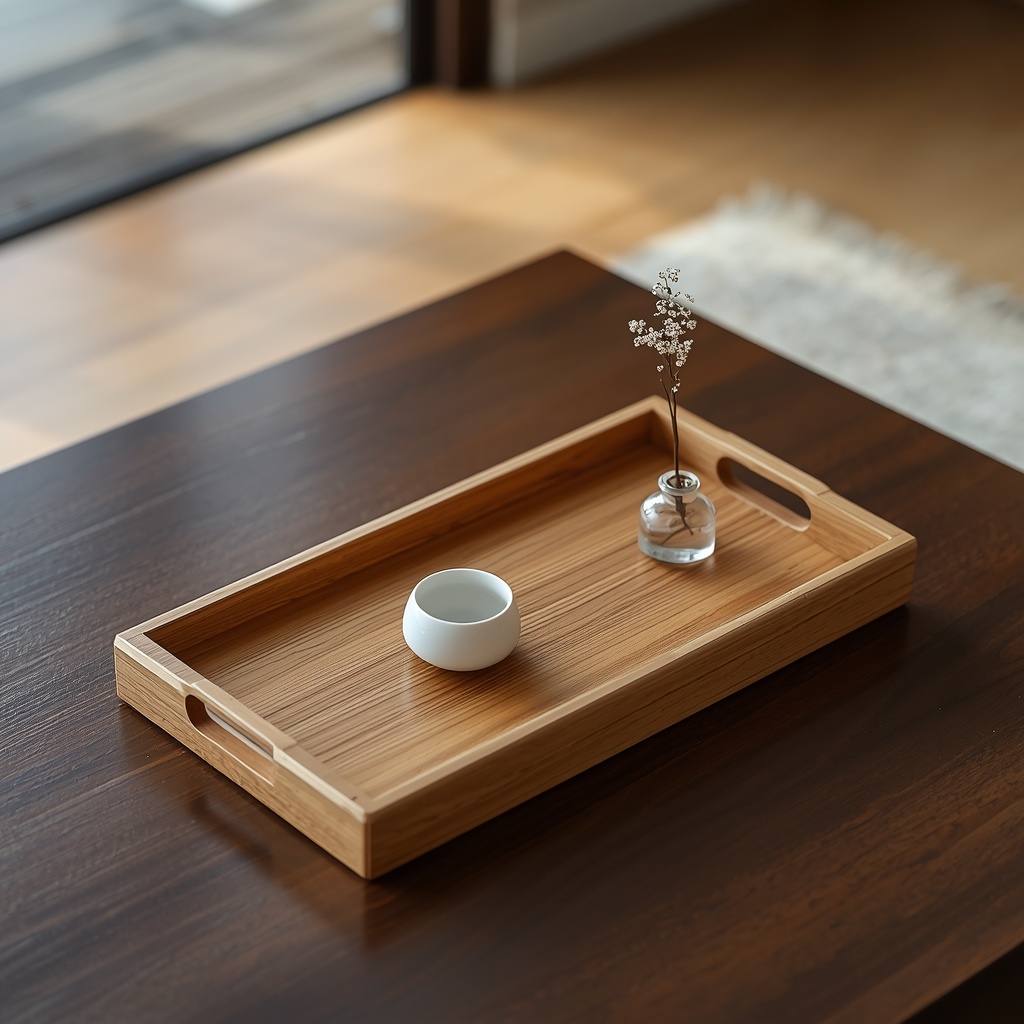
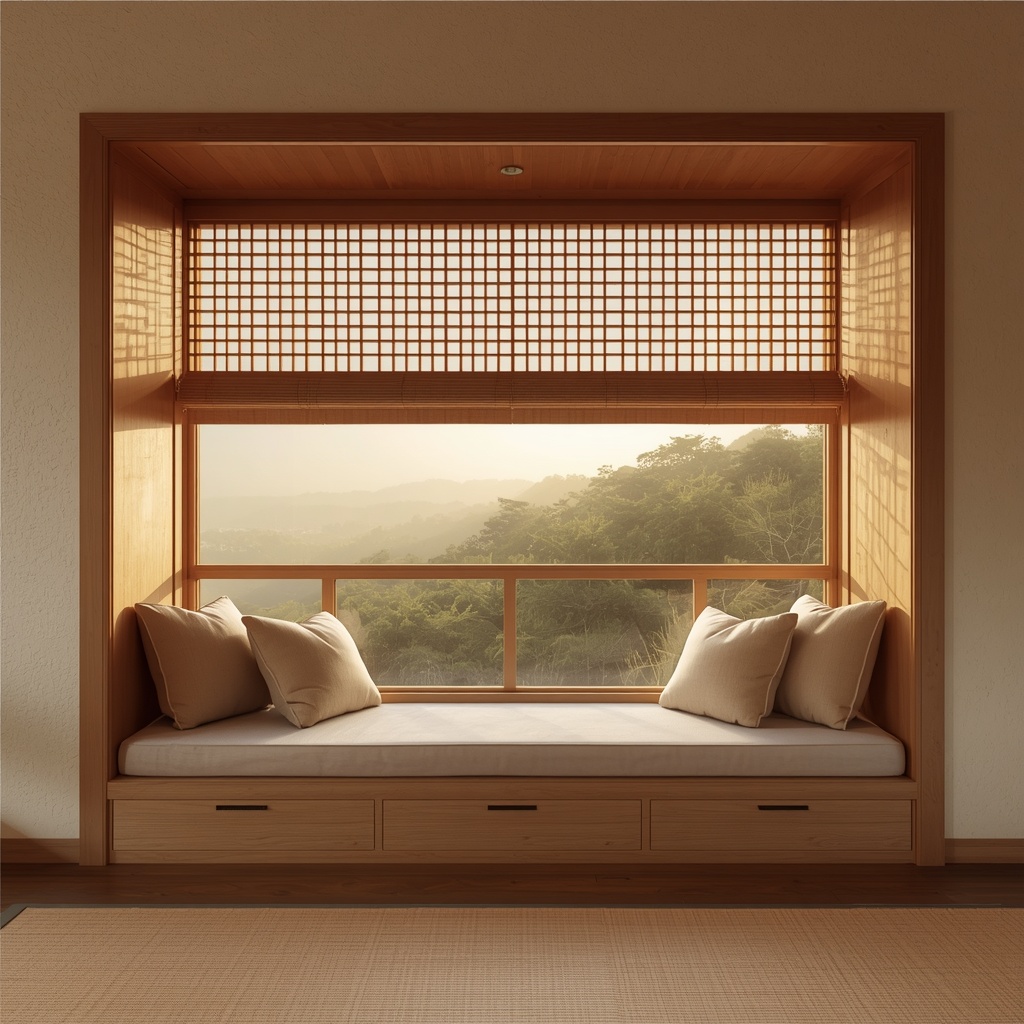
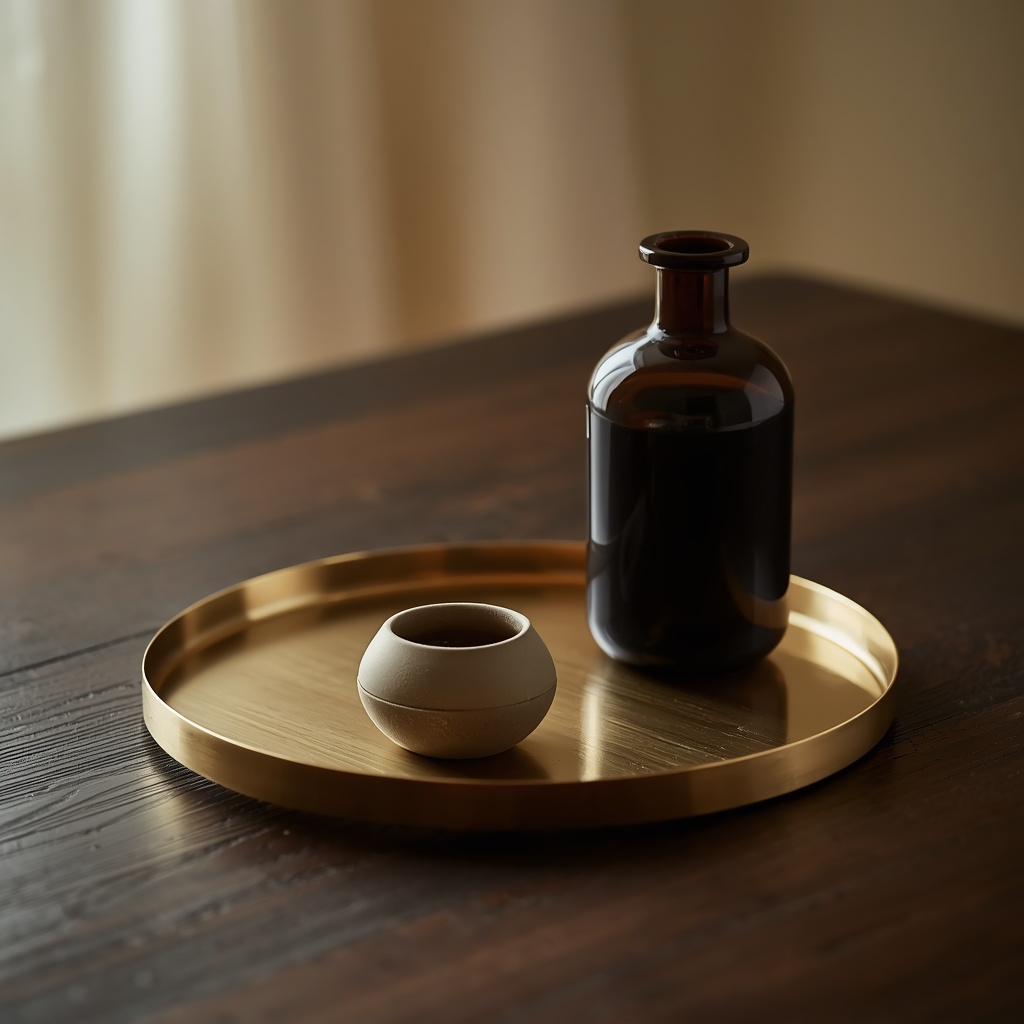
    You don’t need a whole room. A small, quiet corner near a window is perfect. Place a low wooden table (So-ban) or a simple minimalist shelf to define the space. The goal is to create a “visual boundary” that says, “This is where I relax.”

    2. Choose Earthy, Matte Ceramics

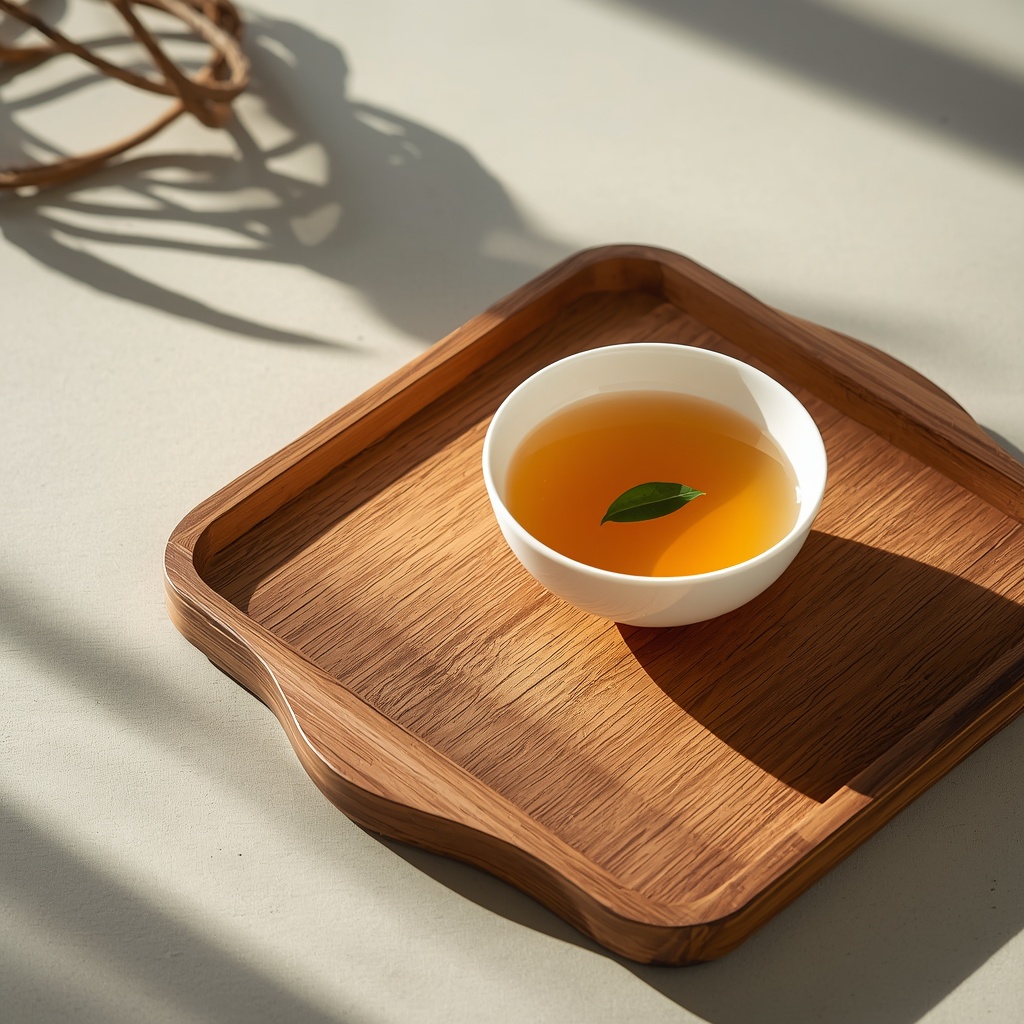
    Korean tea aesthetics focus on natural beauty. Instead of shiny, colorful mugs, look for handmade ceramic tea sets with matte finishes and earthy tones (like soft grey, beige, or pale green). The tactile feeling of the warm clay in your hands is part of the healing process.

    3. Incorporate Natural Elements

    Add a single branch in a slim vase or a small tray of smooth river stones. These tiny touches of nature help you feel more grounded. It’s the easiest way to bring the essence of a traditional Hanok garden into your modern apartment.

    (If you want to see the beautiful tables these tea sets are placed on, check out my post on Modern Korean Dining Spaces!)


    💡 Pro Tip for Tea Lovers:

    Try Korean Green Tea (Sejak) or Barley Tea (Bori-cha) for an authentic experience. The subtle, nutty flavors pair perfectly with the minimalist atmosphere you’ve created!

    Do you have a dedicated space for relaxation in your home? Let’s talk about your favorite ways to unwind in the comments!

  • K-Breakfast: 3 Healthy and Beautiful Ways Koreans Start Their Day

    Forget heavy pancakes and greasy bacon. In South Korea, breakfast is about balance, energy, and “healing” the body. If you want to glow from the inside out, these K-style breakfast ideas are perfect for your morning routine.

    Here are 3 healthy Korean breakfasts that are as beautiful as they are delicious.


    1. The Classic “Bap & Banchan” (Rice and Sides)

    A traditional Korean breakfast looks like a mini-feast. It usually includes a bowl of multigrain rice, a light soup (like seaweed soup), and 3-4 small side dishes (Banchan). It provides long-lasting energy without the “sugar crash” of Western breakfasts.

    2. Soothing “Juk” (Korean Porridge)

    On mornings when you need something gentle, Koreans turn to Juk. Made from rice and various toppings like abalone, pumpkin, or mushrooms, it’s incredibly easy to digest and very comforting. It’s the ultimate “Wellness Food” for a busy morning.

    3. Modern K-Style Brunch: Avocado Bibimbap

    If you want something trendy, try the Avocado Pollock Roe Bibimbap. It combines traditional Korean fermented flavors with healthy fats from avocado. It’s colorful, Instagrammable, and takes only 5 minutes to prepare!

    (To see the beautiful dishes these meals are served in, check out my post on Korean Minimalist Tableware!)


    💡 Pro Tip for Busy Mornings:

    Many Koreans prepare their side dishes (Banchan) over the weekend and keep them in the fridge. This way, you can set up a full, healthy breakfast in less than 5 minutes on a busy Monday morning!

    Which one would you choose: a classic rice meal or a comforting bowl of porridge? Let me know in the comments!

  • Living in the Future: 3 Amazing Unmanned Stores in South Korea

    Imagine walking into a store, picking up your items, and paying without seeing a single staff member. In South Korea, Unmanned Stores (Mu-in Jeom-po) are everywhere! From ice cream shops to cafes, these stores rely on advanced technology and a high level of social trust.

    Here are 3 unmanned spots you must visit in Korea.


    1. 24/7 Unmanned Ice Cream Shops

    These are the most common unmanned stores. They are filled with hundreds of types of ice cream and snacks at discounted prices. You simply pick what you want and scan the barcodes at the self-checkout kiosk. It’s a “paradise” for late-night snackers!

    2. Fully Automated Robot Cafes

    Need a caffeine fix at 3 AM? Head to a robot cafe. A robotic arm will grind the beans, brew your coffee, and even serve it to you with a “smile” (on its digital screen). It’s fast, consistent, and feels like a scene from a sci-fi movie.

    3. Self-Service Printing & Photo Booths

    Need to print a document or take high-quality “Life-Four-Cuts” photos? You can find unmanned printing shops and photo booths on almost every street corner. They are clean, well-maintained, and incredibly easy to use with a credit card.

    (If you’re wondering how these stores stay safe without staff, check out my post on Korean Cafe Culture and Safety!)


    💡 Why It Works in Korea:

    The success of these stores is based on Social Trust. Most shops are monitored by CCTV, but the real power comes from the culture of respecting public property. It’s a great example of how technology and civic duty work together.

    Would you feel comfortable shopping in a store with no staff in your country? Let me know in the comments!

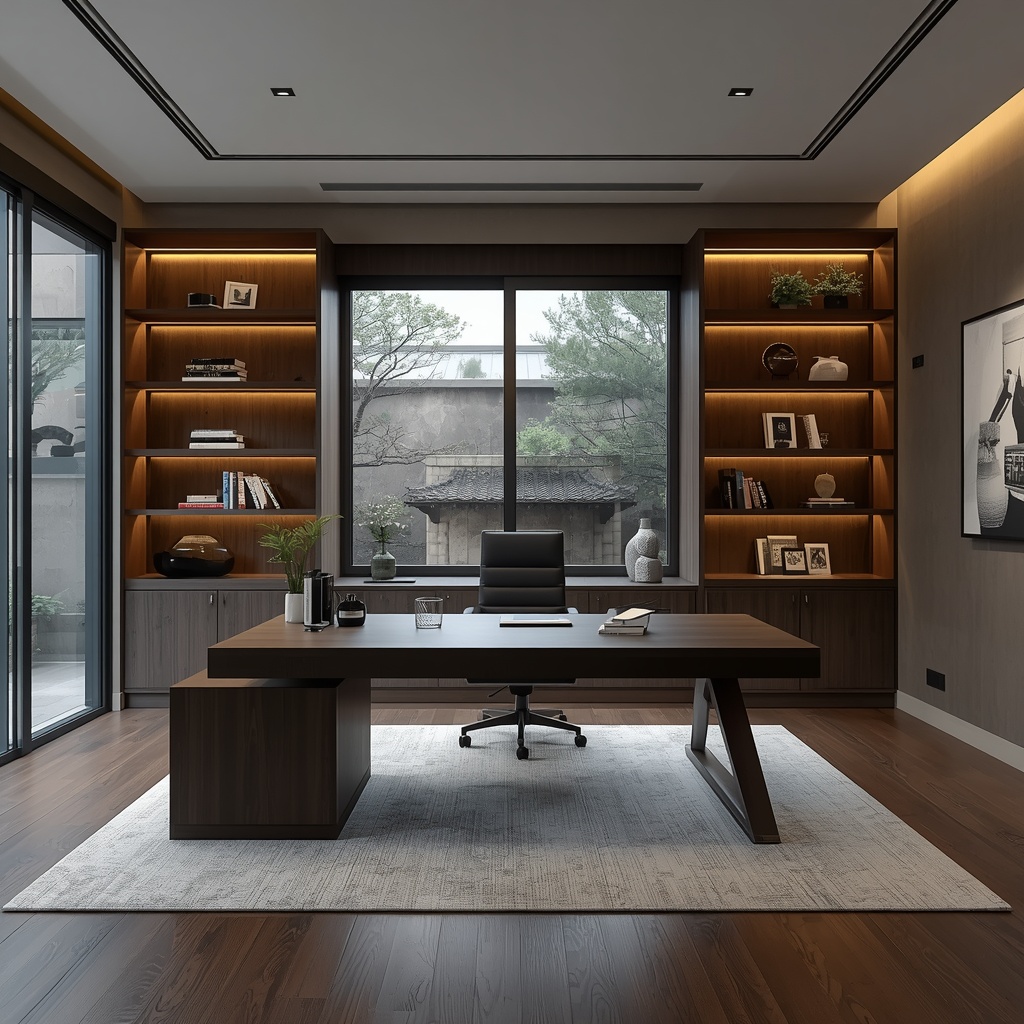
  • Deskterior: 3 Tips for a Productive and Minimalist Korean-Style Home Office

    In South Korea, we have a unique word: “Deskterior” (Desk + Interior). It’s the art of decorating your workspace to increase productivity and reduce stress. If you’re working from home in the US, these K-style tips will transform your desk into a professional sanctuary.

    Here is how you can achieve a high-end “Deskterior” look today!


    1. The “Single Cable” Rule

    The biggest enemy of a minimalist desk is messy cables. Korean pros use integrated cable management trays under the desk and wireless charging docks for smartphones and earbuds. Keeping only one or two visible cables makes your mind feel much clearer.

    2. Monitor Screen Bars for Eye Care

    Instead of a bulky desk lamp that takes up space, try a Monitor Screen Bar. It sits on top of your monitor and lights up only your workspace without reflecting on the screen. It looks incredibly sleek and saves your eyes during late-night work sessions.

    3. Adding a Touch of “Greenery”

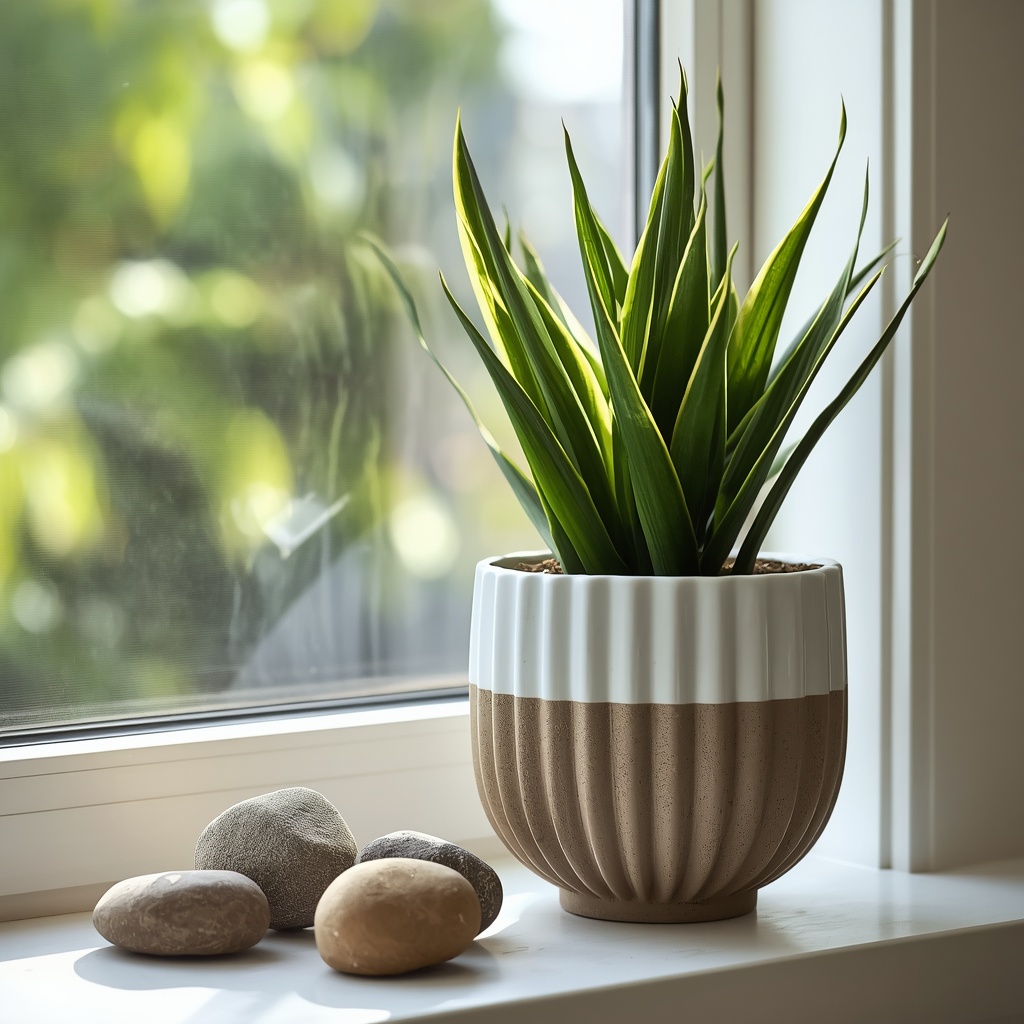
    A truly minimalist space shouldn’t feel cold. Adding a small, low-maintenance plant like a Sansevieria or a succulent brings a bit of nature into your digital world. In Korea, “Plant-terior” is essential for mental health in a home office.

    (If you want to see how this minimalism extends to your entire home, check out my most popular post on K-Minimalism Interior Design!)


    💡 Pro Tip for Home Workers:

    Invest in a clean, neutral-colored desk mat. It not only protects your desk but also defines your workspace visually, helping your brain switch into “Work Mode” instantly.

    What is the one item on your desk you can’t live without? Let’s share our desk setups in the comments!

  • K-Convenience Store Hacks: 3 Delicious Meals You Can Make for Under $10

    If you’re in South Korea, you don’t always need a fancy restaurant to have a great meal. Korean convenience stores (CU, GS25, 7-Eleven) are famous for their unique “Food Hacks”—creative combinations of instant foods that taste like a gourmet meal!

    Here are 3 viral meal combinations you must try.


    1. The Famous “Mark Meal” (Tteokbokki + Spaghetti)

    Named after a K-pop idol, this is the king of convenience store hacks. Combine a cup of instant Tteokbokki with a cup of instant Spaghetti noodles, add a string cheese and a sausage. It’s cheesy, spicy, and incredibly satisfying!

    2. Cup Ramen + Samgyeok-gimbap (Rice Ball)

    This is the ultimate soul food for students and busy workers. Finish your spicy ramen noodles first, then drop a Tuna Mayo Samgyeok-gimbap into the remaining soup. Mix it up, and you have a delicious spicy risotto!

    3. The Pouch Drink + Ice Cup Ritual

    You haven’t truly experienced a Korean convenience store until you’ve tried the “Pouch Drink.” Grab a cup filled with ice and pour in a pouch of Blue Lemonade, Peach Ice Tea, or Hazelnut Coffee. It’s the most refreshing $2 drink you’ll ever have.

    (If you’re looking for dessert after your meal, don’t forget to check out my guide on Viral Korean Convenience Store Desserts!)


    💡 Pro Tip for Travelers:

    Most convenience stores have a dedicated area with hot water and microwaves where you can prepare and eat your food. Don’t be afraid to mix things up—it’s part of the fun!

    Which combination sounds the most delicious to you? Have you tried any “Food Hacks” in your country? Let me know in the comments!

  • 3 Hidden Facilities in Korean Subway Stations You Should Know

    Seoul’s subway system is world-famous for being clean and punctual. But did you know that the stations offer much more than just a train ride? There are several hidden facilities that can save your day!

    Here are 3 essential services you can find in almost every Korean subway station.


    1. Smart Luggage Lockers (T-Locker)

    If you have heavy bags but still want to explore, look for the T-Locker. You can store your luggage securely using a mobile app or a touch screen. It’s perfect for those few hours between hotel check-out and your flight!

    2. Emergency Smartphone Charging

    Running out of battery? Many major stations have smartphone charging stations or portable battery rental machines (like ‘Happy Box’). Just plug in for a few minutes, and you’re back in the digital world!

    3. Extremely Clean Public Restrooms

    Unlike many subways around the world, Korean subway restrooms are free, safe, and very clean. Most stations have them located both inside and outside the ticket gates. They even have emergency bells for safety!

    (If you want to know which apps will help you navigate the subway like a local, check out my post on Essential Apps for Korea!)


    💡 Pro Tip for Travelers:

    If you lost something on the subway, don’t panic! Visit the Lost and Found Center (usually at major hub stations like City Hall or Wangsimni). They have a very high recovery rate for lost items!

    What is the best facility in your city’s subway? Let me know in the comments!

  • 3 Surprising Things About Korean Cafes (Beyond the Coffee)

    After exploring the most Instagrammable cafes in Seoul, you might notice a few things that are very different from your home country. Korean cafes are famous for their high-tech and convenient services.

    Here are 3 things that surprise international visitors the most!


    1. The Magic “Buzzer” (Vibrating Pager)

    In Korea, you don’t have to wait near the counter or listen for your name. You’ll get a small, round vibrating pager. You can sit anywhere, and it will vibrate when your order is ready. It’s simple but incredibly efficient!

    2. Blazing Fast Free Wi-Fi & Outlets

    Almost every cafe in Korea is a “Digital Nomad’s Paradise.” You’ll find free, high-speed Wi-Fi and plenty of power outlets at almost every table. It’s very common to see students and office workers staying for hours with their laptops.

    3. The “Self-Service” Water Bar

    Need a glass of water? You don’t have to ask the barista. Look for a small table with a water pitcher, cups, and napkins. In Korea, water is always free and self-service in cafes.


    💡 Pro Tip for Travelers:

    Don’t be shy about leaving your bag on your seat while you go to the restroom. As mentioned in my post on Korean Cafe Culture Safety, Korea is one of the safest places to do this!

    What is the most convenient service in a cafe in your country? Let me know in the comments!

  • 3 Most Instagrammable Cafes in Seoul You Can’t Miss

    In Seoul, a cafe is not just a place to drink coffee; it’s a space for art and photography. If you want to fill your Instagram feed with stunning shots, these 3 cafes are absolute must-visits.

    Get your camera ready—you’re going to need it!


    1. Rain Report (Gyeongnidan-gil)

    Imagine a place where it “rains” every single day. Rain Report has a stunning outdoor area where artificial rain falls constantly, creating a moody and cinematic atmosphere. It’s the ultimate spot for unique videos and photos.

    2. Cafe Onion (Anguk or Seongsu)

    Cafe Onion is famous for its “Industrial Chic” vibe. The Seongsu branch is a renovated old factory, while the Anguk branch is a beautiful Hanok (traditional house). Both offer incredible contrasts between the old building and modern, delicious pastries.

    3. Nudake (Haus Dosan)

    This is not your average bakery. Nudake is owned by the famous eyewear brand Gentle Monster, and the desserts look like modern art sculptures. Their signature black “Peak Cake” is a viral sensation that tastes as good as it looks!

    (If you’re wondering why Koreans are so obsessed with coffee, check out my popular post on the Korean Iced Americano Culture!)


    💡 Pro Tip for Instagrammers:

    These cafes get very crowded on weekends. If you want to take photos without many people in the background, try to visit on weekday mornings right after they open!

    Which cafe would you visit first for your Instagram photo? Let me know in the comments!