Category: Korean Culture

  • “Is This Free?” – 3 Surprising Free Services in Korean Restaurants

    Traveling in Korea is full of pleasant surprises, especially when it comes to dining. There are things that locals take for granted, but international visitors find absolutely amazing (and free!).

    Here are 3 “small but great” services you’ll find in almost every Korean restaurant.


    1. Unlimited Cold Water for Free

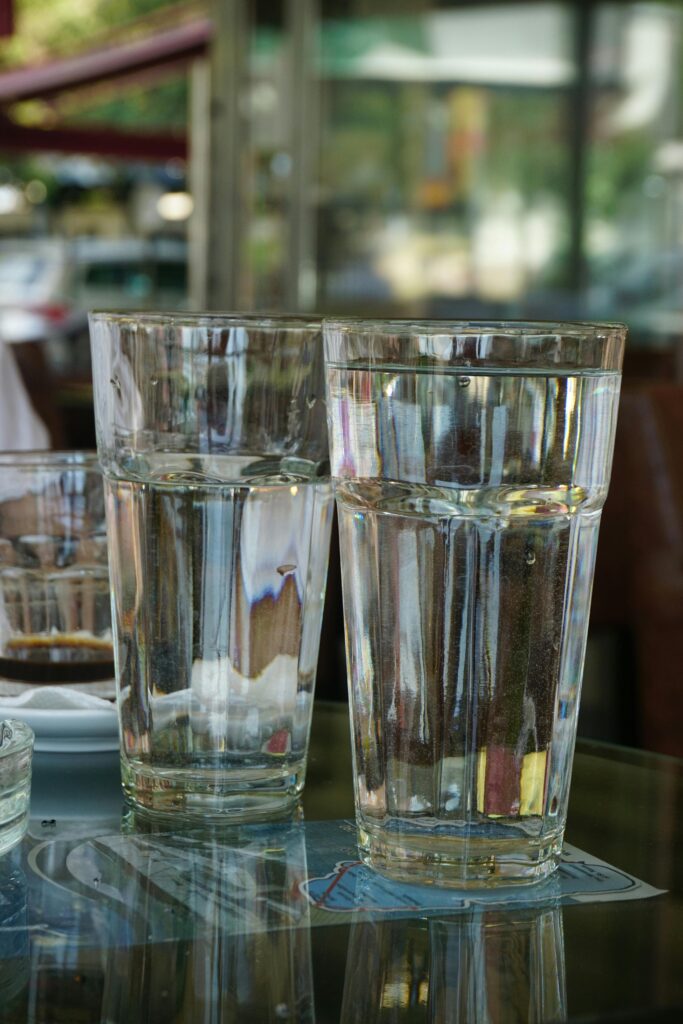
    In many countries, you have to pay for bottled water or even tap water. In Korea, as soon as you sit down, the waiter brings a cold bottle of water and cups. If you finish it, you can always ask for more or find a “Self” water purifier. It’s always free!

    2. The Hidden Utensil Drawer

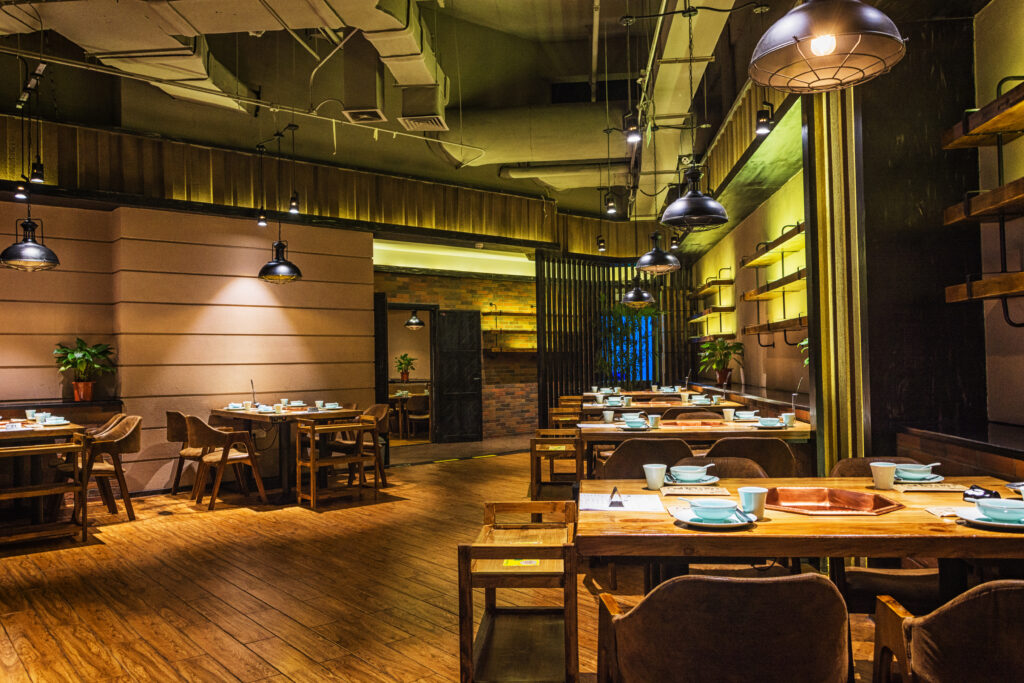
    Can’t find your spoon or chopsticks on the table? Look at the side of the table! Most Korean restaurants have a hidden drawer under the tabletop filled with neatly arranged napkins and utensils. It saves space and keeps everything clean.

    3. The Complimentary Post-Meal Coffee

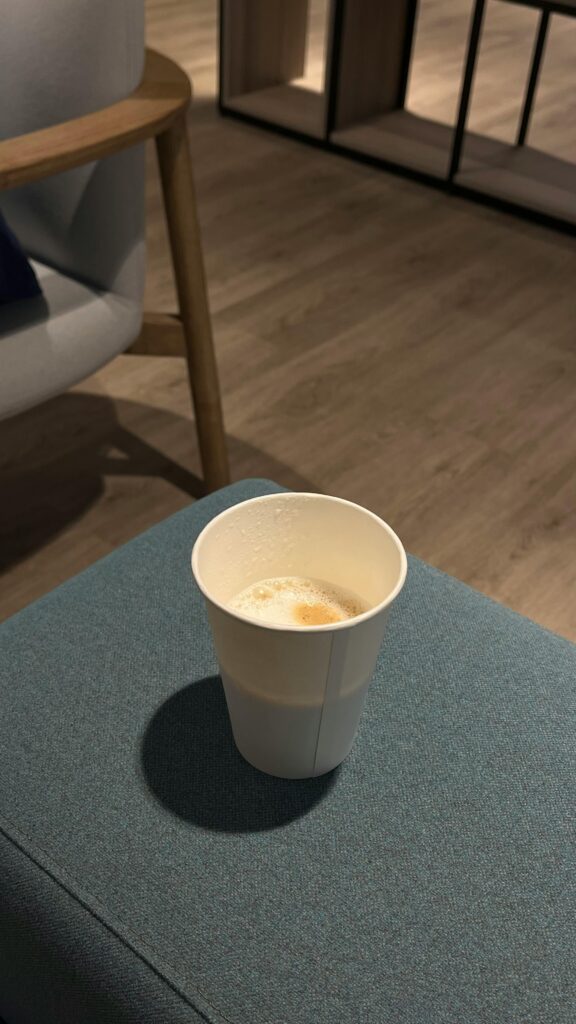
    After a spicy meal, look near the exit. You’ll often find a small “Vending Machine” that serves sweet, milky coffee for free (or just 100 won). It’s the perfect way for Koreans to finish a meal with a bit of sweetness.


    Which of these services do you wish your country had? Let me know in the comments!
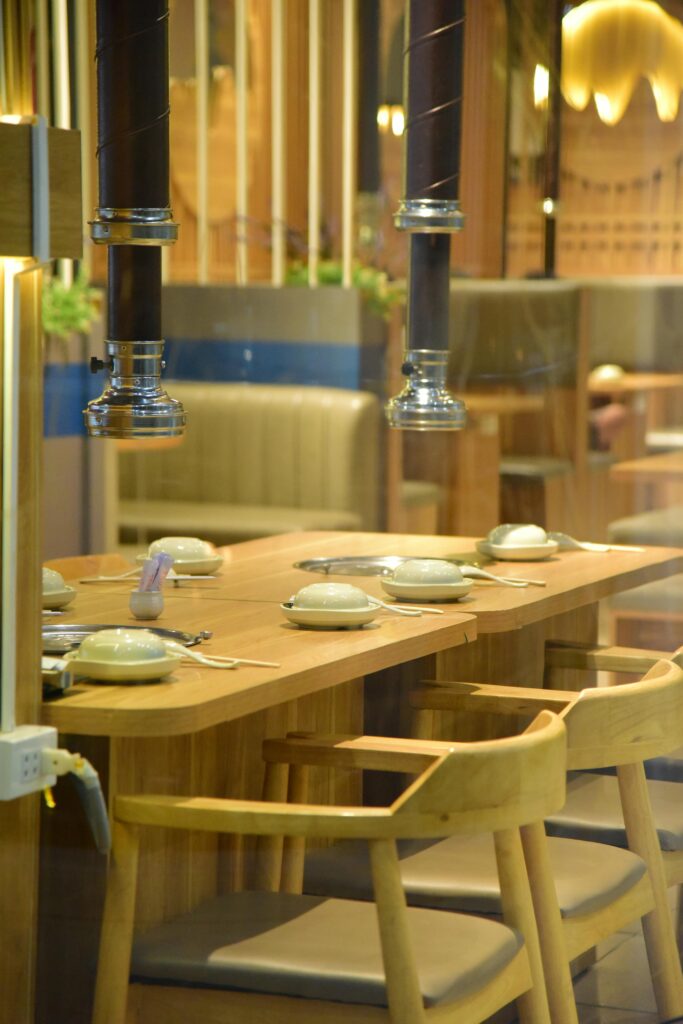
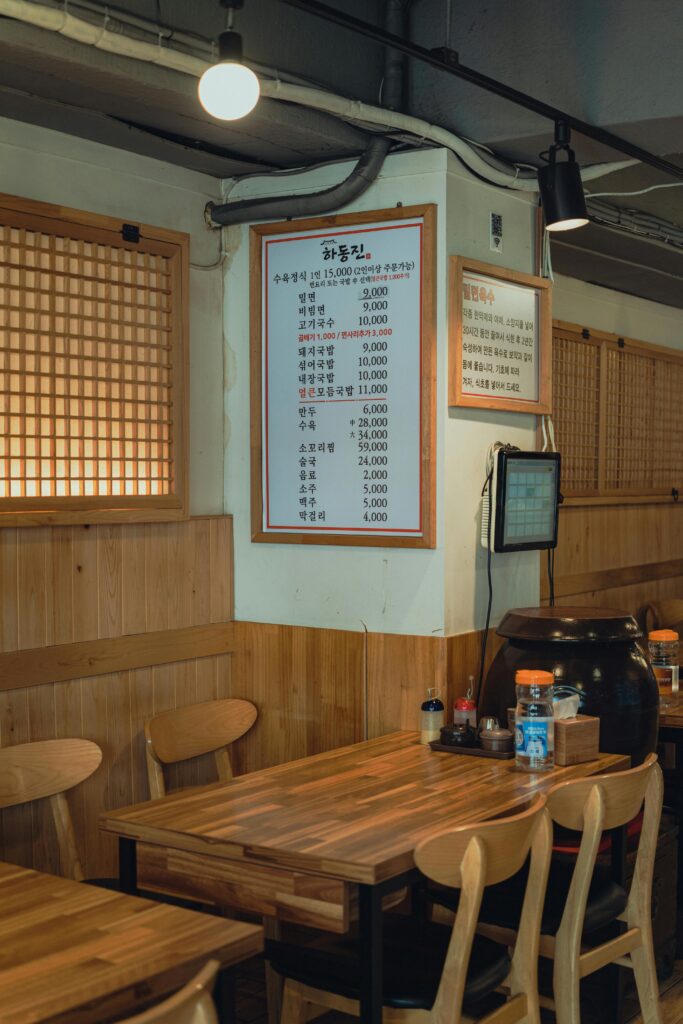
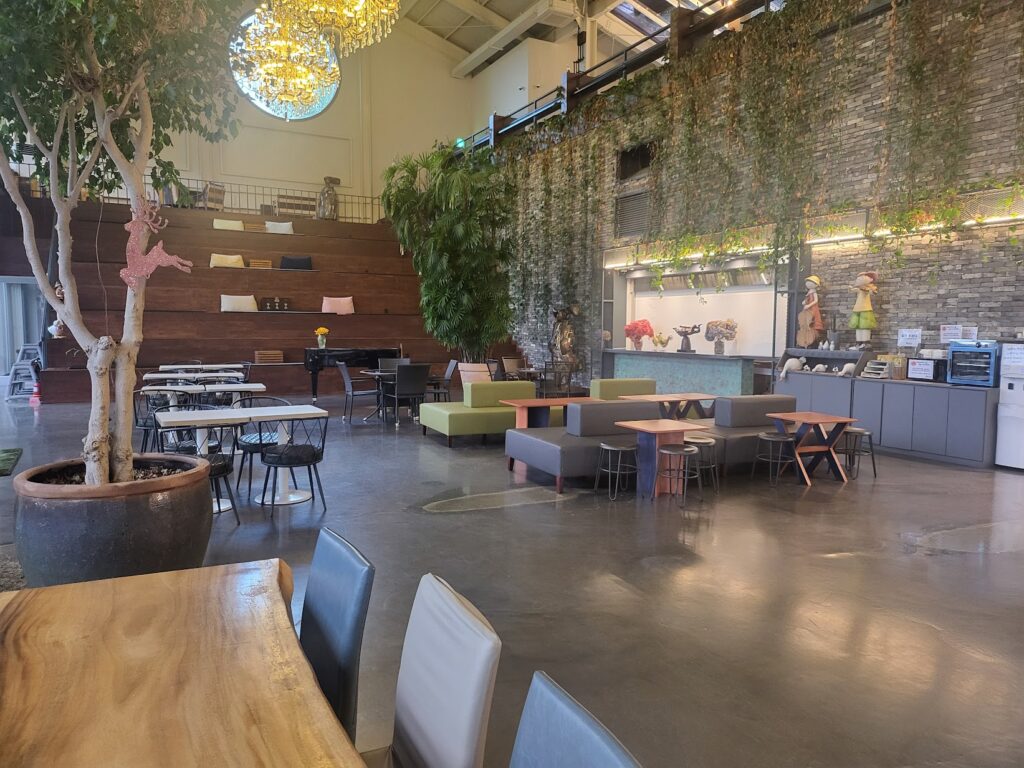
    Restaurant interior
  • Visit Your Favorite K-Drama Spots in Seoul

    Are you a fan of K-Dramas? Many of the romantic scenes you see on screen are filmed in beautiful locations across Seoul. You can actually visit these places and feel like the main character of your own drama!

    Here are the top K-Drama filming locations you shouldn’t miss.


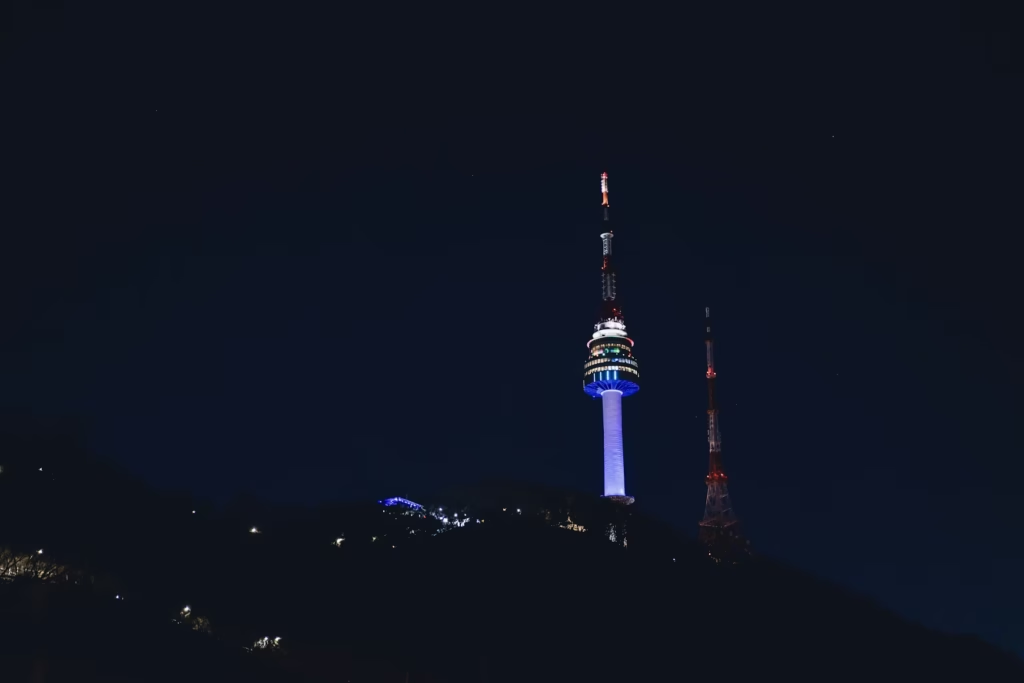
    1. N Seoul Tower (Namsan Tower)

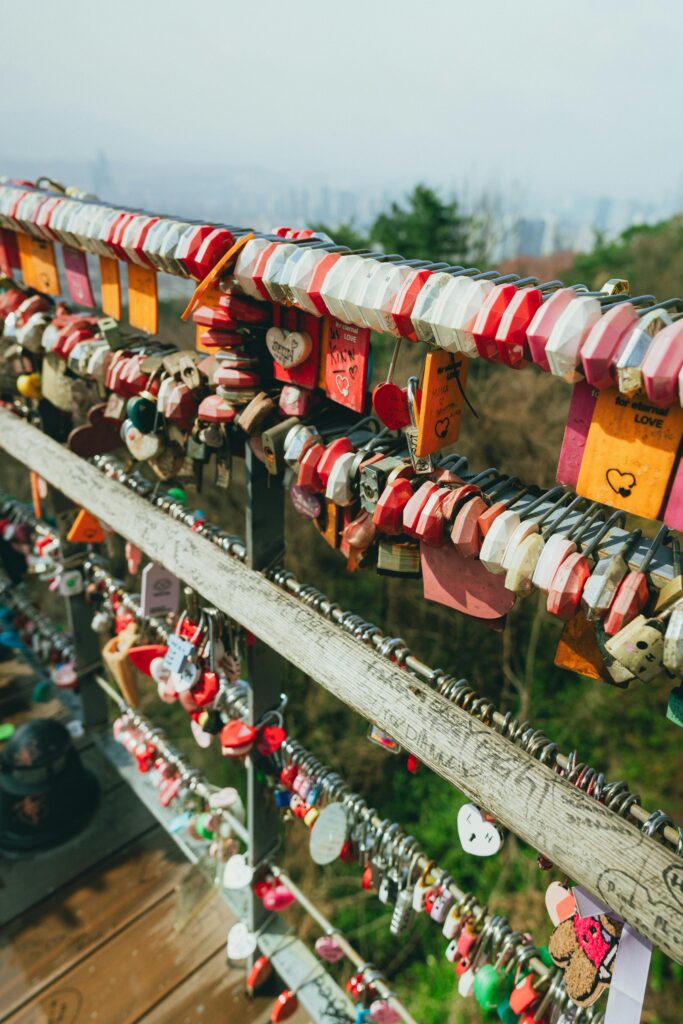
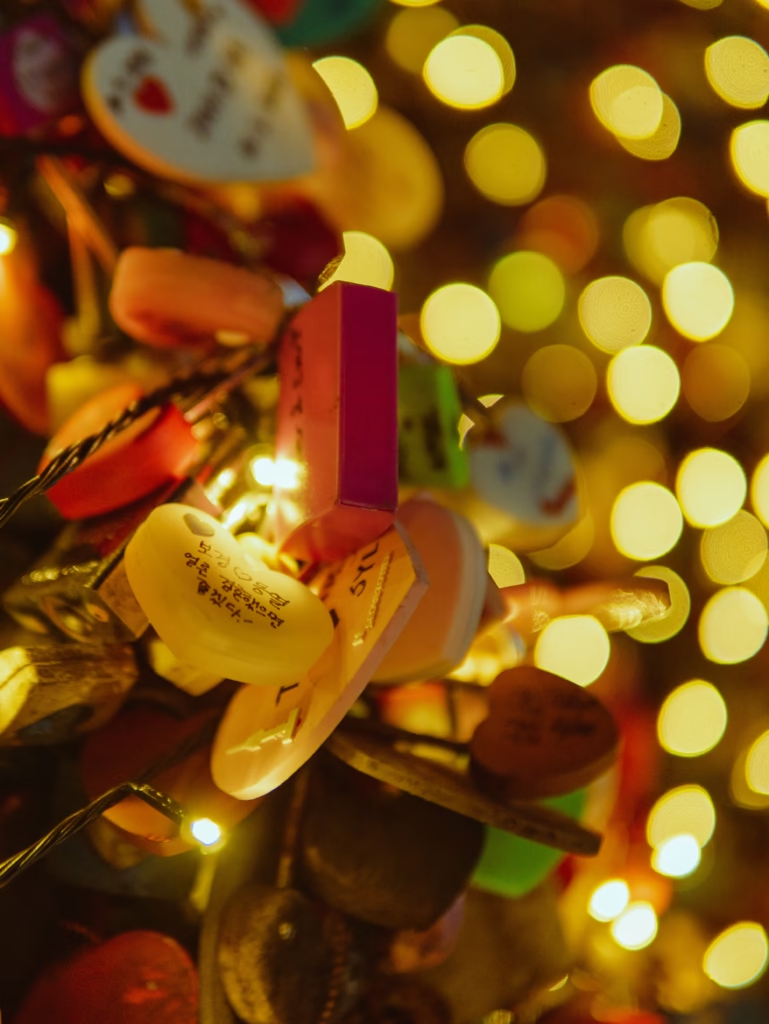
    Featured in countless dramas like My Love from the Star, this is the ultimate romantic spot. Don’t forget to buy a “Love Lock” and attach it to the fence with your partner’s name on it!

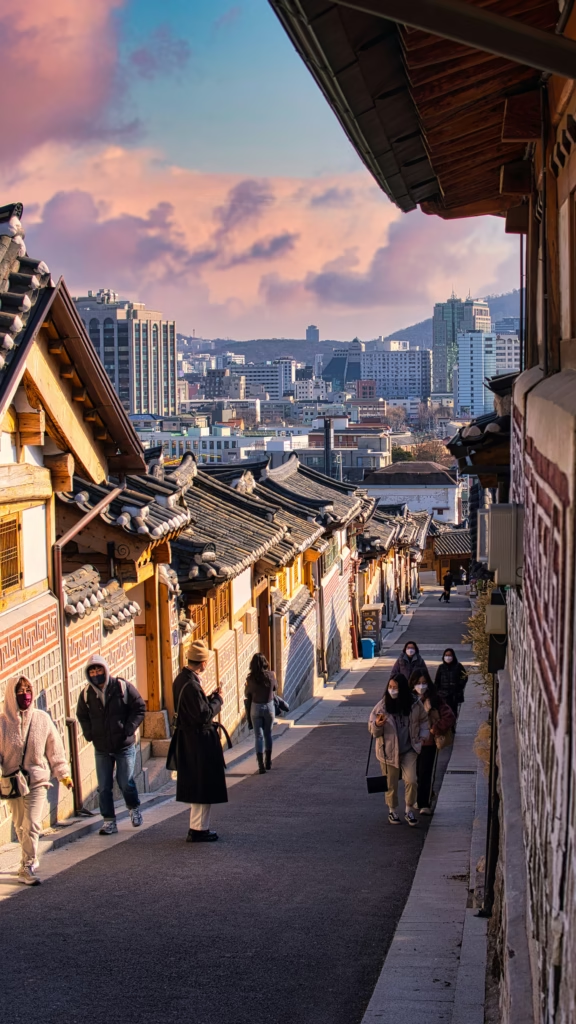
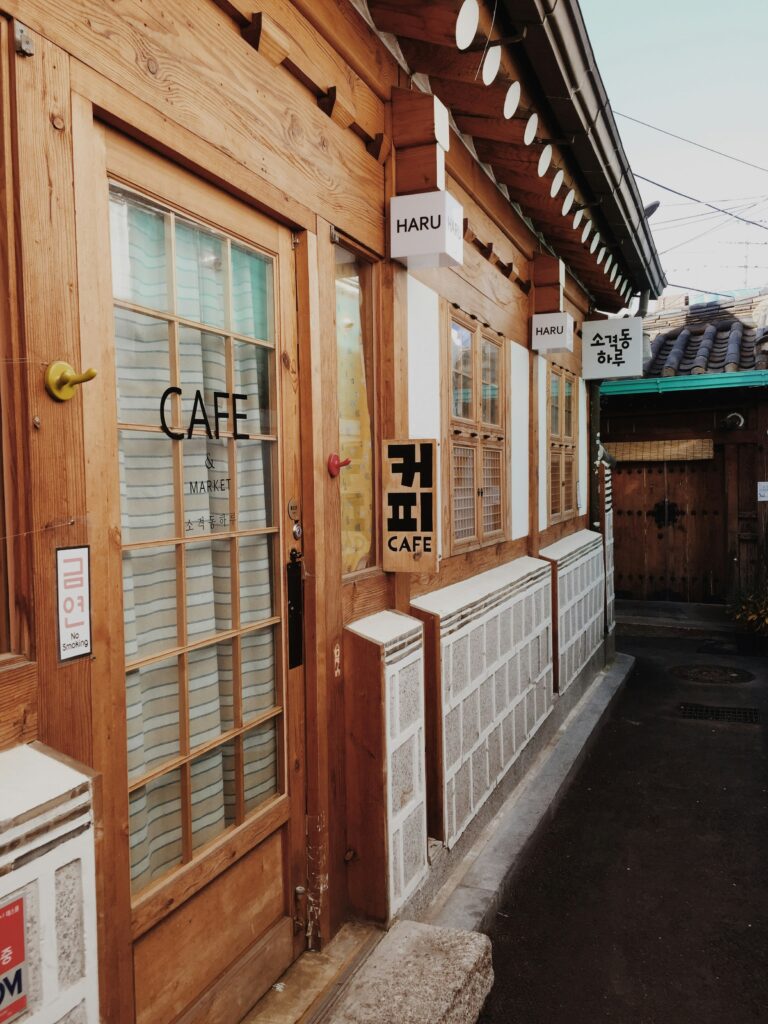
    2. Bukchon Hanok Village

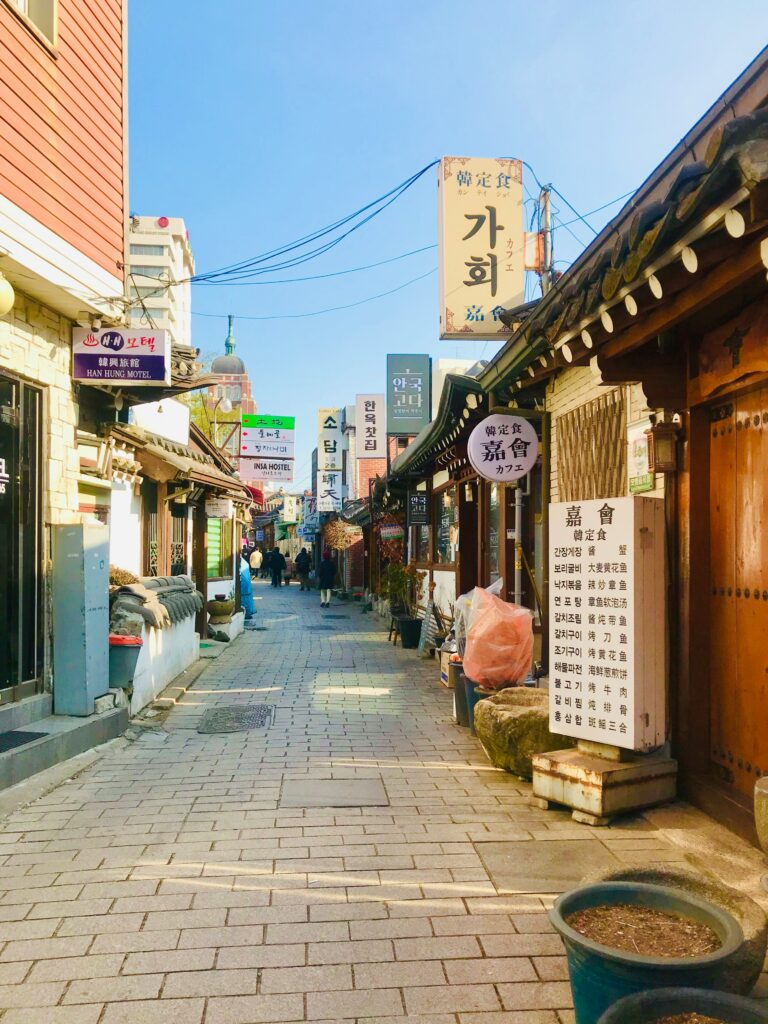
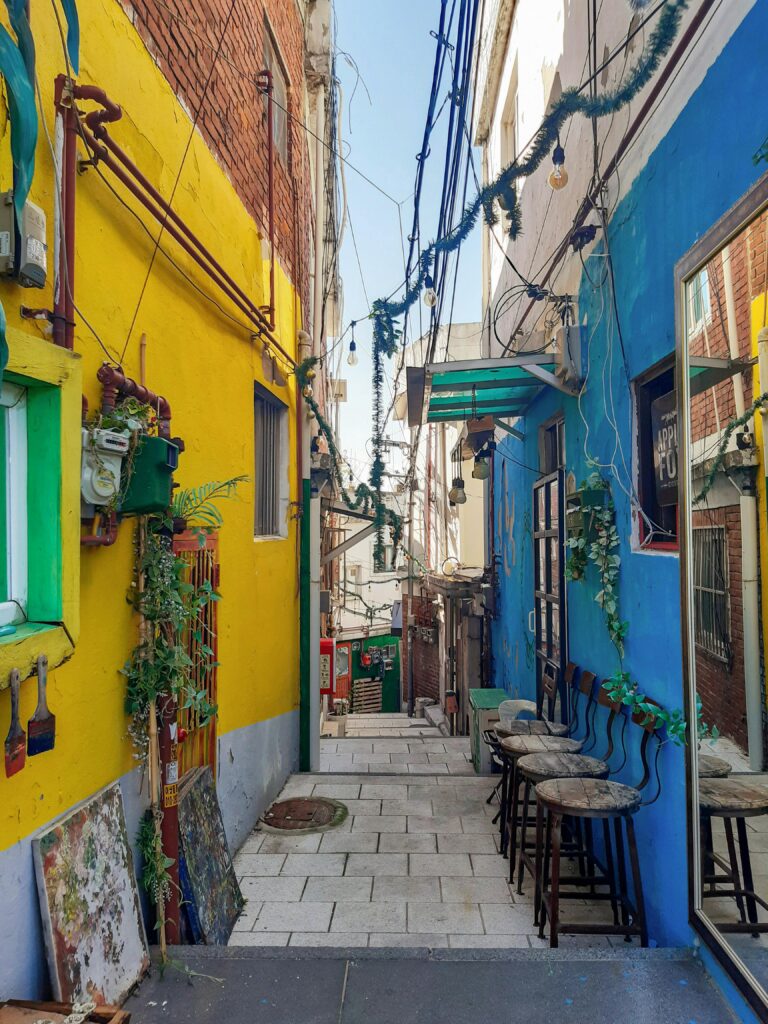
    This traditional village with hundreds of Hanoks (traditional Korean houses) has been a backdrop for many historical and modern dramas. Walking through these quiet alleys feels like traveling back in time.

    3. Yeouido Hangang Park

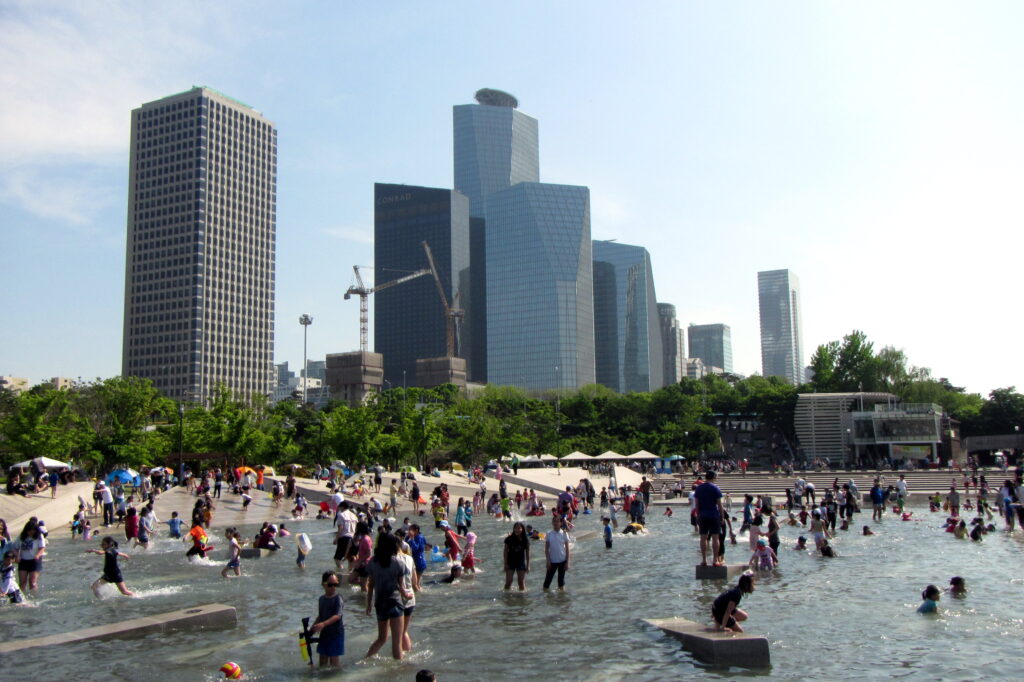
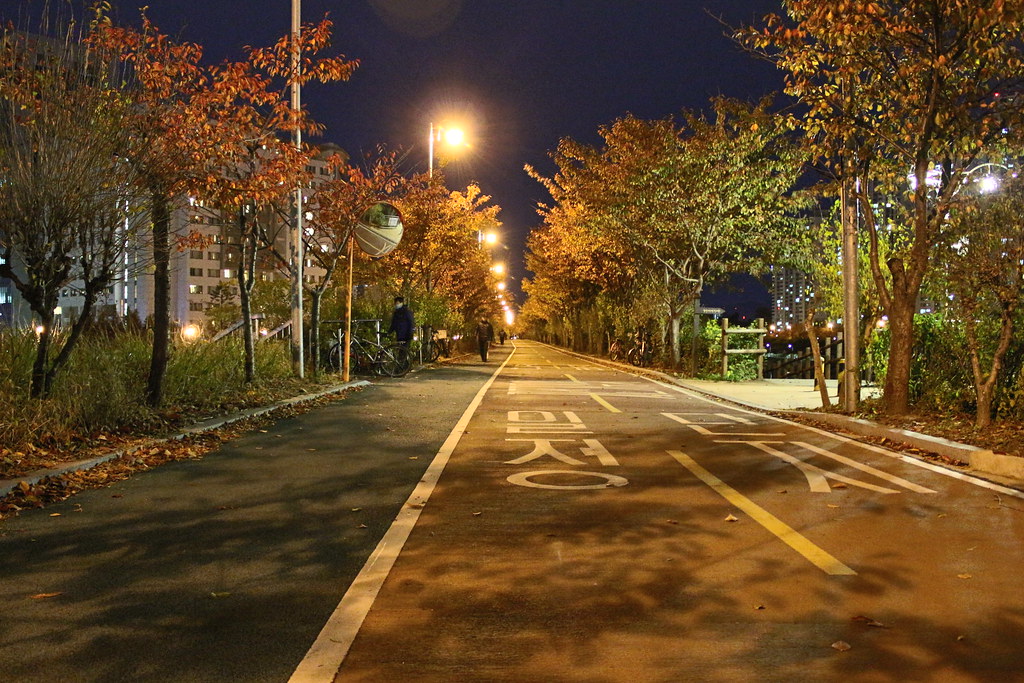
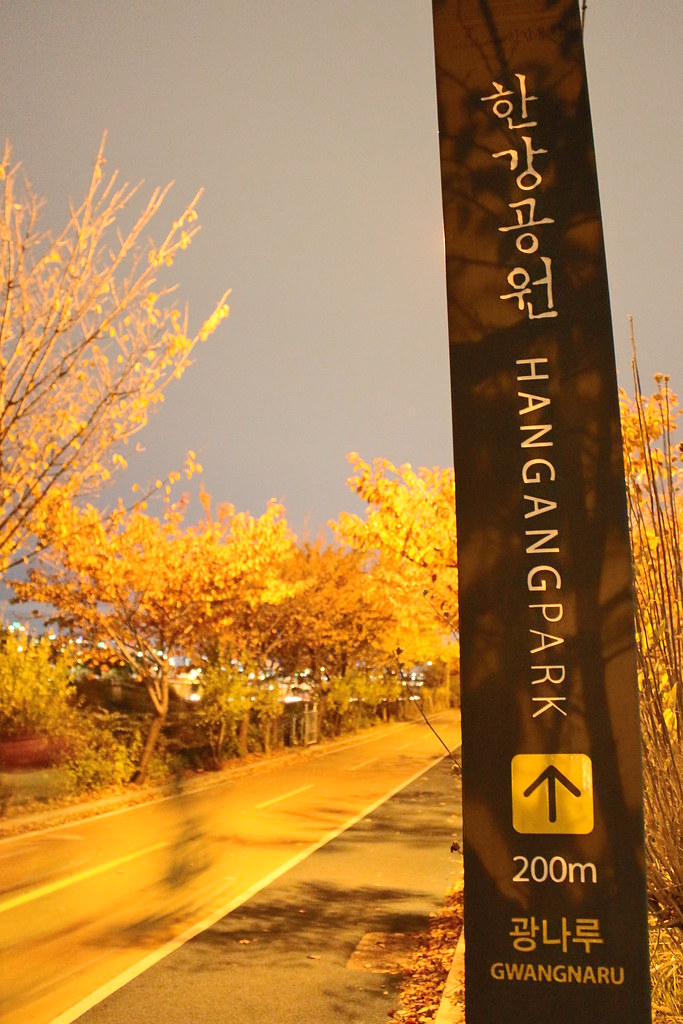
    Remember the beautiful river scenes where characters eat ramen? Most of them are filmed at Yeouido Park. It’s the perfect place for a sunset walk or a bike ride, just like in the dramas.

    4. Starfield Library (COEX Mall)

    This massive, futuristic library with walls of books is a famous filming spot for modern dramas. It’s located inside COEX Mall and is one of the most photographed places in Seoul.


    What is your all-time favorite K-Drama? Tell me which filming spot you want to visit the most!

  • The Ultimate Guide to Korean Jjimjilbang (Sauna & Spa)

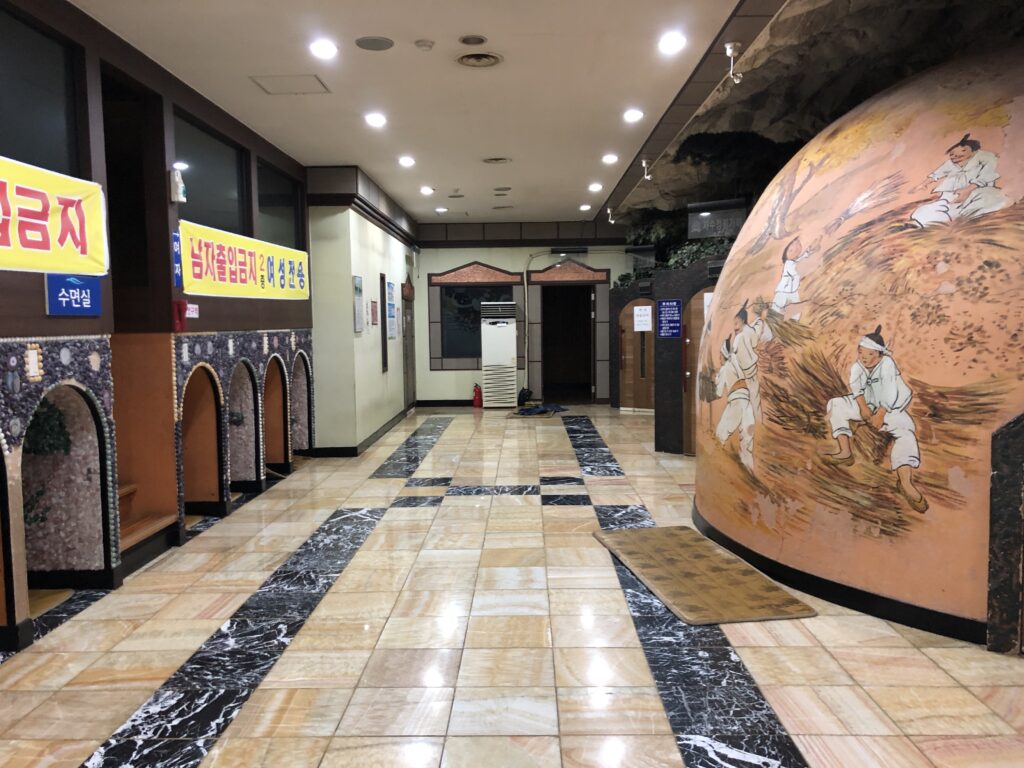
    If you’re tired from walking all day in Seoul, there is no better place to recharge than a Jjimjilbang. It’s a huge, 24-hour public bathhouse and sauna that is a central part of Korean social life.

    Here is how you can enjoy Jjimjilbang like a local.


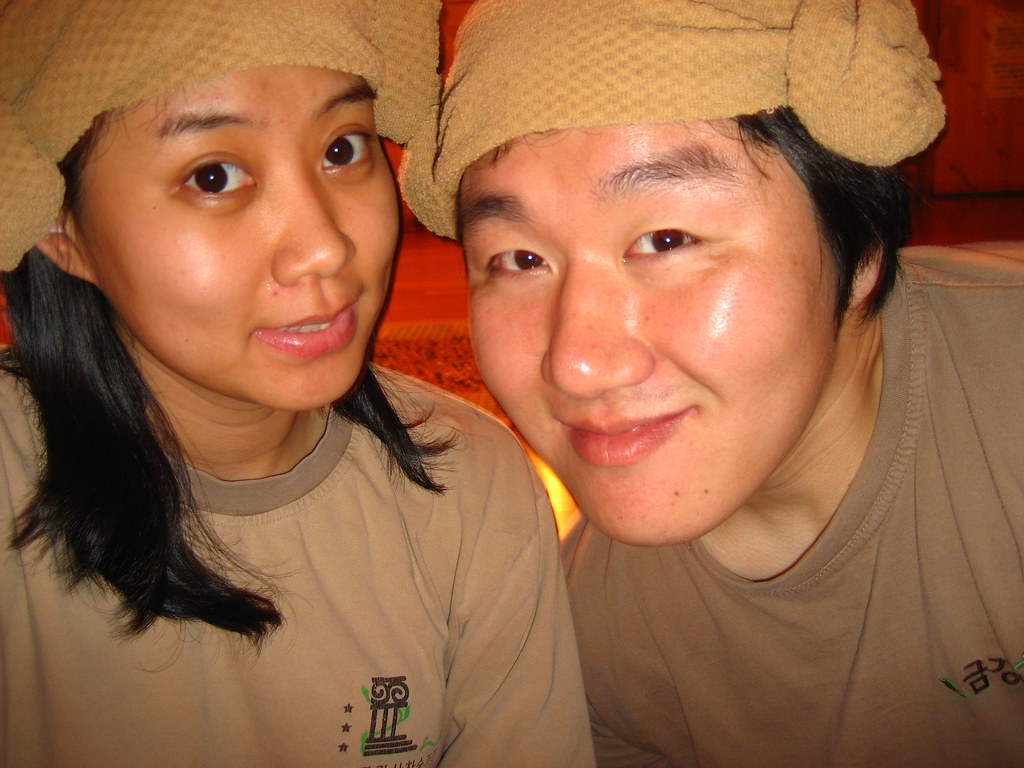
    1. The Famous “Lamb Head” Towel

    The first thing you should do after putting on your provided uniform is to make a “Lamb Head” (Yang-meori) out of your towel. It’s a cute Korean tradition, and it’s perfect for your Instagram photos!

    2. Must-Eat Snacks: Sikhye and Roasted Eggs

    You cannot leave a Jjimjilbang without trying Sikhye (a sweet rice drink) and Roasted Eggs. The eggs are slow-cooked in the sauna, giving them a unique smoky flavor. They are the perfect snack to have while chatting in the common area.

    3. Healing in Different Rooms

    Jjimjilbangs have various rooms with different temperatures and materials. You can try the Salt Room, the Ice Room, or the intense Bulgama (Hot Oak Sauna). It’s great for your skin and muscle relaxation.

    4. Sleeping and Staying Overnight

    Did you know you can sleep at a Jjimjilbang? For a very small fee (around $10-$15), you can stay 24 hours. Many budget travelers use it as a cheap place to crash for a night!


    Have you ever been to a public sauna? Would you be brave enough to try the 80°C Bulgama? Let me know in the comments!
  • K-Beauty Heaven: Essential Shopping Tips for Olive Young

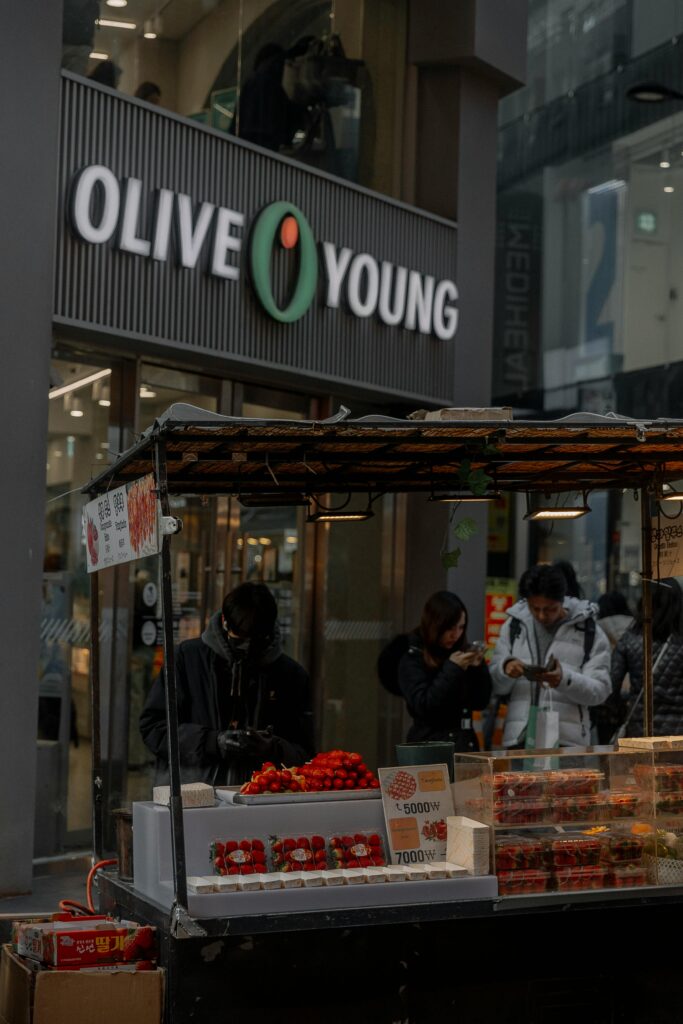
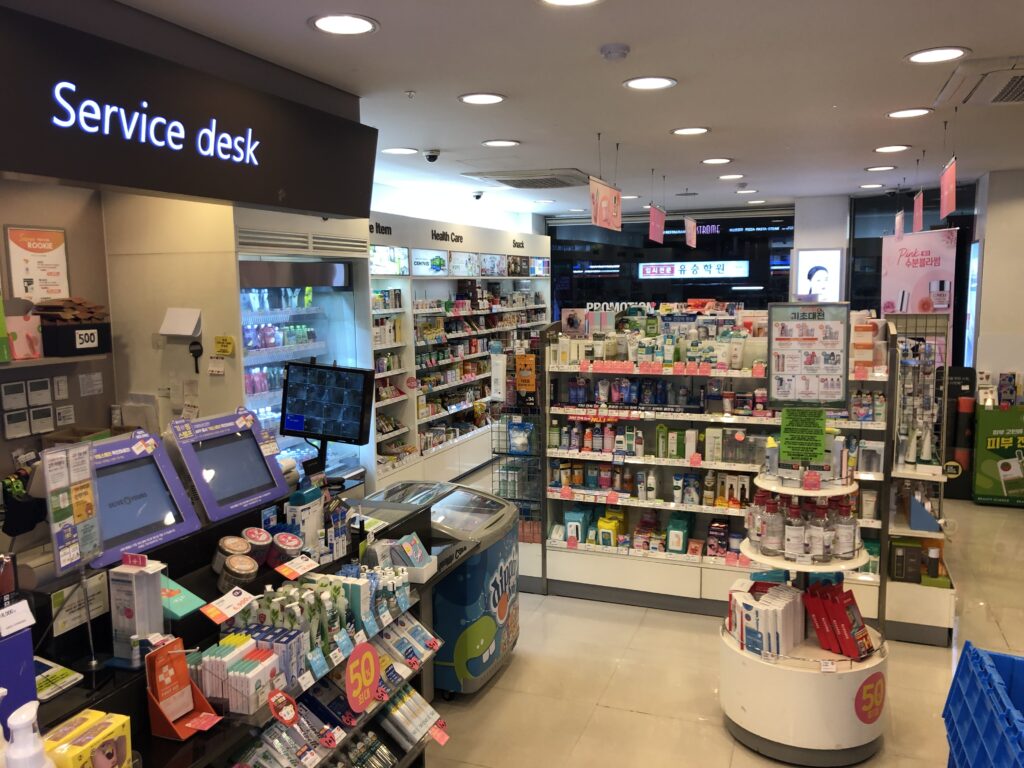
    If you are interested in skincare, Olive Young is your paradise. It’s the “Sephora of Korea” and you can find one on almost every street corner in Seoul.

    Here is how to shop smart at Olive Young.


    1. Look for the “Awards” Stickers

    Olive Young releases an “Annual Awards” list. Look for products with a “1st Place” or “Award Winner” sticker. These are the most trusted and best-selling products chosen by Korean locals.

    2. Immediate Tax Refund

    Travelers, don’t forget your passport! If you spend over 30,000 KRW, you can get an immediate tax refund at the counter in most major branches (like Myeongdong or Hongdae). You pay the discounted price right away!

    3. “1+1” and “Special Sets”

    Koreans love deals. You will often see “1+1” (Buy one, get one free) or “Olive Young Only” special sets that include free travel-sized samples. These are the best value for your money.

    4. Don’t Skip the “Care” Section

    Olive Young isn’t just about makeup. Their pimple patches, sunscreens, and hair care products are world-famous. Make sure to check the “Trend” section to see what’s hot right now.


    What is your favorite Korean skincare brand? I’d love to hear your recommendations!

  • Sing Like a K-Pop Star: A Guide to Korean Noraebang (Karaoke)

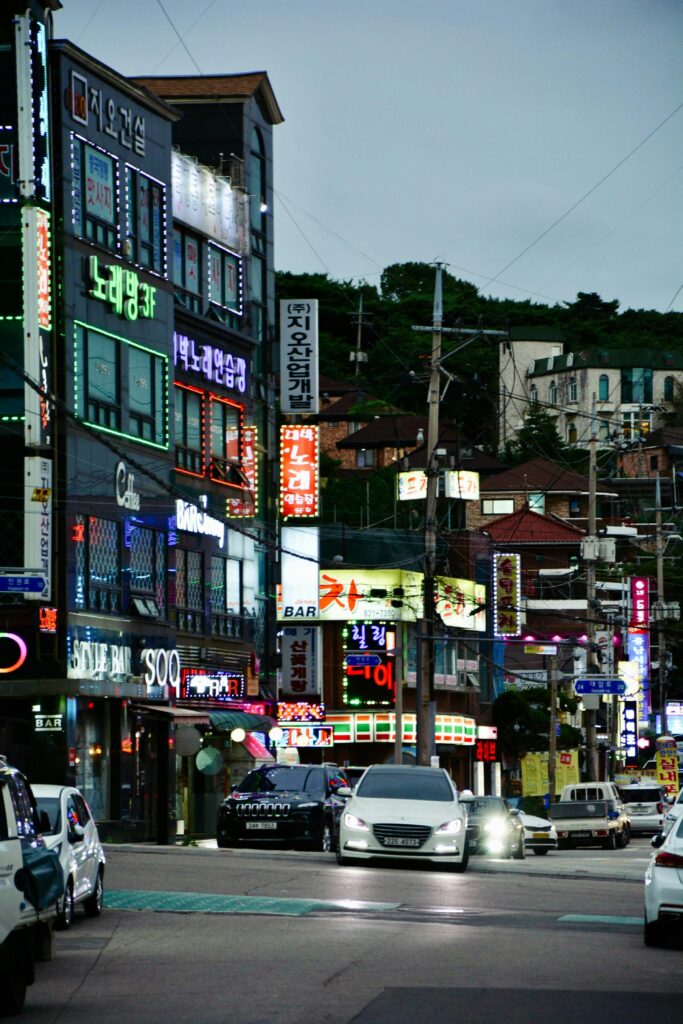
    In Korea, we don’t just “go to karaoke.” We go to Noraebang (literally “Song Room”). It’s a huge part of Korean nightlife and a must-experience culture for travelers.

    Here is how to enjoy Noraebang like a local.


    1. Coin Noraebang vs. Regular Noraebang

    • Coin Noraebang (Kono): Perfect for solo travelers or couples. You pay per song (usually $1 for 3-4 songs).
    • Regular Noraebang: Larger rooms for groups. You pay by the hour (around $15-$25 per hour) and often get free drinks or snacks.

    2. The Magic “Service” Time

    If you go to a regular Noraebang, don’t leave just because your time is up! Most owners will give you “Service” (free extra time). You might see “Bonus 10 min” or even “30 min” suddenly appear on your screen.

    3. Mastering the Remote Control

    The remote is huge and has many buttons. Don’t worry! Most modern machines have a “Search” button where you can type in English song titles or artists. From K-Pop to Billboard hits, they have it all.

    4. Tambourines and Maracas

    In every room, you’ll find tambourines. In Korea, we don’t just sing; we perform! Even if it’s not your turn to sing, your job is to shake the tambourine and cheer for your friends.


    What is your go-to karaoke song? Let me know in the comments below!

  • Why Korean Restaurants Give You Free Food: The “Banchan” and “Service” Culture

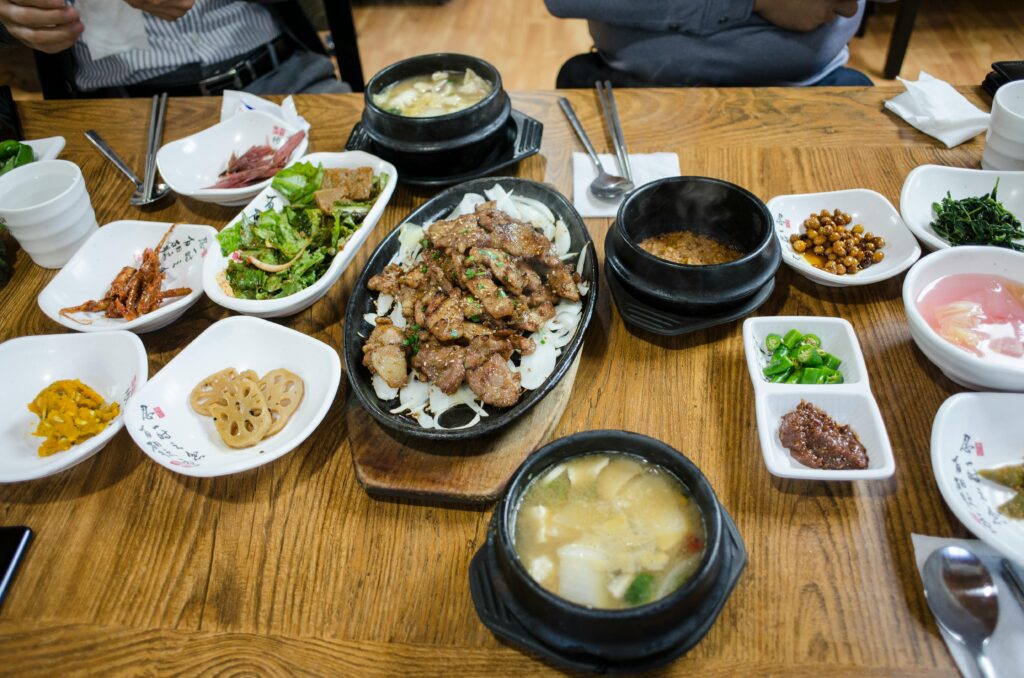
    If you’re dining in South Korea for the first time, you might be shocked when the waiter brings 5 to 10 small dishes before your main meal. Don’t worry—you didn’t order them, and they are completely free!

    Here is everything you need to know about Korea’s generous food culture.


    1. What are “Banchan”?

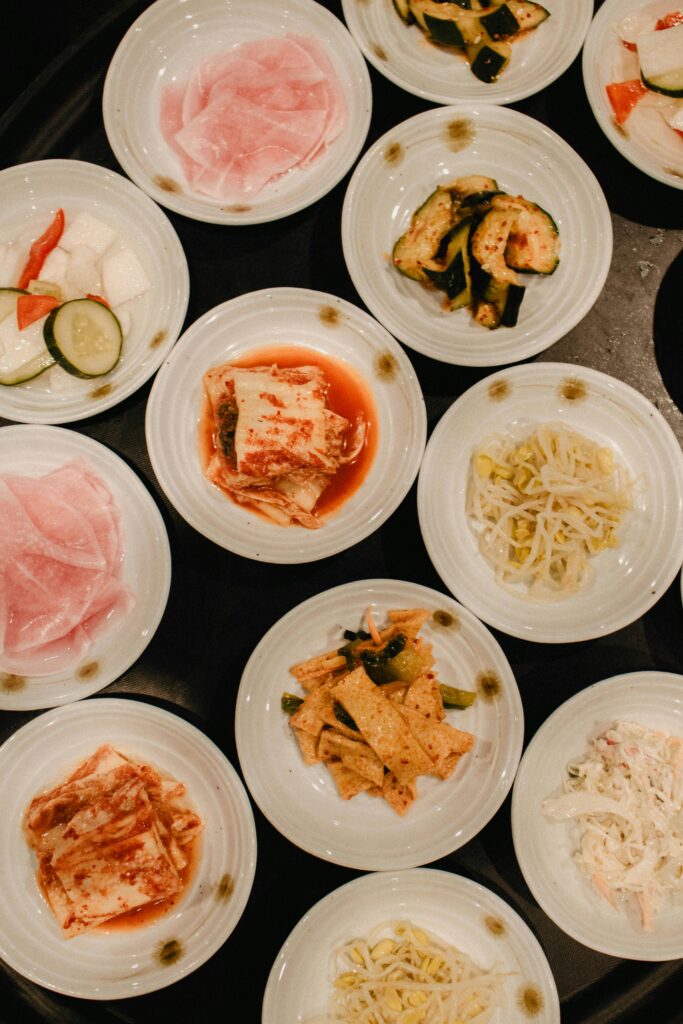
    Banchan are small side dishes served with cooked rice. The most famous one is Kimchi, but you’ll also see pickled vegetables, bean sprouts, and even small dried fish. These dishes are meant to be shared and are part of the main meal’s price.

    2. The Magic Word: “Refill Please!”

    Finished your favorite corn salad or Kimchi? In Korea, it is perfectly normal to ask for a refill. Just say “Banchan deo juseyo” (More side dishes, please), and the waiter will bring more for free! Many modern restaurants also have a “Self-service bar” where you can grab as much as you want.

    3. Understanding “Service” (The Freebies)

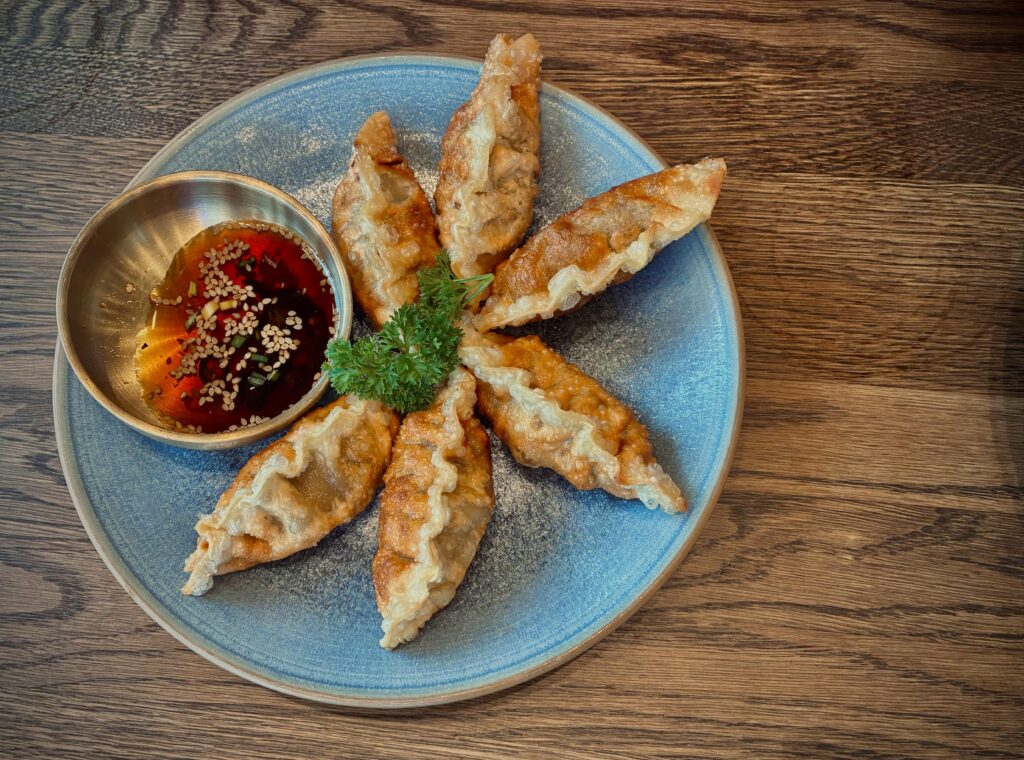
    In Korea, the English word “Service” doesn’t mean “customer service.” It means “This is on the house!” If a restaurant owner brings you a free soda, a plate of dumplings, or an extra egg roll, they will say “Service!” It’s their way of showing kindness to regular or friendly customers.

    4. No Tipping Required

    The best part? Even with all these free side dishes and “service” items, you never have to leave a tip in Korea. The price on the menu is exactly what you pay. Giving a tip can sometimes be confusing for the staff!


    💡 Pro Tip for Travelers:

    If a restaurant has a “Self-bar,” it’s good etiquette to only take as much as you can eat. Leaving too much food behind is considered a bit rude!

    What is your favorite side dish? Would you be brave enough to try the spicy fermented Kimchi? Let me know in the comments!
  • How to Order Fried Chicken at Han River Park (The Ultimate “Chi-Maek” Guide)

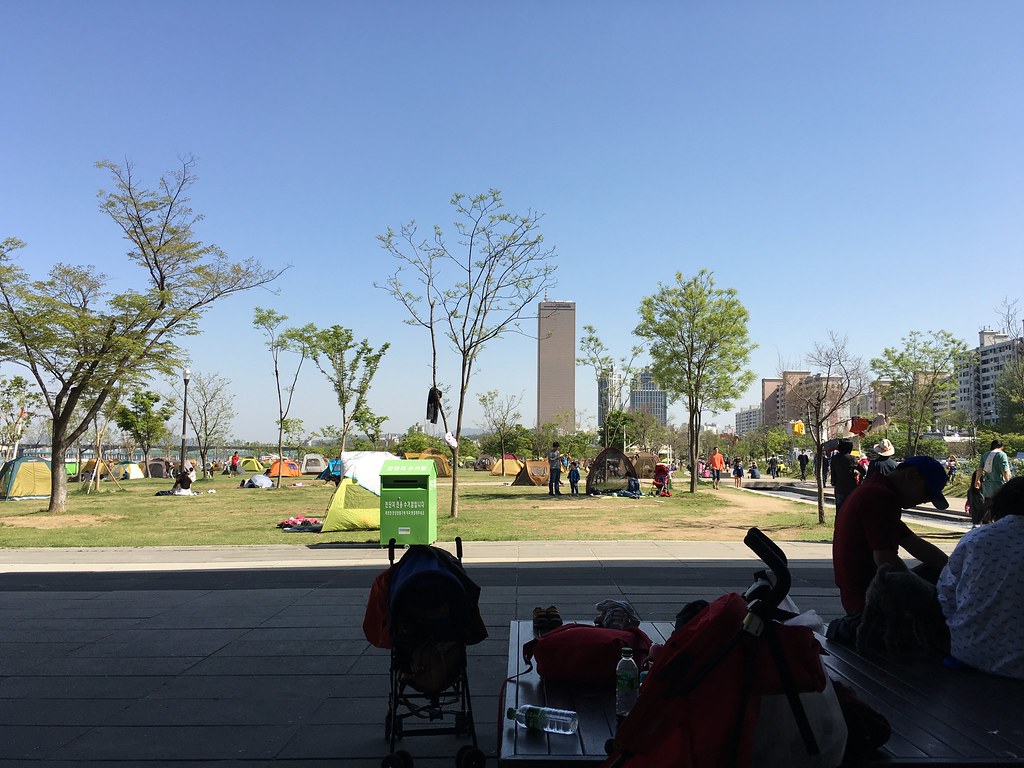
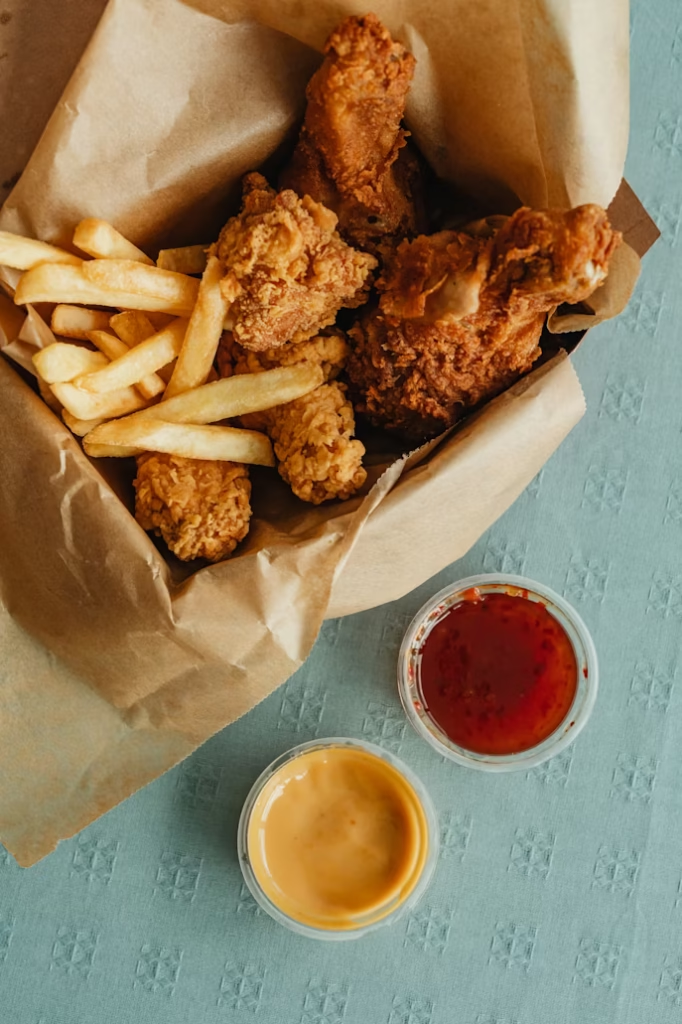
    If you visit Seoul, one of the most local experiences you can have is having a picnic at Han River Park. But it’s not just a regular picnic—it’s all about “Chi-Maek” (Fried Chicken + Beer) and getting it delivered right to your picnic mat!

    Here is how you can enjoy food delivery at the river like a pro.


    1. What is “Chi-Maek”?

    “Chi-Maek” is a combination of the words “Chicken” and “Maekju” (the Korean word for beer). In Korea, fried chicken is a soul food, and eating it while looking at the river breeze is a ritual for locals, especially during spring and autumn evenings.

    2. How to Order Without an Address?

    You might wonder, “How will the delivery driver find me in a huge park?”
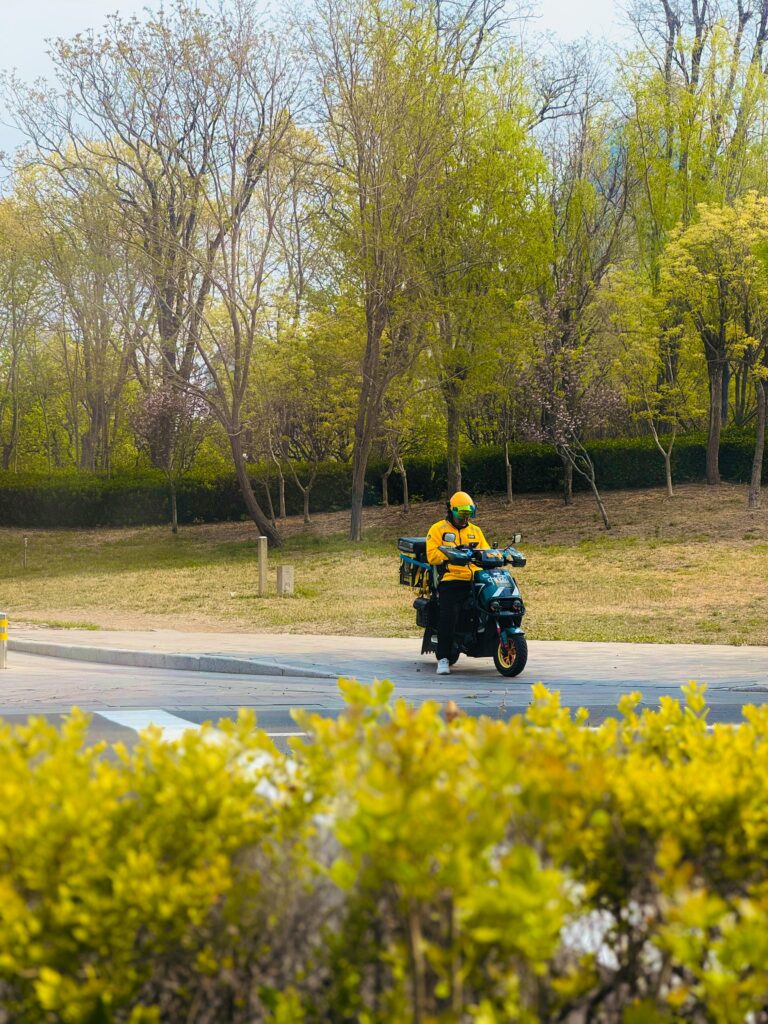
    In Han River parks (like Yeouido or Banpo), there are designated “Delivery Zones”. You just need to find the nearest delivery zone number and tell the shop or app that you are at “Delivery Zone No. 2”. The driver will meet you there!

    3. Don’t Forget the “Han River Ramen”

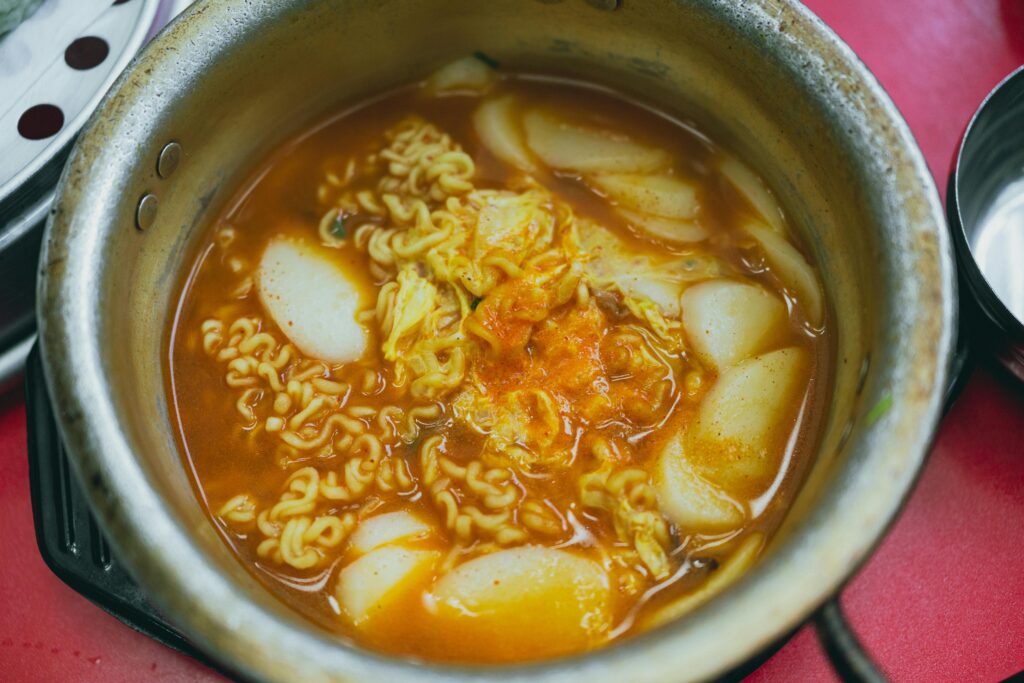
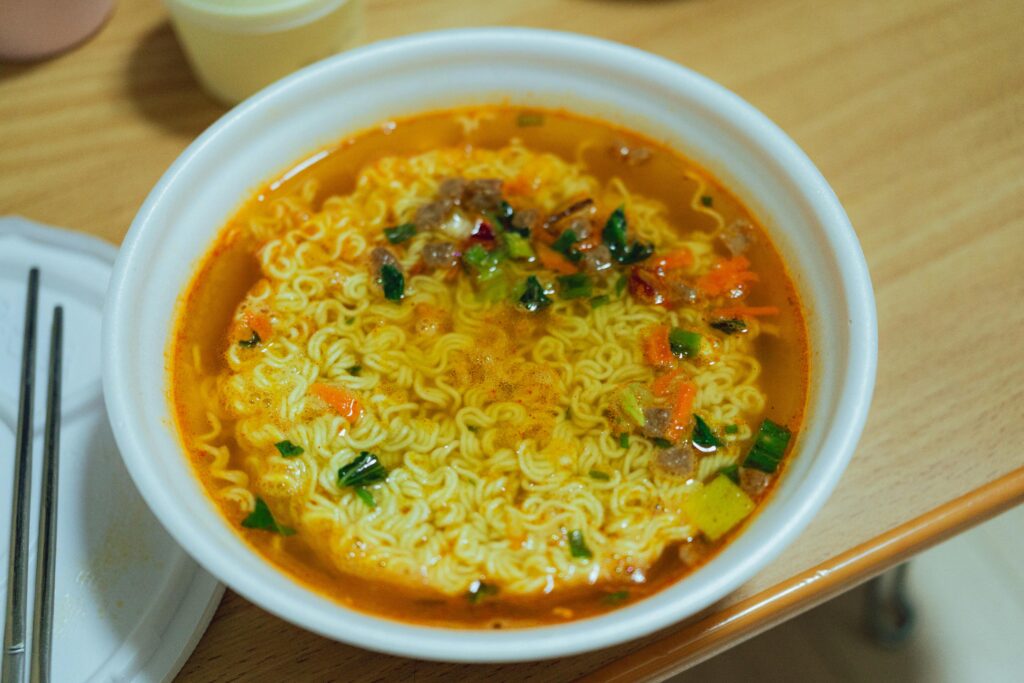
    While waiting for your chicken, head to the nearest convenience store in the park. You can buy a special foil bowl of instant ramen and cook it on an automatic ramen cooker. It only takes 3 minutes and tastes 100 times better outdoors!

    4. Rent a Picnic Set

    Don’t have a mat? No problem. Near the subway exits of major Han River parks, there are many rental shops. For about $10-$15, you can rent a full set including a mat, a small table, and even a portable battery or Bluetooth speaker.


    💡 Pro Tip for Travelers:

    • Trash: Please clean up your area before you leave. There are large designated trash disposal areas near the delivery zones.
    • Apps: Use Coupang Eats or Baemin. Some apps allow you to pay by card directly in the app, so you don’t need to worry about cash.

    What’s your favorite picnic food? Would you try the spicy Korean chicken or the original crispy one? Let me know in the comments!
  • 3 Legendary Korean Convenience Store Food Combinations (K-Convini Hacks)

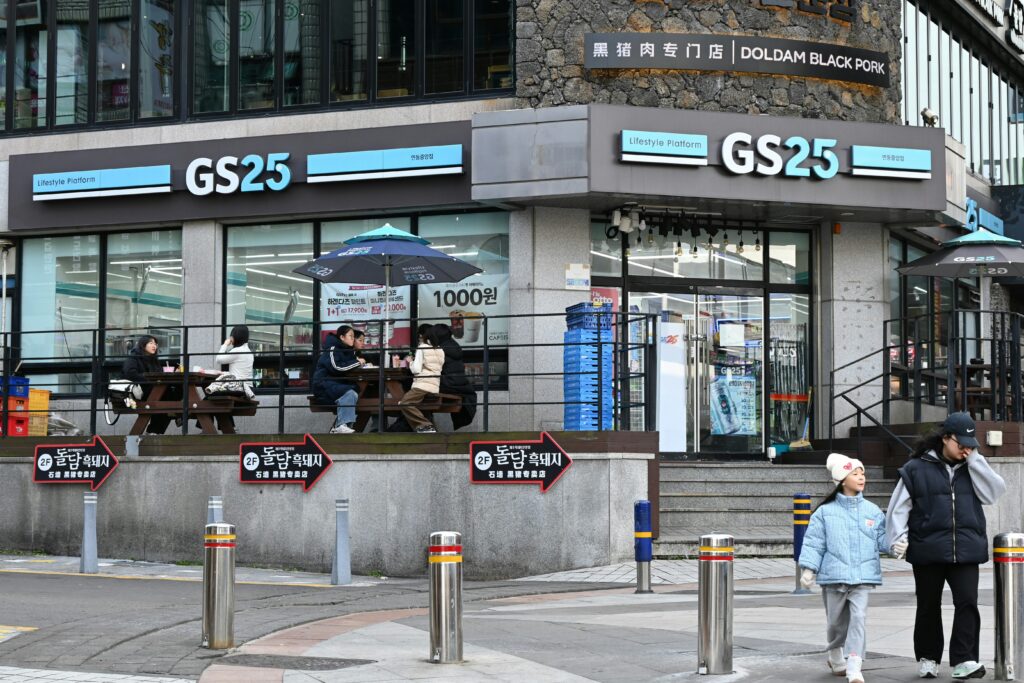
    If you’re in Korea, the convenience store (CU, GS25, 7-Eleven) is not just a shop—it’s a 5-star restaurant for foodies! Locals have created “Legendary Hacks” by mixing different products.

    Here are the top 3 food combinations that international travelers absolutely fall in love with.


    1. The “Mark-jeongsik” (Tteokbokki + Spaghetti Ramen)

    This is the most famous hack in Korea. You mix a cup of instant Tteokbokki with a cup of instant Spaghetti ramen, then top it with string cheese and a sausage. It’s sweet, spicy, and incredibly cheesy!

    • How to make: Cook both, mix them in the larger bowl, add cheese, and microwave for 30 seconds.

    2. The Ice Cup & Pouch Drink (The $2 Cafe)

    On a hot day, you’ll see everyone carrying a clear cup with ice. You buy a 700-won ice cup and a 1,200-won drink pouch (like Peach Tea or Blue Lemonade). It tastes just like a cafe drink but costs less than $2!

    • Tip: Try mixing Hazelnut coffee with a chocolate milk pouch for a delicious Mocha.

    3. Samgak Gimbap + Cup Ramen (The Classic)

    Never eat cup ramen alone! After finishing the noodles, Koreans drop a Samgak Gimbap (Triangular Rice Ball) into the remaining soup. The tuna-mayo or spicy pork filling mixes with the broth to create a whole new meal.


    💡 Pro Tip for Travelers:

    Most convenience stores have a dedicated area with hot water and microwaves. Don’t be shy! You can cook and eat right there. Also, look for “1+1” or “2+1” signs to get extra snacks for free.

    Which of these combinations would you try first? Let me know your favorite convenience store snack in the comments!
  • 5 Expert Tips for Navigating the Korean Subway Like a Pro

    The Seoul subway system is amazing, but with over 20 lines, it can be overwhelming for first-time visitors. Don’t worry!

    Here are 5 expert tips to help you navigate the Korean subway like a local.


    1. Get a T-money Card Immediately

    You can buy a T-money card at any convenience store or subway station. It’s not just for subways; you can use it for buses and even taxis. Plus, it gives you a discount on transfers!

    2. Download the “Subway Korea” App

    While Naver Map is great, the “Subway Korea” app is specialized for trains. It tells you the exact time of the next train, which car is closest to the exit, and even the fastest route for transfers.

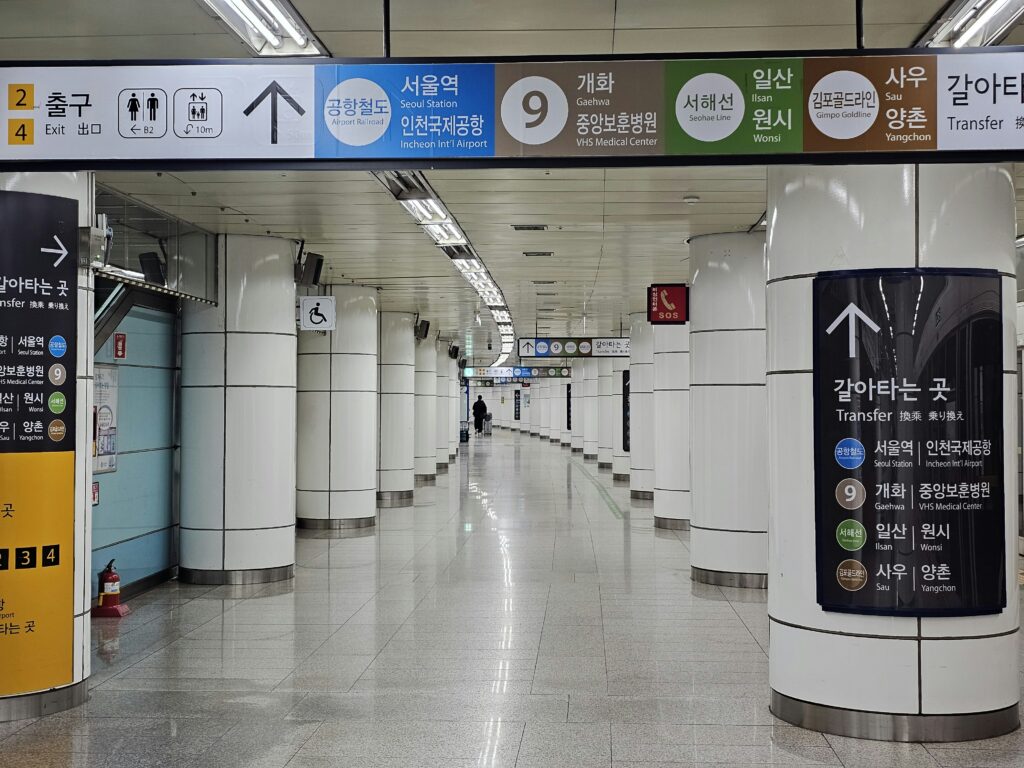
    3. Look for the Floor Numbers

    On the subway platform, look at the numbers on the floor (e.g., 5-2). The app will tell you that “5-2” is the fastest door for your next transfer. It saves you a lot of walking in big stations like Hongdae or Seoul Station.

    4. Use the Station Lockers

    If you have heavy bags, look for the “T-Locker”. These are digital lockers available at most stations. You can pay with your T-money card or credit card. It’s the best way to explore the city hands-free!

    5. Respect the Priority Seats

    In Korea, the seats at the ends of each car are strictly reserved for the elderly, disabled, and pregnant women. Even if the train is crowded, people usually leave these seats empty. Also, look out for the pink seats—these are specifically for pregnant travelers.


    What is the most confusing part about the subway in your country? I’d love to hear your stories!

  • How to Use Free Wi-Fi Everywhere in South Korea: A Tourist Guide

    South Korea is one of the most connected countries in the world. For travelers, staying connected is essential, and the good news is that you can find free Wi-Fi almost everywhere in Korea.

    Here is how you can stay online without spending a penny on data!


    1. Public Wi-Fi in Subways and Buses

    Did you know that Korean subways and buses offer free Wi-Fi? Look for network names like “Public WiFi Free” or “Seoul_WiFi”. While it might be a bit slower during rush hour, it’s perfect for checking maps or sending messages while on the move.

    2. The “Receipt” Secret in Cafes

    Almost every cafe in Korea, from Starbucks to small local shops, provides high-speed Wi-Fi for customers.
    Pro Tip: If you can’t find the password, check your receipt or look for a small sign near the pickup counter. It’s usually written there!

    3. Public WiFi Korea (Government Service)

    In major tourist areas like Myeongdong, Gangnam, or ancient palaces, the government provides free public Wi-Fi. Just look for the red and blue “Public WiFi” logo. It’s a lifesaver when you’re lost in the middle of the city.

    4. Convenience Stores and Department Stores

    Major convenience stores (CU, GS25) and large department stores like Lotte or Shinsegae also have their own free Wi-Fi zones. You don’t even need to buy anything to catch a quick signal in some cases.

    5. Is it Safe?

    While Korea’s public Wi-Fi is generally safe, avoid accessing your bank account or entering sensitive passwords on open networks. Using a VPN is always a smart idea for extra security.


    Do you think your country has better Wi-Fi than Korea? Let me know your experience in the comments!