Category: Korean Culture

  • Modern Seoul Style: How Tradition Inspires Contemporary Korean Interior Design

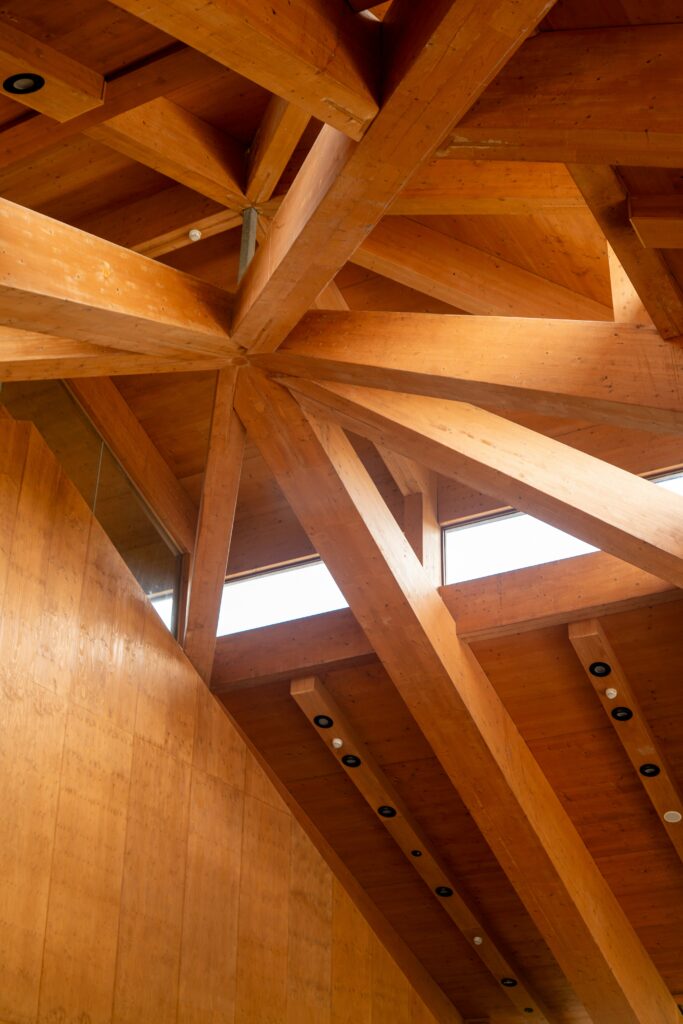
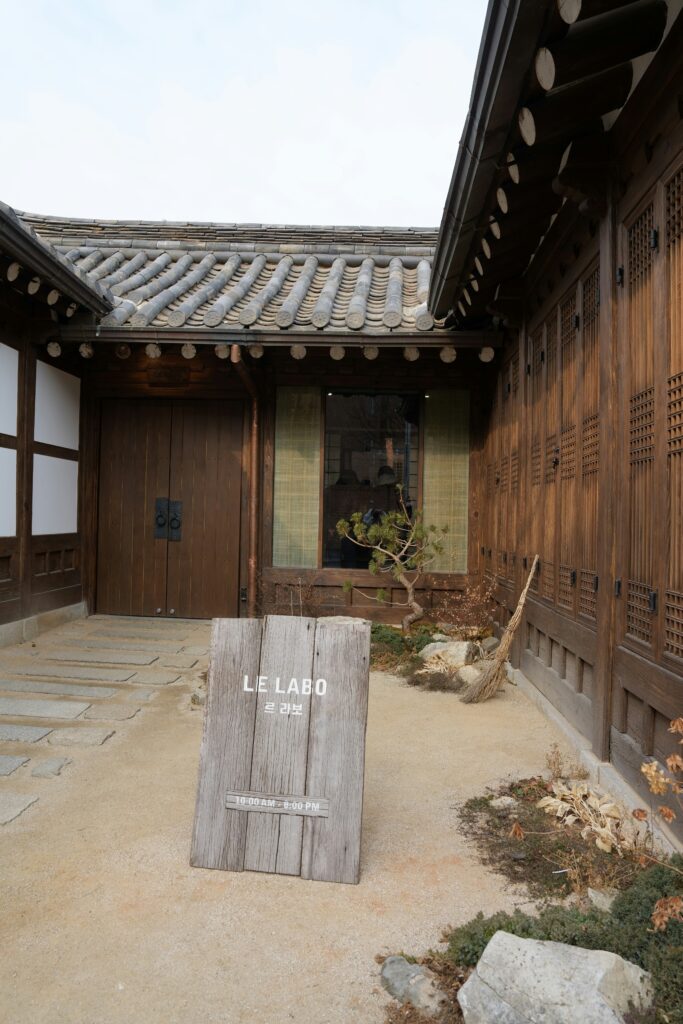
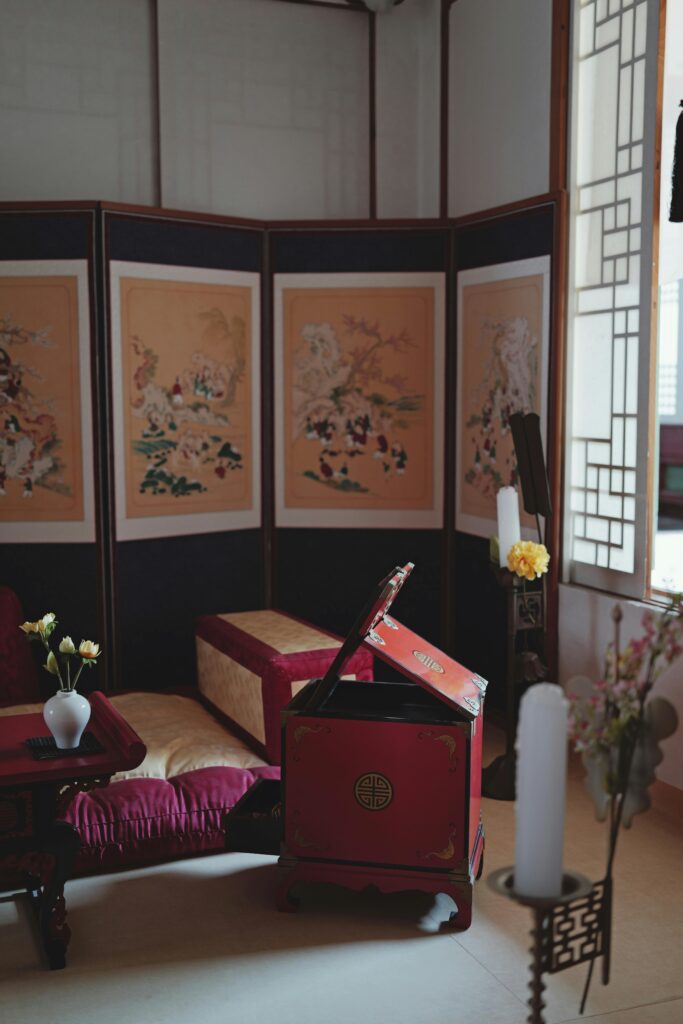
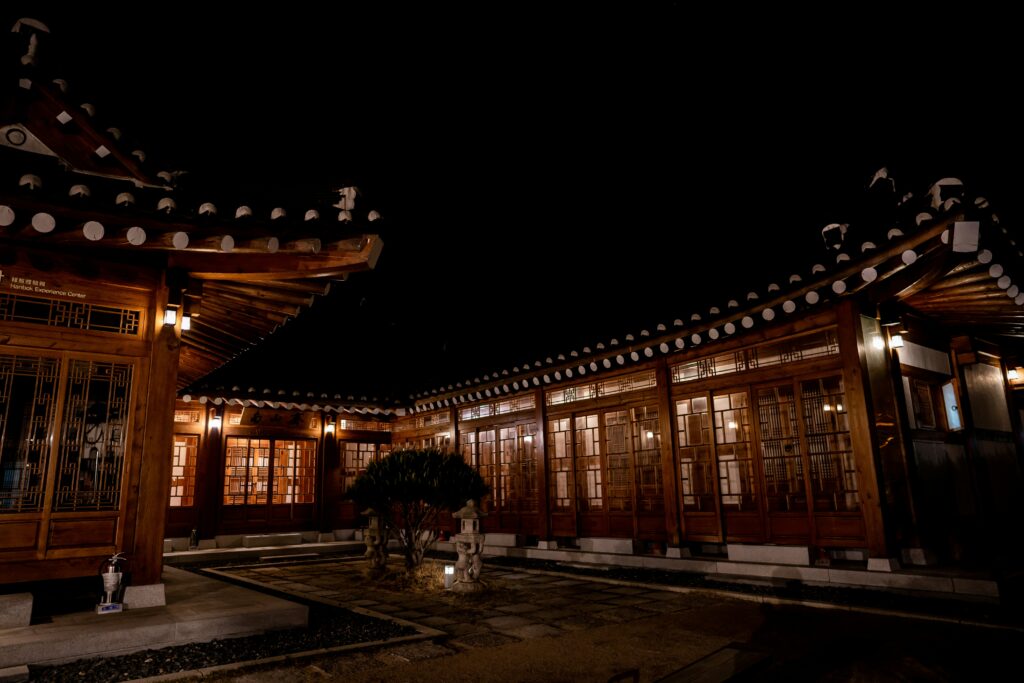
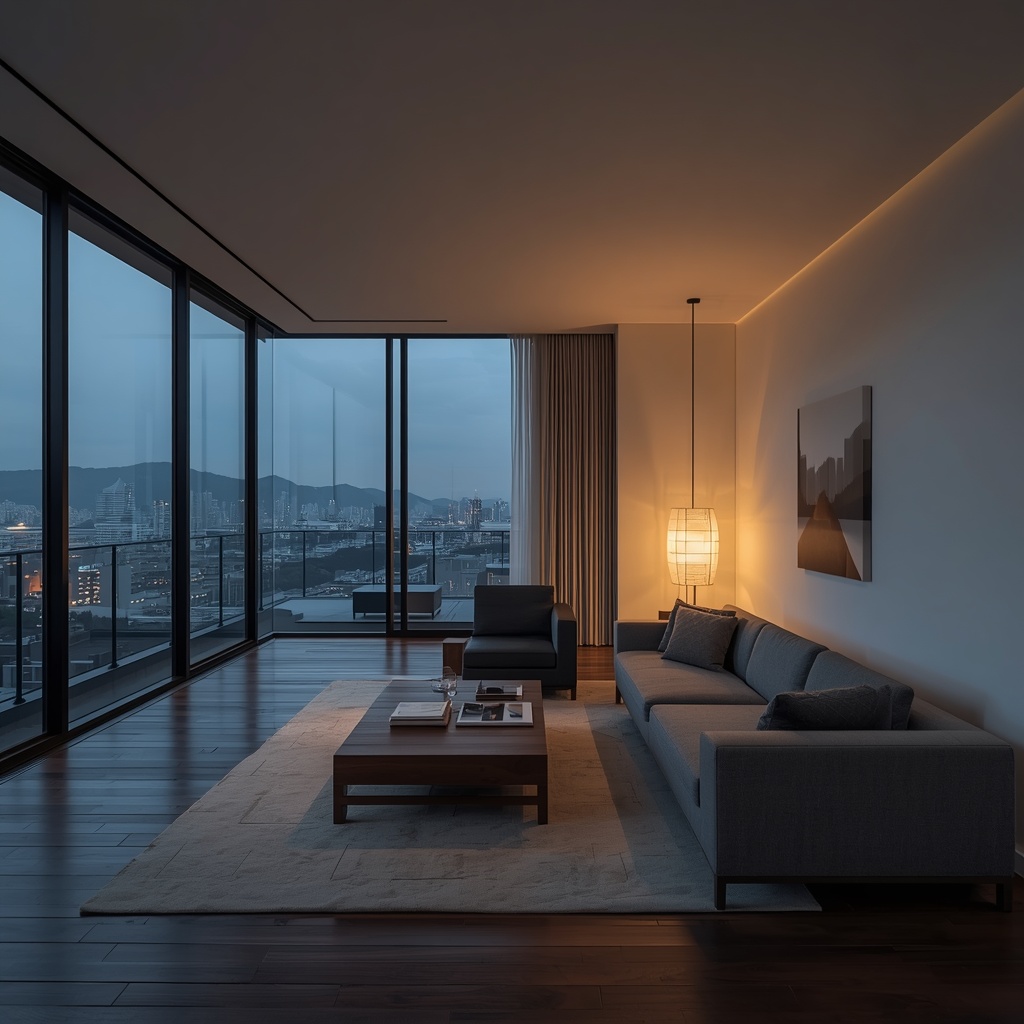
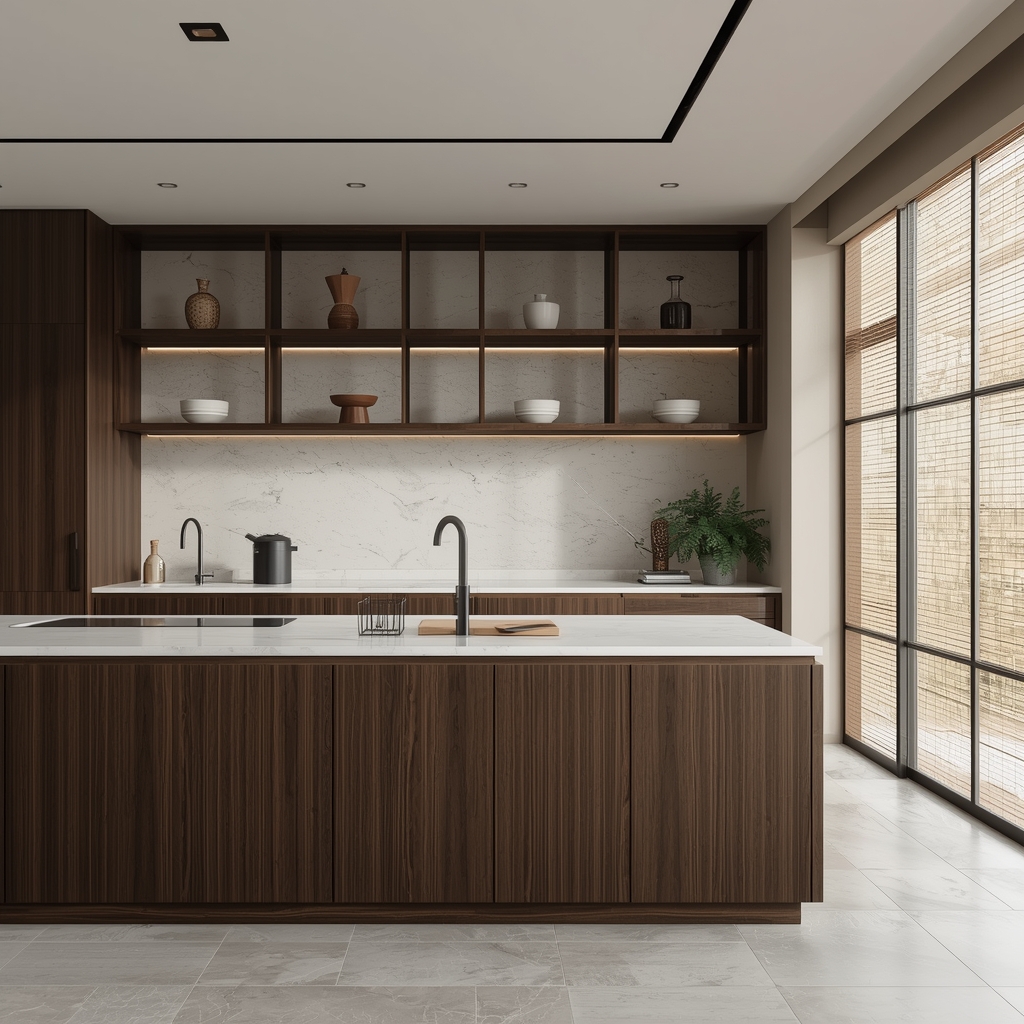
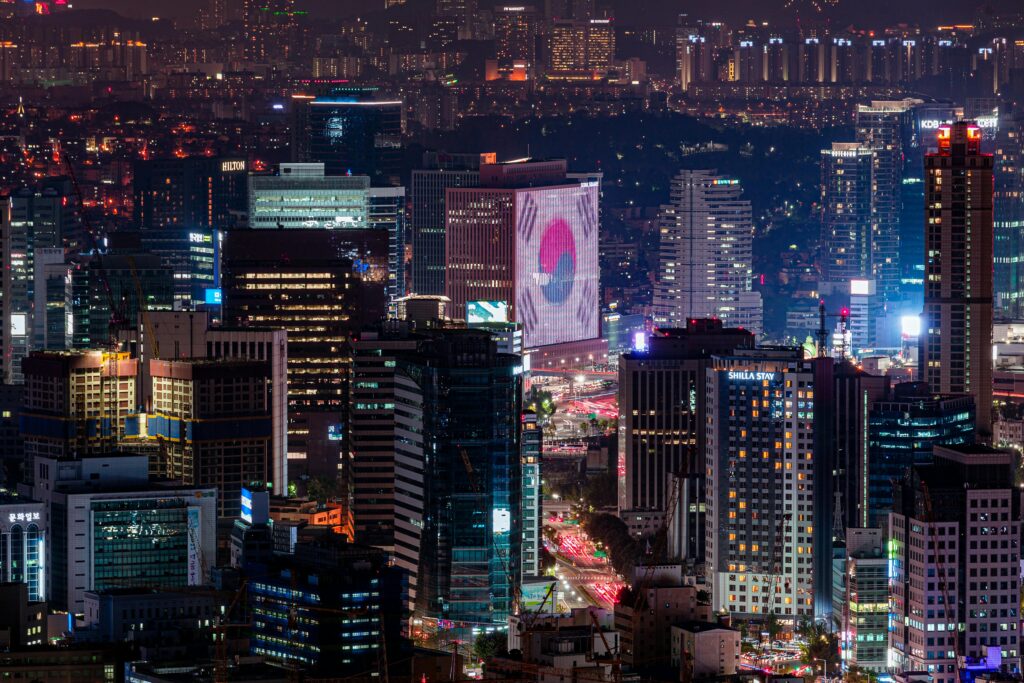
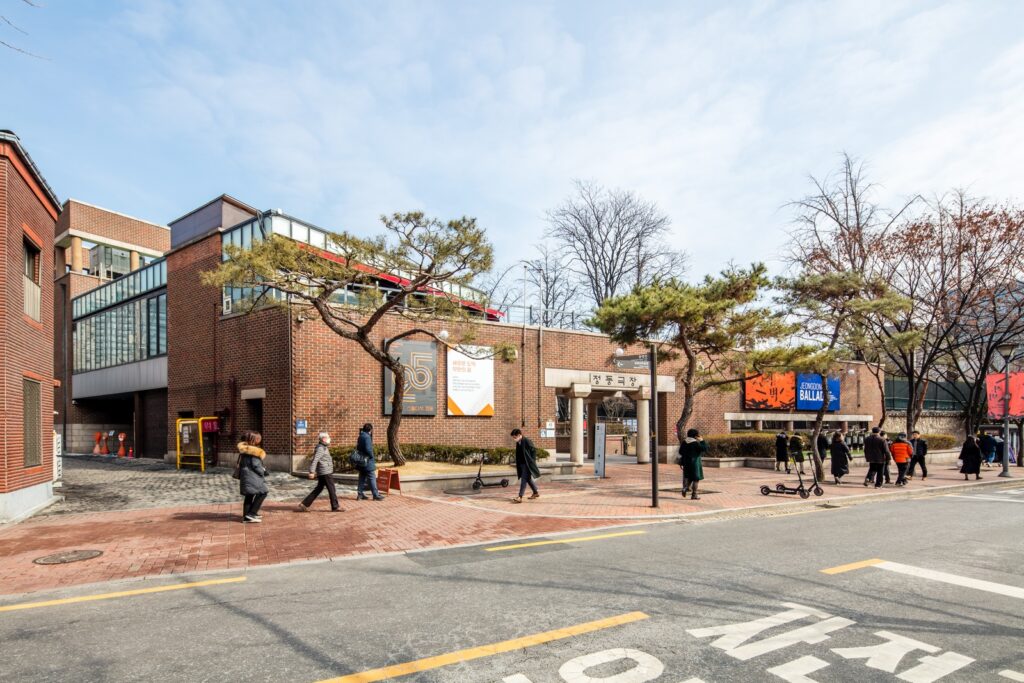
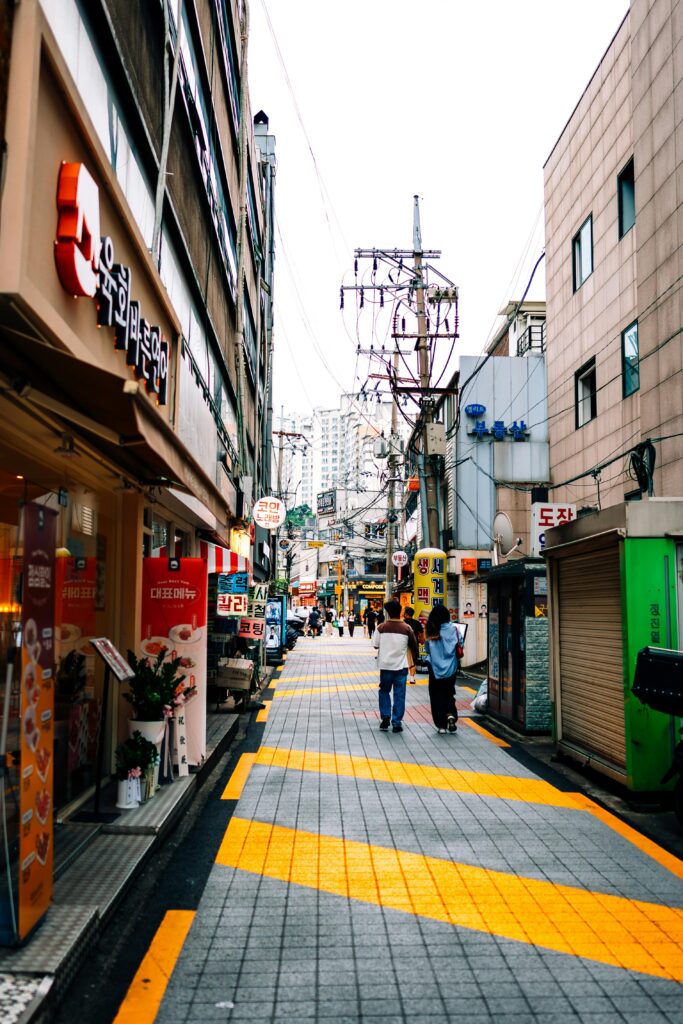
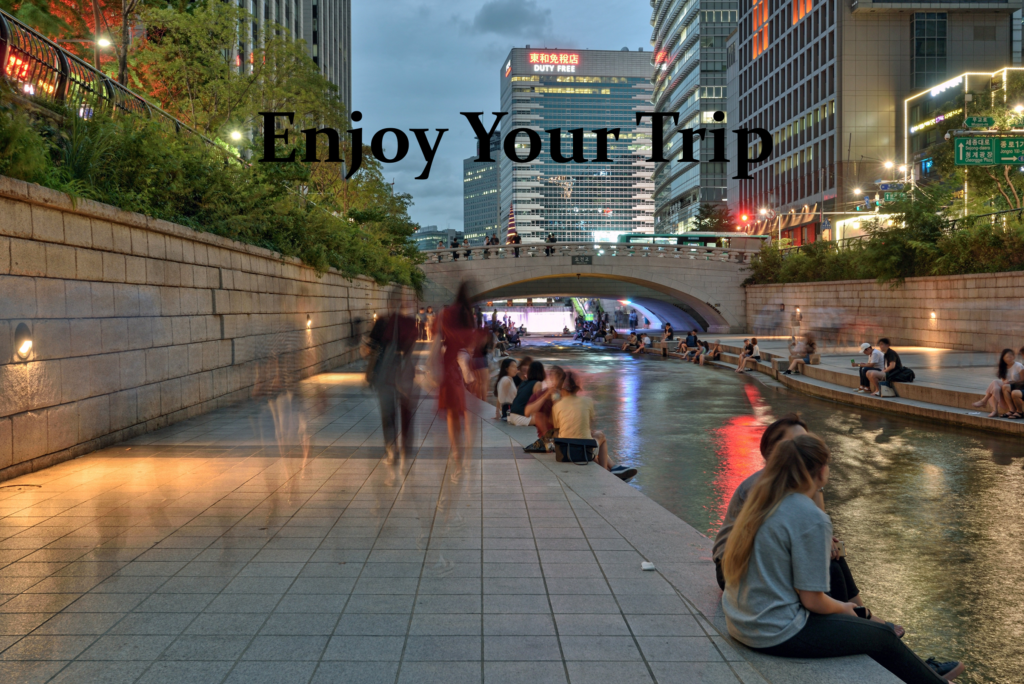
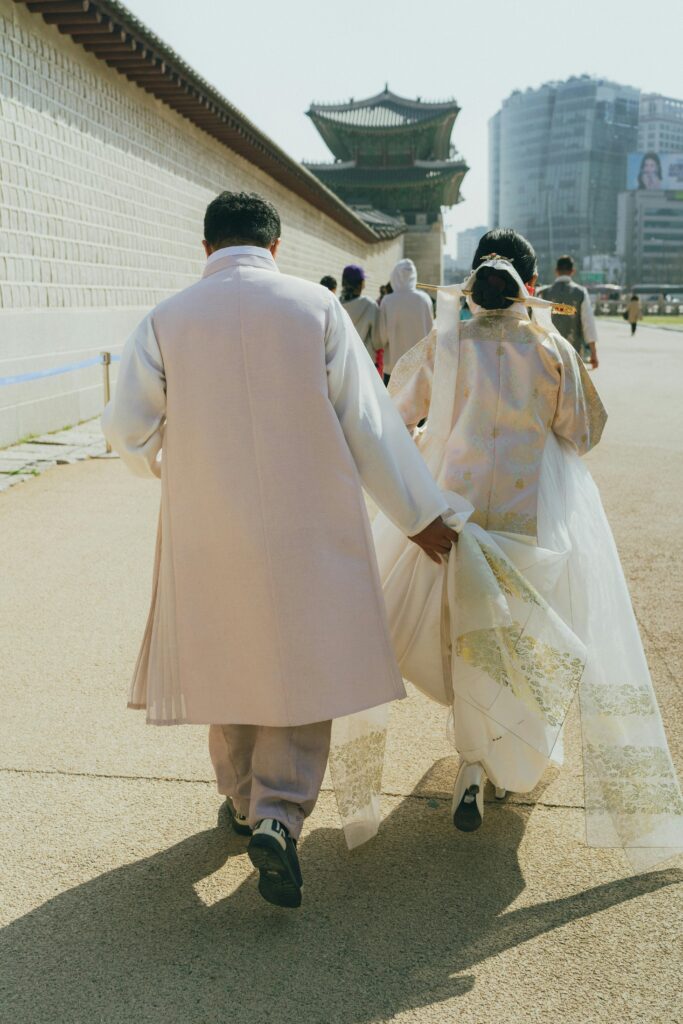
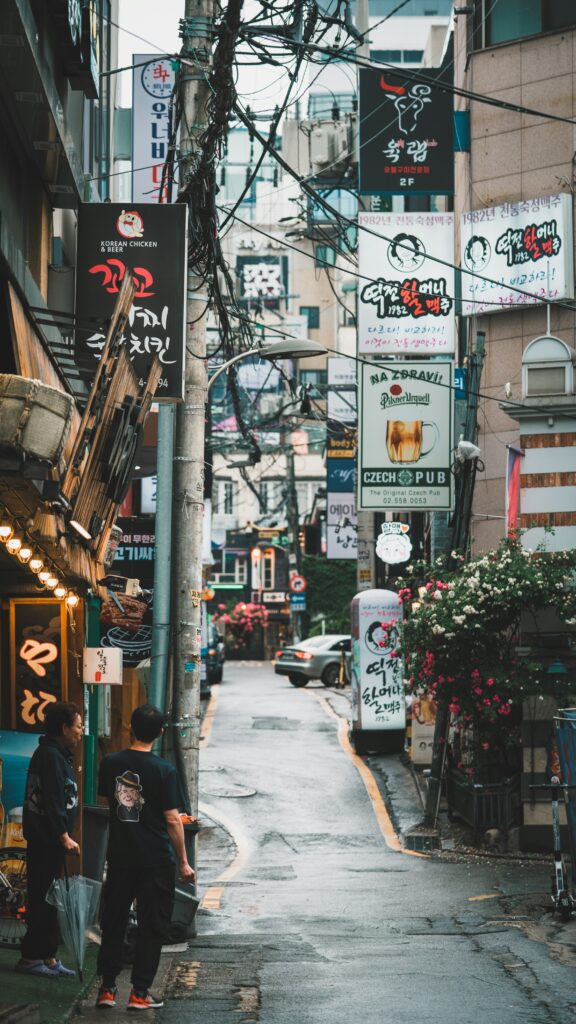
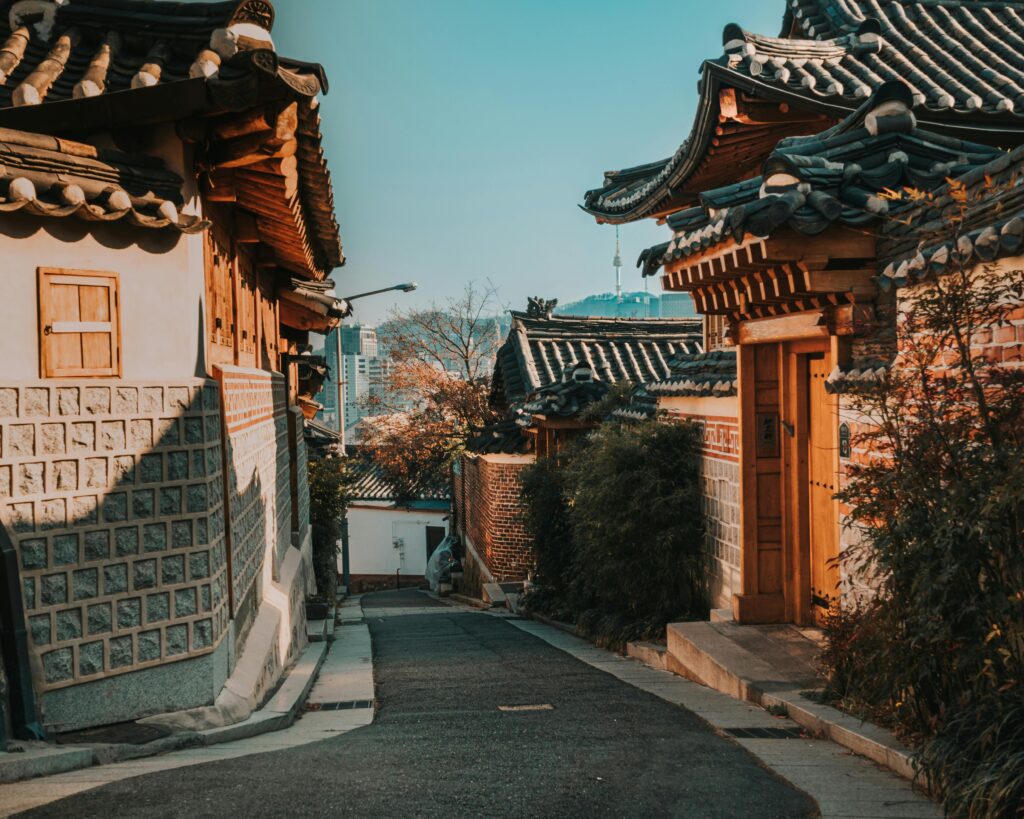
    Walking through the contrasting alleys of contemporary Seoul, I discovered that the ultimate power of design lies not in rejecting history, but in framing it through a modern lens. Seeing a minimalist glass horizon interact with a centuries-old timber beam completely redefined my curatorial compass forever.

    If you look at a modern luxury apartment in Seoul, you’ll notice something interesting. Even in the most high-tech buildings, there’s a deep respect for traditional aesthetics. This blend of “New and Old” is what makes Korean interior design so unique and peaceful.

    Here are 3 traditional elements that are shaping modern K-Interiors today.


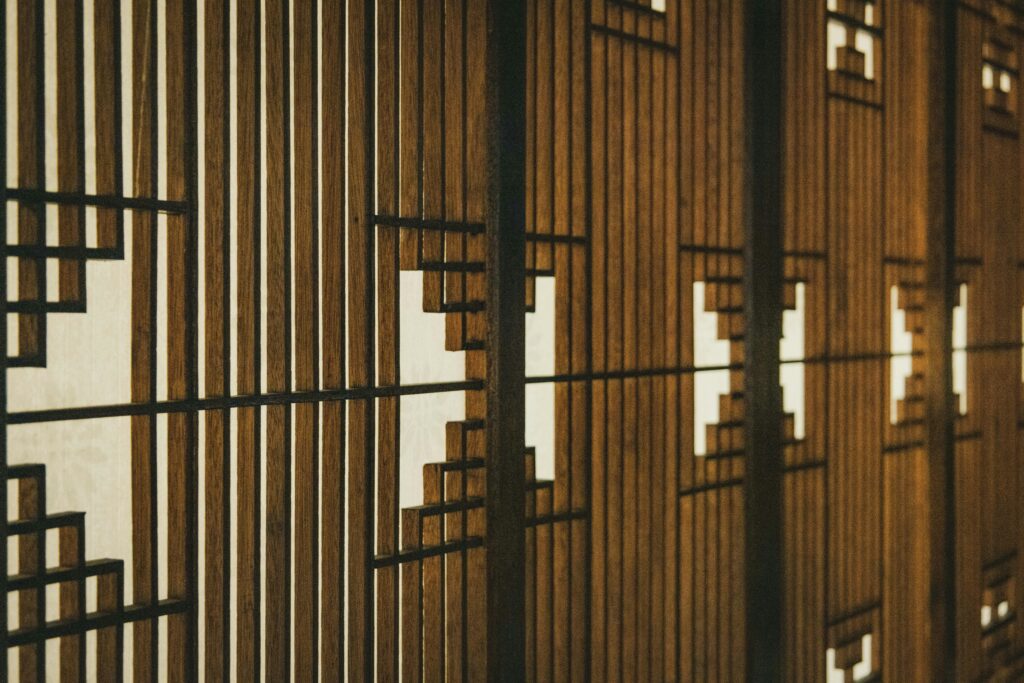
    1. “Chang-ho” Patterns in Modern Windows

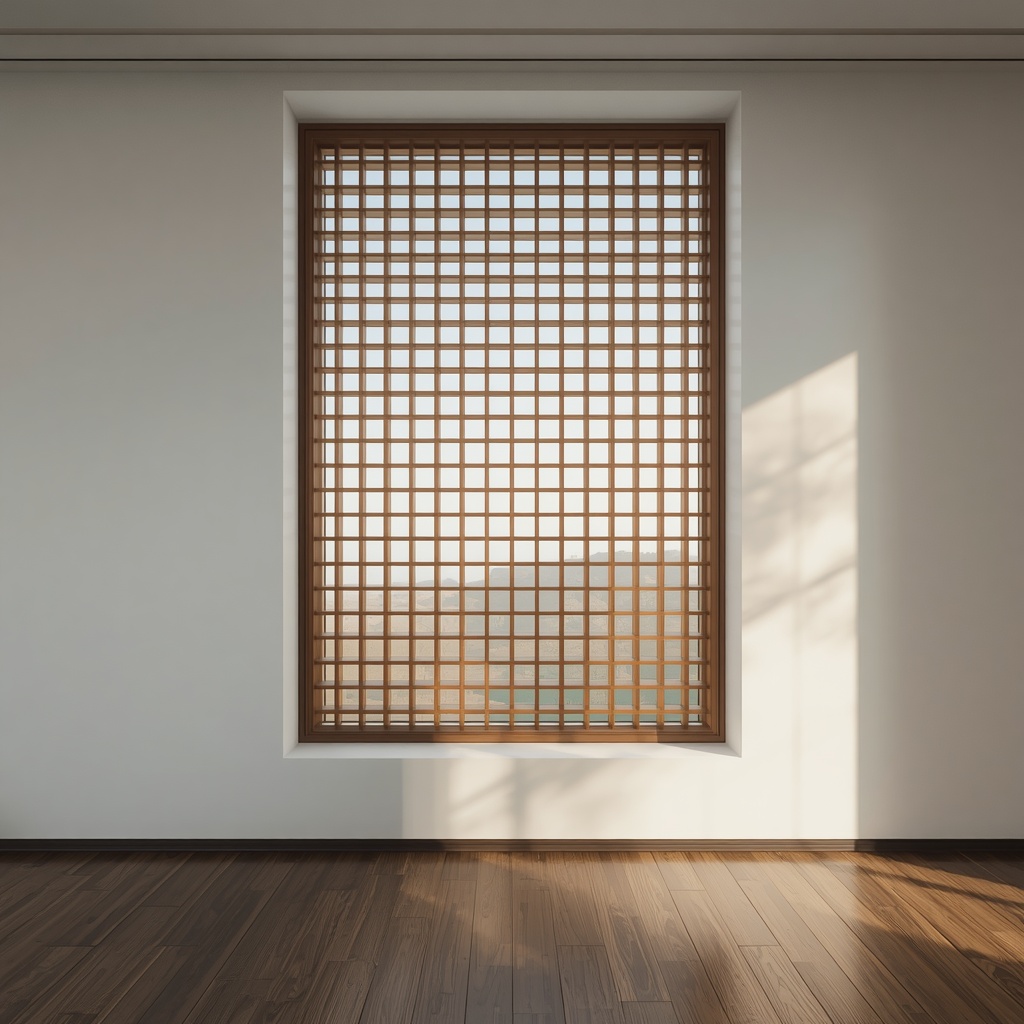
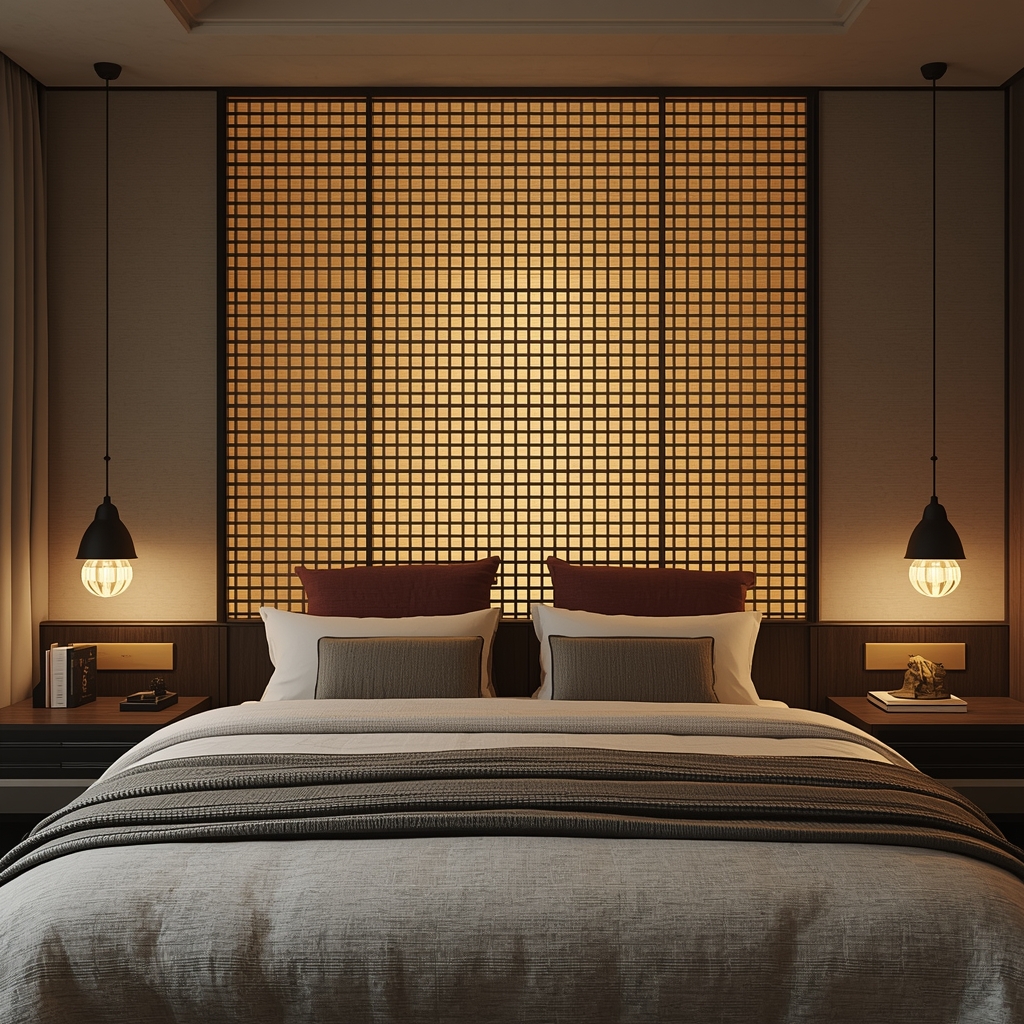
    The intricate wooden lattice patterns of traditional windows (Chang-ho) are being reinvented. You’ll often see these geometric patterns used as room dividers or decorative wall panels in modern condos. They provide privacy while letting soft, filtered light into the room, creating a calm atmosphere.

    2. The Return of the Low Tea Table

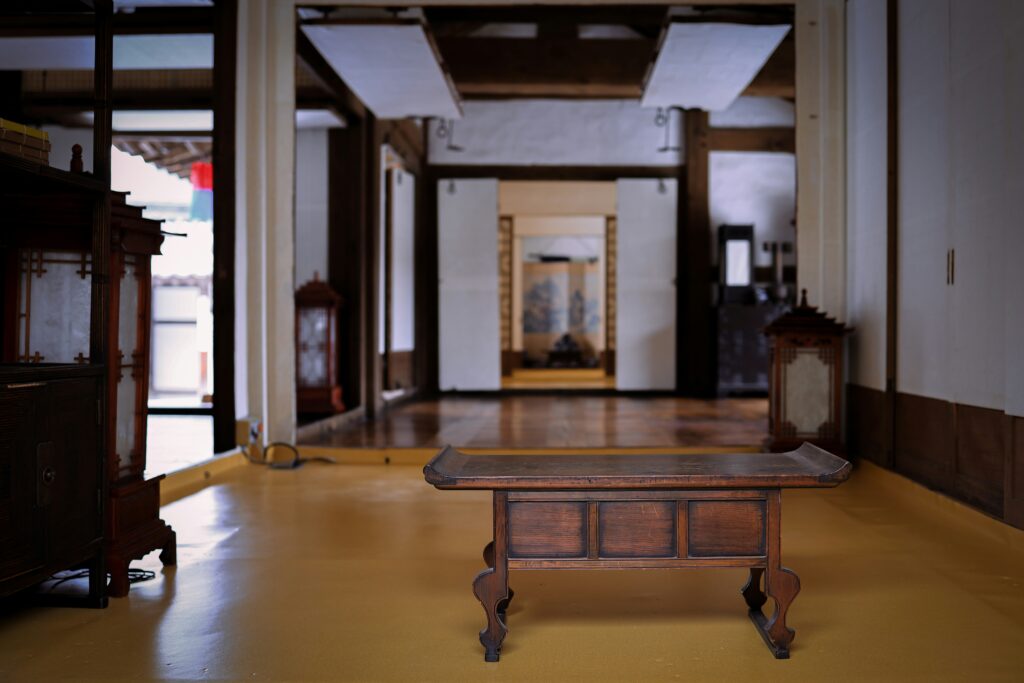
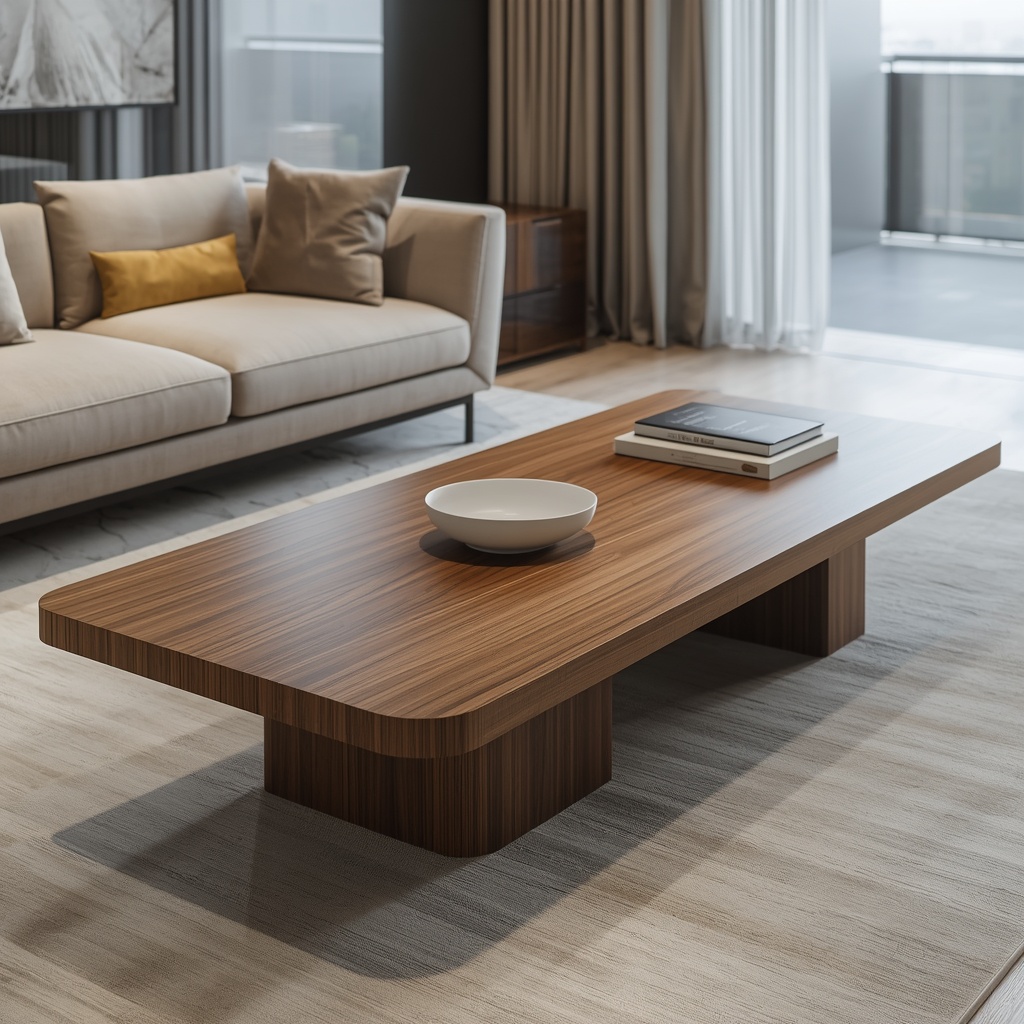
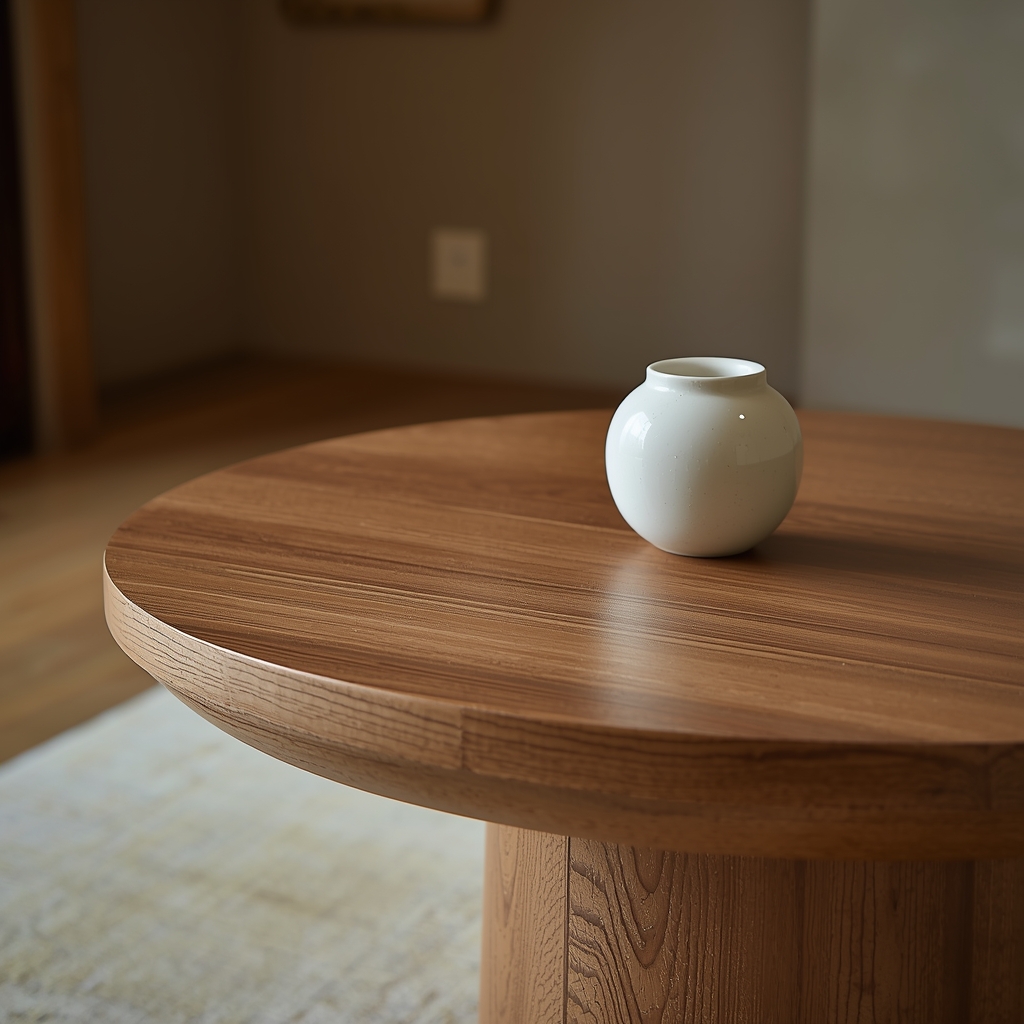
    While many Koreans use sofas, the heart of the home often still features a low, solid wood tea table. It’s a nod to the traditional floor-based lifestyle. Using a low table in your living room creates an intimate gathering space and makes the room feel much less cluttered.

    3. Natural Earthy Materials (Han-ji & Wood)

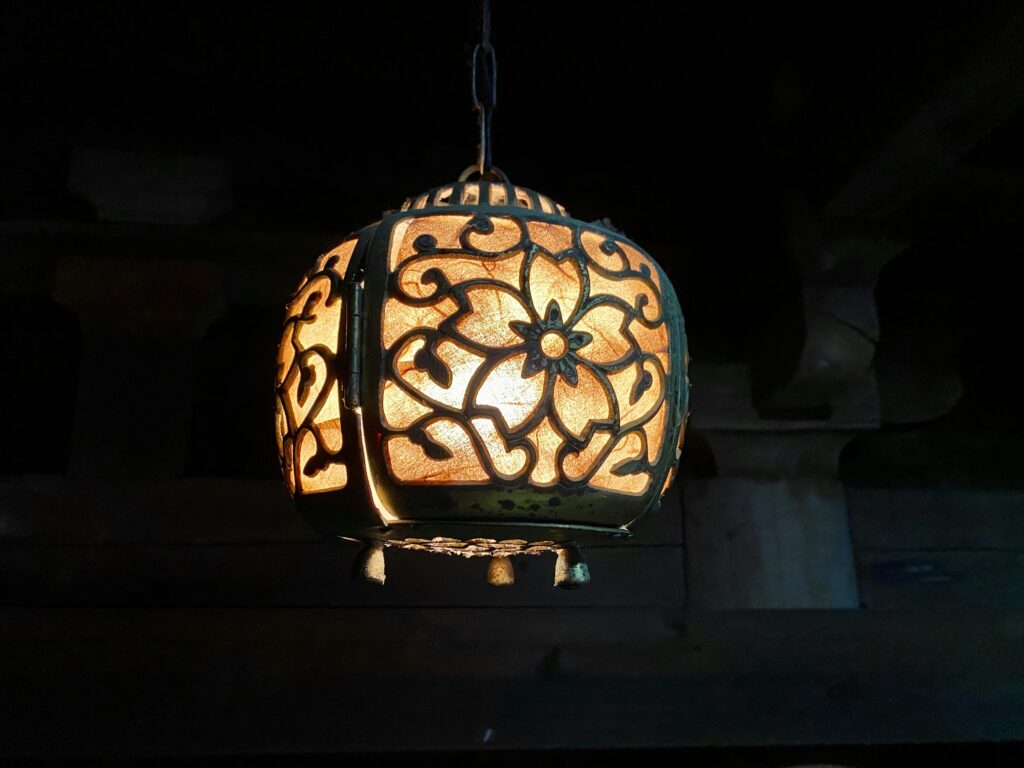
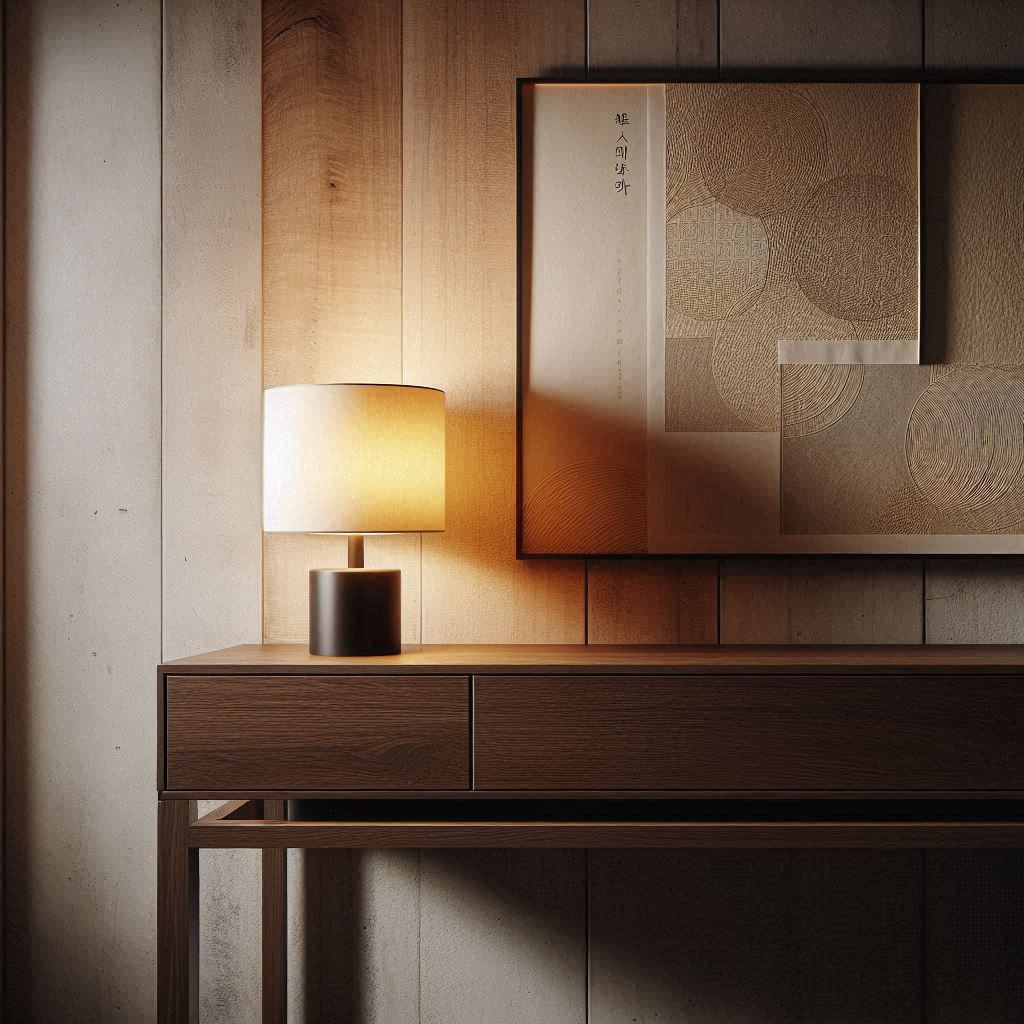
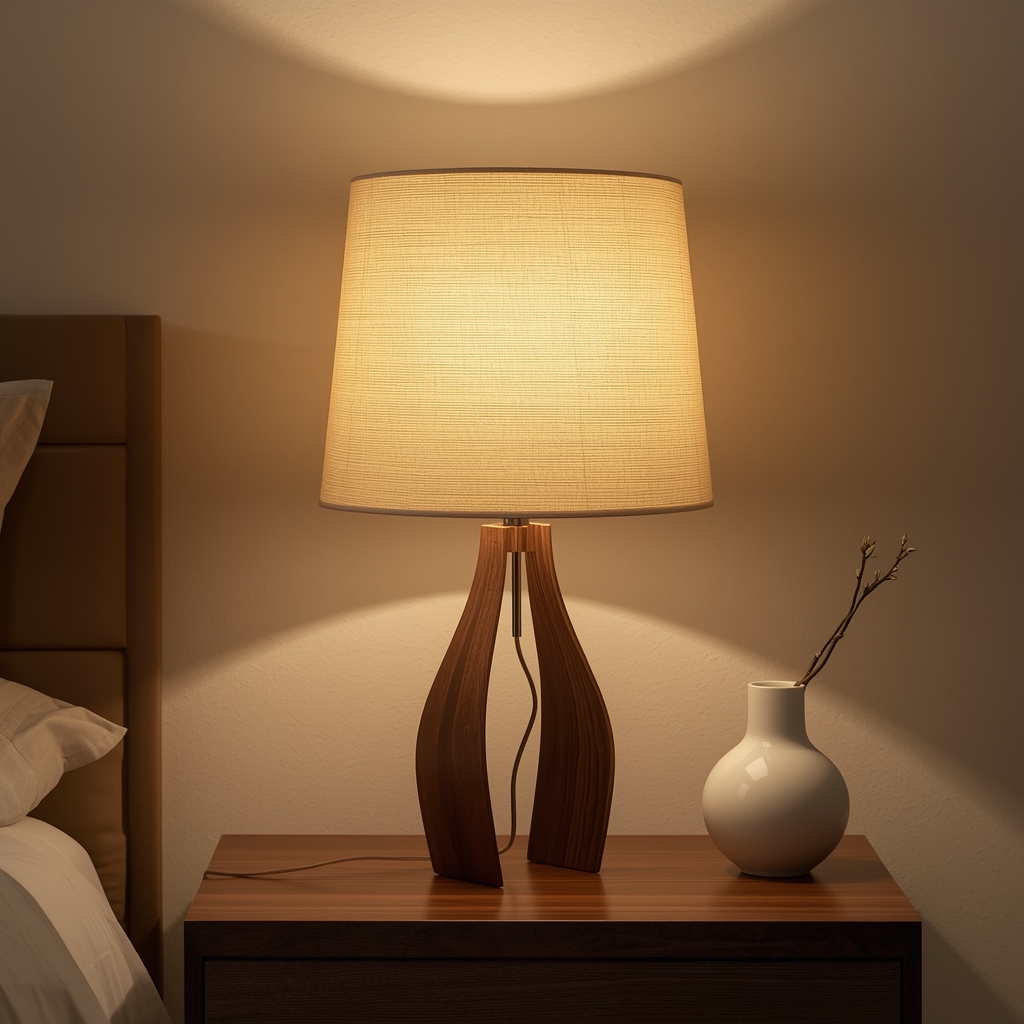
    Modern Korean designers love using natural materials. Han-ji (traditional handmade paper) is now used in minimalist lampshades to create a warm, sunset-like glow. Combining this with light-colored oak or walnut wood brings a sense of the “outdoors” inside, which is a core value of Zen living.

    (If you’re interested in how this minimalist look can make your home feel larger, don’t forget to check out my post on 3 Easy Ways to Bring Korean Interior Design into Your Home!)

    My Personal Design Tip: “Seoul style is all about the balance between the fast city life and slow traditional art. I always recommend placing a piece of traditional bronze or wood near a window with a city view to create a grounding anchor in a busy world.”


    💡 Design Tip:

    You don’t need to remodel your whole house! Adding just one “Han-ji” style lamp or a small wooden lattice frame to your wall can instantly give your living room a sophisticated “Seoul” vibe.

    Do you like the blend of traditional and modern styles? Or do you prefer purely modern designs? Tell me your thoughts in the comments!

  • 5 Best Plants to Create a Serene Korean-Style Garden in the US

    Creating a Zen-inspired garden doesn’t require expensive stones or huge ponds. Often, it starts with choosing the right plants that evoke a sense of peace and natural beauty.

    If you live in the US and want to add a “K-Style” touch to your yard, here are 5 hardy plants that fit perfectly!


    1. Korean Maple (Acer palmatum)

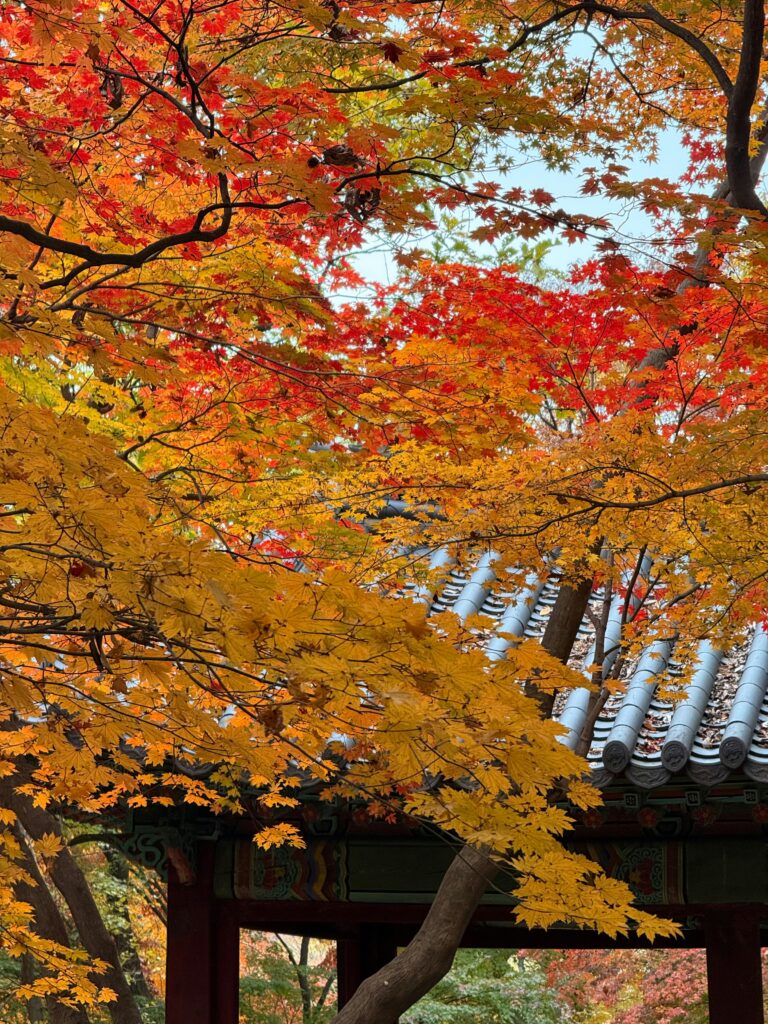
    Known for its delicate, lacy leaves and stunning autumn colors, the Korean Maple is the heart of many Zen gardens. It grows well in most US climate zones and provides a beautiful focal point for your backyard.

    2. Azaleas (Jin-dal-rae)

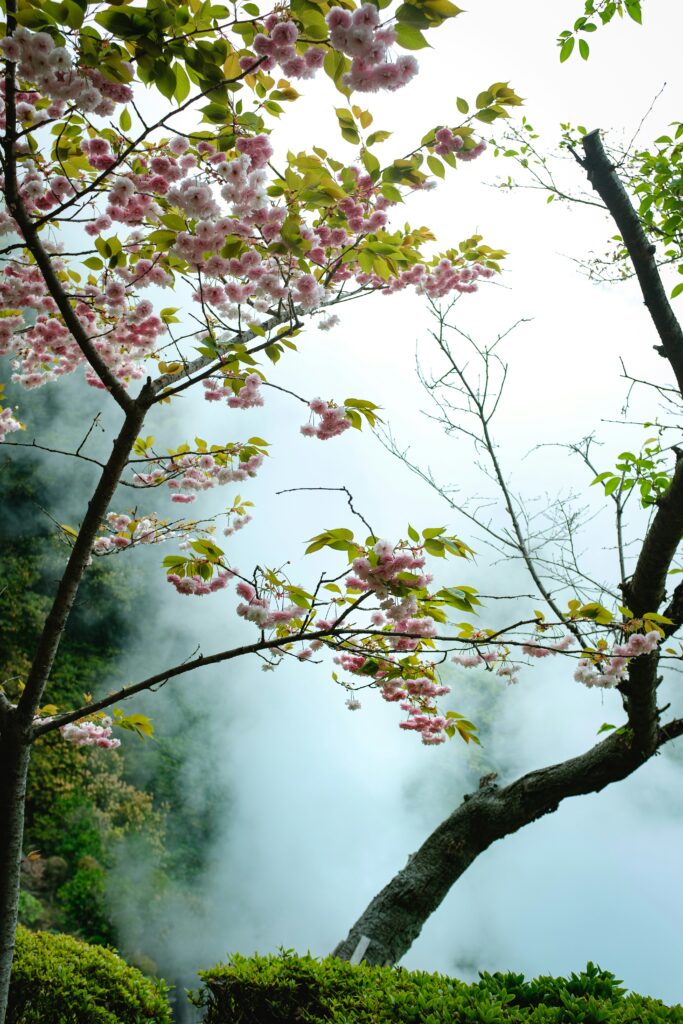
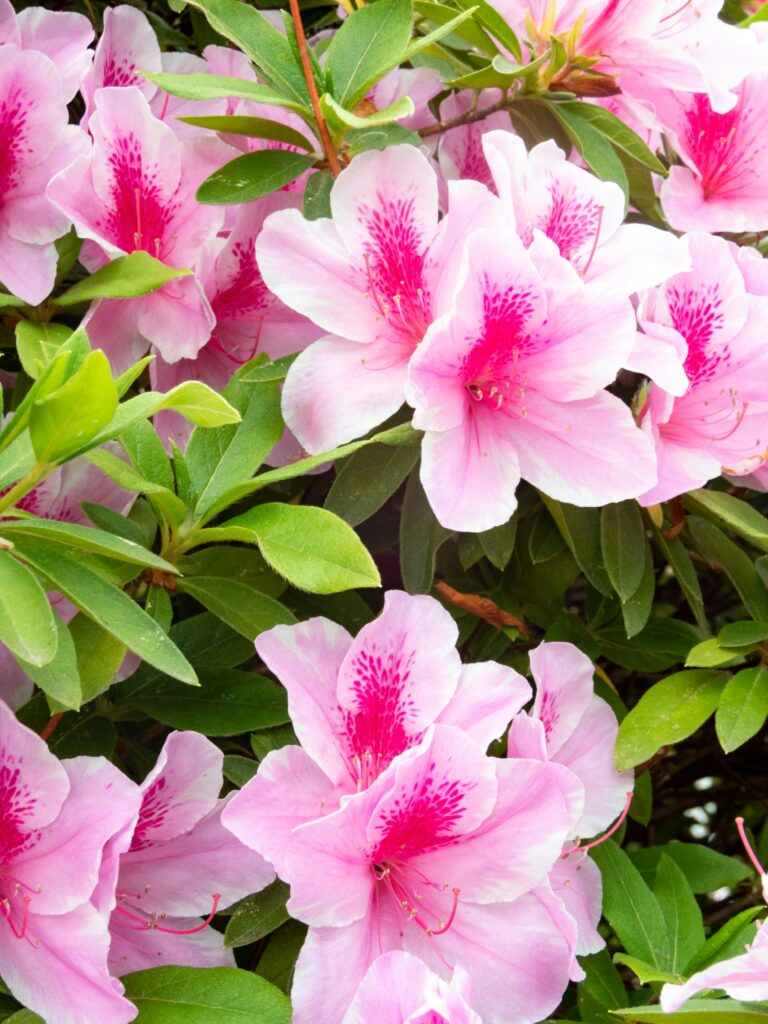
    In spring, Korea is covered in pink Azaleas. They are incredibly hardy and provide a burst of color. Planting them in clusters near rocks mimics the natural mountain landscapes of Korea.

    3. Bamboo (for Privacy and Sound)

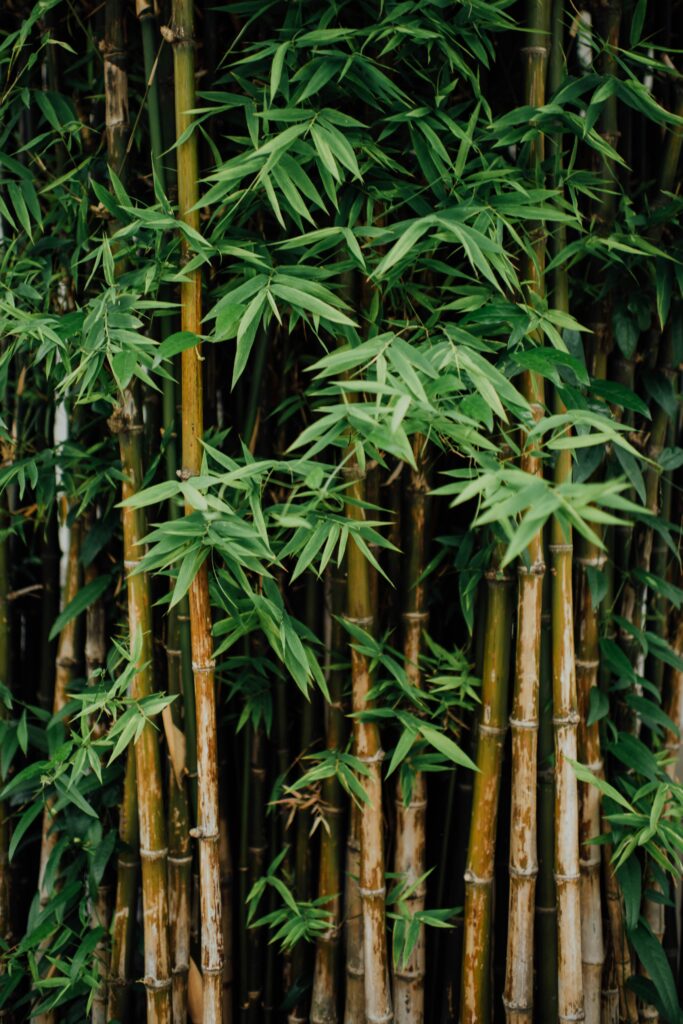
    Bamboo is essential for creating a private sanctuary. The sound of the wind through bamboo leaves is instantly calming.

    • Tip: Use “Clumping Bamboo” instead of “Running Bamboo” to keep it from spreading too fast in your American yard!

    4. Pine Trees (The Symbol of Longevity)

    Koreans love pine trees because they stay green all year. A small, carefully pruned pine tree near your entrance adds a touch of sophistication and “timelessness” to your home’s curb appeal.

    5. Moss (The Green Carpet)

    Don’t fight the moss! In Zen gardening, moss is highly valued for its velvet-like texture. If you have a shaded area, let the moss grow naturally around your stepping stones to create an ancient, peaceful look.

    (If you love this sense of peace and want to see how Korean design applies to indoor spaces, check out my previous post on K-Minimalism and Interior Design. It’s the perfect way to bring that Zen feeling inside your home too!)


    💡 Pro Tip for Gardeners:

    When planting, remember the concept of “Asymmetry.” Avoid planting in straight lines. In Korean design, nature is perfectly imperfect!

    Which of these plants is your favorite? Do you already have any of them in your garden? Let me know in the comments!
  • The Ultimate Guide to K-Zen Home: Crafting a Modern Sanctuary of Peace

    I still remember the sudden silence that enveloped me when I first stepped into an ancient Hanok in Seoul years ago. It wasn’t just quiet; it was a spatial healing. That is the essence of MARU.

    n an era of digital noise, the K-Zen Home is not just a trend; it is an architectural philosophy for the modern soul. Here is your definitive roadmap to curating a space of intentional stillness.

    Are you looking for a way to turn your home into a peaceful sanctuary? In the United States, “K-Minimalism” is becoming a popular trend. It’s not just about getting rid of stuff; it’s about creating a harmonious space that breathes.

    Here is how you can achieve the “K-Style” aesthetic in your own house or apartment.


    1. Low-Profile Furniture (The “Gwa-sik” Vibe)

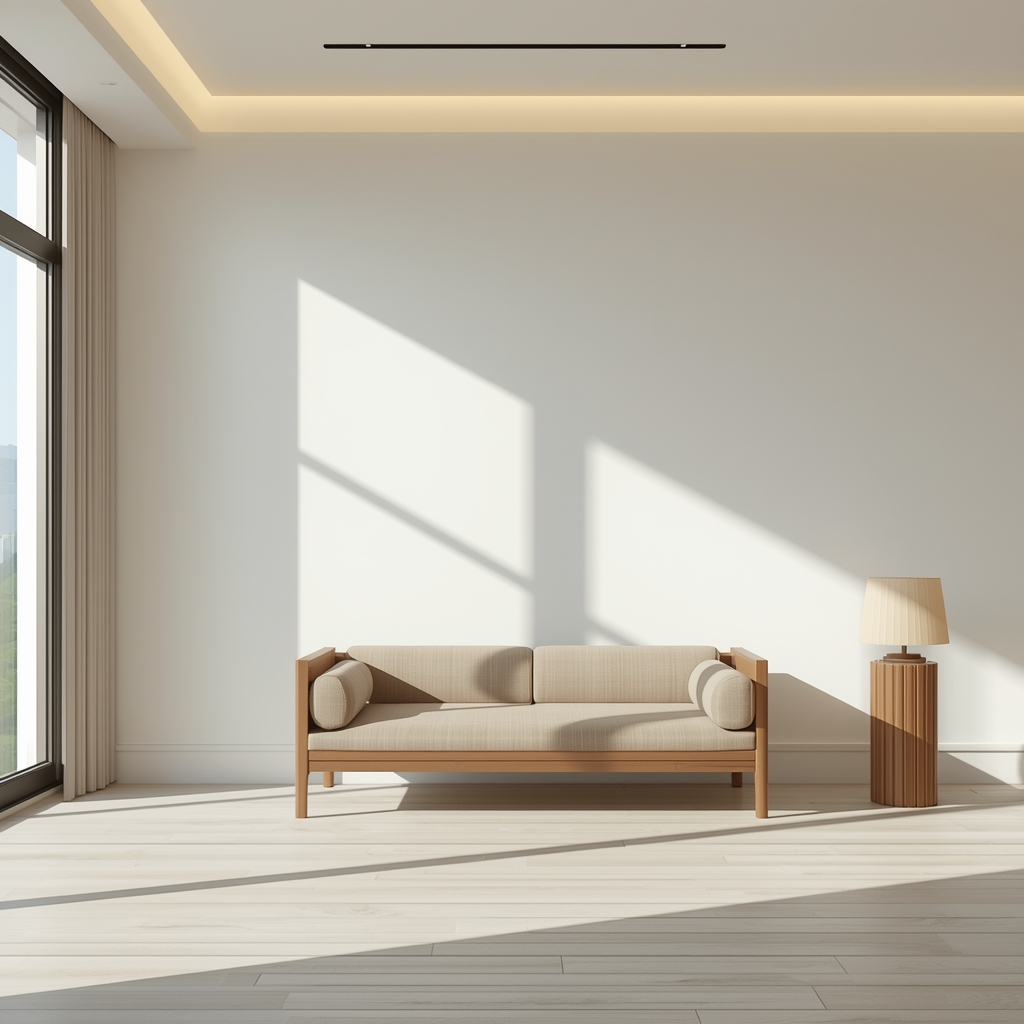
    In Korea, living close to the floor is a tradition. You can mimic this by choosing low-profile sofas, beds, and coffee tables. This makes your ceilings look higher and your room feel significantly more spacious—a perfect hack for smaller apartments in cities like New York or L.A.

    2. Natural Textures and Warm Tones

    K-Interior is all about comfort. Instead of cold, industrial materials, use light-colored woods, linen fabrics, and soft “Hanji” (traditional paper) lamps. These elements bring a “Zen” feeling to your bedroom, helping you de-stress after a long day.

    3. The Beauty of Empty Space (Yeo-baek)

    One of the core concepts of Korean art and design is “Yeo-baek,” or the beauty of empty space. Don’t feel the need to fill every corner of your room. Leaving some walls empty and choosing one or two “statement” pieces creates a sophisticated and high-end look.

    (While K-Minimalism focuses on ‘Yeo-baek’ (empty space), Korea also knows how to use space boldly. If you want to see the opposite extreme—a grand space filled with 50,000 books from floor to ceiling—don’t miss my post on Starfield Library. It’s a stunning example of Korean ‘Maximalism’ in public design!)

    My Personal Design Tip: “I believe true luxury isn’t about filling your home with expensive items, but about choosing a few pieces that speak to your soul. For a perfect K-Zen vibe, start by leaving 30% of your space entirely empty—this ‘Yeo-baek’ is the real secret to peace.”


    What do you think of the minimalist K-Style? Would you try low-profile furniture in your home? Let me know in the comments!
    Check out my new post about Modern & Traditional K-Interior!

    Love this style? You must see the beautiful Hanok Cafes in Seoul!

    Explore More of the K-Zen Lifestyle:

  • Starfield Library: The Most Beautiful Instagram Spot in the Heart of Seoul

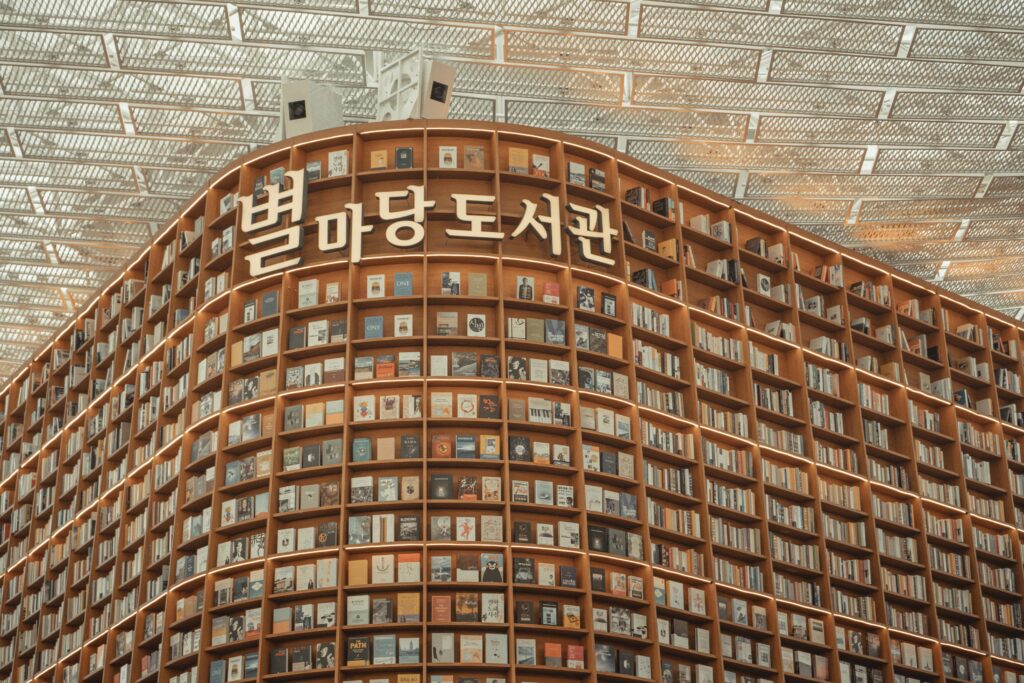
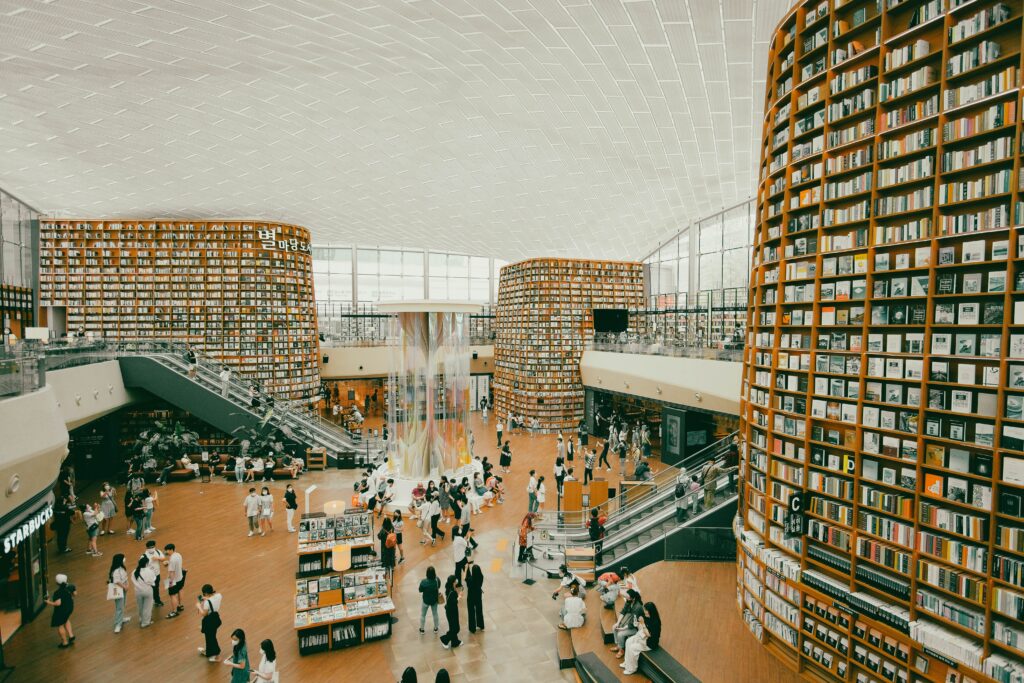
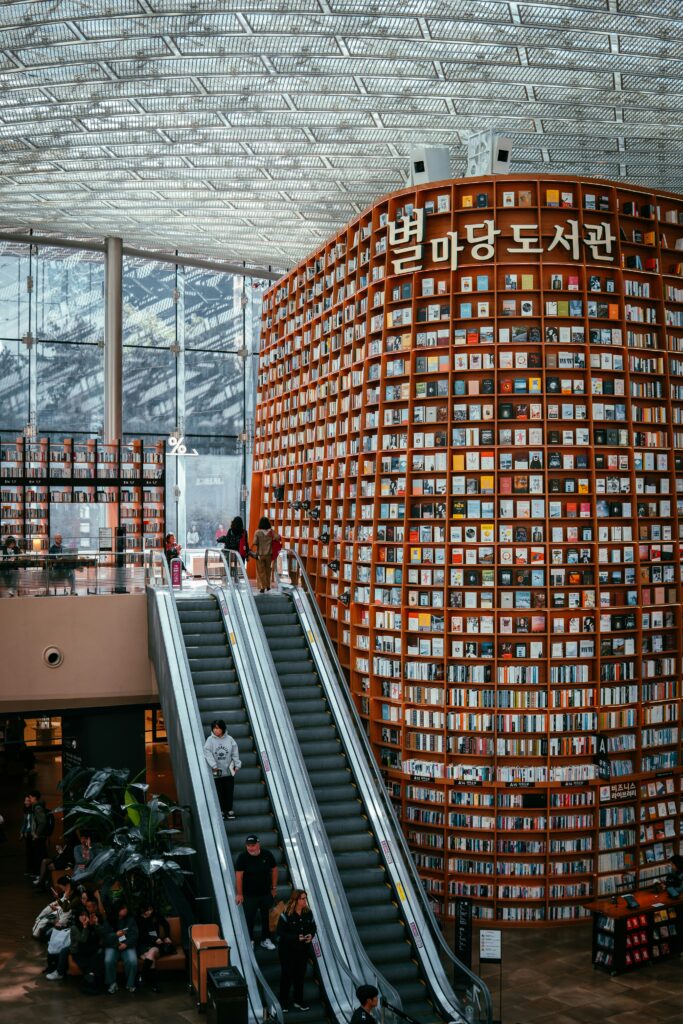
    If you’ve seen a photo of a massive, 13-meter tall bookshelf reaching the ceiling on Instagram, it’s probably the Starfield Library in Seoul. Located right in the middle of the COEX Mall, this is not just a library—it’s a masterpiece of modern architecture.

    Here is why you must visit this stunning open-space library.


    1. A Massive Wall of Knowledge

    The library features over 50,000 books and magazines. Even if you don’t read Korean, the sheer scale of the floor-to-ceiling bookshelves is enough to take your breath away. It’s the perfect place to feel the “intellectual vibe” of the city.

    2. The Best Photo Spot: The Escalator

    The most famous photo spot is the escalator running right next to the giant bookshelf. Try taking a “moving shot” as you go up or down. The natural light coming from the glass ceiling makes every photo look professional.

    3. A Place to Rest and Recharge

    Despite being in a busy shopping mall, the library offers plenty of seating with power outlets. It’s a great spot to take a break, charge your phone, and plan your next destination after a long day of shopping.

    4. Seasonal Decorations

    Starfield Library changes its central art piece every season. From massive Christmas trees to artistic installations, there is always something new to see.

    (Since it’s located inside a huge mall, you might also want to check out my guide on Essential Apps for Korea to find your way around the complex!)


    💡 Pro Tip for Travelers:

    Visit during the weekday mornings if you want to avoid the crowds and get a clear photo. Also, the library looks completely different at night when the bookshelves are beautifully lit up!

    Which book would you pick from these massive shelves? Let me know in the comments!
  • Find Your “Life Color” in Seoul: Why Personal Color Analysis is a Must-Do

    Have you ever wondered why some colors make you glow while others make you look tired? In Korea, finding your “Personal Color” has become a huge trend, and now travelers from all over the world are flocking to Seoul to get diagnosed by experts.

    Here is why you should add a Personal Color Analysis to your Korea travel itinerary!


    1. What is Personal Color Analysis?

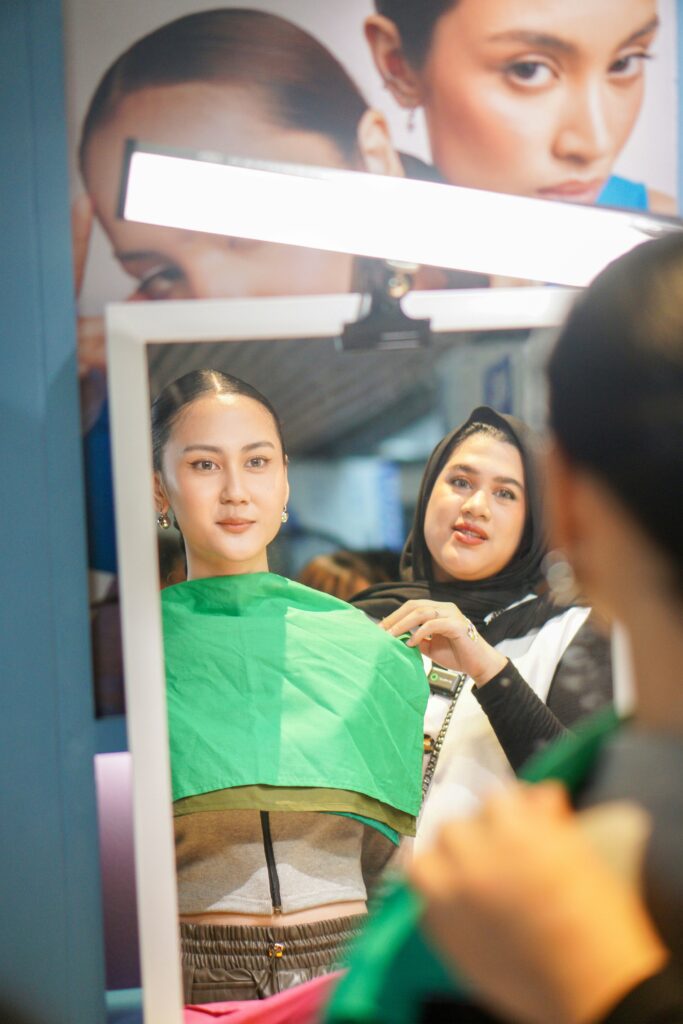
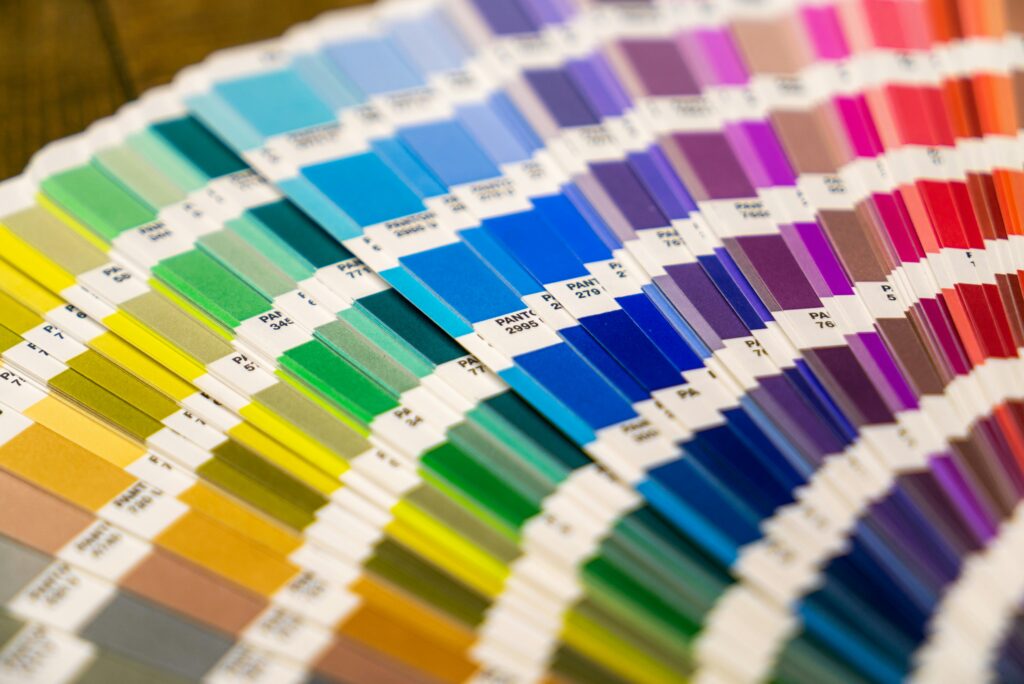
    It’s a professional service where an expert uses dozens of different colored fabrics to see which shades match your skin tone, hair, and eyes. You’ll find out if you are a “Spring Warm,” “Summer Cool,” “Autumn Warm,” or “Winter Cool.”

    2. A Total Makeover Experience

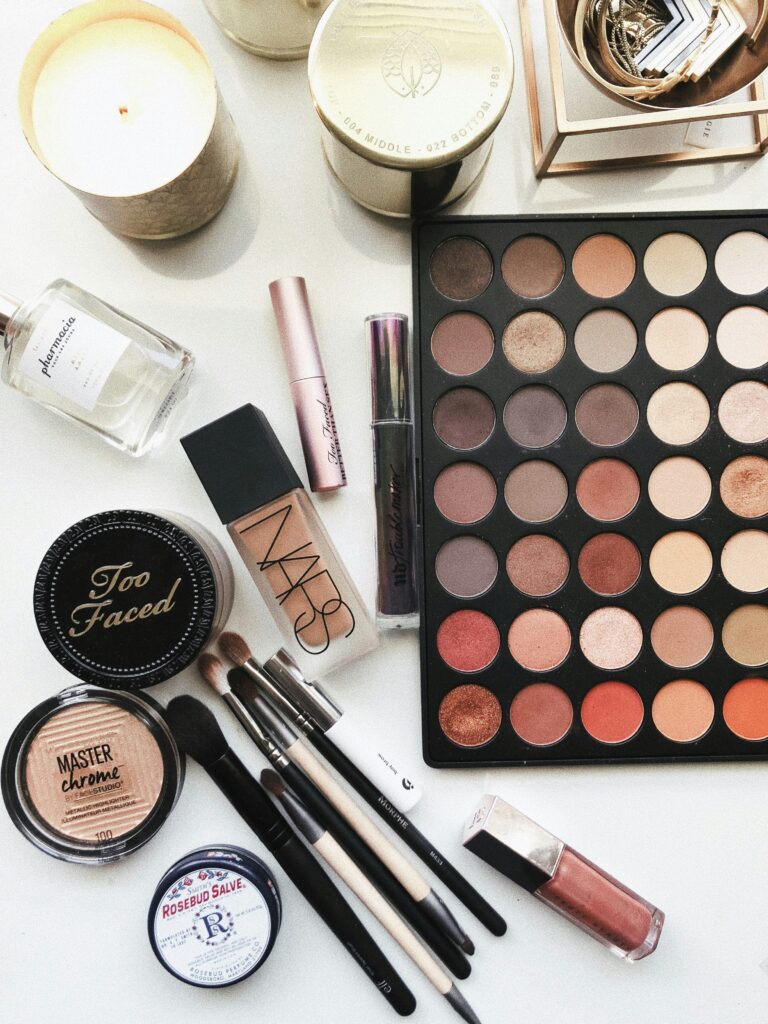
    Once you find your best colors, the experts don’t stop there. They will go through your current makeup pouch and recommend the perfect lipstick, foundation, and even hair color that suits you best. It’s like having a professional stylist for an hour!

    3. Why Korea?

    Korea is the world leader in K-beauty and skin science. The consultants in Seoul are highly trained and often provide English or Chinese translation services. It’s an investment that helps you shop smarter for clothes and cosmetics for the rest of your life.

    (After getting your color analyzed, you’ll know exactly what to buy at the store! Check out my guide on Shopping at Olive Young to find your perfect products.)


    💡 Pro Tip for Travelers:

    These studios are extremely popular! I recommend booking at least 1-2 months in advance. Popular spots in Hongdae and Gangnam fill up very quickly.

    Do you know your personal color? Would you like to try this experience in Seoul? Let me know in the comments!
  • Seoul Nightlife Guide: Hongdae vs. Gangnam – Which One is for You?

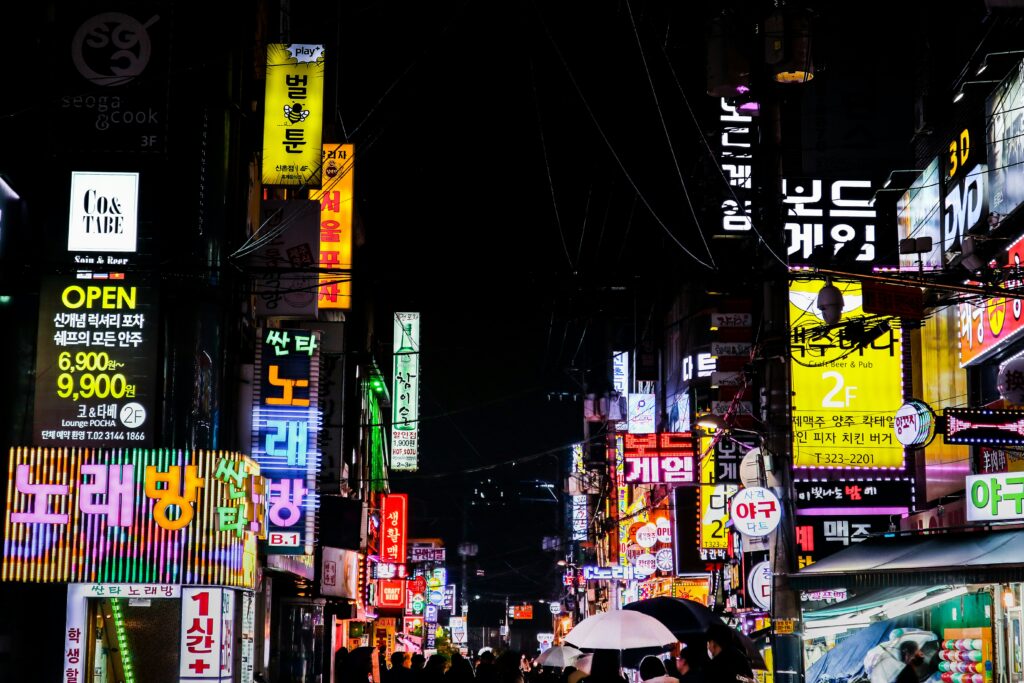
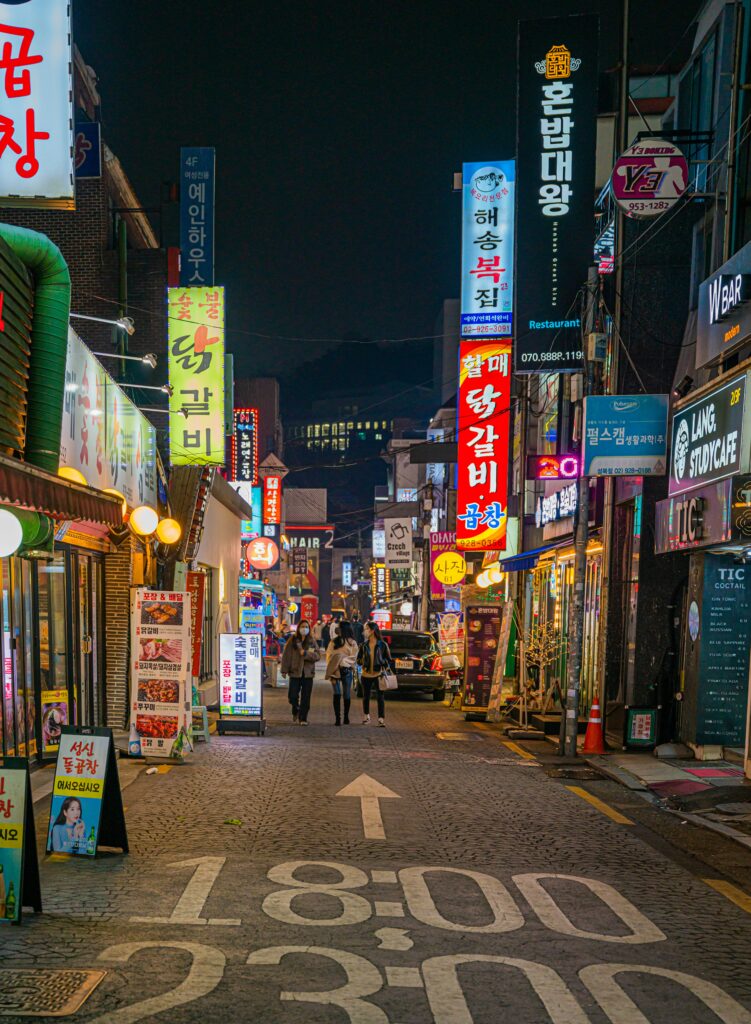
    When the sun goes down, Seoul transforms into a city that never sleeps. Whether you want to dance all night or enjoy a classy cocktail, Seoul has it all.

    (Before you head out, make sure you have the essential apps for Korea ready on your phone!)


    1. Hongdae: The Heart of Youth and Indie Culture

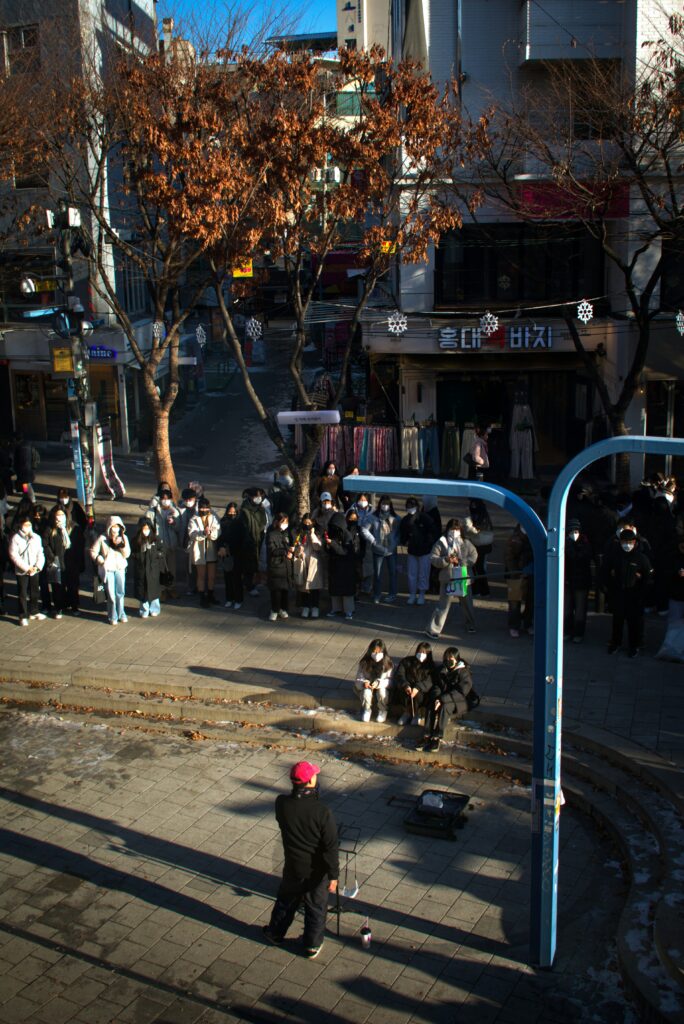
    If you love street art and live music, Hongdae is your place.

    • Vibe: Youthful and energetic.
    • What to do: Watch talented buskers and hit the indie clubs. If you get hungry while partying, you can always find amazing Korean street food around every corner.

    2. Gangnam: Luxury, Style, and High-End Vibes

    This district is all about sophistication.

    • Vibe: Fancy and upscale.
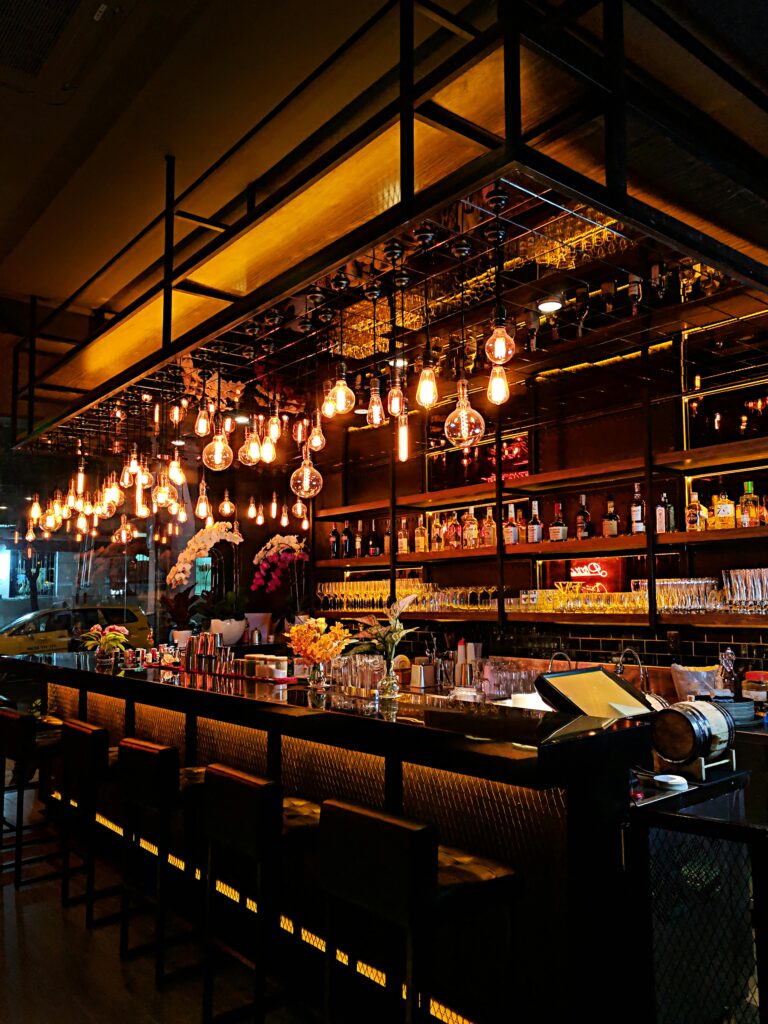
    • What to do: Visit trendy lounge bars and high-end clubs. Don’t forget to dress to impress if you’re heading here!

    3. The Best Part: Late Night Snacks (Anju)

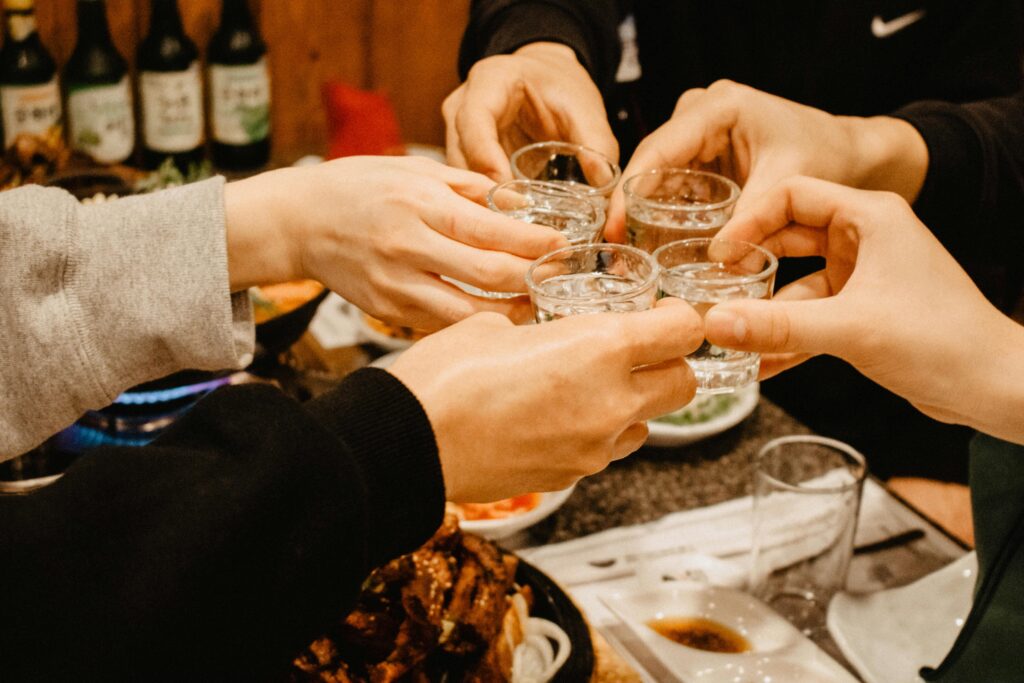
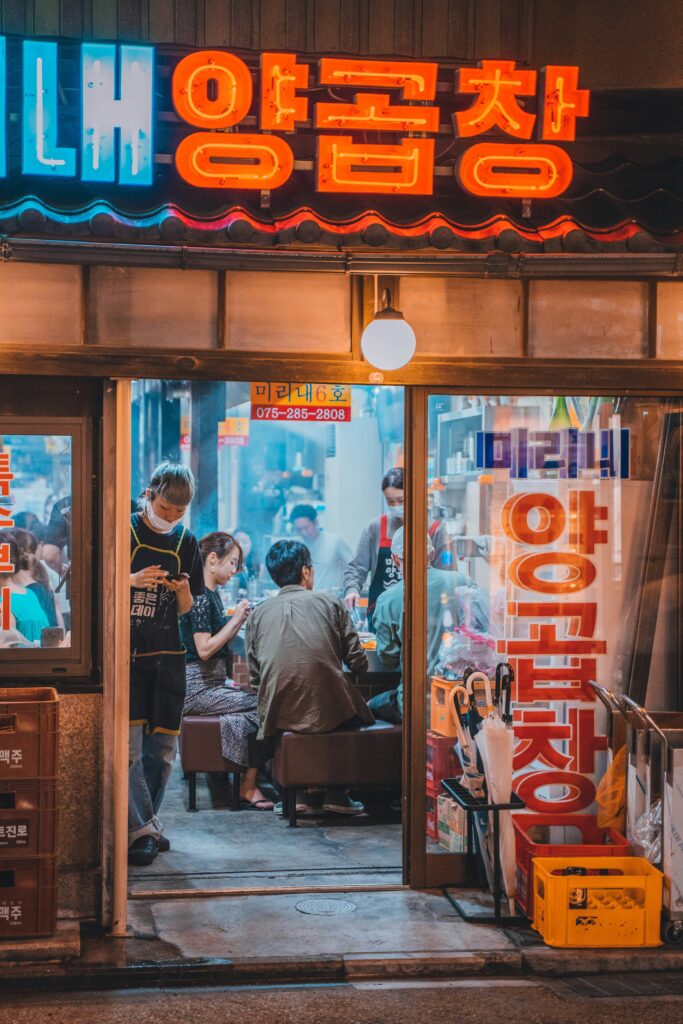
    No night out in Korea is complete without “Anju” (food eaten with alcohol). Many people love to end their night with fried chicken at Han River or by grabbing some unique snacks at a 24/7 convenience store.

    4. K-Late Night Snacks (Anju)

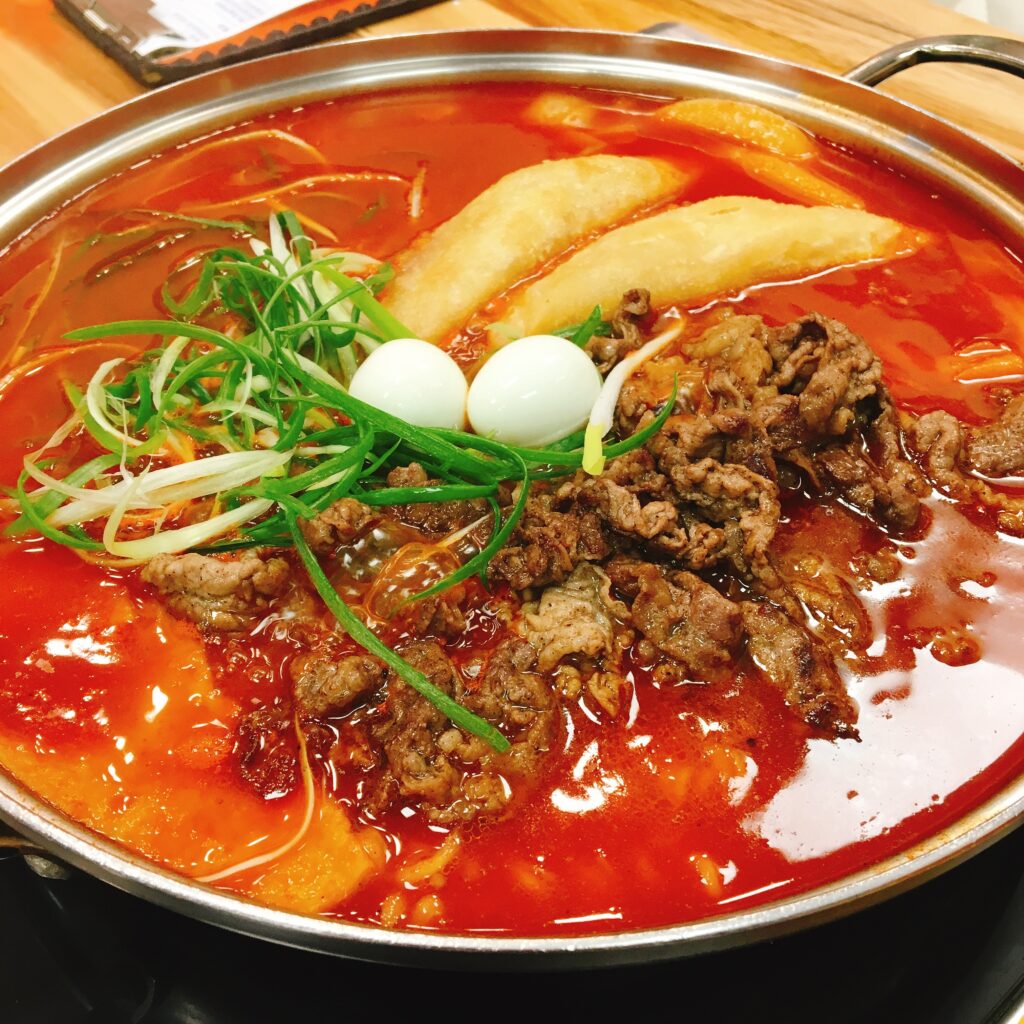
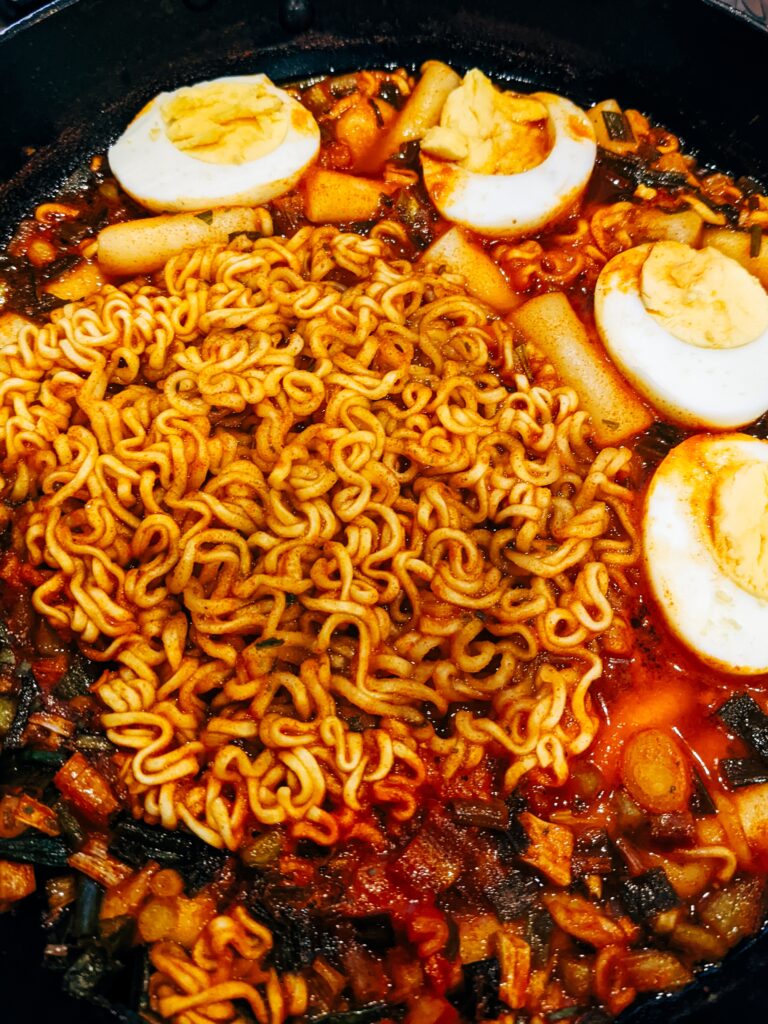
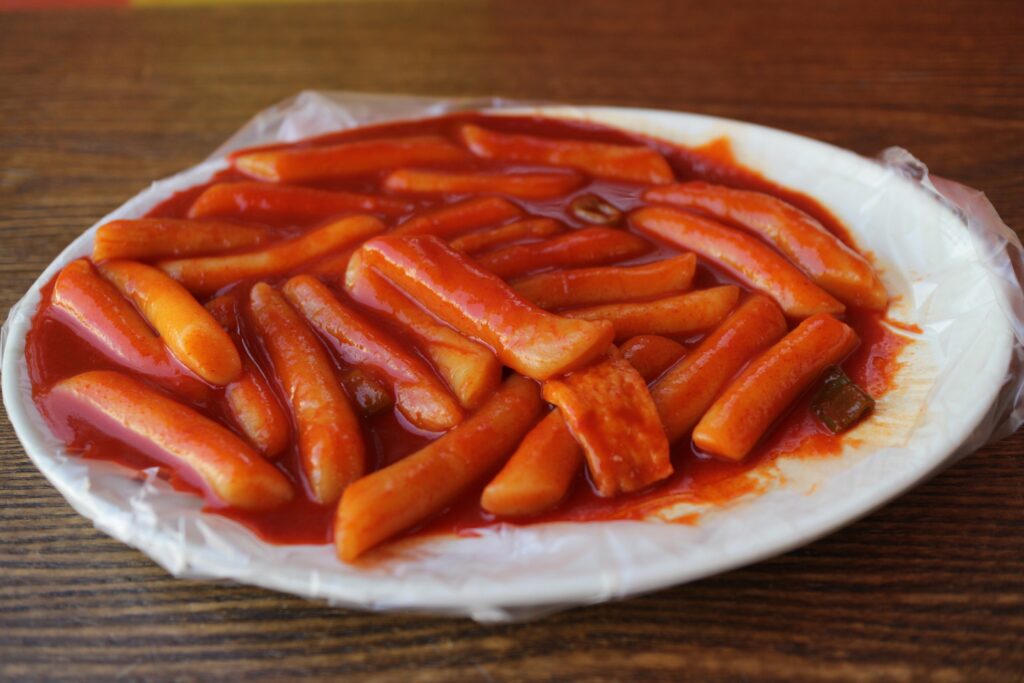
    No night out in Korea is complete without “Anju” (food eaten with alcohol). Whether it’s fried chicken, spicy rice cakes, or a hot stew at a “Pocha” (street stall), eating late-night snacks is a must-do ritual.


    💡 Safety Tip:

    Seoul is incredibly safe at night. You can even leave your phone on a cafe table without worry, as I mentioned in my post about Korean cafe culture.

    Which vibe do you prefer? The artistic streets of Hongdae or the flashy lights of Gangnam? Let me know in the comments!
  • The Ultimate Korea Travel Checklist: 5 Things You Must Prepare Before You Fly

    Planning a trip to South Korea? That’s exciting! But before you grab your suitcase, there are a few essential things you need to check to ensure your trip is smooth and stress-free.

    Here is your final checklist before heading to the airport!


    1. Check Your Voltage (220V)

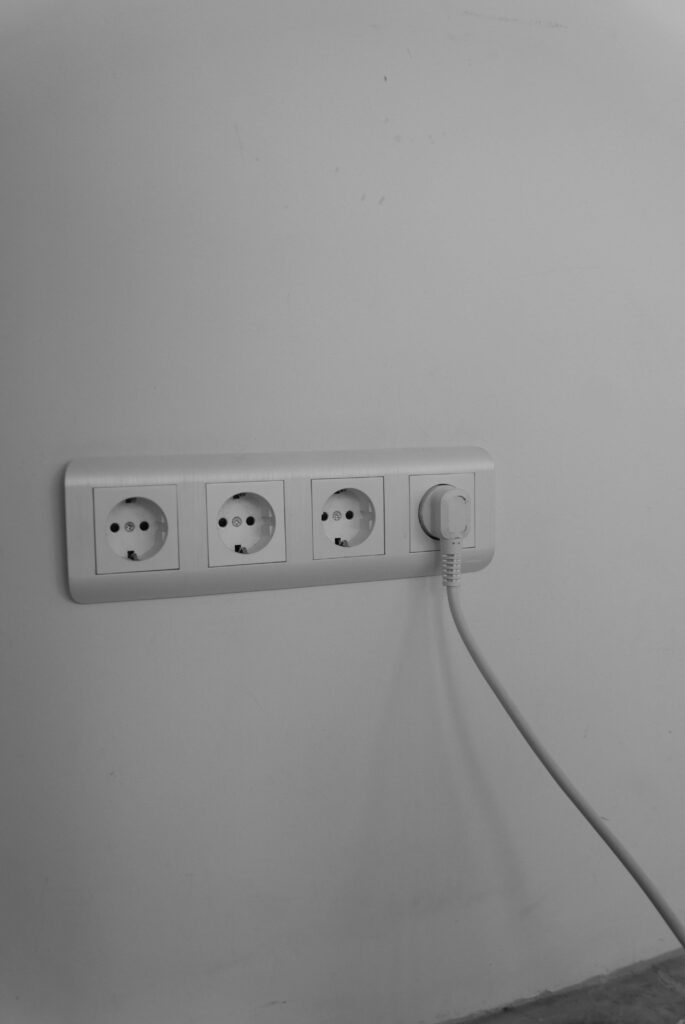
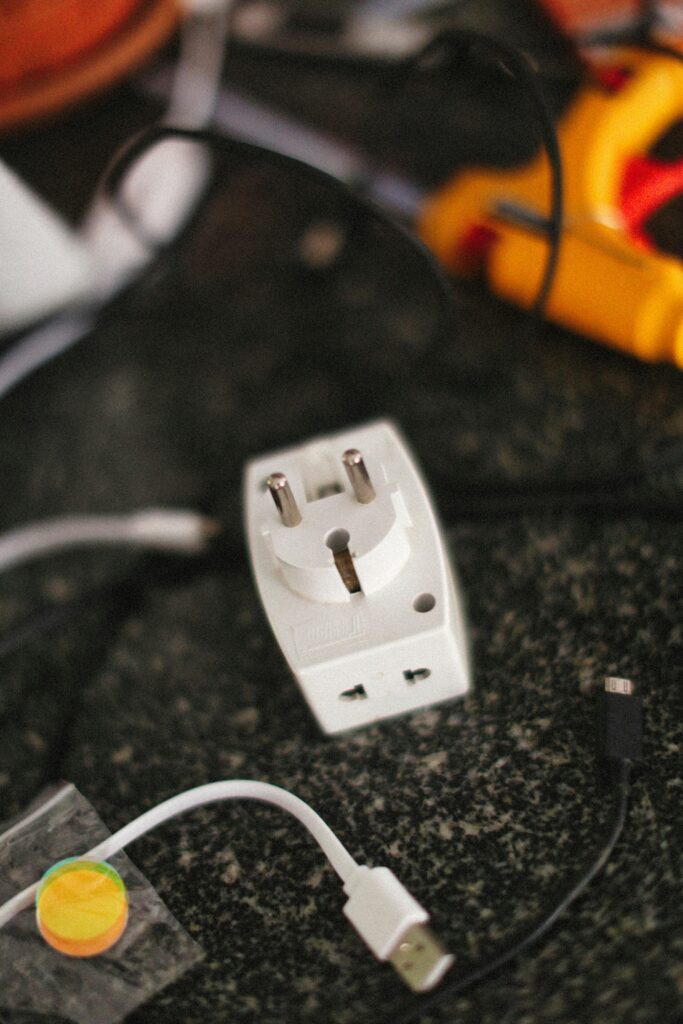
    South Korea uses 220V outlets with two round pins (Type C and F). If your country uses 110V (like the US) or different pin shapes, make sure to pack a Universal Travel Adapter. You can also find them at Korean convenience stores, but it’s better to have one ready!

    2. Pre-book Your SIM Card or eSIM

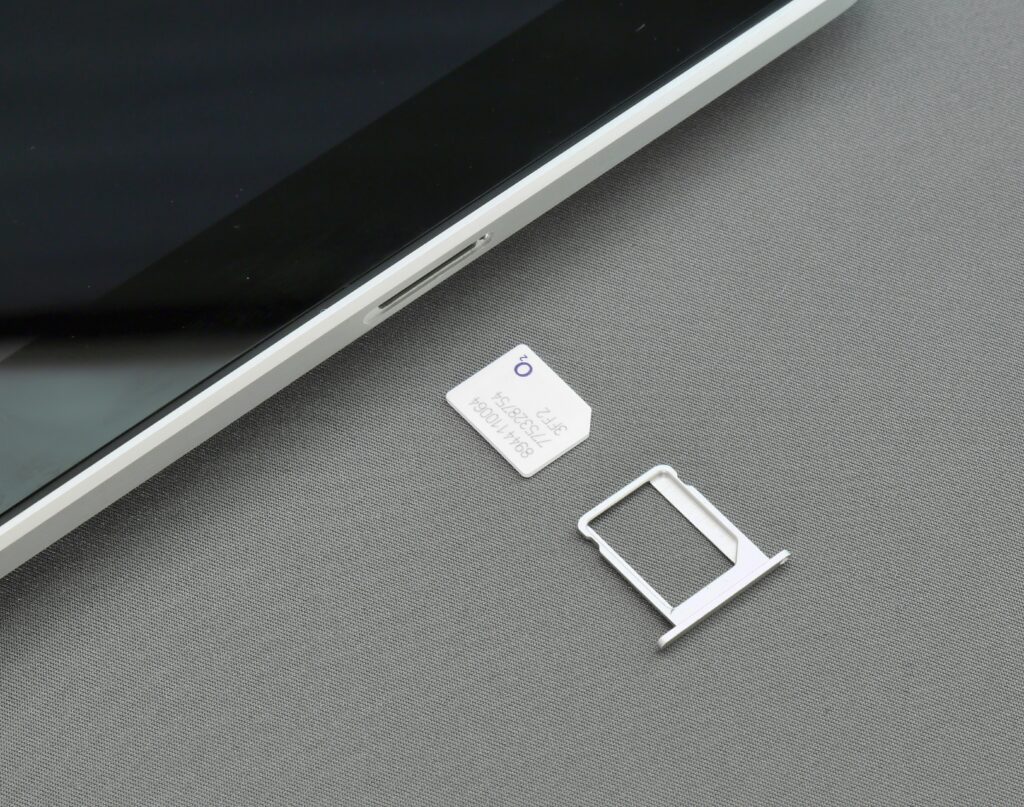
    While Korea has great public Wi-Fi, you’ll need data for maps and translation apps on the go. I highly recommend pre-ordering a SIM card or eSIM online and picking it up at Incheon Airport. It’s much cheaper and faster than roaming.

    3. Pack According to the Season

    Korea has four very distinct seasons.

    • Spring/Autumn: Light jackets are perfect.
    • Summer (July-Aug): Extremely humid and rainy. Pack light, breathable clothes and a small umbrella.
    • Winter (Dec-Feb): Freezing cold! You will need a heavy padded coat, gloves, and heat packs (Hot-packs).

    4. Download Essential Apps

    As I mentioned in my previous post, Google Maps doesn’t work well here. Make sure Naver Map, Kakao T (for taxis), and Papago (for translation) are already installed on your phone before you land.

    5. Carry a Little Bit of Cash

    Korea is a credit card paradise, but you might need cash for small street food stalls, traditional markets, or charging your T-money card. Having about 50,000 to 100,000 KRW in your pocket is always a good idea.


    Is there anything else you are worried about before your trip? Ask me in the comments below!

  • Top 3 Instagrammable Spots in Seoul for Your Best Travel Photos

    If you’re looking for the perfect “Instagram” photo in Seoul, you’re in luck. Seoul is a city where tradition meets the future, providing incredible backgrounds for your travel shots.

    Here are the top 3 spots to get your “Life Shot” (In-saeng Shot) in Seoul.


    1. Gyeongbokgung Palace (with Hanbok)

    This is a classic. If you rent a Hanbok (traditional dress), you get free admission! The colorful pillars and grand gates of the palace make every photo look like a historical drama poster.

    2. Starfield Library (COEX Mall)

    Located inside the COEX Mall, this massive open-air library features 13-meter-tall bookshelves. The natural light from the glass ceiling makes it a favorite spot for photographers. It’s a book lover’s paradise!

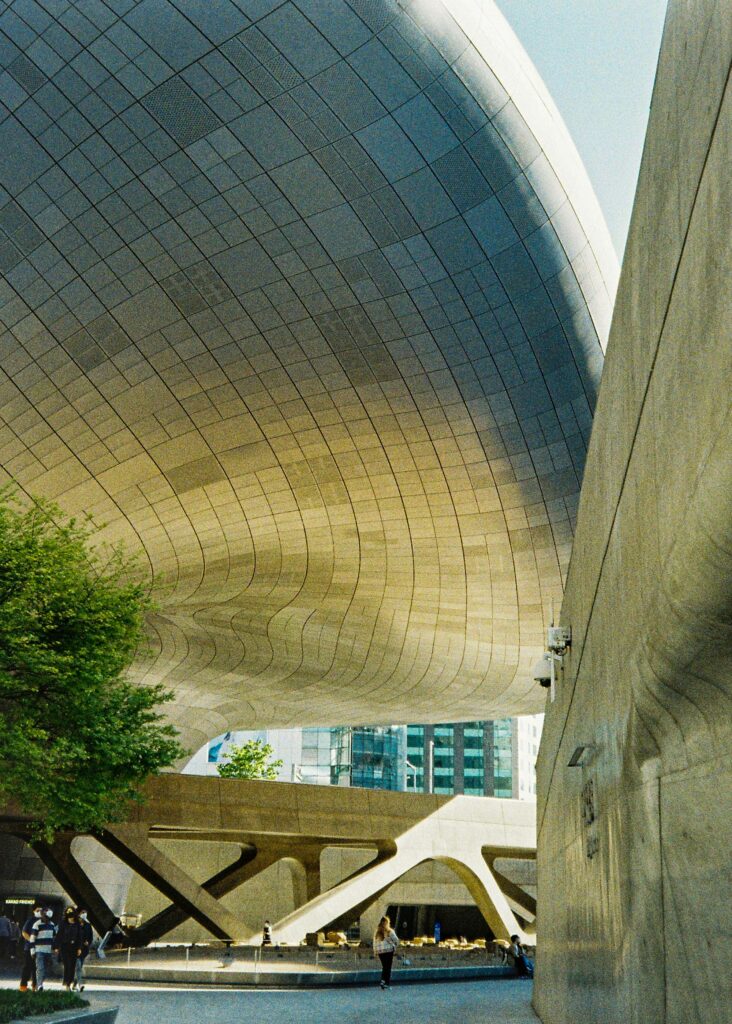
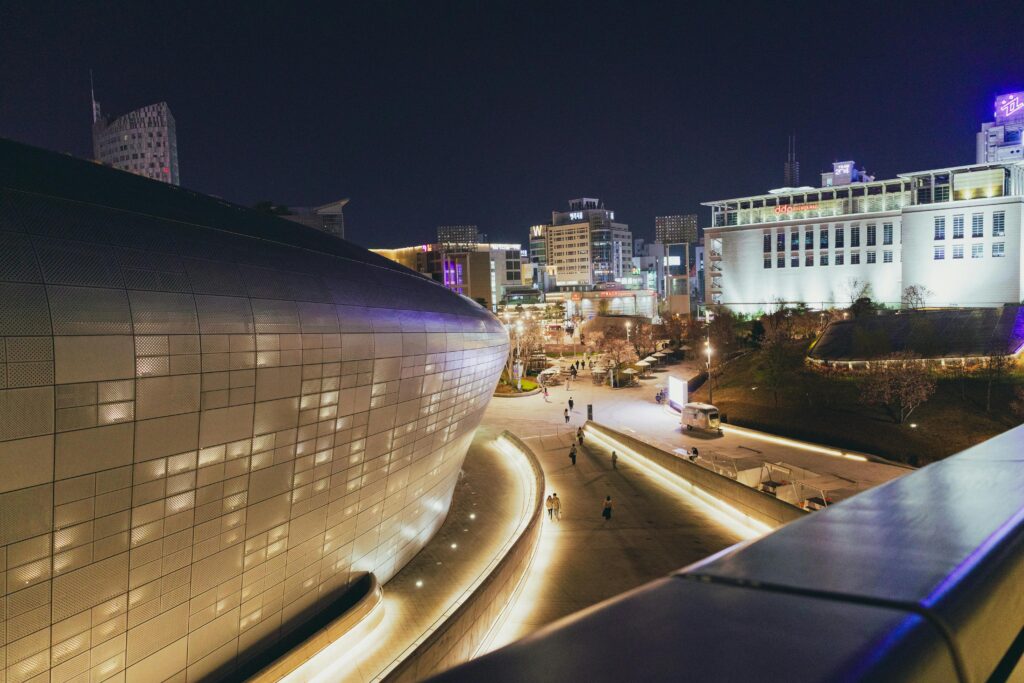
    3. Dongdaemun Design Plaza (DDP)

    Designed by the famous architect Zaha Hadid, this building looks like a giant silver spaceship. Its futuristic curves and LED rose garden (at night) provide a backdrop unlike anything else in the world.


    Which of these spots would you visit first for a photo? Tell me your favorite Seoul landmark!

  • 3 Cultural Shocks for Foreigners Visiting South Korea

    Every country has its own unique customs. In Korea, there are a few things that might surprise you at first, but once you understand them, they are part of the local charm!

    Here are 3 unique Korean cultures that might give you a little “culture shock.”


    1. “How old are you?” – The Age Question

    In many Western cultures, asking someone’s age can be rude. But in Korea, it’s often one of the first questions people ask. Why? Because Korean language has different levels of politeness based on age. They are just trying to figure out how to speak to you respectfully!

    2. Sharing Food from the Same Pot

    When eating stews like Kimchi-jjigae, you might see Koreans dipping their spoons into the same pot. This is a sign of closeness and “Jeong” (connection). However, many modern restaurants now provide individual small bowls, so don’t worry!

    3. The Bathroom Tissue Situation

    In some older buildings in Korea, you might see a sign asking you not to throw toilet paper in the toilet, but in a trash bin instead. This is because of old plumbing systems. Most modern places are fine, but it’s always good to check the sign!


    What was the biggest culture shock you’ve experienced while traveling? Let me know in the comments!
  • Best Traditional Souvenirs to Buy in Insadong, Seoul

    If you want to buy something more meaningful than just snacks, head to Insadong. It is the heart of traditional Korean crafts and antiques.

    Here are the best souvenirs to take back home to remember your trip to Seoul.


    1. Hand-Painted Folding Fans (Bu-chae)

    Korean fans are not only practical but also beautiful works of art. Many are hand-painted with traditional landscapes or flowers. They are light, easy to pack, and look great as wall decor!
    2. Mother-of-Pearl Accessories (Na-jeon-chil-gi)

    Items decorated with shimmering seashells (Mother-of-Pearl) are a specialty of Korea. You can find beautiful jewelry boxes, mirrors, or business card cases. They look incredibly luxurious but can be found at various price points in Insadong.

    3. Traditional Korean Tea Sets

    Korea has a rich tea culture. Buying a set of dried Omija (five-flavor berry) tea or a set of handmade ceramic tea cups is a great way to bring the taste of Korea back to your kitchen.


    What kind of souvenirs do you usually buy when you travel? Traditional crafts or local snacks? Tell me in the comments!