There is a forgotten form of luxury that only reveals itself when the artificial lights of the modern world are completely cut off. Walking through a dark courtyard and catching the dim, amber glow flickering from a weathered stone structure completely redefined how I design shadows and serenity.
If you have already explored our guide on Designing a Modern Korean Meditation Room, you know that true luxury lies in the balance between light and shadow.
In the high-end landscapes of the US, we often see mass-produced iron lanterns. But for the discerning homeowner, a Seokdeung (Traditional Stone Lantern) offers something far more profound: a “Living Sculpture” that breathes with the earth. Join 391+ global readers who are transforming their backyards into private sanctuaries of peace.
1. A Sculpture of Time and Granite
Unlike metallic fixtures that feel cold against modern architecture, a hand-carved granite Seokdeung brings a “Tactile Heritage” to your garden. Its weathered texture provides a sophisticated contrast to the sleek glass and steel of a Minimalist Living Room exterior.
- Curator’s Tip: Position the lantern near a sculptural pine tree to create a visual dialogue between the stone and the living wood.
2. The Art of the “Internal Glow”
In K-Zen aesthetics, light should never be aggressive. The beauty of a Seokdeung lies in its ability to soften the night. When lit from within, it mimics the subtle “Light Play” we cherish in Hanji Lighting, turning your garden into a meditative canvas of soft shadows.
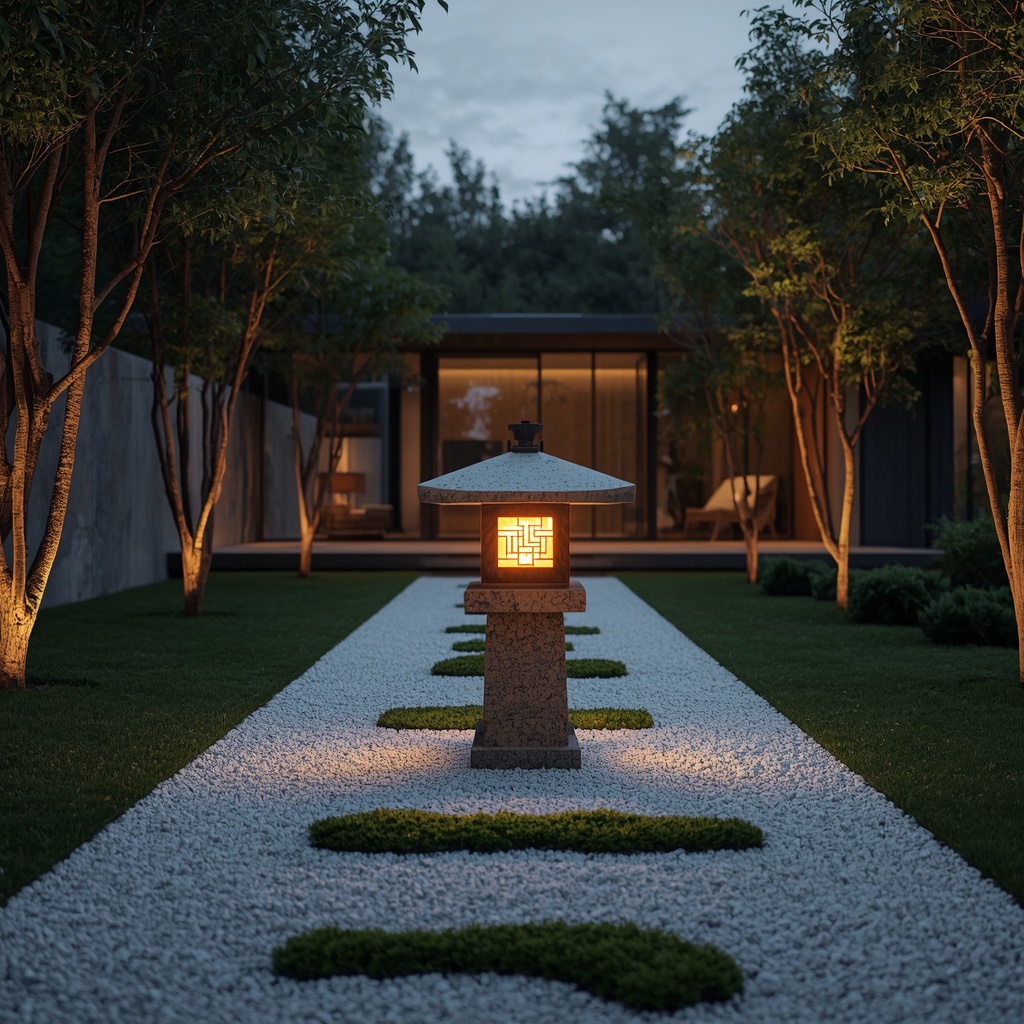
3. Anchoring the “Yeo-baek” (Empty Space)
A common mistake in large estates is over-landscaping. A singular, well-placed stone lantern serves as a spiritual anchor for your yard’s “Empty Space.” It creates a focal point that is as powerful as a piece of Elegant Korean Ceramics on a console, but on a grand, outdoor scale.
💡 Pro Tip for Styling Your Sanctuary:
Do not over-light the surrounding area. Let the Seokdeung be the primary “Beacon” of your garden. Much like styling with Antique Furniture, the goal is to let the piece’s history and form command the attention it deserves.
Does your garden have a “Soul” at night, or is it just illuminated? Let’s share our thoughts on outdoor Zen in the comments!
Leave a Reply