Category: Life in Korea

  • The Silk Sanctuary: 3 Ways to Experience Royal Comfort with Korean Bedding

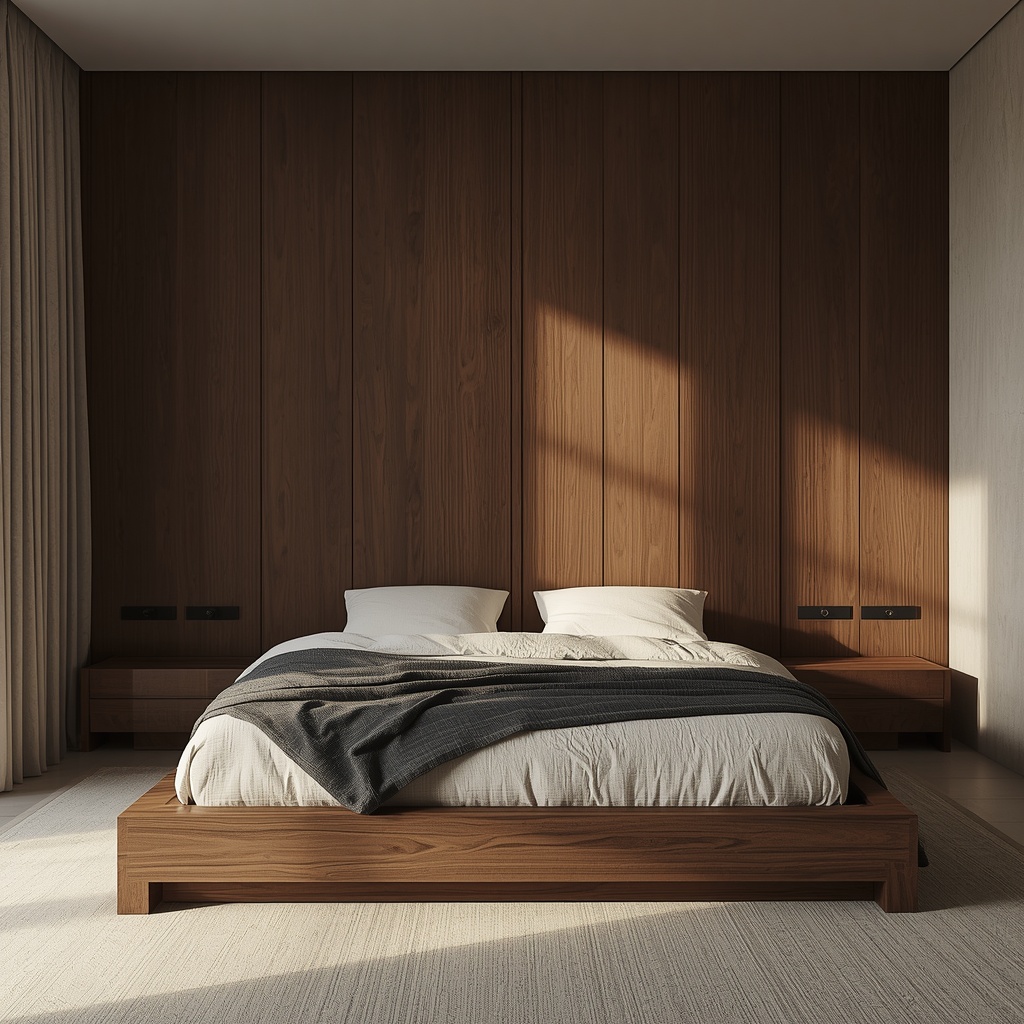
    If you have already wrapped your sanctuary in our Breathing Walls, you understand that the final layer of a home is what touches your skin. In the world of MARU, luxury bedding is not merely about thread count—it is about the “Breath of the Fabric.”

    Today, we explore the ancient wisdom of Korean Myung-ju (Silk) and Nubi (Quilting), reimagined for the modern luxury estate. Join 465+ global readers in discovering the “Sleep of Kings.”


    1. The Architecture of Comfort: Hand-Stitched Nubi

    Unlike mass-produced, chemically-filled comforters, traditional Korean Nubi is a labor of love. Every parallel stitch creates a minute air pocket, allowing the bedding to act as a natural thermal regulator. This rhythmic geometry provides a “Visual Silence” that complements the sleek lines of a Minimalist Bedroom. It is a tactile masterpiece that invites deep, restorative sleep.

    2. The Luster of Nature: Persimmon and Indigo Dyeing

    In a high-end home, color should have depth. Our curated selection of silk bedding utilizes the Earth’s Palette—natural dyes derived from persimmon fruit and indigo plants. These materials offer more than just a hue; they possess natural anti-bacterial properties and a soft, matte luster that mirrors the sophisticated “On-gi” (Warmth) of our Clay Finishes.

    3. Sensory Synergy: Silk and Hanji

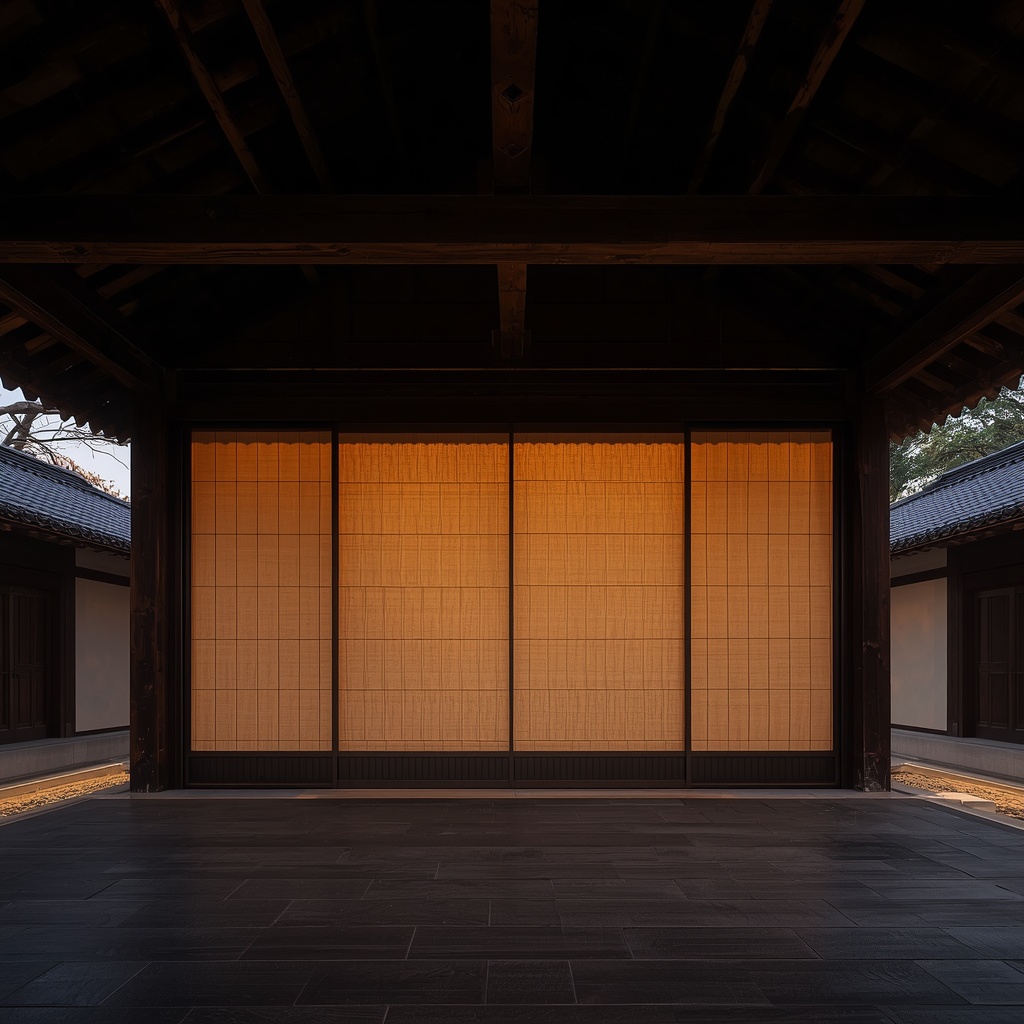
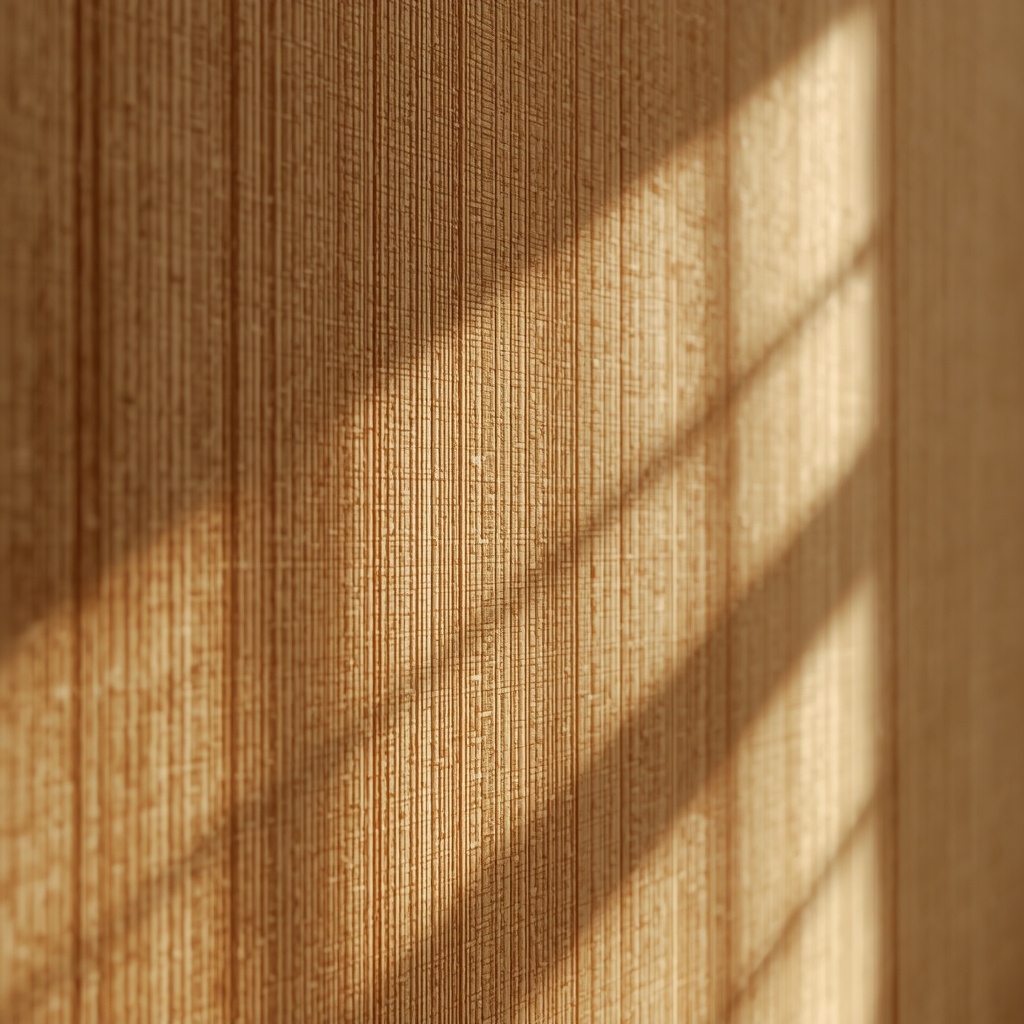
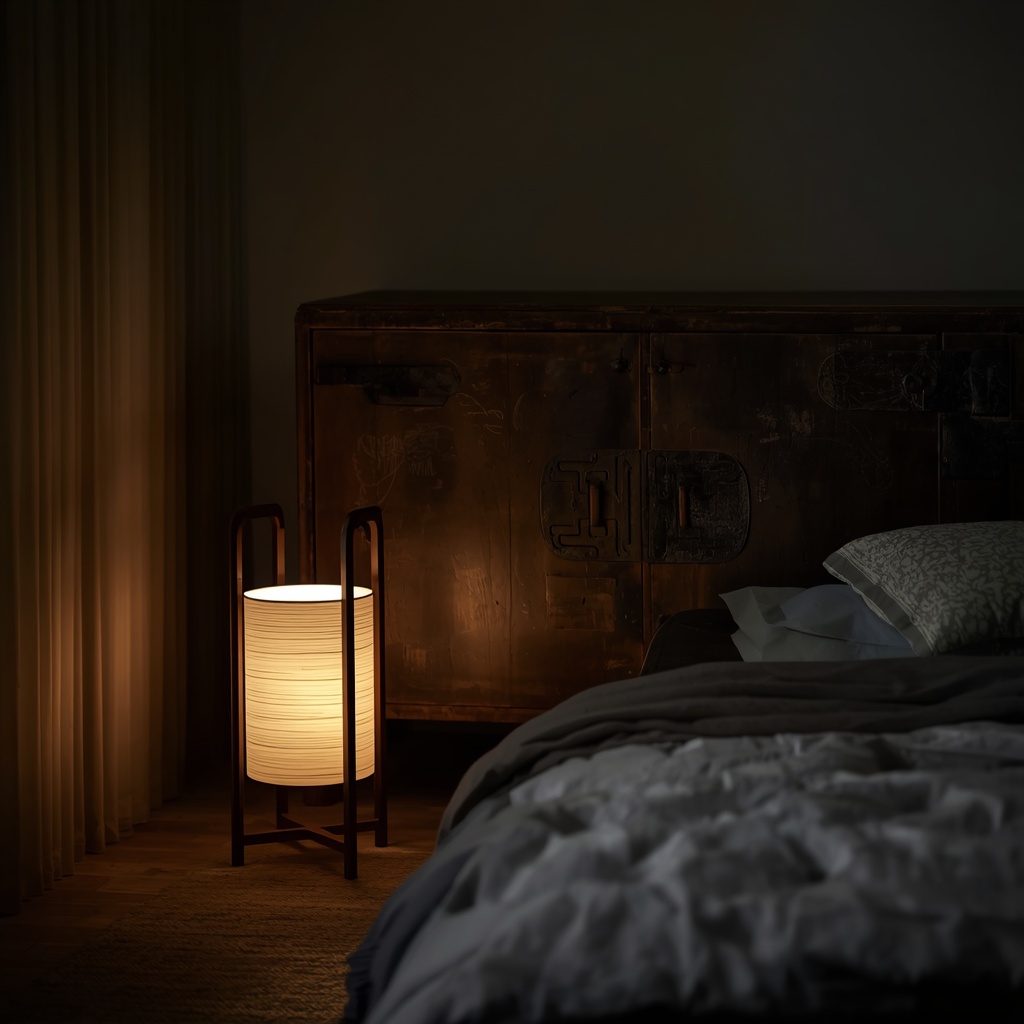
    True luxury is a holistic experience. When your silk bedding interacts with the filtered light of Hanji Windows, it creates an ethereal glow that softens the architectural edges of your room. This synergy is the invisible half of the Architecture of Peace, turning your bedroom into a sanctuary for the modern soul.


    💡 Maru’s Styling Tip for the Master Suite:

    Do not hide your Nubi silks under a heavy duvet. Use them as a “Statement Layer” at the foot of your bed. Much like placing an Elegant Moon Jar in your foyer, a single piece of heritage textile can anchor the entire room’s narrative.

    Do you prefer the crisp feel of linen or the organic warmth of quilted silk? Let’s curate your dream sleep environment in the comments.

  • The Maru Concierge: Bespoke Sourcing for Your Modern Zen Estate

    Finding the perfect object for a K-Zen Home can be an arduous journey. At MARU, we understand that our discerning readers require more than just a product—they require a narrative of quality, heritage, and exclusivity.

    Your personal curator for a timeless Zen lifestyle. Every material, every texture, vetted by MARU.

    Today, we officially open the MARU Concierge Service. We bridge the gap between world-class master artisans in Korea and high-end estates across the US. Join 452+ global readers who are moving beyond mere decorating to curated collecting.


    1. Global Sourcing & Authenticity

    Through our curated network, we provide direct access to pieces often held in private galleries or master workshops. Whether it is an Authentic Moon Jar or a Heritage Bandaji, we ensure every object meets the rigorous MARU Standard.

    2. The Art of Selection (Bespoke Curation)

    Not every object fits every space. Our concierge service offers personalized advice on scale, material, and placement to ensure your new acquisition harmonizes with your Breathing Walls and existing architecture.

    3. Seamless Acquisition

    From international logistics to quality verification, we handle the complexities so you can remain in your state of Zen. Your role is simple: to enjoy the “On-gi” (Warmth) of a home that truly breathes.


    🛎️ How to Access the Concierge

    If you are looking to source specific items from our MARU SELECT series, or if you require a tailored consultation, please reach out.

    [Inquiry: Contact the Maru Concierge]
    (Note: Please include your location and the specific items of interest for a priority response.)

  • MARU SELECT: 3 Objects to Complete Your Zen Entryway

    In our previous manifesto, The Spirit of Maru, we explored the philosophy of the arrival. But how do you practically curate that “First Impression of Peace”?

    Today, we present the MARU SELECT—a curated list of three essential objects that embody the peak of K-Zen minimalism. These are not mere decorations; they are the anchors of your home’s soul. Join 452+ global readers in curating your sanctuary.


    1. The Anchor: A Large-Scale Moon Jar (Dal-hang-ari)

    As highlighted in our Grand Entryway Guide, the Moon Jar is the ultimate “Visual Silence.” For a high-end foyer, we recommend a minimalist white porcelain jar that stands at least 15 inches tall. Its gentle curves soften the rigid lines of modern architecture.

    • Maru’s Pick: Look for pieces with a slightly off-white, matte finish to achieve that “Quiet Luxury” look.
    MARU SELECT curation featuring a white porcelain Moon Jar, a stone incense burner, and a minimalist Soban table for a luxury Zen entryway.

    2. The Atmosphere: The Stone Incense Burner

    A Zen entryway is a sensory experience. A minimalist Stone Incense Burner provides a subtle “Tactile Grounding.” Scenting your arrival with sandalwood or agarwood creates an immediate mental shift from the busy world to your private retreat. It pairs beautifully with our Breathing Clay Walls.

    3. The Elevation: The Minimalist Soban (Side Table)

    If you lack a built-in console, a Modern Soban (Korean traditional tray table) is the perfect solution. Its delicate, hand-carved legs offer a “Refined Geometry” that elevates even the smallest corner. As seen in our Heritage Furniture Series, it is functional art at its finest.


    💡 Why Trust MARU SELECT?

    Every object in our selection is vetted for its Authenticity, Material Quality, and Zen Aesthetic. We don’t just follow trends; we curate pieces that will become your family’s future heritage.

    Which of these three anchors is missing from your entryway? Let’s curate your arrival together in the comments.

  • The Spirit of Maru: Redefining Luxury through K-Zen Minimalism

    If you have followed our journey from The Ultimate Guide to K-Zen Home, you know that we seek more than just decor. We seek a soul for the space.

    Today, we officially introduce MARU—not just a name, but a philosophy of living. In Korean, ‘Maru’ signifies both the highest peak (San-maru) and the wooden heart of a home (Toet-maru). Join 452+ discerning global readers in exploring the birth of a new standard in high-end minimalism.

    The official brand identity for MARU, featuring a minimalist Moon Jar and luxury K-Zen interior design elements, representing the peak of Korean-inspired minimalism.

    1. The Peak of Stillness (Maru: The Summit)

    At MARU, we believe that the ultimate luxury is silence. Our curation focuses on reaching the “Summit of Zen”—a state where every object in your home, from a Singular Seokdeung to a hand-carved console, serves a purpose of peace.

    2. The Bridge of Connection (Maru: The Flooring)

    Traditional Korean architecture uses the ‘Maru’ as a bridge between the inner sanctum and the outer world. We bring this “Threshold Philosophy” to your modern estate, blurring the lines between your Luxury Spa Bath and the natural world outside. It is architecture that breathes.

    3. Curated Heritage: The Maru Standard

    Every piece we recommend, whether it is a Timeless Bandaji or a Modern Art Wall, meets the Maru Standard: Organic, Timeless, and Intentional. We don’t just design rooms; we curate heritage.


    💡 A Note from the Founder (Eijang-nim):

    “MARU is for those who find power in the pause. It is for the leaders who require a sanctuary that mirrors their internal clarity. We are here to guide you to the peak of minimalist living.”

    Are you ready to reach your peak? Let’s discuss your vision for a Maru-inspired home in the comments below.

  • The Living Mural: 3 Ways to Style Your Home with Modern Korean Art

    If you have already anchored your space with Timeless Heritage Furniture, it is time to give your walls a voice.

    In a luxury home, art is not just a decoration; it is a spiritual window. For our 427+ global readers, we explore how to integrate Modern K-Art to create a “Living Mural” that resonates with the soul of K-Zen Minimalism.


    1. The Power of Dansaekhwa: Monochromatic Depth

    Dansaekhwa (Korean monochrome painting) is the ultimate expression of “Meditation on Canvas.” Its repetitive textures and neutral tones provide a sophisticated backdrop that complements our Breathing Hanji Walls. It doesn’t scream for attention; it commands respect through silence.

    A grand luxury living room featuring a massive Korean Dansaekhwa monochrome painting on the wall, a Moon Jar, and minimalist designer furniture.

    2. Over-Sized Heritage: Framed Bojagi as Fine Art

    Take the intricate geometry of Bojagi Art and scale it up. A large, shadow-boxed patchwork piece acts as a modern tapestry, adding a vibrant “Color Point” to an otherwise neutral room. It’s a sustainable masterpiece that bridges traditional craft and contemporary fine art.

    3. Sculptural Shadows: Ceramic Wall Art

    Who says ceramics are only for tables? Mount a series of minimalist celadon or white porcelain plates in a rhythmic pattern on your focal wall. This creates a 3D “Shadow Play” that mirrors the natural light changes we loved in the Modern Sarang-bang.


    💡 Curatorial Note:

    Lighting is the brush that finishes the painting. Use precision art-spotlights with a warm, museum-quality CRI to bring out the hidden textures of the paint and fabric. Your living room should feel like a private gallery where every shadow is intentional.

    Do you prefer the silent depth of monochrome paintings or the vibrant story of textiles? Let’s curate your dream wall in the comments.

  • Timeless Heritage: 3 Ways to Style Modern Homes with Korean Antique Furniture

    If you have already embraced the Architecture of Breath, the next step is to anchor your space with pieces that carry a soul.

    In a world of mass-produced minimalism, a single piece of Korean Antique Furniture acts as a bridge between centuries. For our 427+ global readers, we explore how to seamlessly blend the rustic elegance of a Bandaji or a Soban into a 21st-century luxury interior.


    1. The Statement Anchor: The Bandaji (Blanket Chest)

    A Bandaji is not just a storage chest; it is a sculptural masterpiece. With its heavy iron or brass fittings and naturally weathered wood, it provides a “Visual Weight” that anchors a modern hallway or living room. It pairs exquisitely with the Breathing Walls we’ve curated, offering a narrative of strength and history.

    A luxury modern living room featuring a traditional Korean Soban table and a Bandaji chest with brass fittings, showcasing a blend of antique heritage and modern interior design.

    2. Versatile Elegance: The Soban (Tray Table)

    The Soban is the epitome of “Functional Minimalism.” These small, portable tables are perfect as side tables next to a modern Italian sofa or as a centerpiece for your Modern Tea Space. Their delicate, hand-carved legs add a layer of “Refined Geometry” that contrasts beautifully with sleek, contemporary lines.

    3. The Art of Display: Ceramics and Heritage

    To truly elevate your heritage furniture, use it as a stage for your Elegant Korean Ceramics. Placing a single Moon Jar or a celadon vase on a traditional wooden chest creates a “Still Life” that tells a story of curated taste. This layering of textures—wood, brass, and porcelain—is the hallmark of a K-Zen Home.


    💡 Styling Note for Collectors:

    Don’t overdo it. The beauty of Korean antiques lies in their “Isolation.” Let one piece breathe in a large space. This intentional Yeo-baek (Empty Space) ensures the furniture’s history isn’t lost in the noise, much like the way we style Bojagi Art as a singular focal point.

    Do you prefer the rustic charm of aged wood or the sleek finish of modern glass? Let’s talk about mixing eras in the comments below.

  • The Architecture of Breath: 3 Ways to Integrate Modern Hanok Design into Your Home

    If you have already curated your Grand Entryway, you are ready to embrace the ultimate philosophy of K-Minimalism: Hanok.

    Traditional Korean architecture isn’t just about the past; it’s about a lifestyle that prioritizes “The Path of Wind” and “The Light of Nature.” For our 427+ global readers, we explore how to bring the soul of a Hanok into a modern US luxury estate.


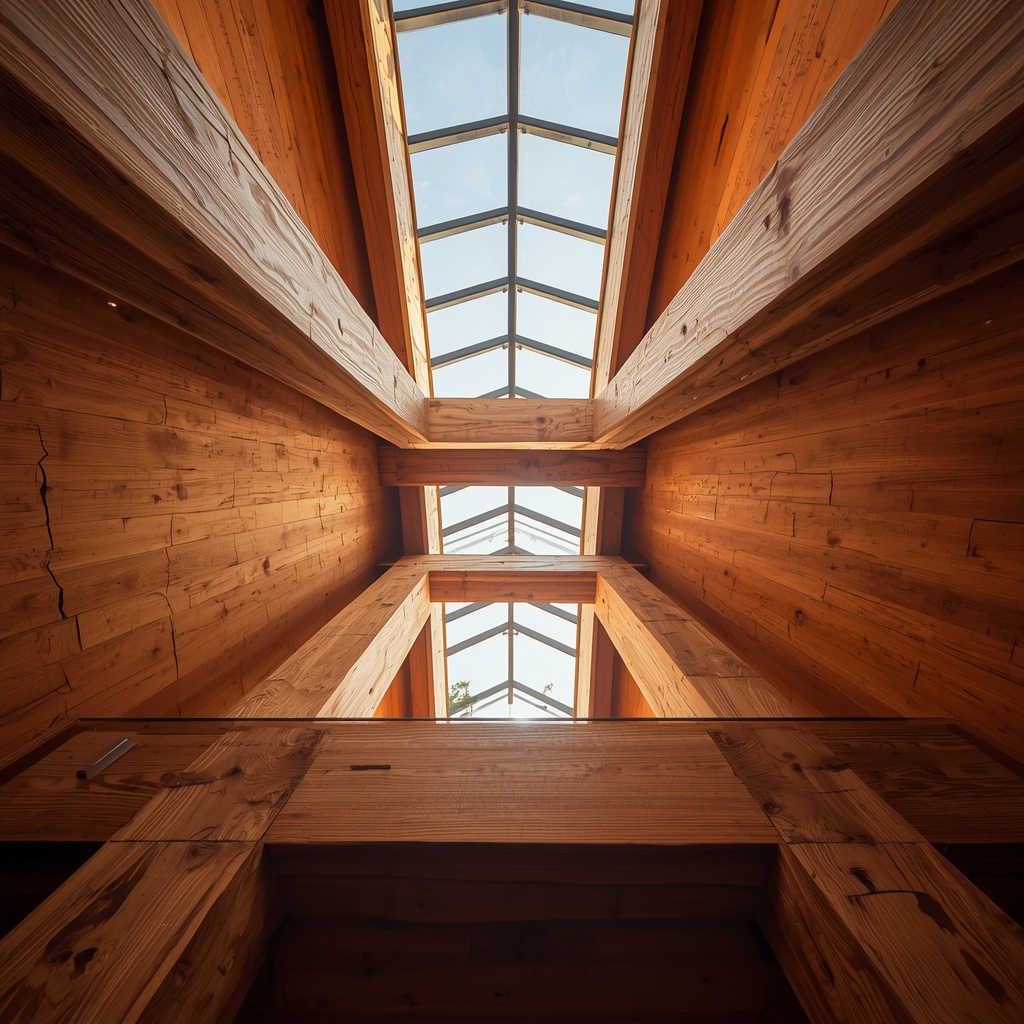
    1. The Soul of the Ceiling: Exposed Timber Beams (Seok-rae)

    The defining feature of a K-Zen Home is the dialogue between wood and space. By exposing dark timber beams in a high-ceiling living room, you create a rhythmic, structural beauty that mirrors the honesty of nature. It provides a visual weight that grounds your home, much like a Seokdeung grounds your garden.

    A luxury modern living room with exposed Korean traditional wooden beams, clay walls, and a large window overlooking a Zen garden, showcasing Modern Hanok architecture.

    2. The Internal Courtyard: Bringing the “Outside In”

    A true Modern Hanok is built around the Madang (Central Courtyard). Incorporating a private glass-walled garden in the center of your floor plan creates a private sanctuary. This “Borrowed Scenery” acts as a living mural, changing with the seasons—the pinnacle of the Architecture of Peace.

    3. Material Harmony: Clay, Wood, and Glass

    Contrast is the language of luxury. Pairing raw, textured Breathing Clay Walls with sleek, oversized glass panes creates a sophisticated “Organic Modernism.” It’s a space where ancient thermal wisdom meets contemporary aesthetics, offering a level of comfort that synthetic materials can never achieve.


    💡 Architectural Note:

    When designing a Modern Hanok space, let the shadows do the work. Use indirect cove lighting to accentuate the wood grains of the beams. This “Shadow Play” is the same principle we use when styling Bojagi Art—it’s about the depth that light creates when it hits a curated surface.

    Does your home feel like a box, or does it breathe? Let’s discuss the future of Zen architecture in the comments below.

  • The Grand Entryway: 3 Ways to Design a First Impression of Peace

    If you have already established a sense of sanctuary in your Luxury Spa Bath, you know that K-Minimalism is a journey that begins the moment you step through the door.

    In the grand foyers of modern US estates, the entryway is often a loud statement of wealth. But in the world of K-Zen Home, we choose a different path: the “Luxury of Stillness.” Join 404+ global readers in redefining the art of the arrival.


    1. The Anchor of Imperfection: The Iconic Moon Jar

    The ultimate statement piece for a K-Zen foyer is the Moon Jar (Dal-hang-ari). Unlike the clinical symmetry of Western porcelain, the Moon Jar’s subtle, organic curves represent a “Spiritual Volume.” Placing a large-scale jar on a minimalist console creates an immediate visual anchor, mirroring the meditative weight of the Seokdeung in your garden.

    2. The Textural Backdrop: Hanji and Shadow

    To elevate your Moon Jar, the wall behind it must act as a curated canvas. We recommend the same Breathing Hanji Wallpaper we used in the master suite. The fibrous texture of the paper absorbs and softens the light, creating a “Halo Effect” around your ceramics that feels both ethereal and grounded.

    3. Intentional Minimalism: The “One Object” Rule

    A luxury entryway is not defined by what you display, but by what you withhold. Keep the console clear of daily clutter. A single, singular branch of plum blossom or pine in a K-Art Vase is all you need. This intentional “Yeo-baek” (Empty Space) signals to your guests that they have entered a space of curated thought and quiet power.


    💡 Entryway Curation Tip:

    Lighting is the “Silent Welcome.” Avoid aggressive chandelier glare. Opt for recessed, warm-toned cove lighting that grazes the surface of your Hanji walls. It should feel like the soft “Light Play” found in our Modern Seoul Style guide—welcoming, yet profoundly calm.

    Does your entryway scream for attention or whisper for peace? Let’s discuss the philosophy of “Arrival” in the comments below.

  • The Zen Sanctuary: 3 Ways to Design a Modern Korean Luxury Spa Bath

    A luxury minimalist bathroom with a stone soaking tub, an Onggi jar, and a view of a bamboo garden, embodying the Korean Zen spa aesthetic.

    If you have already established a sense of focus in your Modern Sarang-bang, it is time to turn your attention to the space where you begin and end your day.

    In the world of K-Zen Home, the bathroom is not just a utility; it is a “Suso” (purification) sanctuary. Join 404+ global readers in discovering how to transform your bath into a high-end Korean spa experience.


    1. Earth’s Presence: The Elegance of Onggi

    Replace cold, synthetic containers with Onggi (Traditional Korean Earthenware). These dark, breathable clay jars are perfect for holding bath salts or acting as organic diffusers. Their deep, earthy tones provide a “Tactile Grounding” that pairs beautifully with the Breathing Walls found in your bedroom.

    2. The Art of the “Soaking View”

    The ultimate K-Spa luxury is the connection to nature. Much like the Borrowed Scenery in your backyard, your bathtub should be positioned to frame a natural view—whether it’s a single bamboo cluster or a curated stone arrangement.

    3. Material Minimalism: Stone, Wood, and Jade

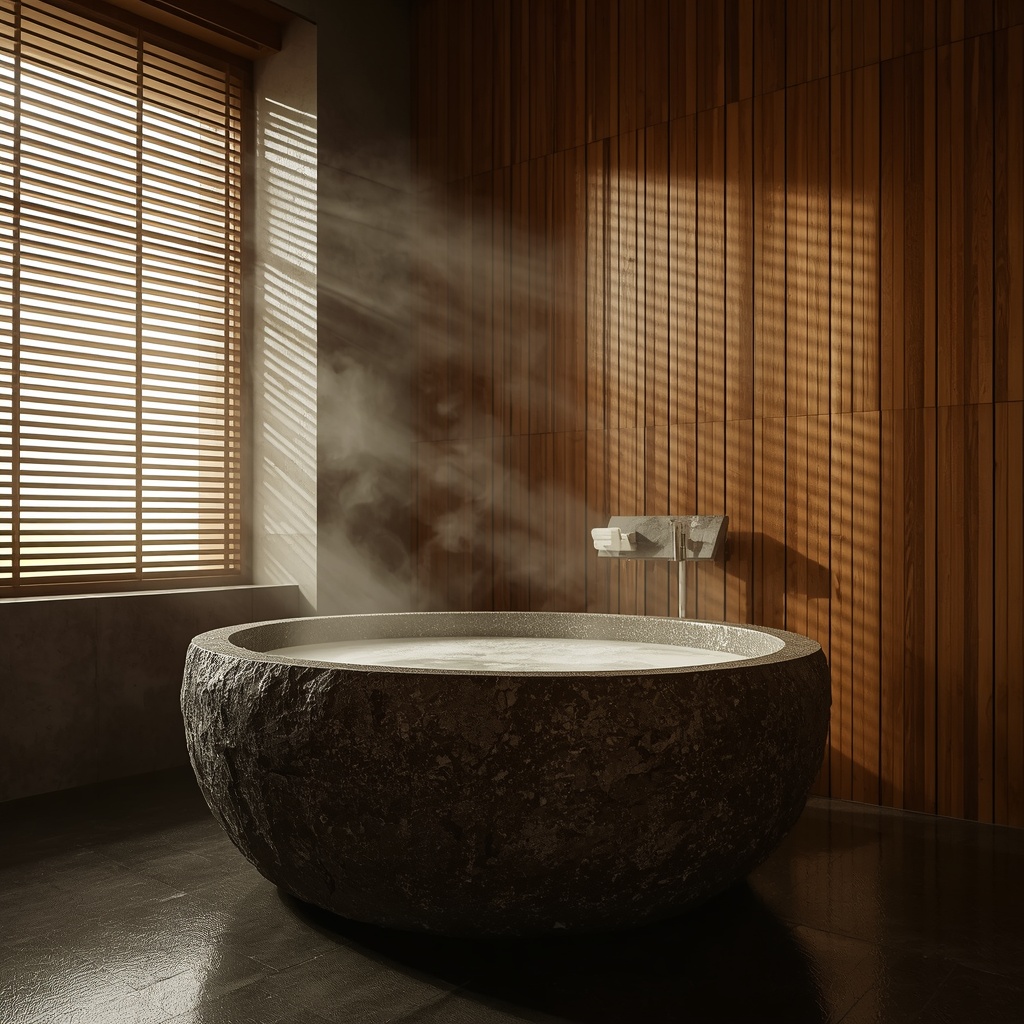
    Incorporate natural elements that stimulate the senses. A minimalist stone tub combined with dark wooden slats creates a sophisticated “Visual Silence.” Adding a small Jade (Ok) massage tool or a white porcelain soap dish adds a layer of “Refined Heritage” that we’ve highlighted in our K-Art Ceramics Guide.


    💡 Spa Styling Tip:

    Lighting should be “Mist-like.” Use recessed warm LEDs that glow softly behind textured walls. When the light hits the steam of your bath, it should feel like a morning fog in a deep mountain forest—a true Architecture of Peace.

    Is your bathroom a place of rush or a place of ritual? Let’s share our favorite wellness tips in the comments below.

  • Bojagi Art: The Sustainable Masterpiece for Your Zen Sanctuary

    In our recent exploration of the Modern Sarang-bang, we discussed the power of the “One Object” rule. But what deserves to grace your Breathing Walls?

    Today, we introduce Bojagi—the ancient Korean art of patchwork textiles. Often called “the Mondrian of the East,” these hand-stitched masterpieces are more than just decor; they are a statement of sustainable luxury. Join 404+ global readers in discovering the ultimate “Tactile Art.”


    1. The Geometry of Heritage: Beyond Painting

    Unlike a heavy oil painting, a framed Bojagi brings a sense of airy sophistication. Its hand-stitched lines create a geometric rhythm that pairs perfectly with the minimalist architecture of a K-Zen Home.

    • Curator’s Choice: Opt for semi-transparent silk fabrics (Ramie or Ok-sa) to create a “Light Play” that changes throughout the day.
    A framed Korean Bojagi patchwork textile art hanging on a textured Hanji wall in a luxury minimalist home, showcasing geometric patterns and natural light.

    2. Sustainable Luxury: Art with a Soul

    In an era of mass production, Bojagi stands as a testament to the “Art of the Patchwork.” Historically made from recycled fabric scraps, it represents a high-end approach to sustainability. It carries a “Warmth” (On-gi) that mirrors the soul of our Elegant Korean Ceramics.

    3. Layering the Narrative: Texture on Texture

    The true magic happens when you hang a silk Bojagi against a Hanji Wall. The interplay between the fibrous paper and the translucent silk creates a sophisticated “Tactile Layering” that defines the modern K-Minimalist aesthetic.


    💡 Styling Tip for Collectors:

    Treat your Bojagi as a light filter. If you have a window in your office or meditation room, consider hanging a large, un-framed piece. Watch as the sun transforms the fabric into a living mosaic of colors, much like the changing seasons in your K-Zen Backyard.

    Do you prefer the bold lines of modern art or the hand-stitched story of heritage textiles? Share your curatorial vision in the comments below.