Category: Life in Korea

  • The Zen Sanctuary: 3 Ways to Design a Modern Korean Luxury Spa Bath

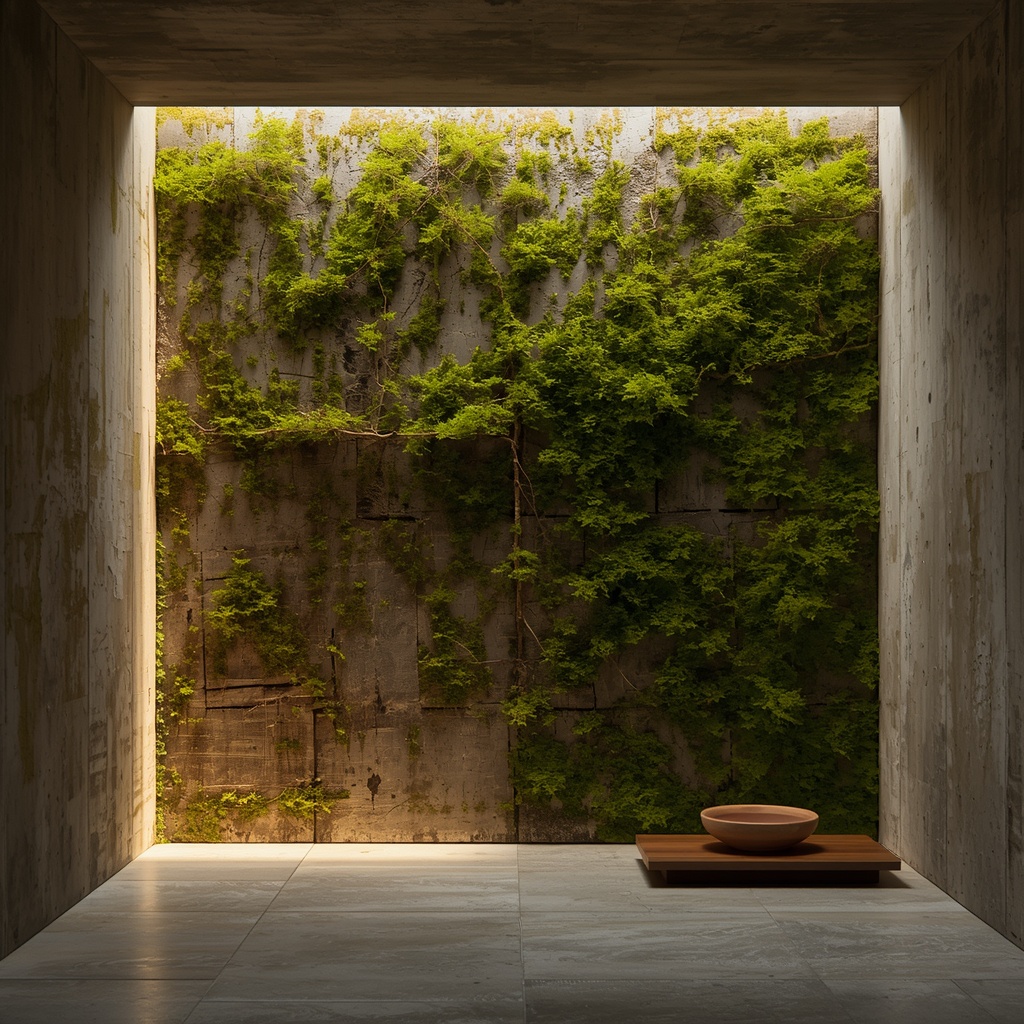
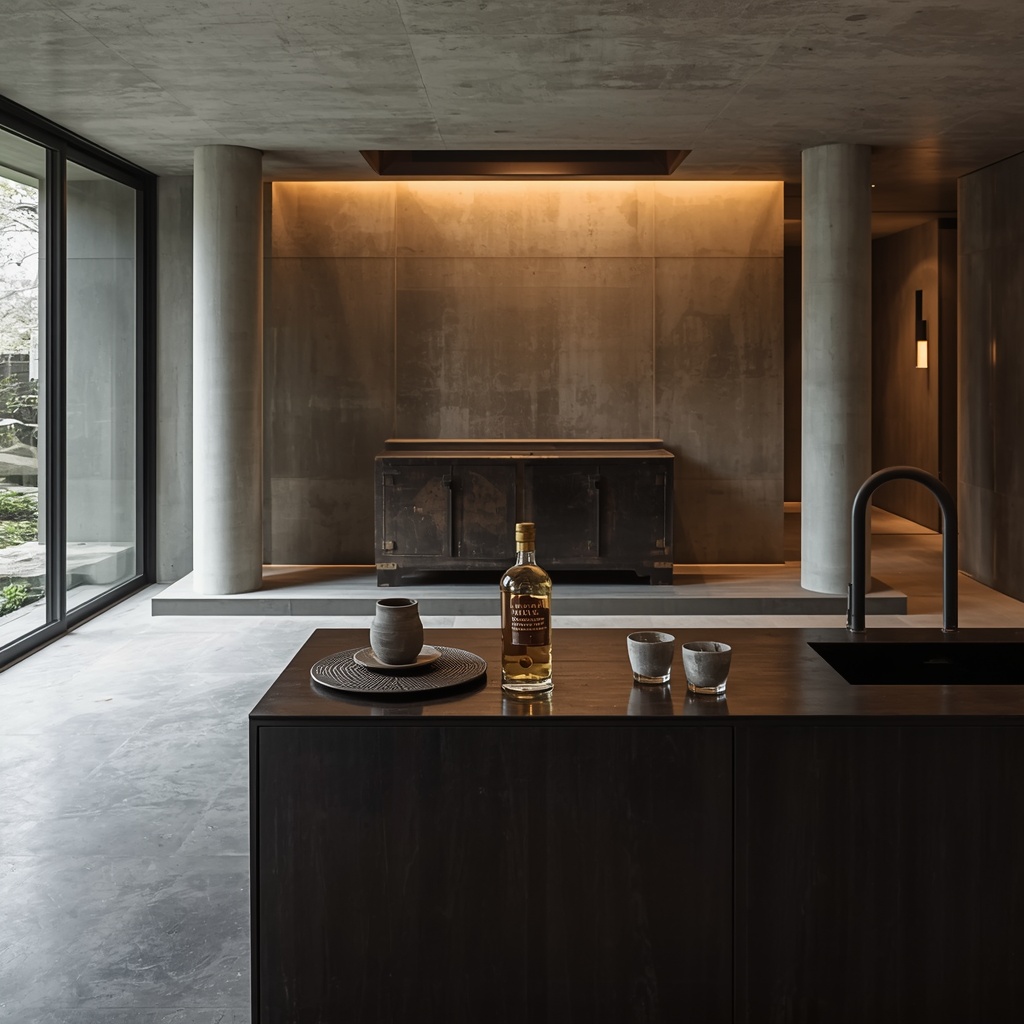
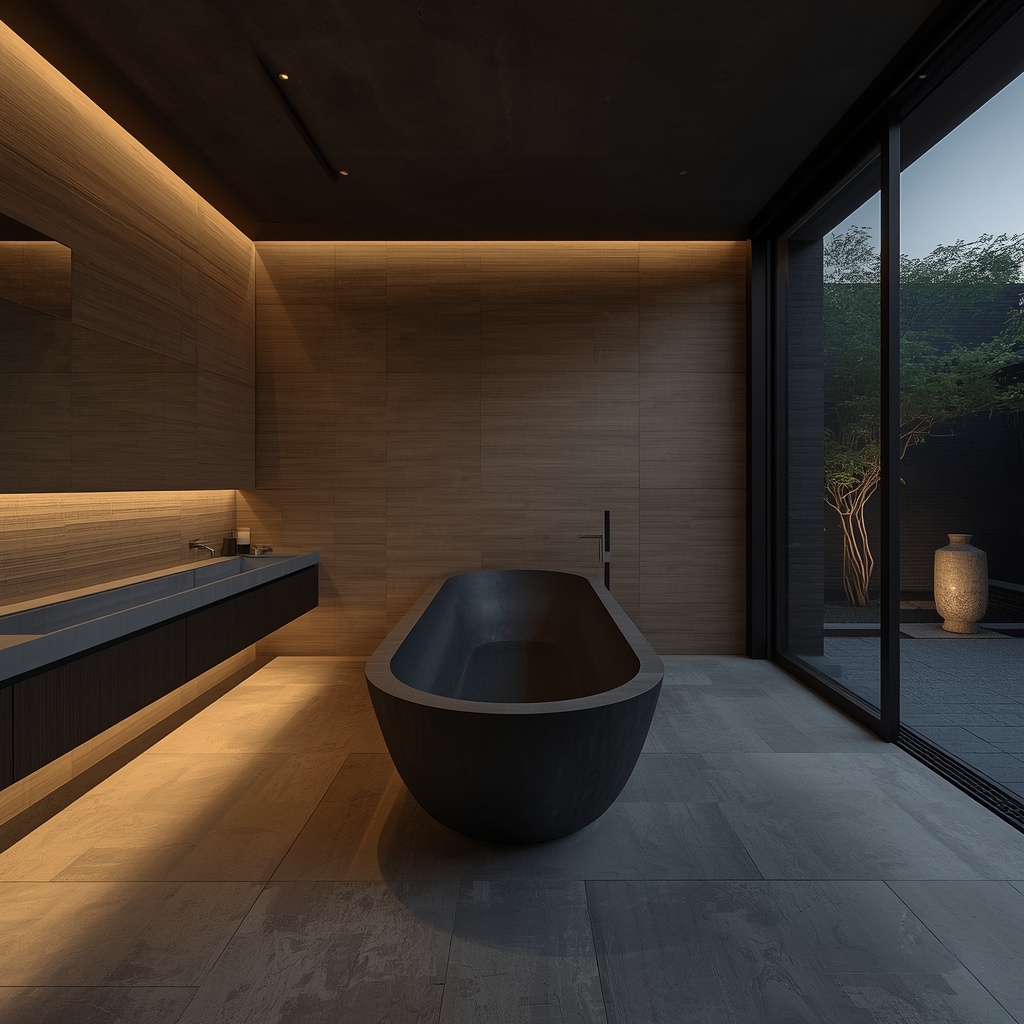
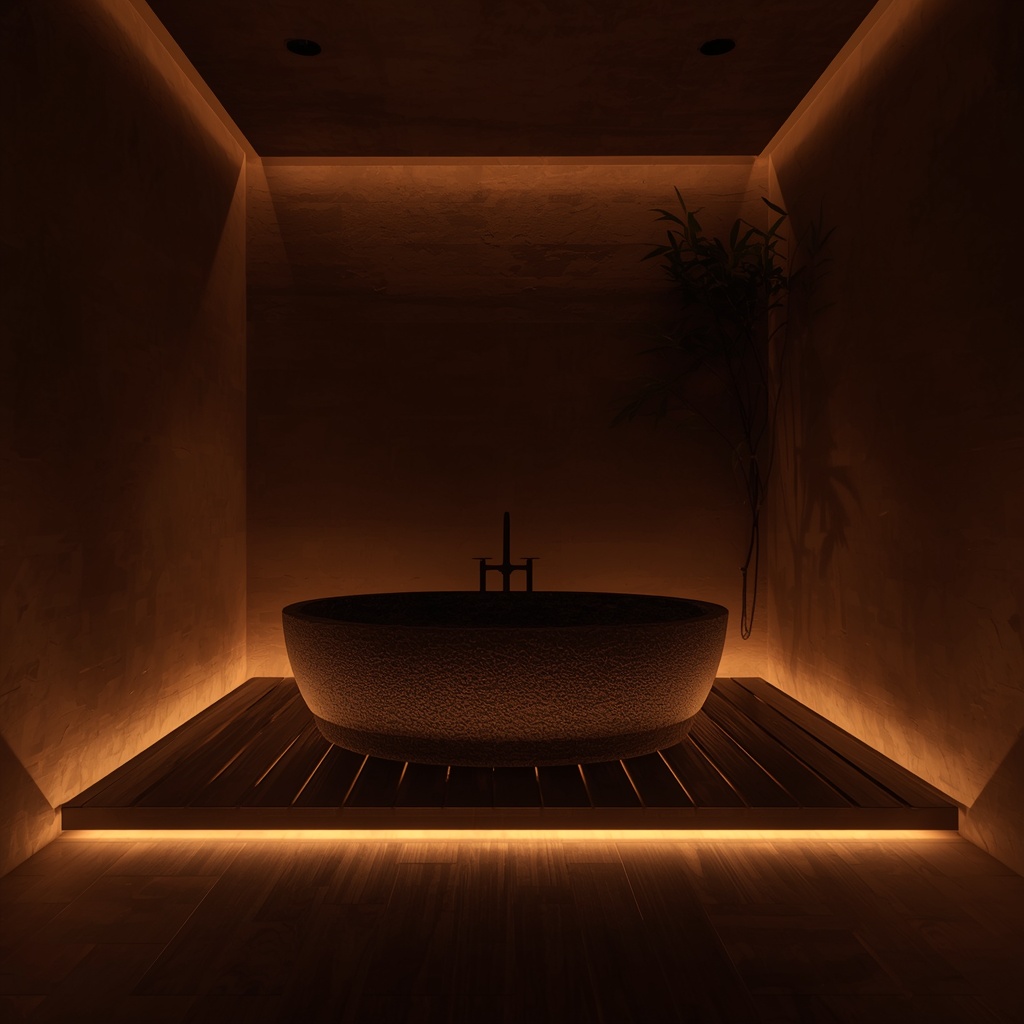
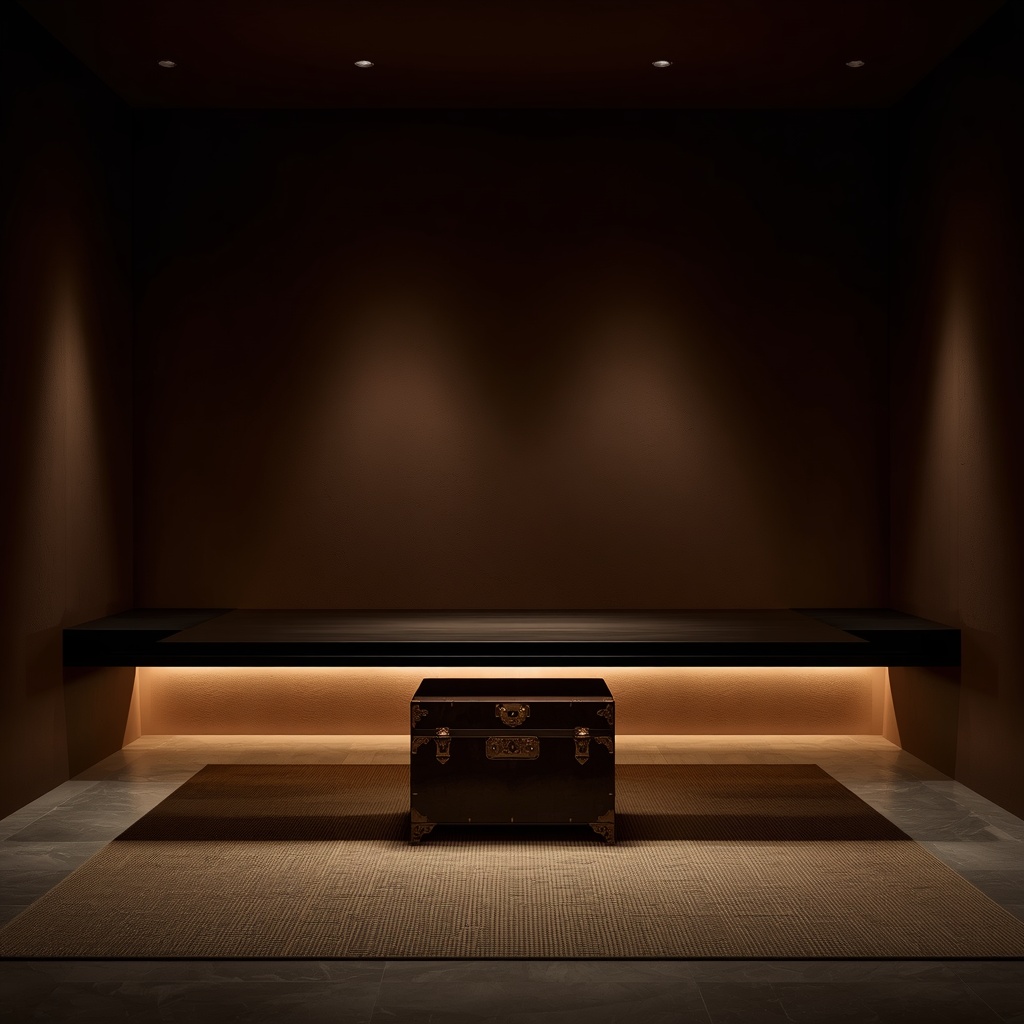
    A luxury minimalist bathroom with a stone soaking tub, an Onggi jar, and a view of a bamboo garden, embodying the Korean Zen spa aesthetic.

    If you have already established a sense of focus in your Modern Sarang-bang, it is time to turn your attention to the space where you begin and end your day.

    In the world of K-Zen Home, the bathroom is not just a utility; it is a “Suso” (purification) sanctuary. Join 404+ global readers in discovering how to transform your bath into a high-end Korean spa experience.


    1. Earth’s Presence: The Elegance of Onggi

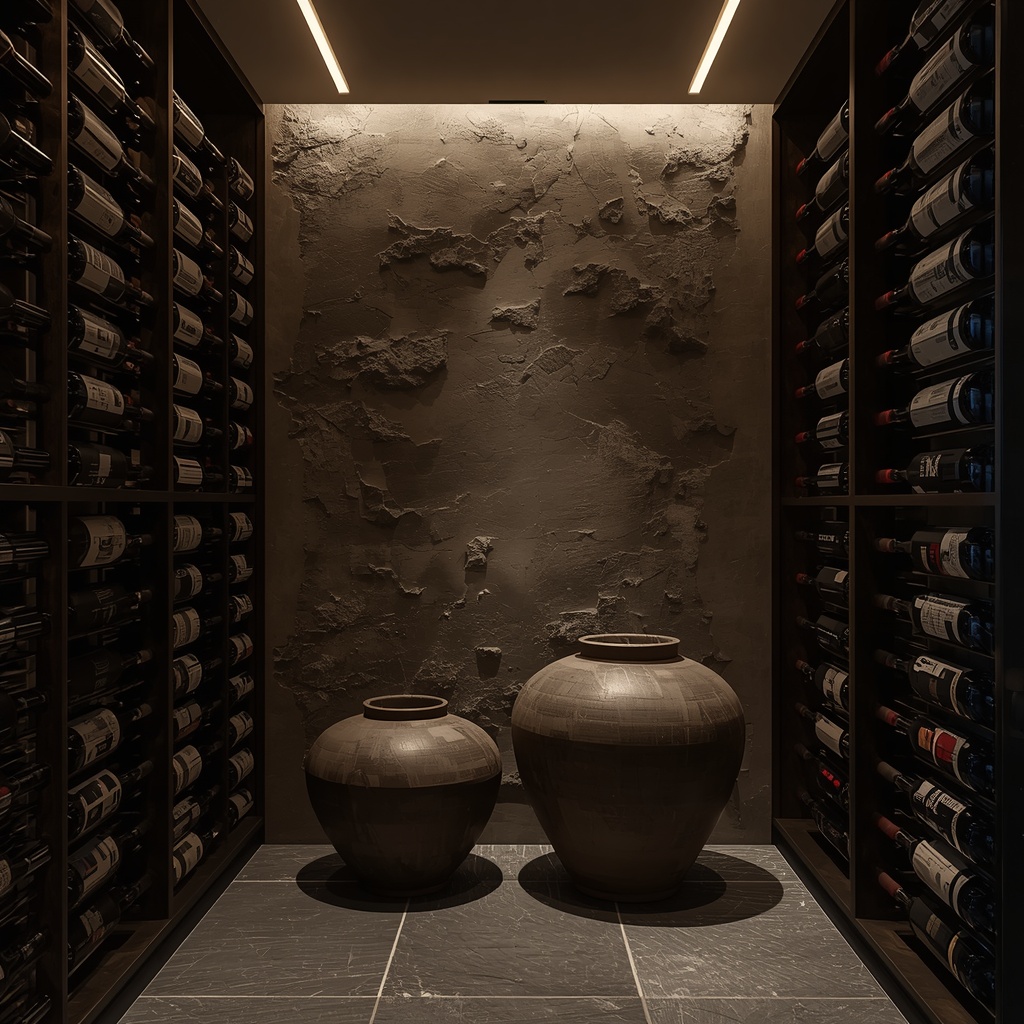
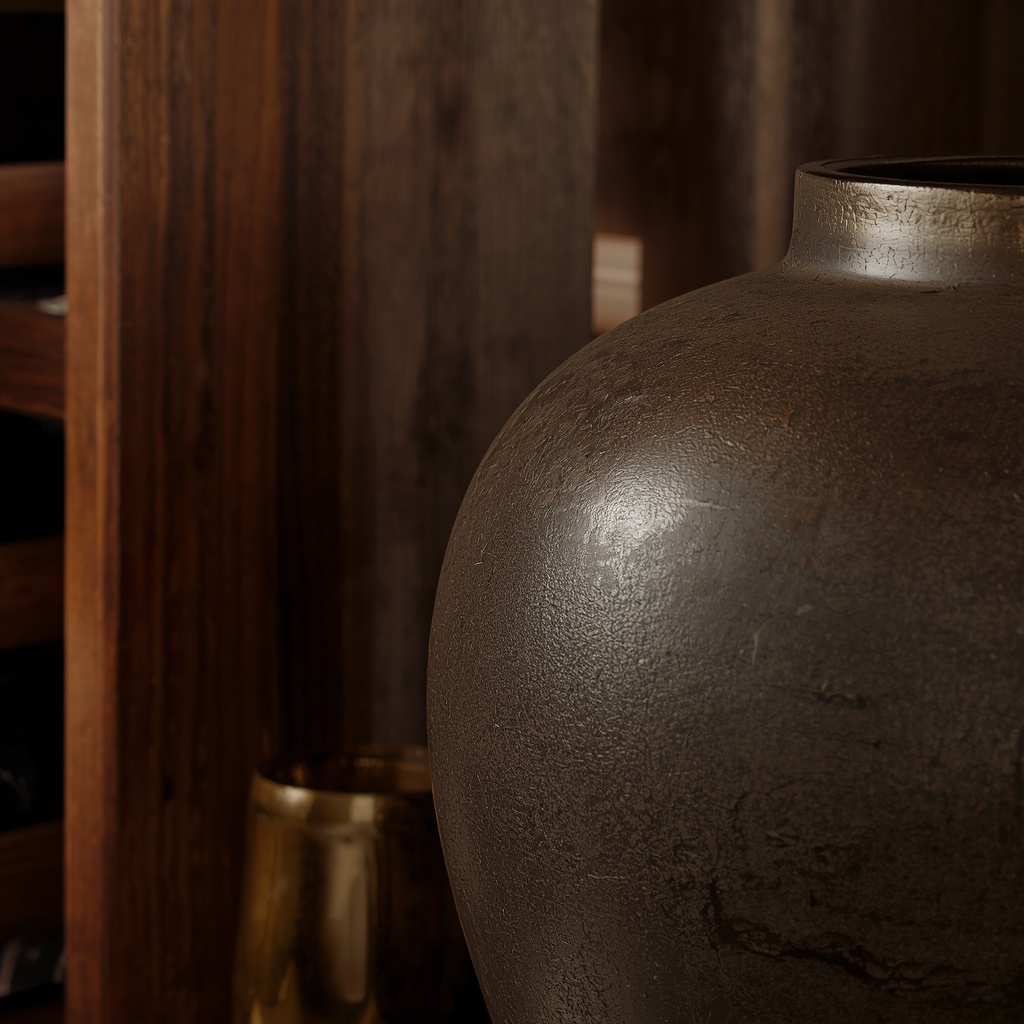
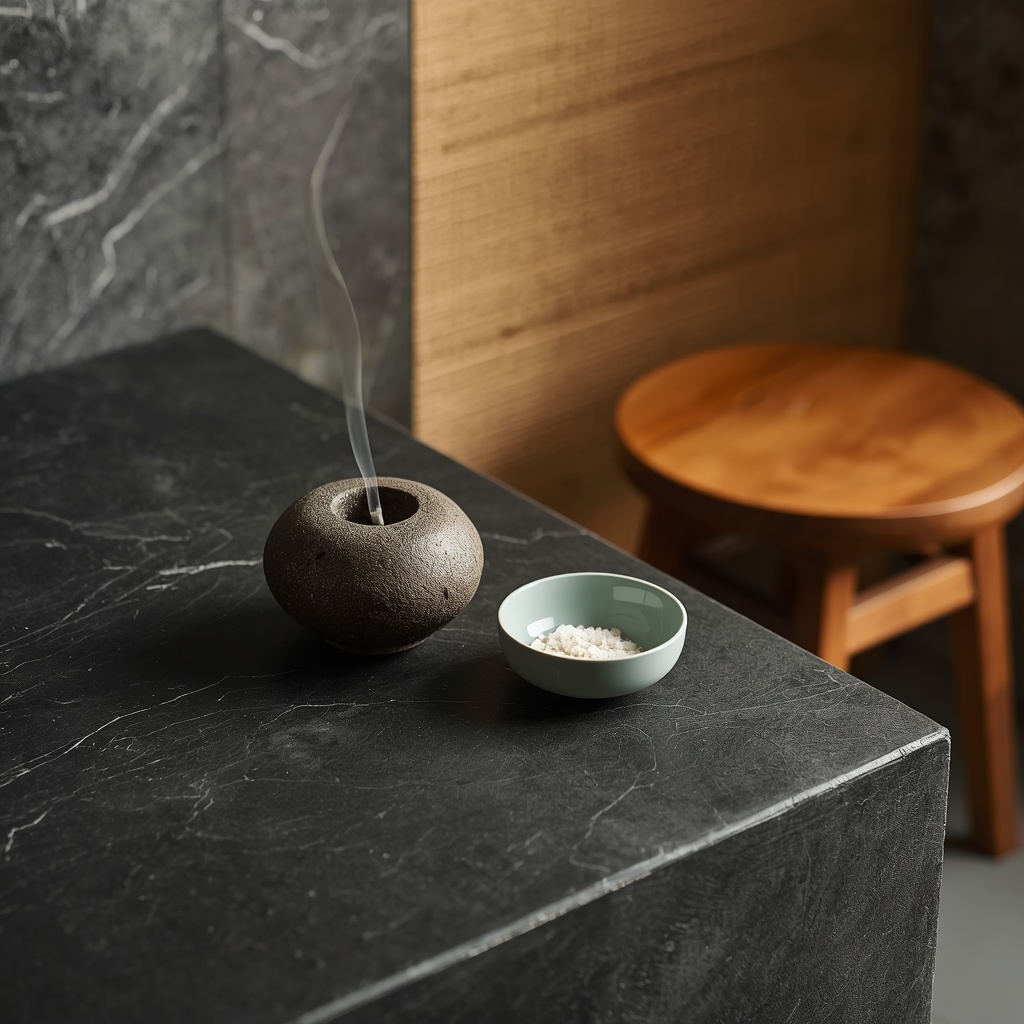
    Replace cold, synthetic containers with Onggi (Traditional Korean Earthenware). These dark, breathable clay jars are perfect for holding bath salts or acting as organic diffusers. Their deep, earthy tones provide a “Tactile Grounding” that pairs beautifully with the Breathing Walls found in your bedroom.

    2. The Art of the “Soaking View”

    The ultimate K-Spa luxury is the connection to nature. Much like the Borrowed Scenery in your backyard, your bathtub should be positioned to frame a natural view—whether it’s a single bamboo cluster or a curated stone arrangement.

    3. Material Minimalism: Stone, Wood, and Jade

    Incorporate natural elements that stimulate the senses. A minimalist stone tub combined with dark wooden slats creates a sophisticated “Visual Silence.” Adding a small Jade (Ok) massage tool or a white porcelain soap dish adds a layer of “Refined Heritage” that we’ve highlighted in our K-Art Ceramics Guide.


    💡 Spa Styling Tip:

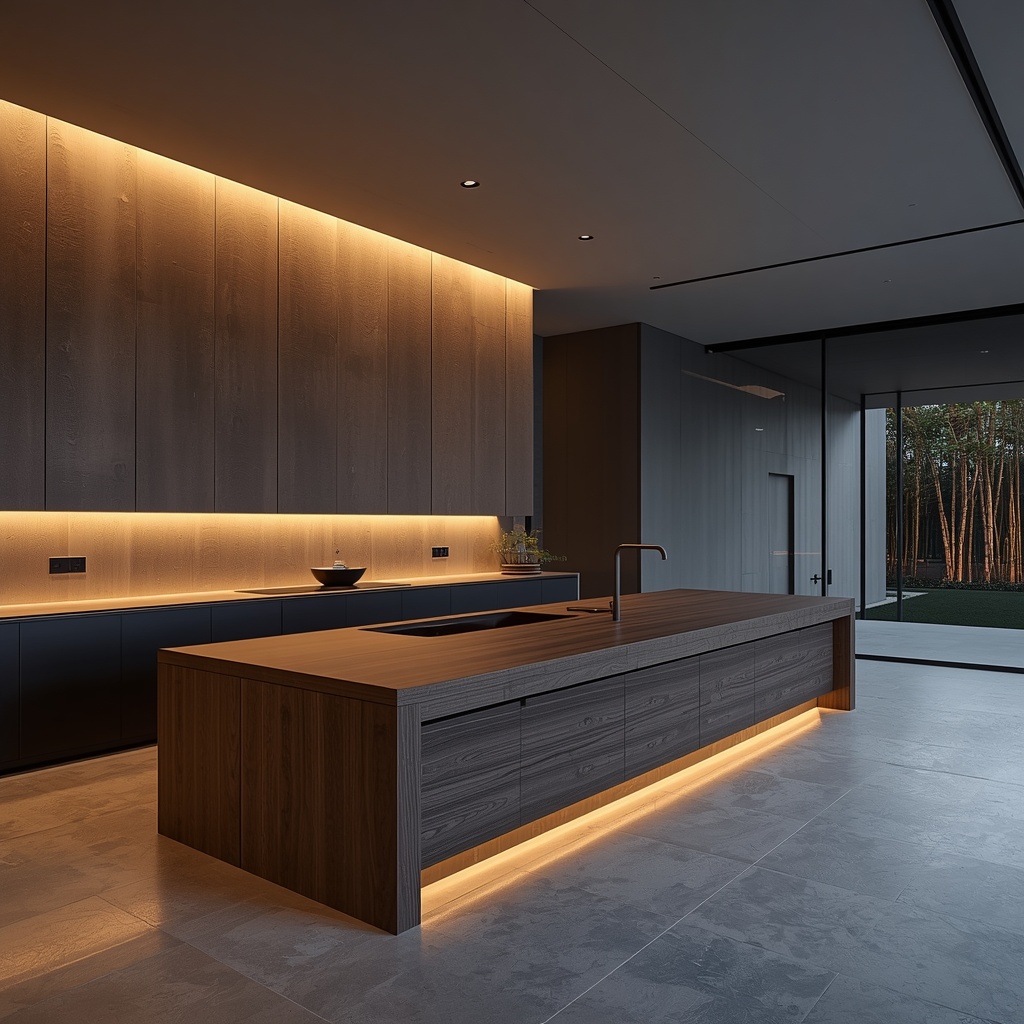
    Lighting should be “Mist-like.” Use recessed warm LEDs that glow softly behind textured walls. When the light hits the steam of your bath, it should feel like a morning fog in a deep mountain forest—a true Architecture of Peace.

    Is your bathroom a place of rush or a place of ritual? Let’s share our favorite wellness tips in the comments below.

  • Bojagi Art: The Sustainable Masterpiece for Your Zen Sanctuary

    In our recent exploration of the Modern Sarang-bang, we discussed the power of the “One Object” rule. But what deserves to grace your Breathing Walls?

    Today, we introduce Bojagi—the ancient Korean art of patchwork textiles. Often called “the Mondrian of the East,” these hand-stitched masterpieces are more than just decor; they are a statement of sustainable luxury. Join 404+ global readers in discovering the ultimate “Tactile Art.”


    1. The Geometry of Heritage: Beyond Painting

    Unlike a heavy oil painting, a framed Bojagi brings a sense of airy sophistication. Its hand-stitched lines create a geometric rhythm that pairs perfectly with the minimalist architecture of a K-Zen Home.

    • Curator’s Choice: Opt for semi-transparent silk fabrics (Ramie or Ok-sa) to create a “Light Play” that changes throughout the day.
    A framed Korean Bojagi patchwork textile art hanging on a textured Hanji wall in a luxury minimalist home, showcasing geometric patterns and natural light.

    2. Sustainable Luxury: Art with a Soul

    In an era of mass production, Bojagi stands as a testament to the “Art of the Patchwork.” Historically made from recycled fabric scraps, it represents a high-end approach to sustainability. It carries a “Warmth” (On-gi) that mirrors the soul of our Elegant Korean Ceramics.

    3. Layering the Narrative: Texture on Texture

    The true magic happens when you hang a silk Bojagi against a Hanji Wall. The interplay between the fibrous paper and the translucent silk creates a sophisticated “Tactile Layering” that defines the modern K-Minimalist aesthetic.


    💡 Styling Tip for Collectors:

    Treat your Bojagi as a light filter. If you have a window in your office or meditation room, consider hanging a large, un-framed piece. Watch as the sun transforms the fabric into a living mosaic of colors, much like the changing seasons in your K-Zen Backyard.

    Do you prefer the bold lines of modern art or the hand-stitched story of heritage textiles? Share your curatorial vision in the comments below.

  • The Modern Sarang-bang: Redefining the High-End Home Office

    If you have already wrapped your sanctuary in our Breathing Walls, you understand that true productivity comes from mental clarity.

    In the busy lives of modern leaders, the Western home office often feels cluttered with “noise.” Today, we introduce the Sarang-bang—the traditional Korean scholar’s study—reimagined for the 21st-century estate. Join 404+ discerning global readers who are discovering the power of the “Empty Desk.”


    1. The Low-Profile Perspective: Grounded Focus

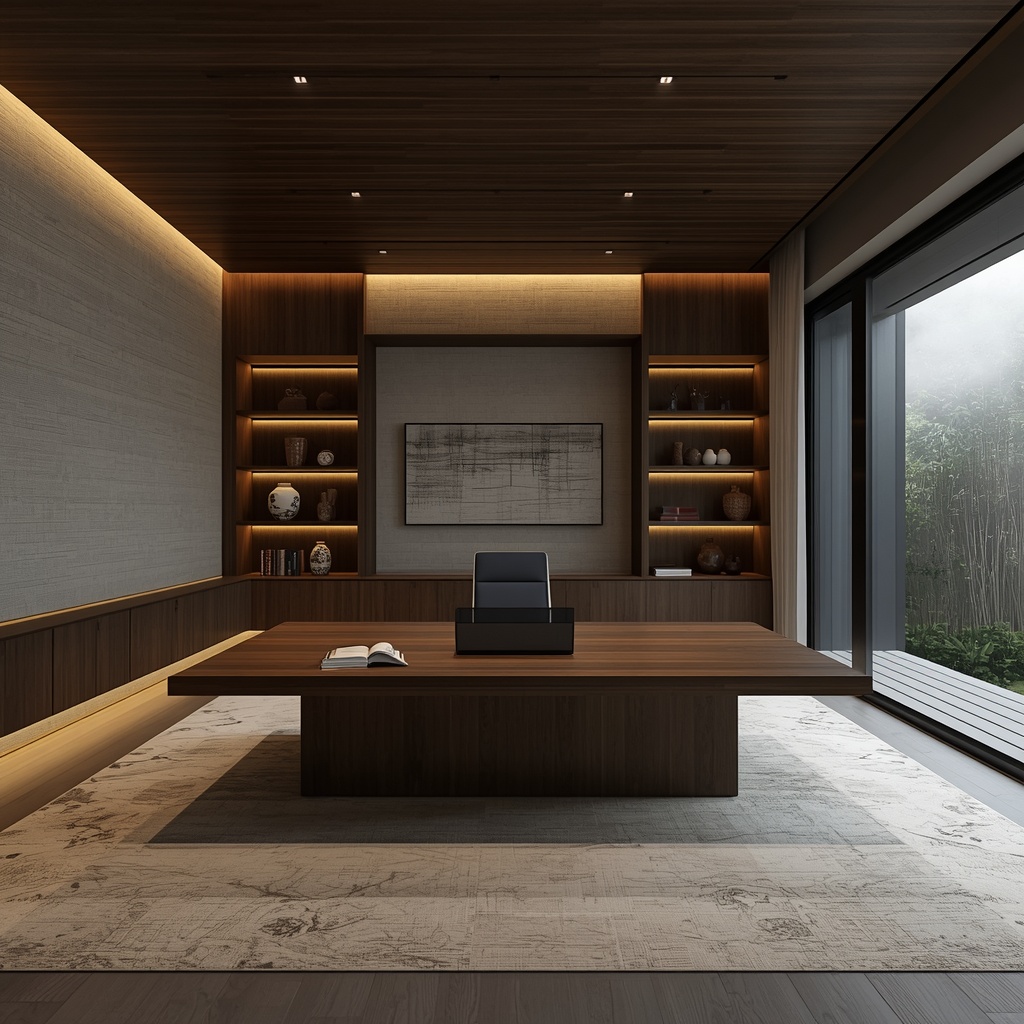
    Unlike the towering executive desks of Wall Street, the Sarang-bang spirit focuses on being grounded. By utilizing a low-profile, solid dark walnut desk, you physically lower your center of gravity, inviting a deeper level of focus. It is the architectural equivalent of the Architecture of Peace we explored previously.

    A luxury modern home office inspired by the Korean Sarang-bang scholar's study, featuring a dark walnut desk, a view of a Zen garden, and minimalist decor.

    2. Curated Minimalism: The “One Object” Rule

    A Sarang-bang is defined by what it doesn’t have. Replace cluttered shelves with a single, exceptional piece of Elegant Korean Ceramics or a Moon Jar. This “Visual Anchor” allows your mind to rest between high-stakes decisions, mirroring the intentionality of a Bespoke Seokdeung in your garden.

    3. Borrowed Wisdom: Framing the Garden

    The ultimate luxury of a modern Sarang-bang is the view. Positioning your workspace to overlook your K-Zen Backyard creates a seamless flow of inspiration. Through large glass panes, the changing seasons become your wall art—a dynamic, living version of the Jogakbo Art we admire.


    💡 Styling Tip:

    Lighting is the soul of the office. Avoid harsh overhead LEDs. Instead, use soft, warm-toned floor lamps that mimic the filtered light of Hanji Windows. When the sun sets, your office should transform into a meditative chamber of light and shadow.

    Is your office a place of stress or a sanctuary of strategy? Let’s discuss the art of the ‘Scholar’s Focus’ in the comments below.

  • The Ritual of Peace: Reimagining the Modern Korean Tea Space

    Having curated your Outdoor Sanctuary and wrapped your home in Breathing Walls, we arrive at the ultimate interior destination: The Tea Space.

    In the fast-paced life of a modern leader, the greatest luxury isn’t a gold watch—it’s ten minutes of undisturbed stillness. For our 391+ global readers, we present the “K-Tea Nook,” a masterclass in functional serenity.


    1. The Power of the “View-Frame”

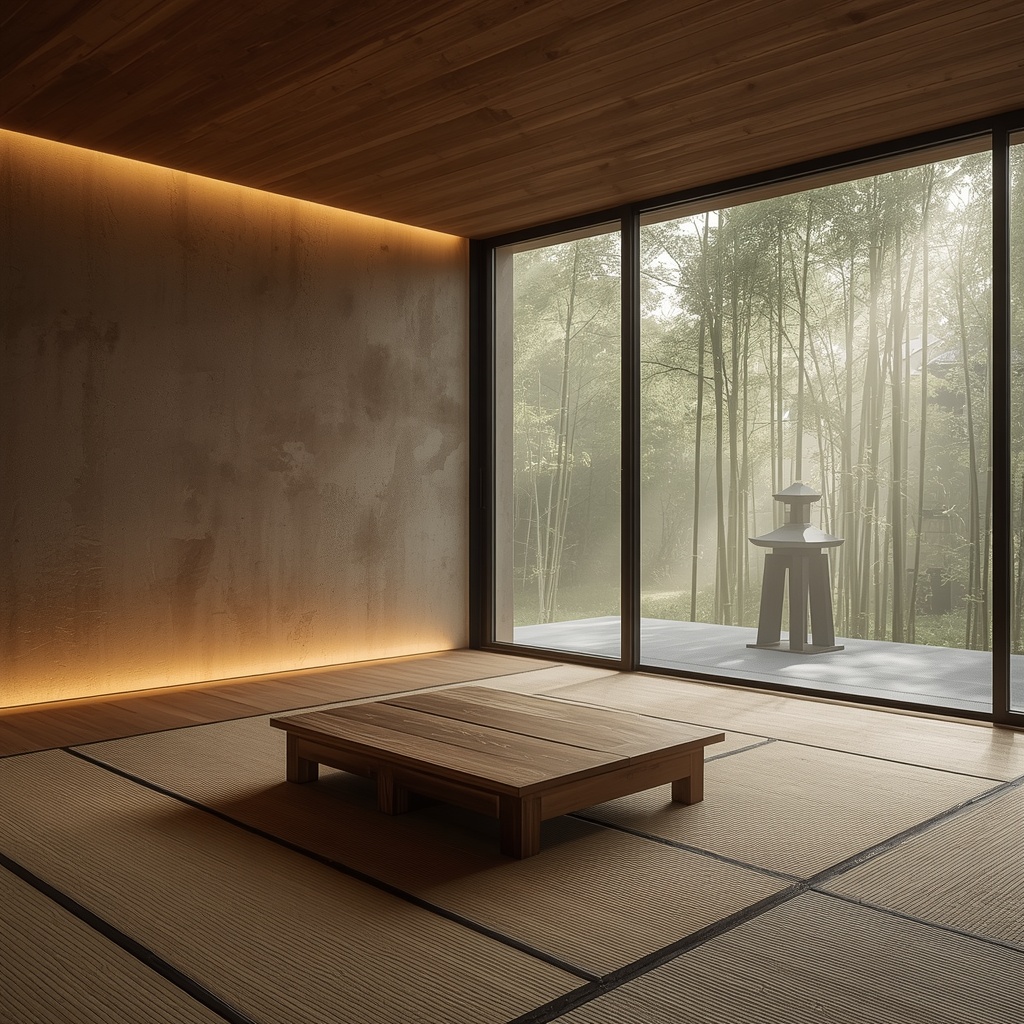
    A Korean tea space is never isolated; it is a bridge to the outside. By placing your tea set near a window overlooking your Seokdeung (Stone Lantern), you practice “Borrowed Scenery.” This visual connection expands a small corner into a vast, meditative landscape.

    A minimalist luxury tea ceremony corner with a celadon tea set and a Moon Jar vase, overlooking a Zen garden through a large window.

    2. Tactile Luxury: Celadon and Wood

    Skip the mass-produced ceramics. A hand-thrown Celadon (Chong-ja) or White Porcelain (Baek-ja) set provides a cool, sophisticated touch against the warmth of a dark wood table. It’s about the “Sensory Contrast” that we’ve highlighted in our guide to Elegant Korean Ceramics.

    3. The Art of the “Moon Jar” (Dal-hang-ari)

    No K-Zen tea space is complete without a statement of “Imperfection.” A small Moon Jar acting as a vase adds a layer of curated heritage. Its subtle, off-white curves bring a sense of calm that even the most expensive modern art cannot replicate.


    💡 Styling Note:

    Keep the lighting low. The goal is to mimic the soft, filtered glow of Hanji Windows. When the light hits your tea steam against a background of ‘Breathing Walls,’ you’ve officially achieved the pinnacle of K-Minimalism.

    What is your morning ritual? Could a dedicated space for stillness change your day? Let’s talk about the luxury of time in the comments.

  • Breathing Walls: The Untouchable Luxury of Hanji and Clay

    Following our exploration of the Silent Sentinel in the Garden, we move inside to the very skin of your home: the walls.

    In a world of synthetic paints and mass-produced finishes, the ultimate luxury is a space that breathes. For our 391+ global readers who value both health and high-end aesthetics, we introduce the ancient Korean wisdom of “Breathing Walls.”


    1. The Texture of Life: Premium Hanji Wallpaper

    Unlike flat, clinical wallpaper, Hanji (Korean Mulberry Paper) is a living material. Its visible fibers capture light in a way that creates a soft, ethereal glow—reminiscent of the “Light Play” we discussed in our guide to Modern Seoul Style.

    • Design Note: It naturally regulates humidity, making your master suite not just a room, but a sanctuary for recovery.
    A luxury master bedroom with textured Hanji wallpaper and a minimalist aesthetic, featuring soft natural light and organic materials.

    2. Clay Finishes: The Earth’s Palette

    To complement Hanji, we often specify a natural Clay (Hwang-to) finish for accent walls. Its warm, organic tones provide a “Tactile Luxury” that mirrors the sophisticated grounding effect of Elegant Korean Ceramics. It is a statement of understated wealth—choosing the earth over the factory.

    A luxury master bedroom with textured Hanji wallpaper and a minimalist aesthetic, featuring soft natural light and organic materials.

    3. Acoustic Serenity: The Silent Benefit

    One often-overlooked luxury of Hanji-covered walls is their acoustic properties. The irregular surface of the paper absorbs harsh sounds, creating a “Silent Sanctuary” perfect for your Modern Meditation Room. It is the ultimate upgrade for the modern listener.


    💡 Curator Tip:

    When styling a room with Hanji walls, keep the furniture low and the color palette monochromatic. Let the texture of the wall be the “Art.” Much like styling with K-Baskets and Brass, the goal is to create layers of interest that only reveal themselves upon closer inspection.

    Would you trade your flawless paint for a wall that breathes with you? Let’s explore the future of eco-luxury in the comments.

  • The Silent Sentinel: Why Your Modern Estate Needs a Korean Seokdeung

    If you have already explored our guide on Designing a Modern Korean Meditation Room, you know that true luxury lies in the balance between light and shadow.

    In the high-end landscapes of the US, we often see mass-produced iron lanterns. But for the discerning homeowner, a Seokdeung (Traditional Stone Lantern) offers something far more profound: a “Living Sculpture” that breathes with the earth. Join 391+ global readers who are transforming their backyards into private sanctuaries of peace.


    1. A Sculpture of Time and Granite

    Unlike metallic fixtures that feel cold against modern architecture, a hand-carved granite Seokdeung brings a “Tactile Heritage” to your garden. Its weathered texture provides a sophisticated contrast to the sleek glass and steel of a Minimalist Living Room exterior.

    • Curator’s Tip: Position the lantern near a sculptural pine tree to create a visual dialogue between the stone and the living wood.

    2. The Art of the “Internal Glow”

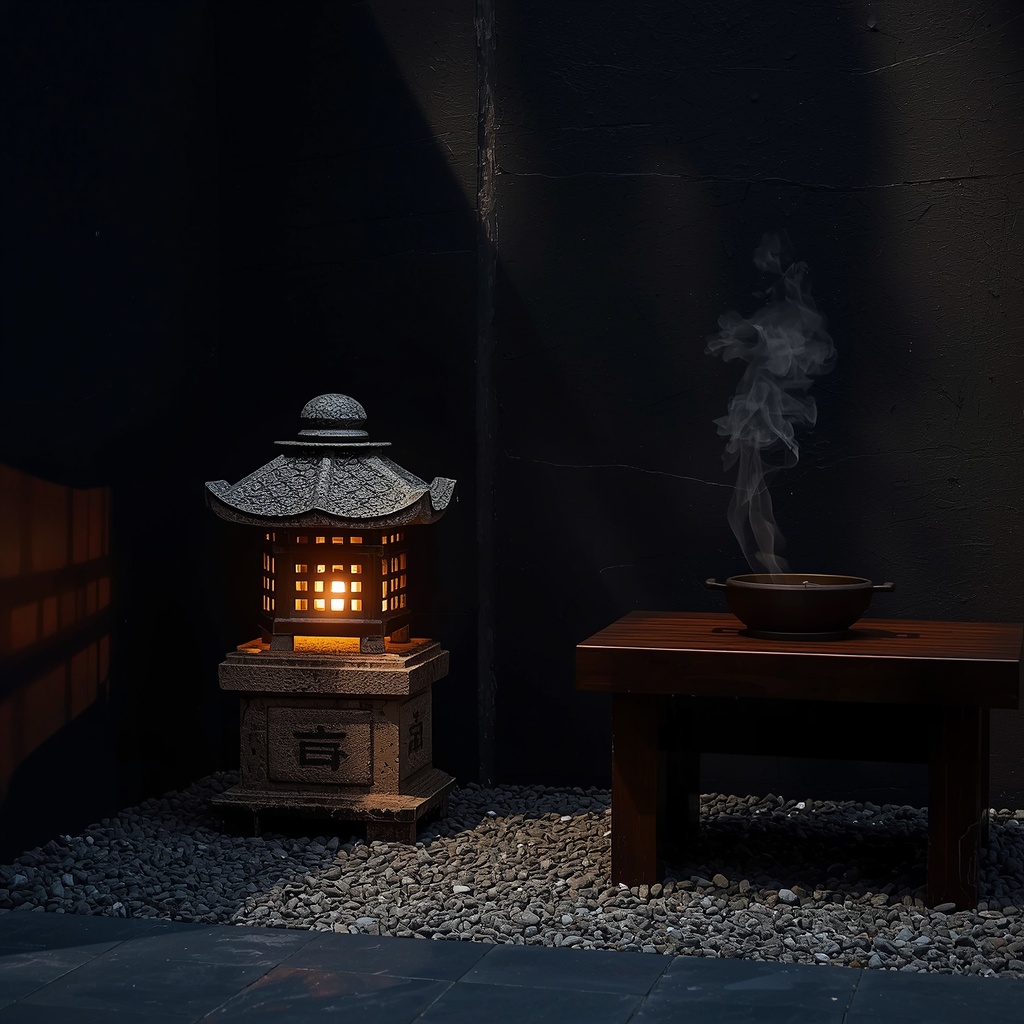
    In K-Zen aesthetics, light should never be aggressive. The beauty of a Seokdeung lies in its ability to soften the night. When lit from within, it mimics the subtle “Light Play” we cherish in Hanji Lighting, turning your garden into a meditative canvas of soft shadows.

    A luxury modern backyard featuring a traditional Korean stone lantern (Seokdeung) glowing at twilight, set on white gravel and moss.

    3. Anchoring the “Yeo-baek” (Empty Space)

    A common mistake in large estates is over-landscaping. A singular, well-placed stone lantern serves as a spiritual anchor for your yard’s “Empty Space.” It creates a focal point that is as powerful as a piece of Elegant Korean Ceramics on a console, but on a grand, outdoor scale.


    💡 Pro Tip for Styling Your Sanctuary:

    Do not over-light the surrounding area. Let the Seokdeung be the primary “Beacon” of your garden. Much like styling with Antique Furniture, the goal is to let the piece’s history and form command the attention it deserves.

    Does your garden have a “Soul” at night, or is it just illuminated? Let’s share our thoughts on outdoor Zen in the comments!

  • The Secret Ingredient: “Warm Minimalism”The Living Canvas: 3 Ways to Curate a Modern Korean Zen BackyardThe Secret Ingredient: “Warm Minimalism”

    If you have already explored our guide on Designing a Modern Korean Meditation Room, you understand that K-Minimalism is not about what is missing, but what is intentionally kept.

    For the high-end homeowner, the backyard is not just a garden; it is an extension of the interior’s soul. Join 391+ discerning global readers as we move beyond the walls to create a outdoor sanctuary of “Yeo-baek” (Empty Space) and “On-gi” (Warmth).


    1. The Living Centerpiece: A Singular Narrative

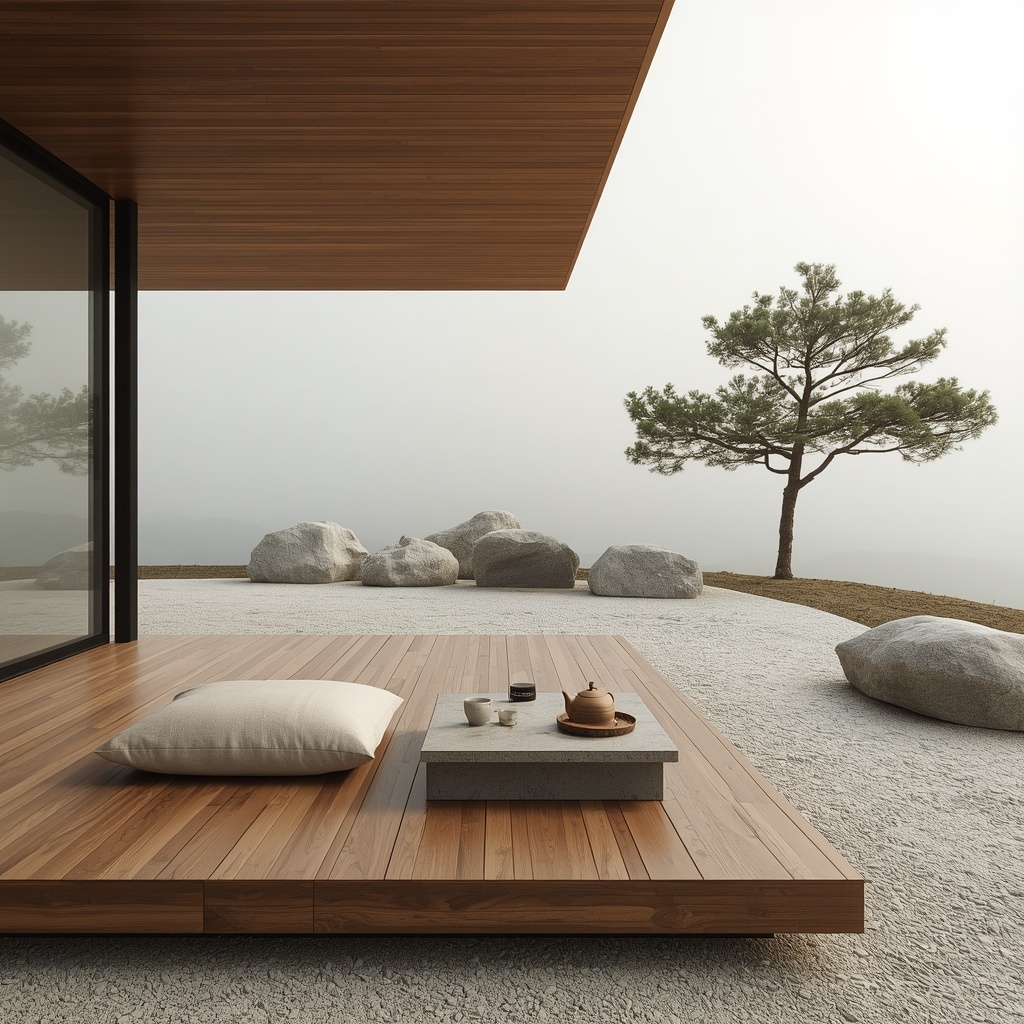
    In premium K-Zen landscaping, we reject the visual noise of cluttered shrubbery. Instead, we invite a single, sculptural Pine (Sanamu) to tell the story. Just as we use Elegant Korean Ceramics to anchor a room, a well-placed tree becomes a silhouette of living calligraphy against your modern estate’s architecture.

    2. Tactile Serenity: The Contrast of Stone and Moss

    To avoid the “coldness” often found in modern minimalism, we introduce the concept of ‘On-gi’ (Warmth) through natural textures. By layering fine white gravel with lush, organic moss islands, you create a “Tactile Luxury” that mirrors the sophisticated feel of Hanji Wallpaper. This is where nature meets curated art.

    3. The Seamless Transition: Modern Toetmaru

    The true luxury of a Korean-inspired home lies in the blurring of boundaries. Extending your flooring onto a low-profile, dark-wood Toetmaru (Deck) creates a seamless flow from your Minimalist Living Room to the sanctuary outside. It is the perfect stage for morning tea and evening contemplation.


    💡 Pro Tip for Stylized Lighting:

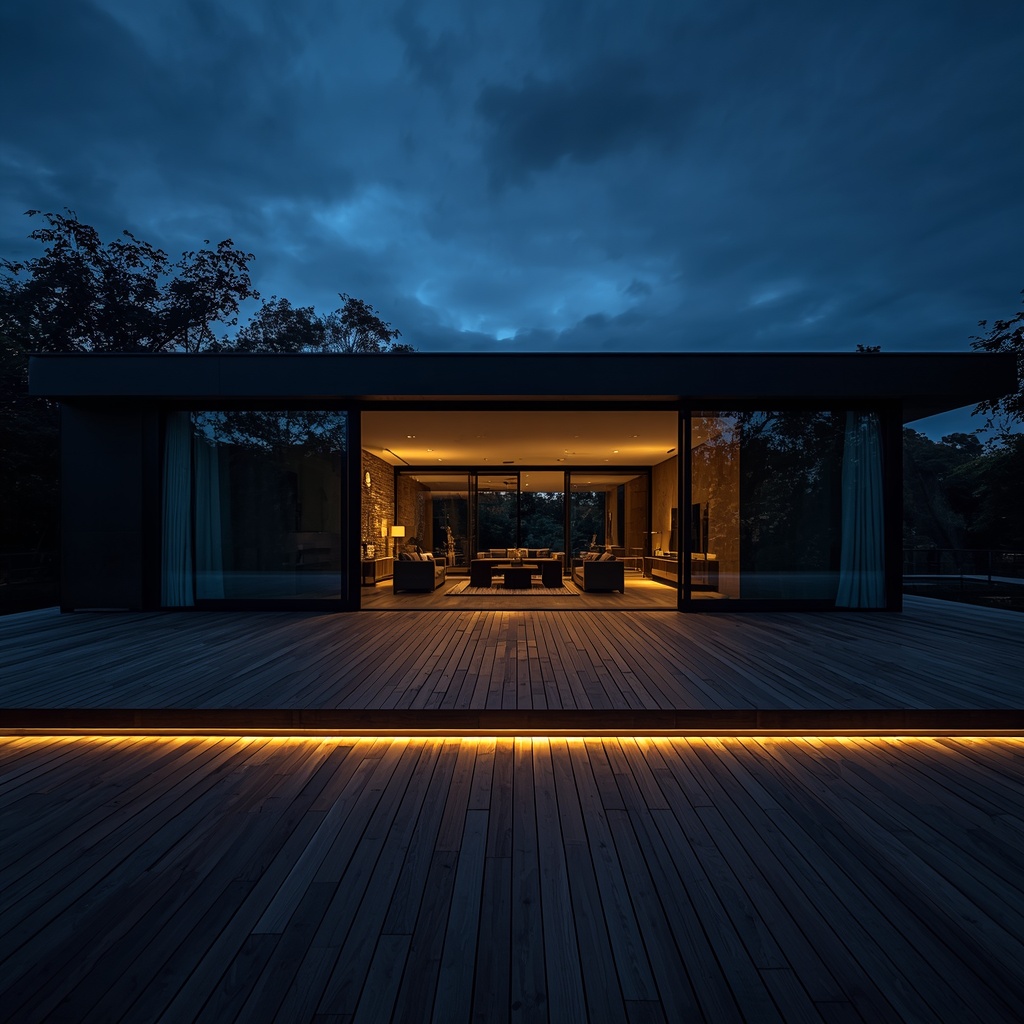
    Avoid aggressive security lights. Opt for recessed, warm-toned LEDs that graze the texture of the moss and the bark of the pine. Much like styling with K-Baskets and Brass, the light should be a soft accent that enhances the heritage of the space, not a distraction.

    Does your current outdoor space offer you peace, or is it another chore? Let’s discuss how to bring “Yeo-baek” to your backyard in the comments below.baek’ (Empty Space) feel both expansive and incredibly intimate.

  • The Abstract Heritage: 3 Ways to Style Your Home with Korean “Jogakbo”

    In a world of mass-produced textiles, there is something profoundly moving about the hand-stitched geometry of Jogakbo. Often called “the Mondrian of the East,” these traditional Korean patchwork cloths were originally made by women recycling fabric scraps into works of art. If you want to add a vibrant “Color Point” to your Modern K-Zen Sanctuary, Jogakbo is your answer. Join 385+ global readers who are discovering the art of the stitch!


    1. The Modern Wall Tapestry

    Don’t hide your Jogakbo in a drawer. Frame a large, high-quality silk patchwork and hang it as a centerpiece in your Minimalist Living Room. The colorful yet translucent fabric acts as a soft filter for light, creating a dynamic visual anchor that pairs beautifully with your Hanji Wallpaper.

    2. Functional Art as Table Runners

    Use a long, slim Jogakbo as a runner for your Modern Dining Table or a low console. The intricate geometric patterns provide a sophisticated “Tactile Luxury” that contrasts with the solid wood of your Antique Furniture. It’s an instant conversation starter for your next dinner party.

    3. Layering with Light and Glass

    Because many Jogakbo are made of semi-transparent silk, they are perfect for window styling. Hang a small piece in front of a window to see how it transforms the incoming sunlight into a mosaic of colors. This “Light Play” adds a layer of Modern Seoul Style to your home, making even the simplest corner feel curated.


    💡 Pro Tip for Styling with Patchwork:

    Keep the surrounding area quiet. Since Jogakbo is visually rich and geometric, it works best when surrounded by Yeo-baek (Empty Space). Let the colors breathe, and the hand-stitched details will speak for themselves.

    Do you prefer solid neutral colors or the vibrant energy of patchwork patterns? Let’s share our favorite textile ideas in the comments!

  • Beyond Bright: 3 Secrets to Styling Your Home with Korean “Ink Black” (Dark Zen)

    While many associate K-style with light woods and white walls, there is a deeper, more mysterious side to Korean aesthetics: the beauty of Ink Black. Inspired by traditional ink paintings (Sumukhwa) and the purifying power of charcoal (Sut), a “Dark Zen” interior offers a level of sophistication that bright spaces simply cannot match. Join 385+ global readers who are embracing the dark side of luxury!


    1. The Power of Charcoal (Sut) Accents

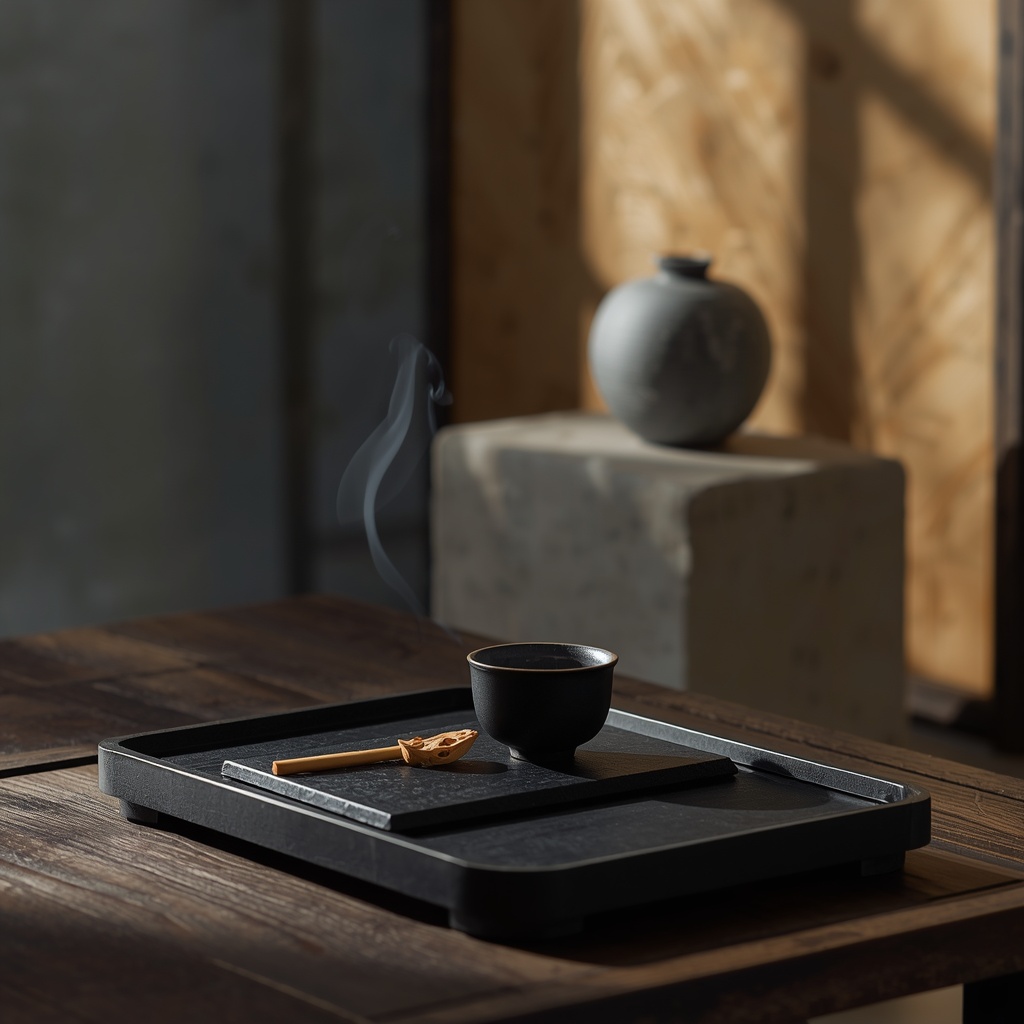
    In Korea, charcoal isn’t just for fuel; it’s a natural air purifier and a sculptural element. Place a bundle of high-quality Charcoal (Sut) on a dark stone tray in your Minimalist Entryway. The matte black texture adds an “Organic Mystery” that feels both ancient and ultra-modern. It’s the ultimate expression of Tactile Luxury.

    2. Layering Deep Tones of Wood

    Swap out light oak for deep, burnt-wood textures or black-stained furniture. Pair a dark Traditional So-ban with a charcoal-grey wall. This monochromatic approach allows the silhouettes of your Moon Jars or Ceramic Vases to stand out like glowing stars in the night sky.

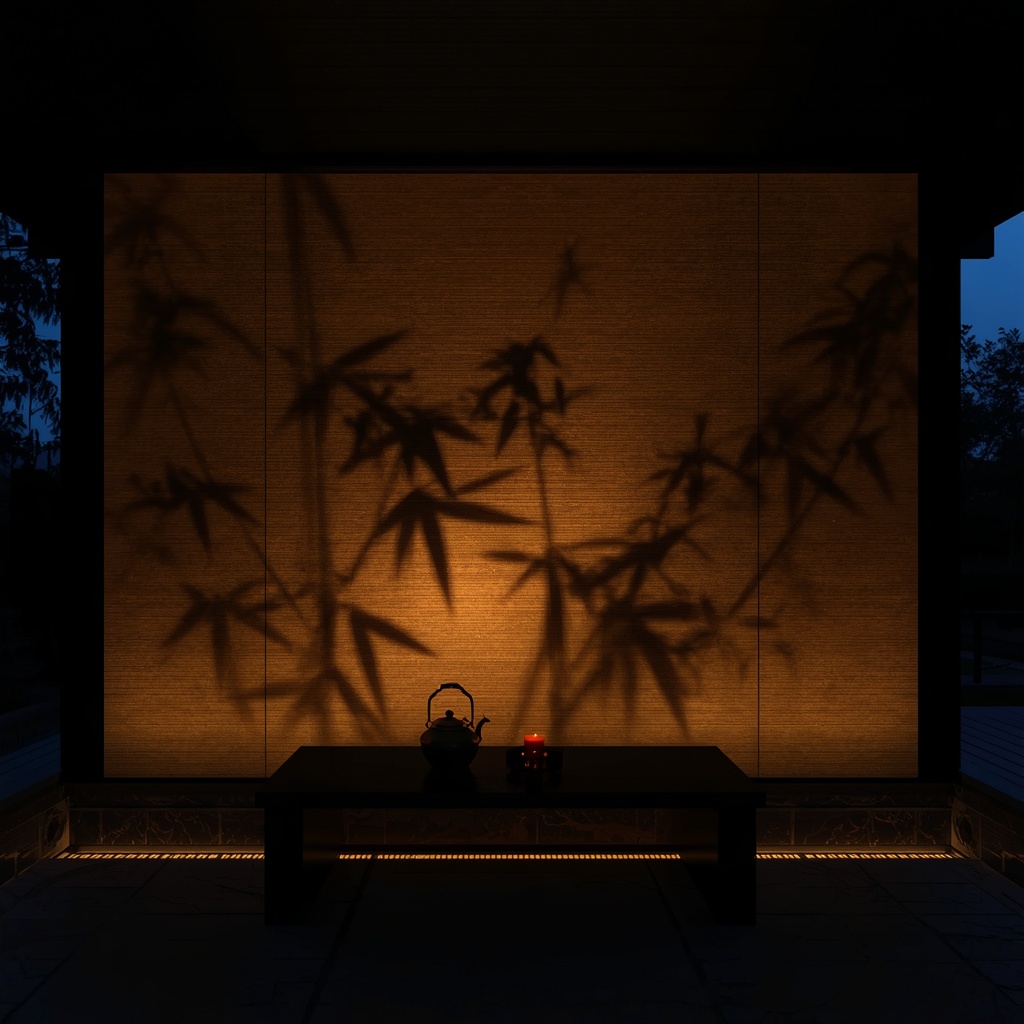
    3. Moody Lighting and Shadows

    A Dark Zen space lives in the shadows. Use dim, indirect lighting to highlight the textures of your Hanji Wallpapers and the grain of your dark furniture. The way light softly reflects off a dark Lacquered Tray creates a poetic, contemplative atmosphere that is perfect for your Meditation Room.


    💡 Pro Tip for Dark Zen Styling:

    The secret to a dark room not feeling “heavy” is contrast. Always include one or two white or light-colored objects—like a single white ceramic bowl or a crisp linen cushion—to act as a visual anchor. This balance of dark and light is the core of our Modern Seoul Style.

    Are you a fan of bright, airy spaces, or do you prefer the deep, quiet energy of a dark room? Let’s share our favorite color palettes in the comments!

  • The Scholar’s Sanctuary: 3 Secrets to a Modern Korean “Sarang-bang” Home Office

    In a world of constant digital noise, the home office should be a place of deep focus and intellectual peace. In South Korea, we historically called this space the Sarang-bang—a room dedicated to study, art, and guest welcoming. If you want to elevate your productivity within your Modern K-Zen Sanctuary, it’s time to design with wisdom. Join 380+ global readers who are working in peace today!


    1. The Power of the Low-Profile Desk (Mungap)

    Traditional Sarang-bangs utilized low wooden desks to keep the scholar close to the floor heating and grounded in thought. By using a minimalist Low-Profile Desk, you reduce visual clutter and open up the room’s vertical space. It aligns perfectly with our Cozy Floor Life philosophy, making your work feel less like a chore and more like a ritual.

    2. Framing a “Living View” (Cha-gyeong)

    In Korean design, the window is a frame for a living painting. Position your desk so you can look out onto a Minimalist Stone Garden or a single Bonsai Tree. Use Traditional Hanji Blinds to filter the light, creating a soft, golden glow that reduces eye strain and enhances mental clarity during long working hours.

    3. Curating with Intentional Objects

    Avoid the “Office Supply” look. Instead, decorate your desk with a single Elegant Moon Jar or a handcrafted Ceramic Brush Holder. These items represent the soul of Yeo-baek (Empty Space), reminding you to breathe and maintain focus. A clean desk reflects a clean mind.


    💡 Pro Tip for a Productive Sanctuary:

    Include a small Incense Burner with a subtle scent like sandalwood. Much like the scholars of the past, the ritual of lighting incense can signal to your brain that it’s time for deep, focused work. It’s the ultimate Tactile Luxury for the modern intellectual.

    Do you prefer a standing desk or a cozy, grounded workspace? Let’s share our home office styling tips in the comments!