Category: Life in Korea

  • K-Convenience Store Hacks: 3 Delicious Meals You Can Make for Under $10

    If you’re in South Korea, you don’t always need a fancy restaurant to have a great meal. Korean convenience stores (CU, GS25, 7-Eleven) are famous for their unique “Food Hacks”—creative combinations of instant foods that taste like a gourmet meal!

    Here are 3 viral meal combinations you must try.


    1. The Famous “Mark Meal” (Tteokbokki + Spaghetti)

    Named after a K-pop idol, this is the king of convenience store hacks. Combine a cup of instant Tteokbokki with a cup of instant Spaghetti noodles, add a string cheese and a sausage. It’s cheesy, spicy, and incredibly satisfying!

    2. Cup Ramen + Samgyeok-gimbap (Rice Ball)

    This is the ultimate soul food for students and busy workers. Finish your spicy ramen noodles first, then drop a Tuna Mayo Samgyeok-gimbap into the remaining soup. Mix it up, and you have a delicious spicy risotto!

    3. The Pouch Drink + Ice Cup Ritual

    You haven’t truly experienced a Korean convenience store until you’ve tried the “Pouch Drink.” Grab a cup filled with ice and pour in a pouch of Blue Lemonade, Peach Ice Tea, or Hazelnut Coffee. It’s the most refreshing $2 drink you’ll ever have.

    (If you’re looking for dessert after your meal, don’t forget to check out my guide on Viral Korean Convenience Store Desserts!)


    💡 Pro Tip for Travelers:

    Most convenience stores have a dedicated area with hot water and microwaves where you can prepare and eat your food. Don’t be afraid to mix things up—it’s part of the fun!

    Which combination sounds the most delicious to you? Have you tried any “Food Hacks” in your country? Let me know in the comments!

  • 3 Hidden Facilities in Korean Subway Stations You Should Know

    Seoul’s subway system is world-famous for being clean and punctual. But did you know that the stations offer much more than just a train ride? There are several hidden facilities that can save your day!

    Here are 3 essential services you can find in almost every Korean subway station.


    1. Smart Luggage Lockers (T-Locker)

    If you have heavy bags but still want to explore, look for the T-Locker. You can store your luggage securely using a mobile app or a touch screen. It’s perfect for those few hours between hotel check-out and your flight!

    2. Emergency Smartphone Charging

    Running out of battery? Many major stations have smartphone charging stations or portable battery rental machines (like ‘Happy Box’). Just plug in for a few minutes, and you’re back in the digital world!

    3. Extremely Clean Public Restrooms

    Unlike many subways around the world, Korean subway restrooms are free, safe, and very clean. Most stations have them located both inside and outside the ticket gates. They even have emergency bells for safety!

    (If you want to know which apps will help you navigate the subway like a local, check out my post on Essential Apps for Korea!)


    💡 Pro Tip for Travelers:

    If you lost something on the subway, don’t panic! Visit the Lost and Found Center (usually at major hub stations like City Hall or Wangsimni). They have a very high recovery rate for lost items!

    What is the best facility in your city’s subway? Let me know in the comments!

  • 3 Surprising Things About Korean Cafes (Beyond the Coffee)

    After exploring the most Instagrammable cafes in Seoul, you might notice a few things that are very different from your home country. Korean cafes are famous for their high-tech and convenient services.

    Here are 3 things that surprise international visitors the most!


    1. The Magic “Buzzer” (Vibrating Pager)

    In Korea, you don’t have to wait near the counter or listen for your name. You’ll get a small, round vibrating pager. You can sit anywhere, and it will vibrate when your order is ready. It’s simple but incredibly efficient!

    2. Blazing Fast Free Wi-Fi & Outlets

    Almost every cafe in Korea is a “Digital Nomad’s Paradise.” You’ll find free, high-speed Wi-Fi and plenty of power outlets at almost every table. It’s very common to see students and office workers staying for hours with their laptops.

    3. The “Self-Service” Water Bar

    Need a glass of water? You don’t have to ask the barista. Look for a small table with a water pitcher, cups, and napkins. In Korea, water is always free and self-service in cafes.


    💡 Pro Tip for Travelers:

    Don’t be shy about leaving your bag on your seat while you go to the restroom. As mentioned in my post on Korean Cafe Culture Safety, Korea is one of the safest places to do this!

    What is the most convenient service in a cafe in your country? Let me know in the comments!

  • 3 Most Instagrammable Cafes in Seoul You Can’t Miss

    In Seoul, a cafe is not just a place to drink coffee; it’s a space for art and photography. If you want to fill your Instagram feed with stunning shots, these 3 cafes are absolute must-visits.

    Get your camera ready—you’re going to need it!


    1. Rain Report (Gyeongnidan-gil)

    Imagine a place where it “rains” every single day. Rain Report has a stunning outdoor area where artificial rain falls constantly, creating a moody and cinematic atmosphere. It’s the ultimate spot for unique videos and photos.

    2. Cafe Onion (Anguk or Seongsu)

    Cafe Onion is famous for its “Industrial Chic” vibe. The Seongsu branch is a renovated old factory, while the Anguk branch is a beautiful Hanok (traditional house). Both offer incredible contrasts between the old building and modern, delicious pastries.

    3. Nudake (Haus Dosan)

    This is not your average bakery. Nudake is owned by the famous eyewear brand Gentle Monster, and the desserts look like modern art sculptures. Their signature black “Peak Cake” is a viral sensation that tastes as good as it looks!

    (If you’re wondering why Koreans are so obsessed with coffee, check out my popular post on the Korean Iced Americano Culture!)


    💡 Pro Tip for Instagrammers:

    These cafes get very crowded on weekends. If you want to take photos without many people in the background, try to visit on weekday mornings right after they open!

    Which cafe would you visit first for your Instagram photo? Let me know in the comments!

  • Beyond Coffee: What Korean Hanok Cafes Can Teach Us About Spatial Design

    If you visit Seoul, you’ll find hundreds of stunning cafes. But the most unique ones are Hanok Cafes—traditional wooden houses turned into modern coffee shops. They aren’t just for drinking coffee; they are masterclasses in interior design.

    Here is why Hanok cafes are the ultimate inspiration for architects and designers.


    1. The Power of “Frame” Views

    Hanok cafes often use large windows to “frame” the garden outside, making it look like a living painting. This concept, called “Chagyeong” (borrowing scenery), is a great tip for home designers who want to bring nature indoors.

    2. Contrast of Materials

    The beauty of these spaces comes from contrast. You’ll see cold, modern materials like exposed concrete or glass sitting right next to 100-year-old warm pine wood. This balance creates a sophisticated, timeless vibe that many high-end modern homes are now adopting.

    3. Open Floor Plans with Privacy

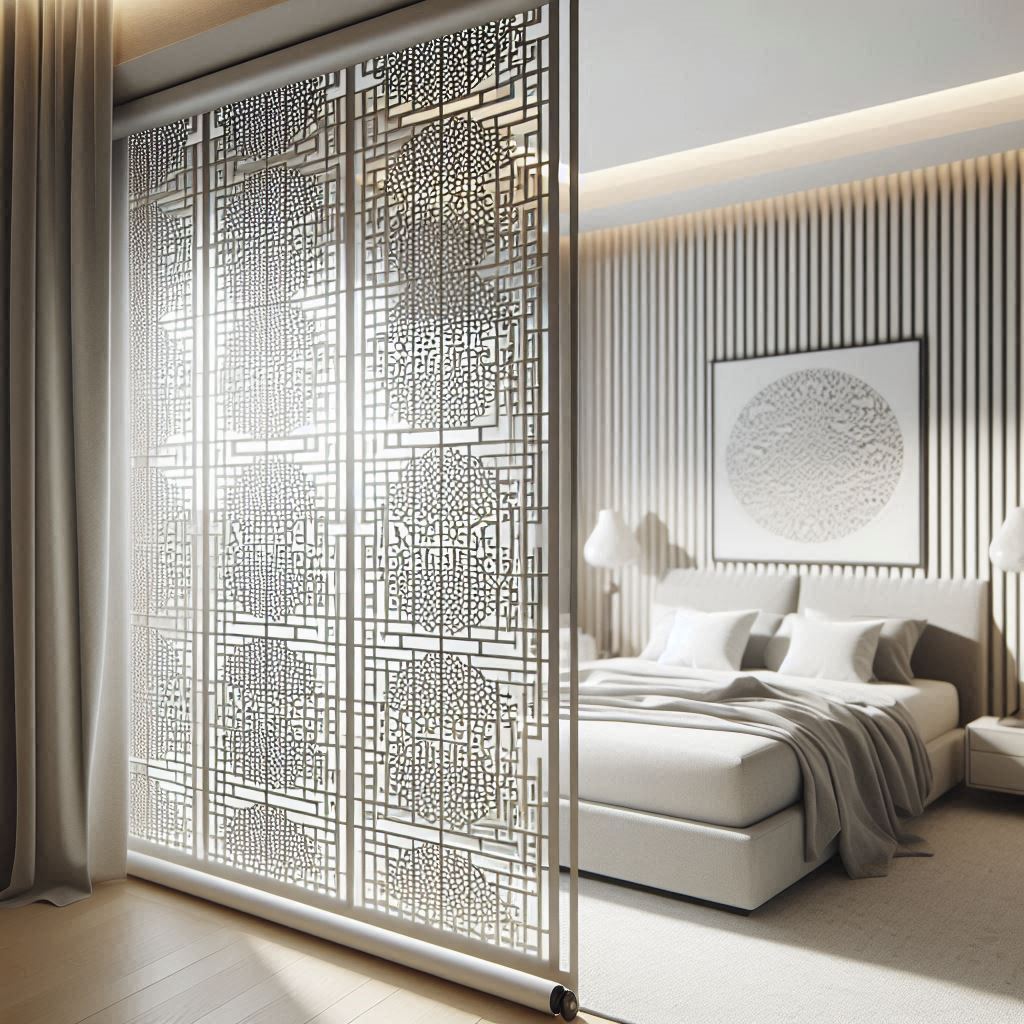
    Even though many Hanok cafes have open layouts, they use wooden dividers or different floor levels to create private “nooks.” It’s a smart way to manage open-concept living rooms in small apartments.

    (If you want to see how this traditional aesthetic is applied to luxury accommodations, check out my previous post on Modern Hanok Stay Design!)


    💡 Pro Tip for Design Lovers:

    Visit Ikseon-dong or Bukchon Hanok Village in Seoul. These areas have the highest density of well-designed Hanok cafes where you can experience these concepts firsthand.

    Do you enjoy cafes with traditional architecture, or do you prefer ultra-modern, industrial designs? Let’s talk in the comments!

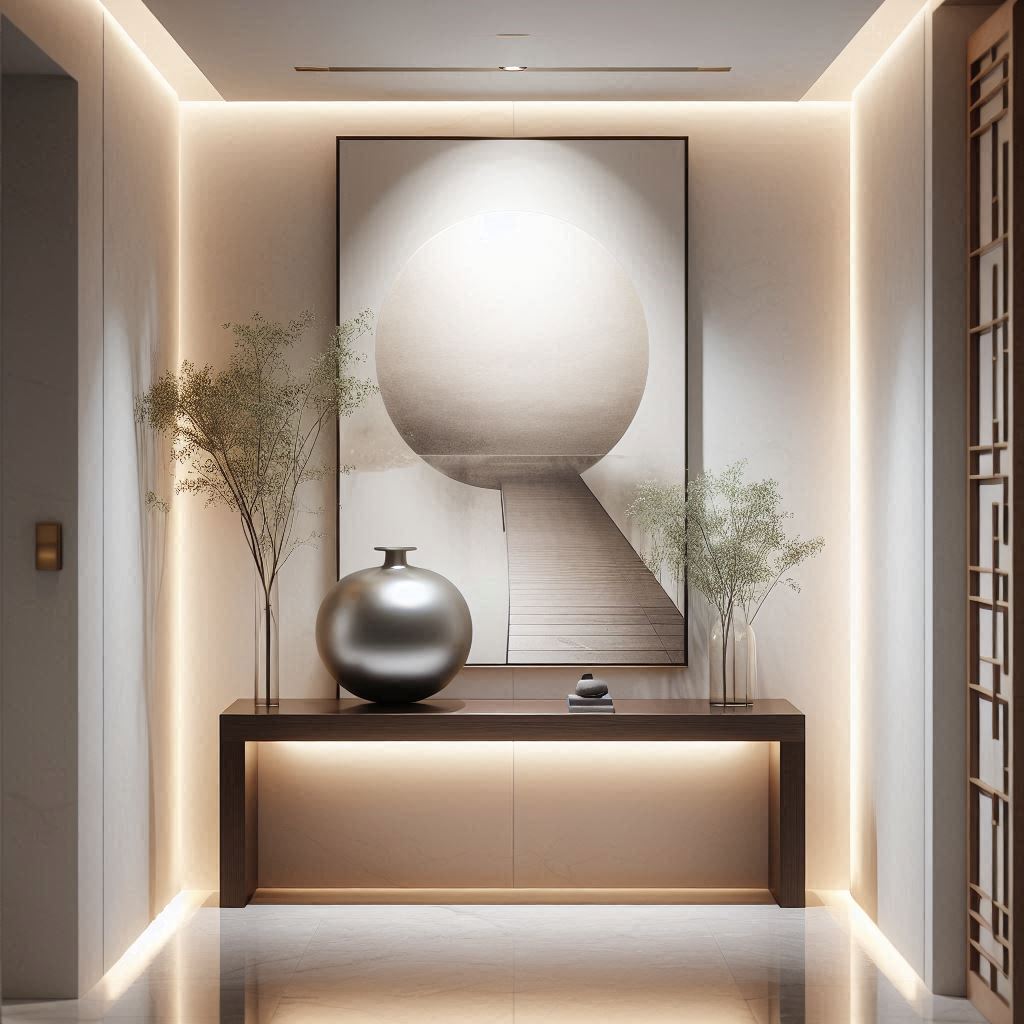
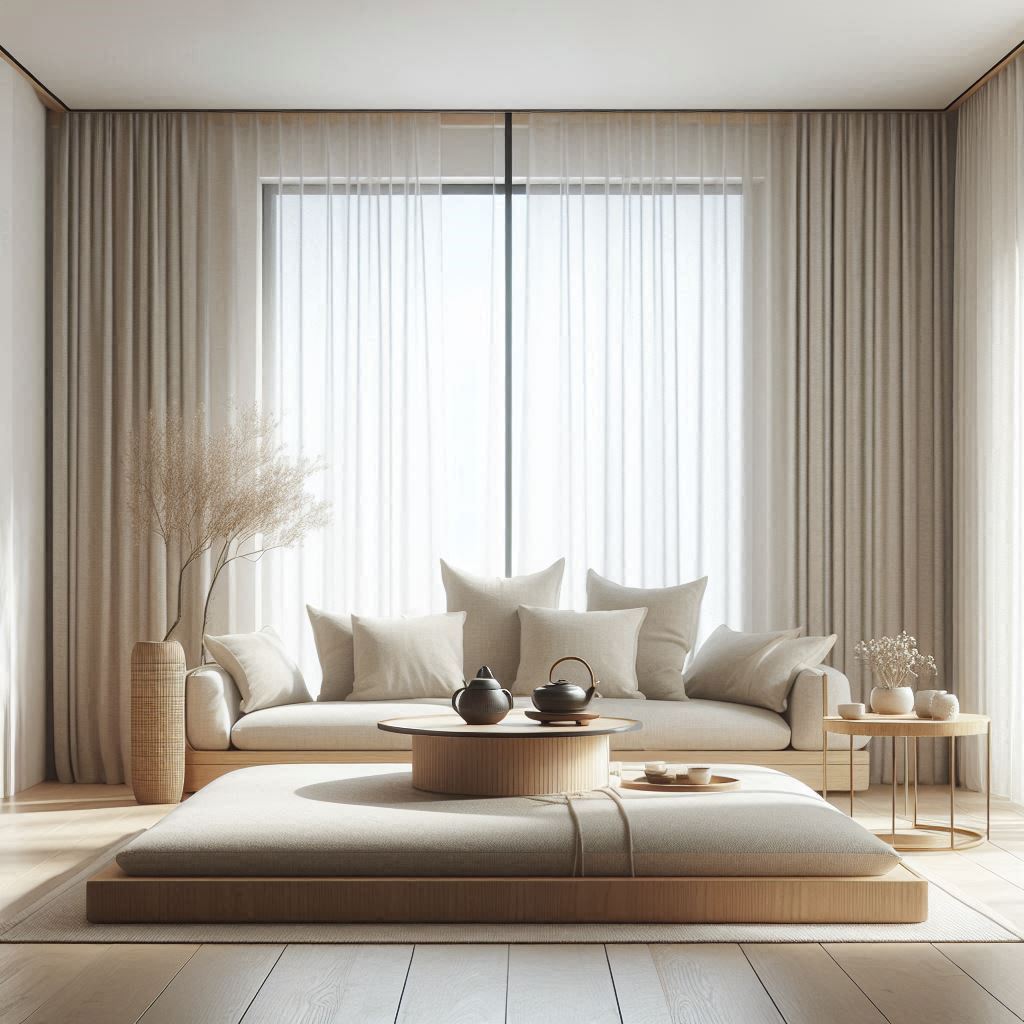
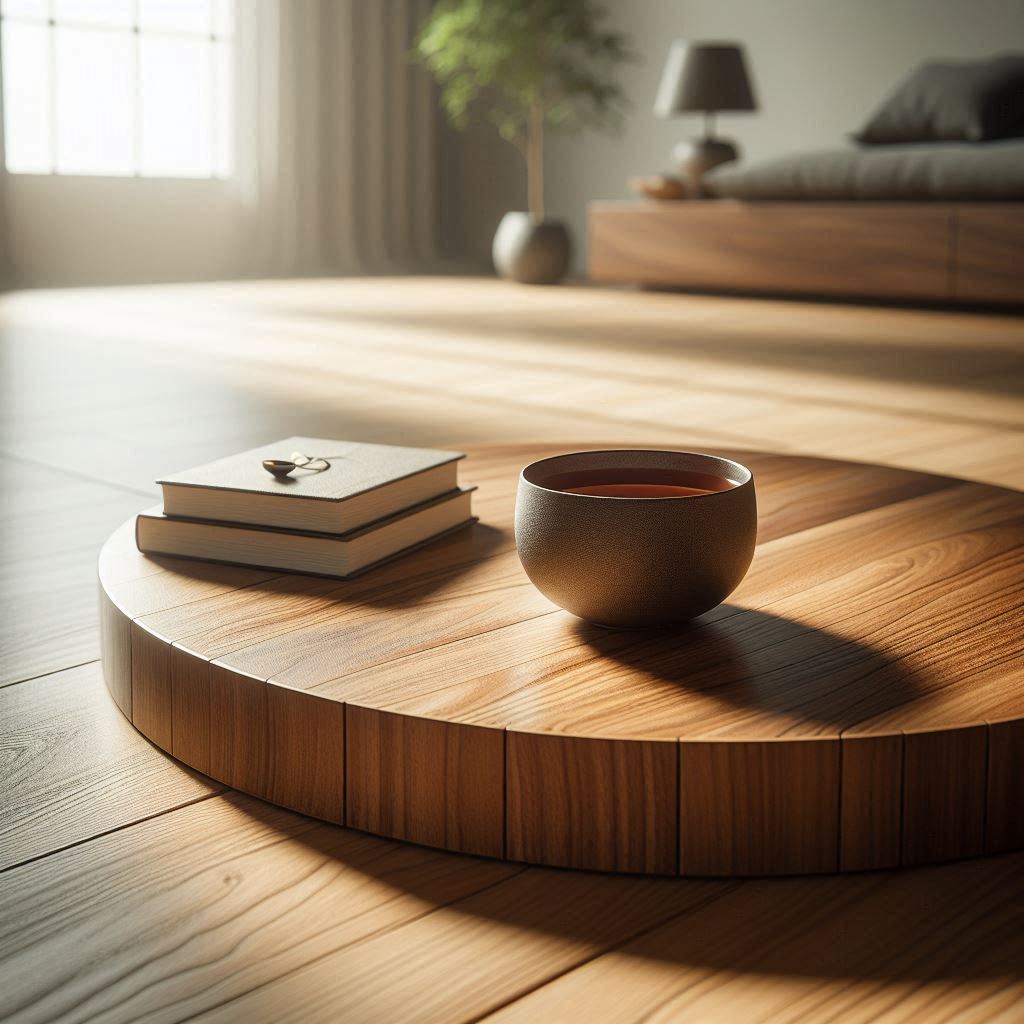
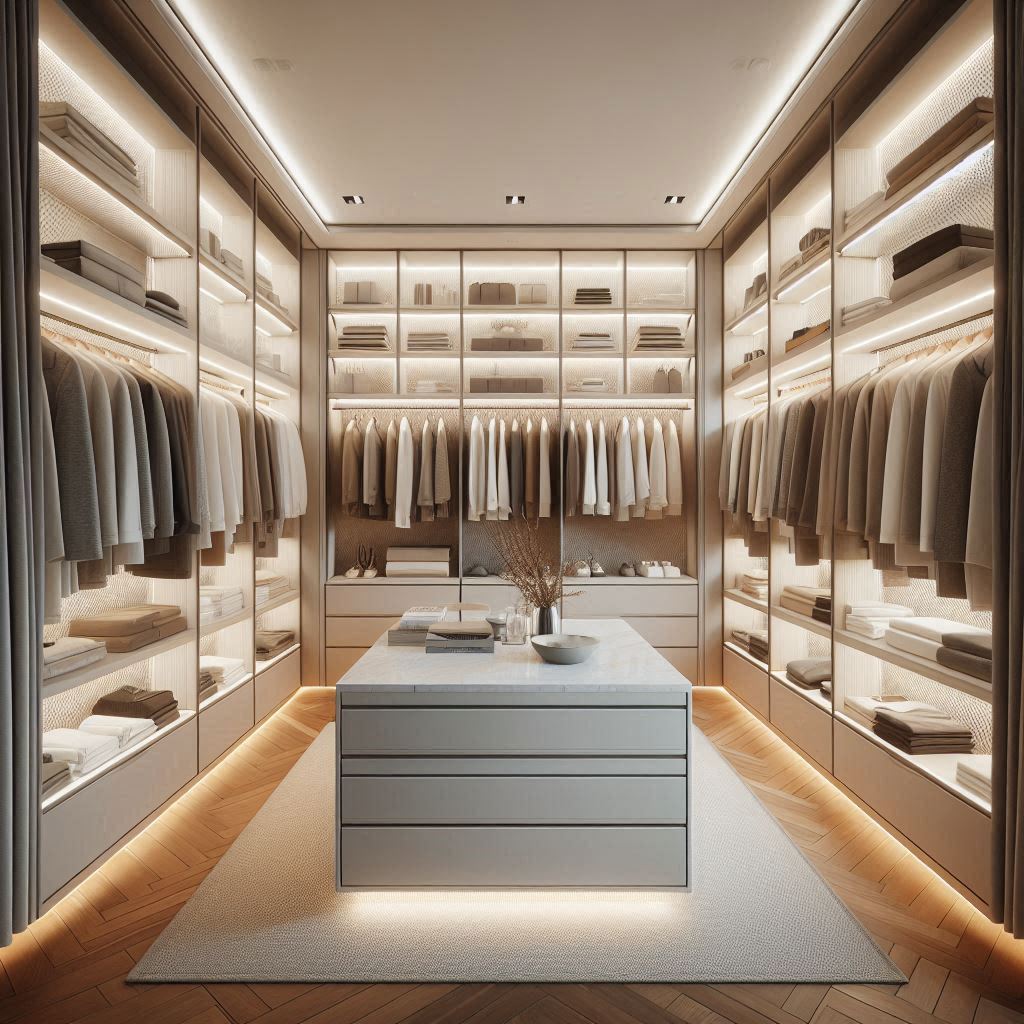
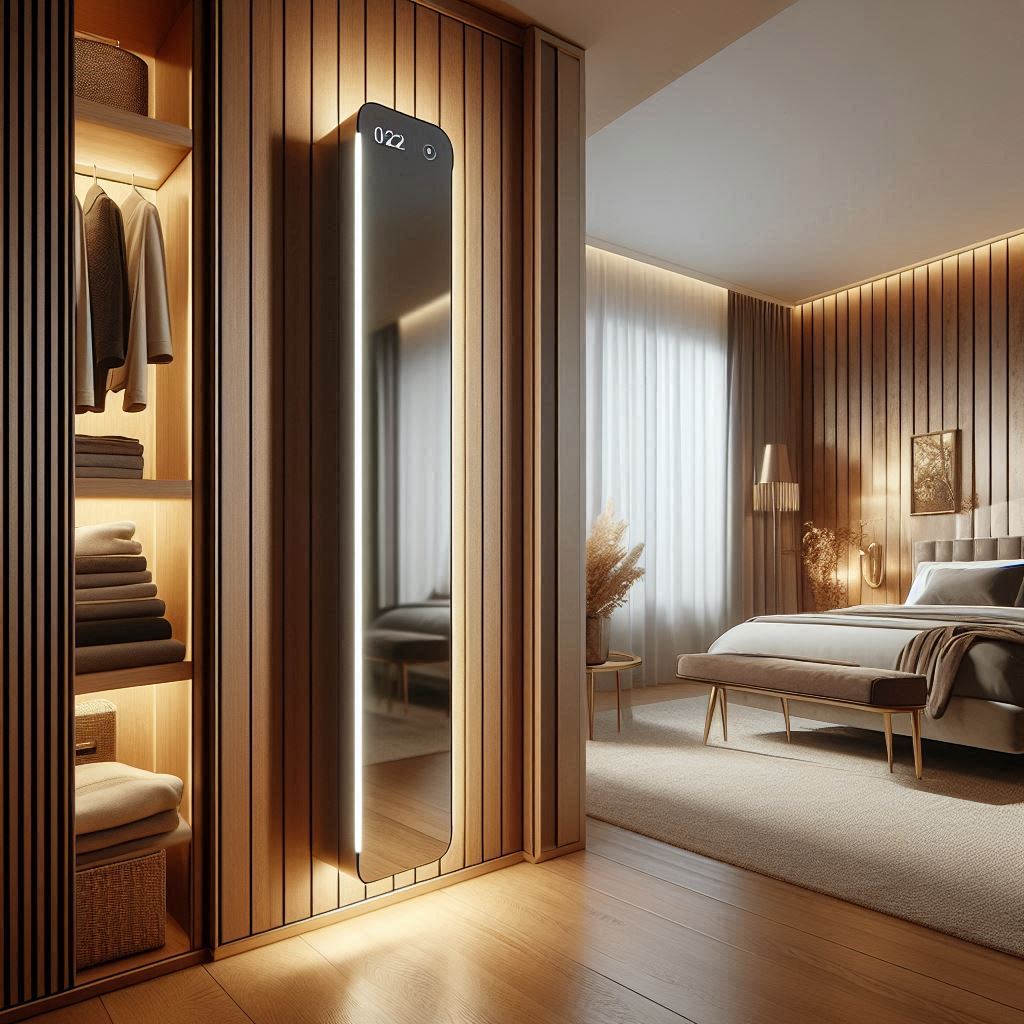
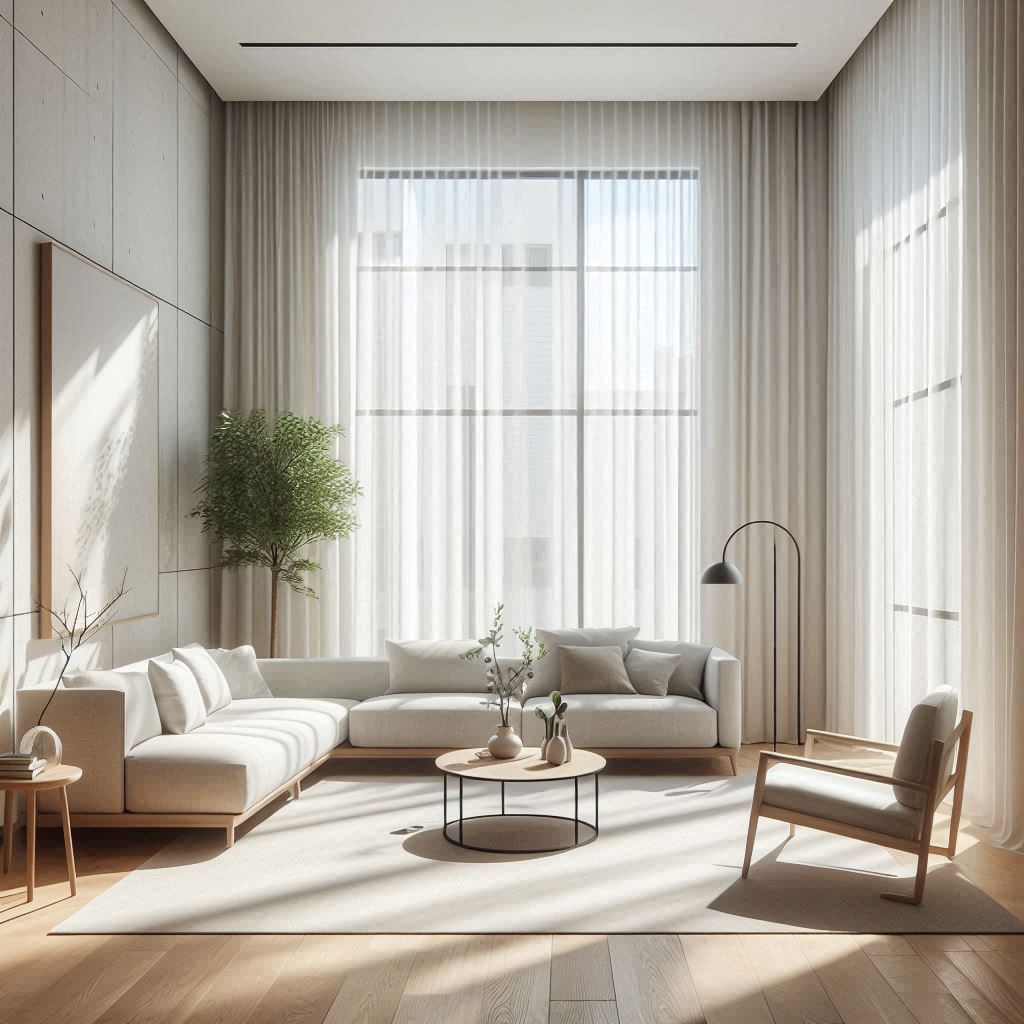
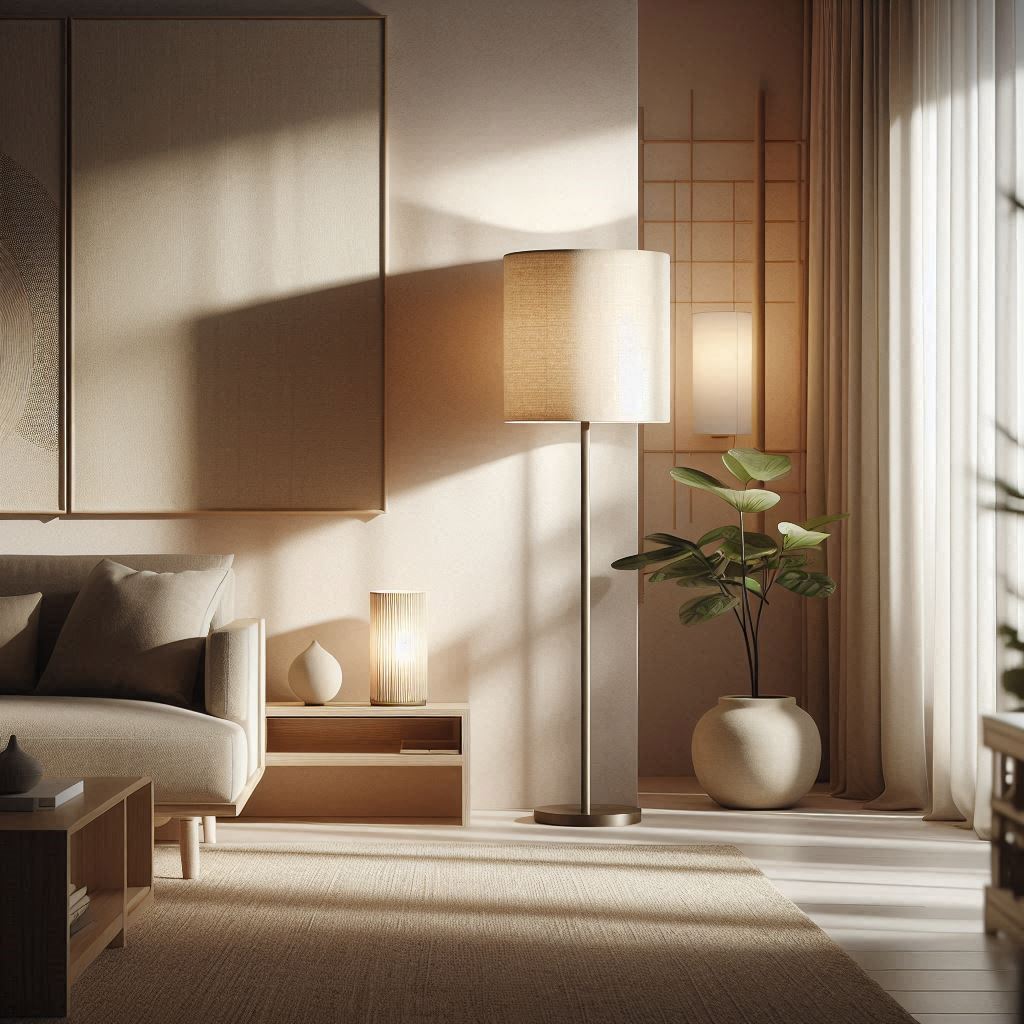
  • The Ultimate Guide to K-Zen Home: Crafting a Modern Sanctuary of Peace

    n an era of digital noise, the K-Zen Home is not just a trend; it is an architectural philosophy for the modern soul. Here is your definitive roadmap to curating a space of intentional stillness.

    Are you looking for a way to turn your home into a peaceful sanctuary? In the United States, “K-Minimalism” is becoming a popular trend. It’s not just about getting rid of stuff; it’s about creating a harmonious space that breathes.

    Here is how you can achieve the “K-Style” aesthetic in your own house or apartment.


    1. Low-Profile Furniture (The “Gwa-sik” Vibe)

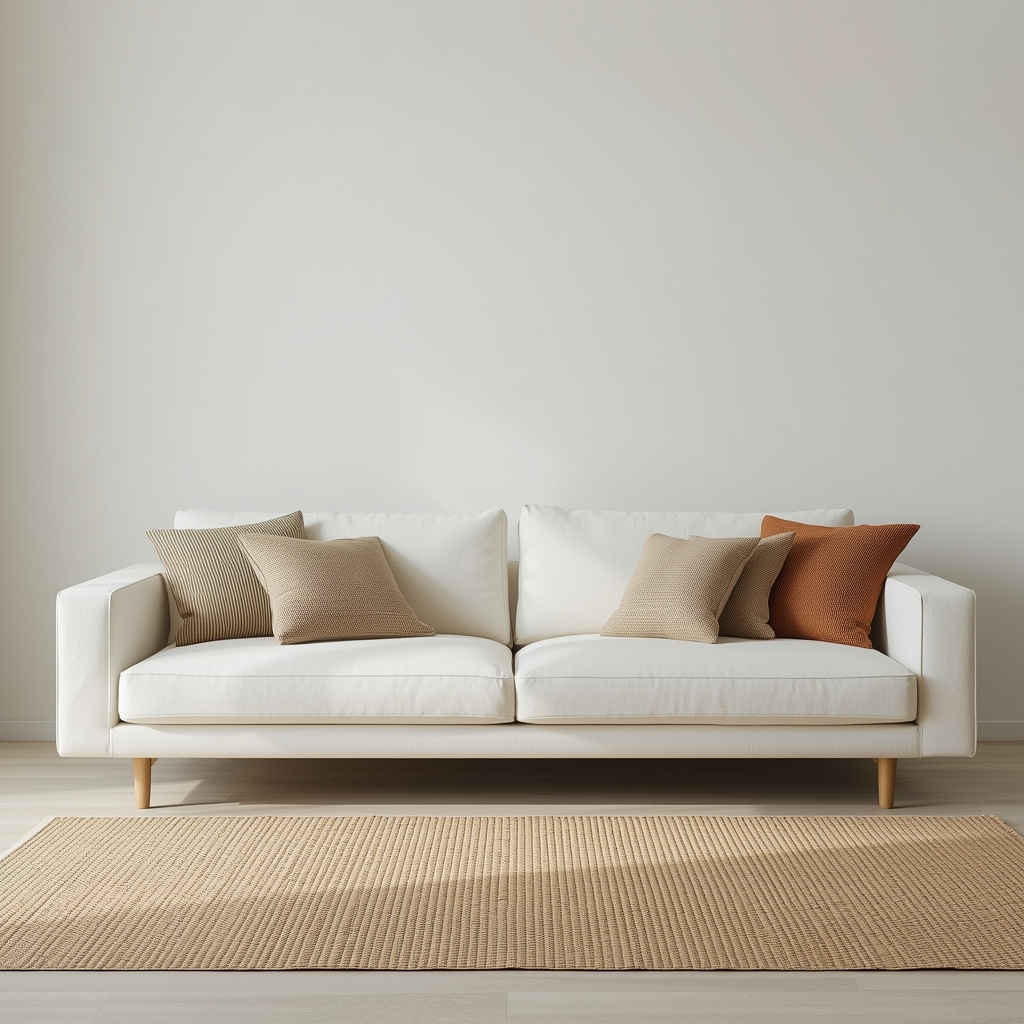
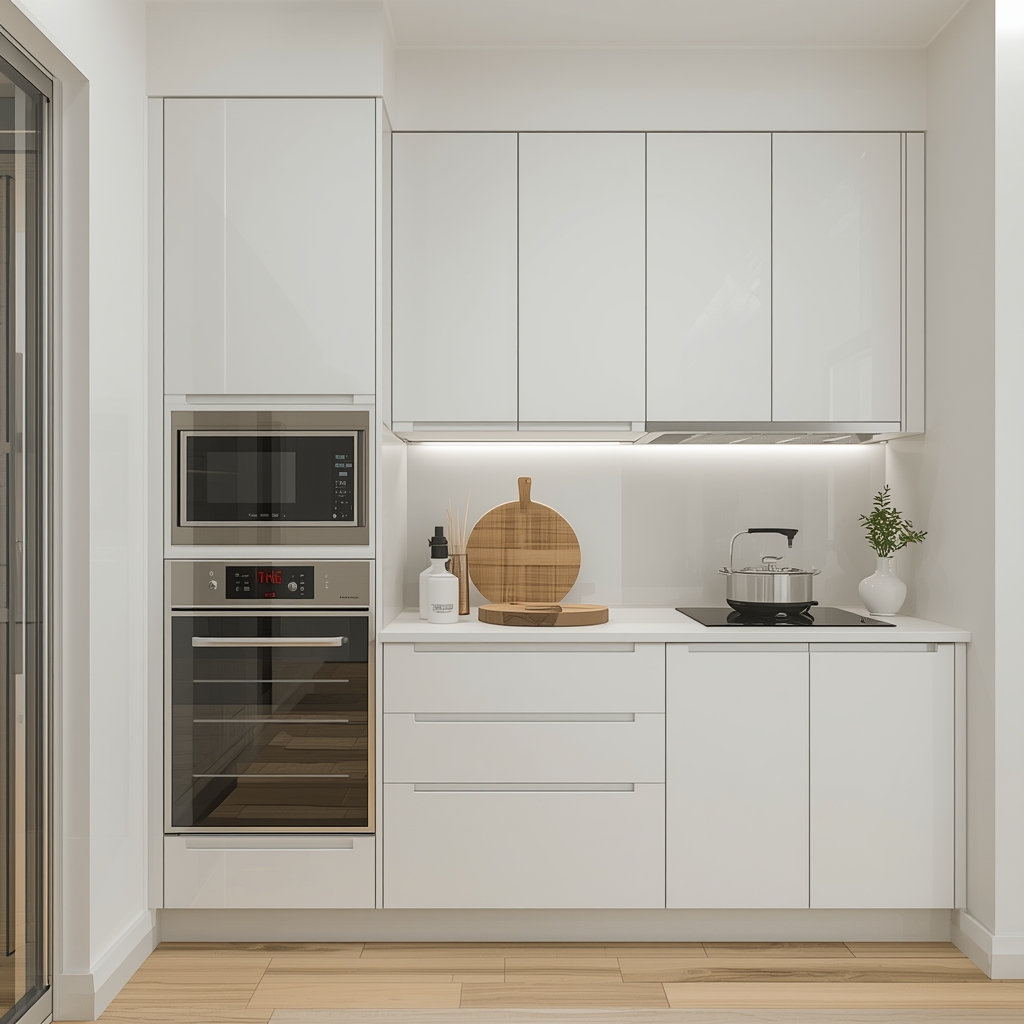
    In Korea, living close to the floor is a tradition. You can mimic this by choosing low-profile sofas, beds, and coffee tables. This makes your ceilings look higher and your room feel significantly more spacious—a perfect hack for smaller apartments in cities like New York or L.A.

    2. Natural Textures and Warm Tones

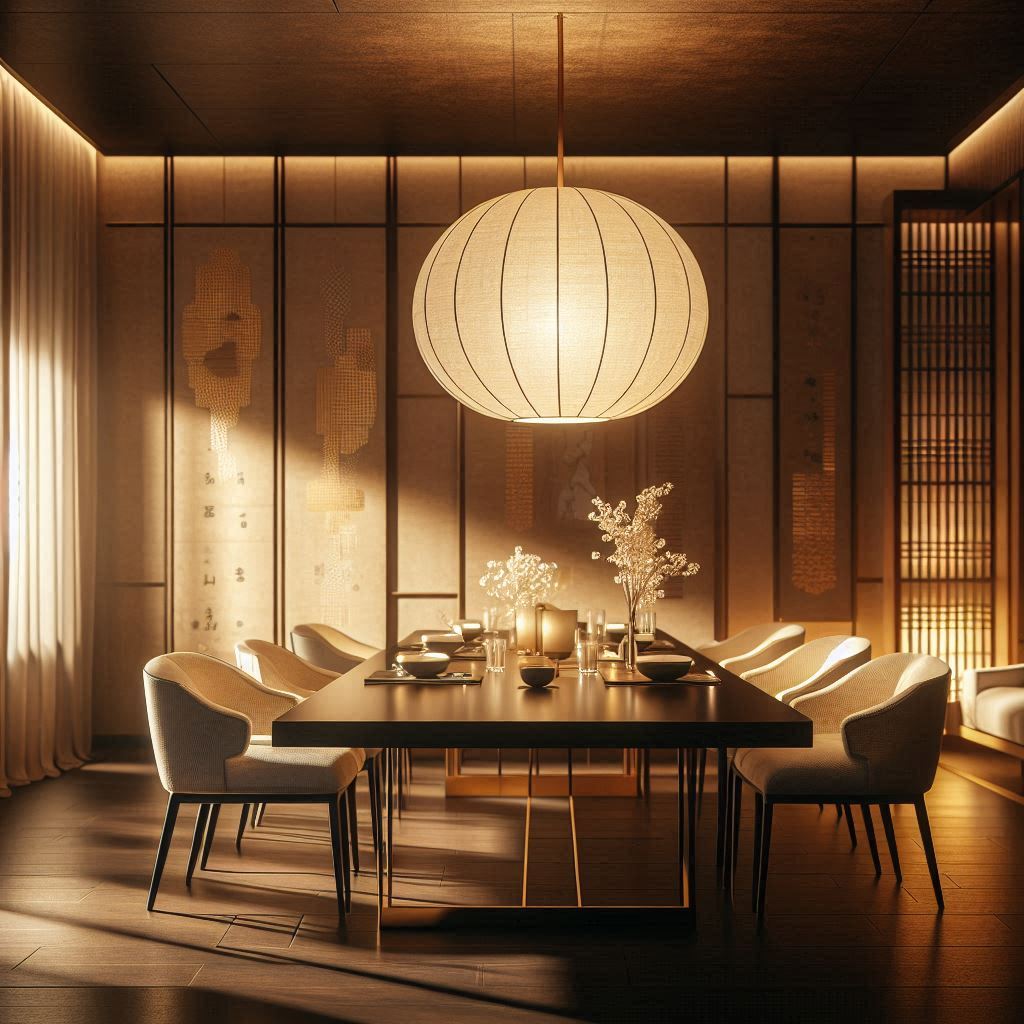
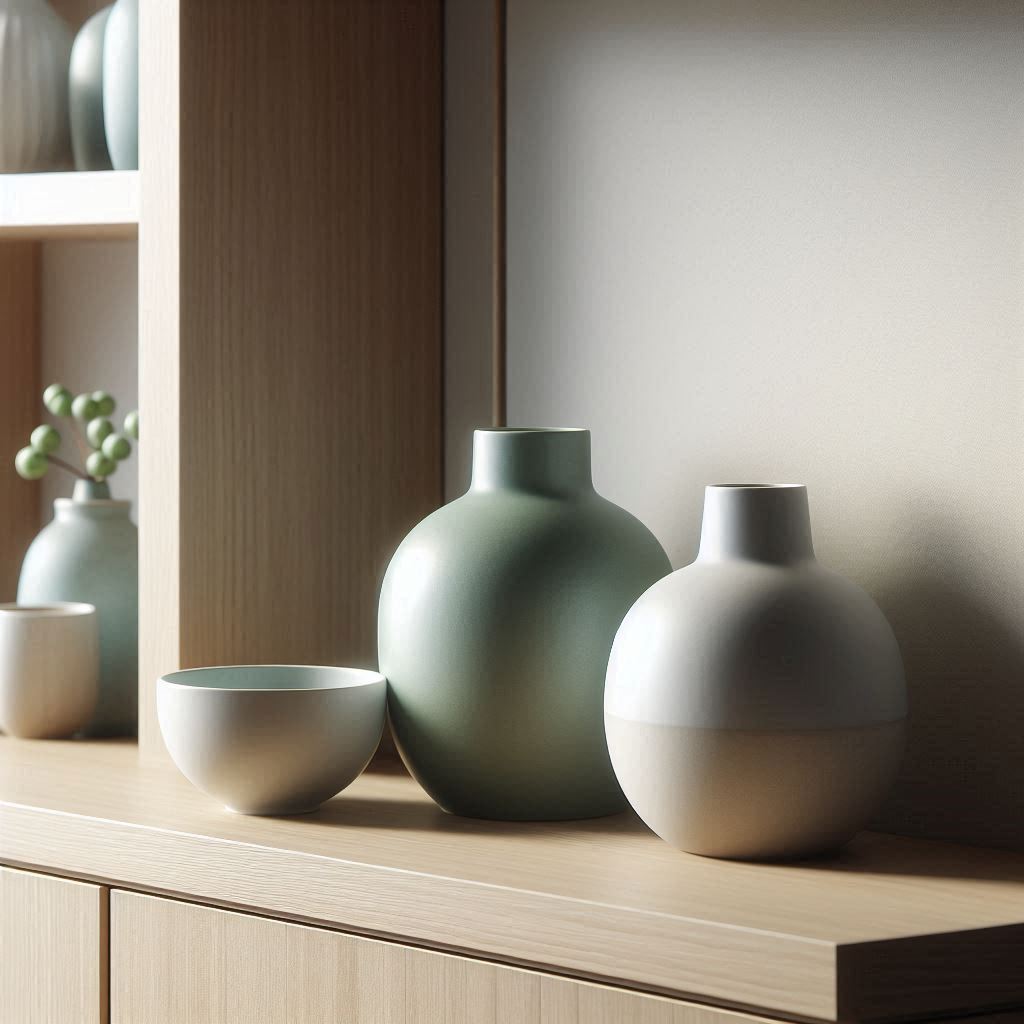
    K-Interior is all about comfort. Instead of cold, industrial materials, use light-colored woods, linen fabrics, and soft “Hanji” (traditional paper) lamps. These elements bring a “Zen” feeling to your bedroom, helping you de-stress after a long day.

    3. The Beauty of Empty Space (Yeo-baek)

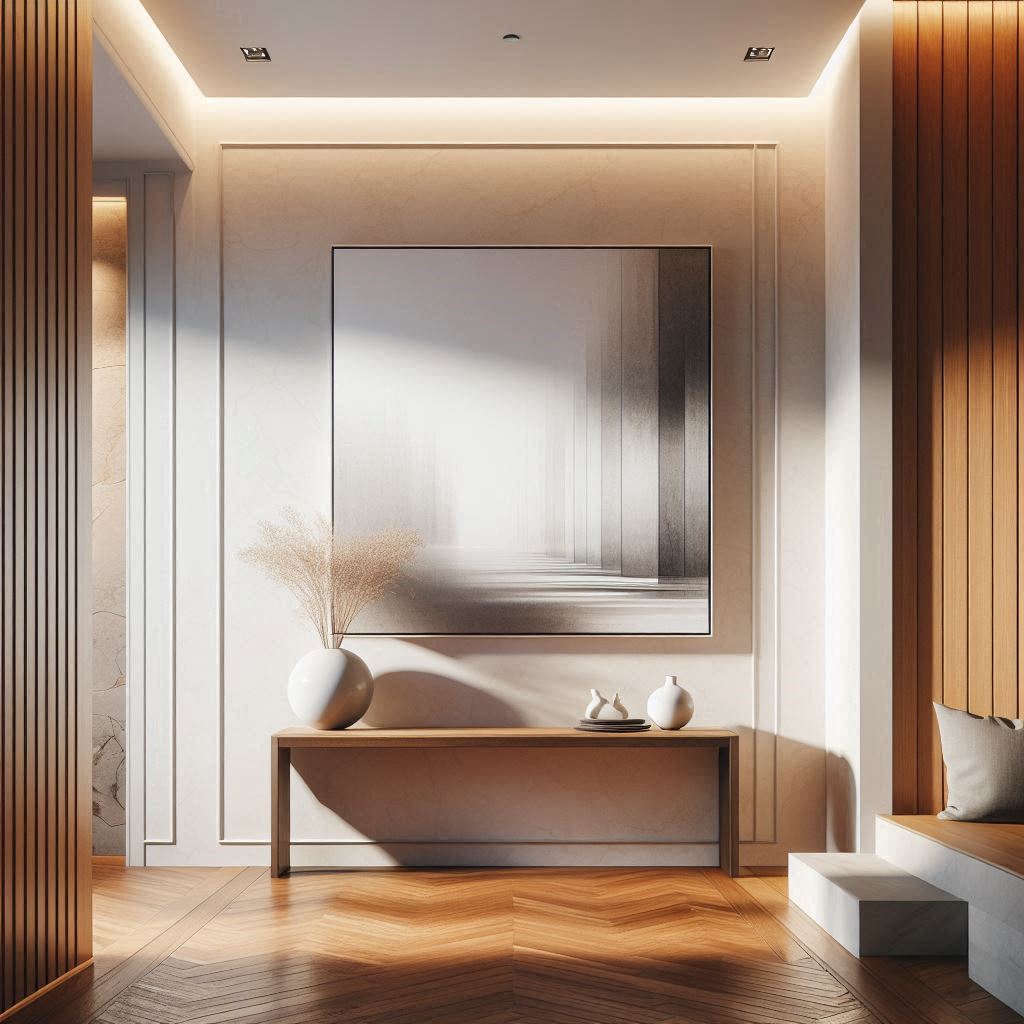
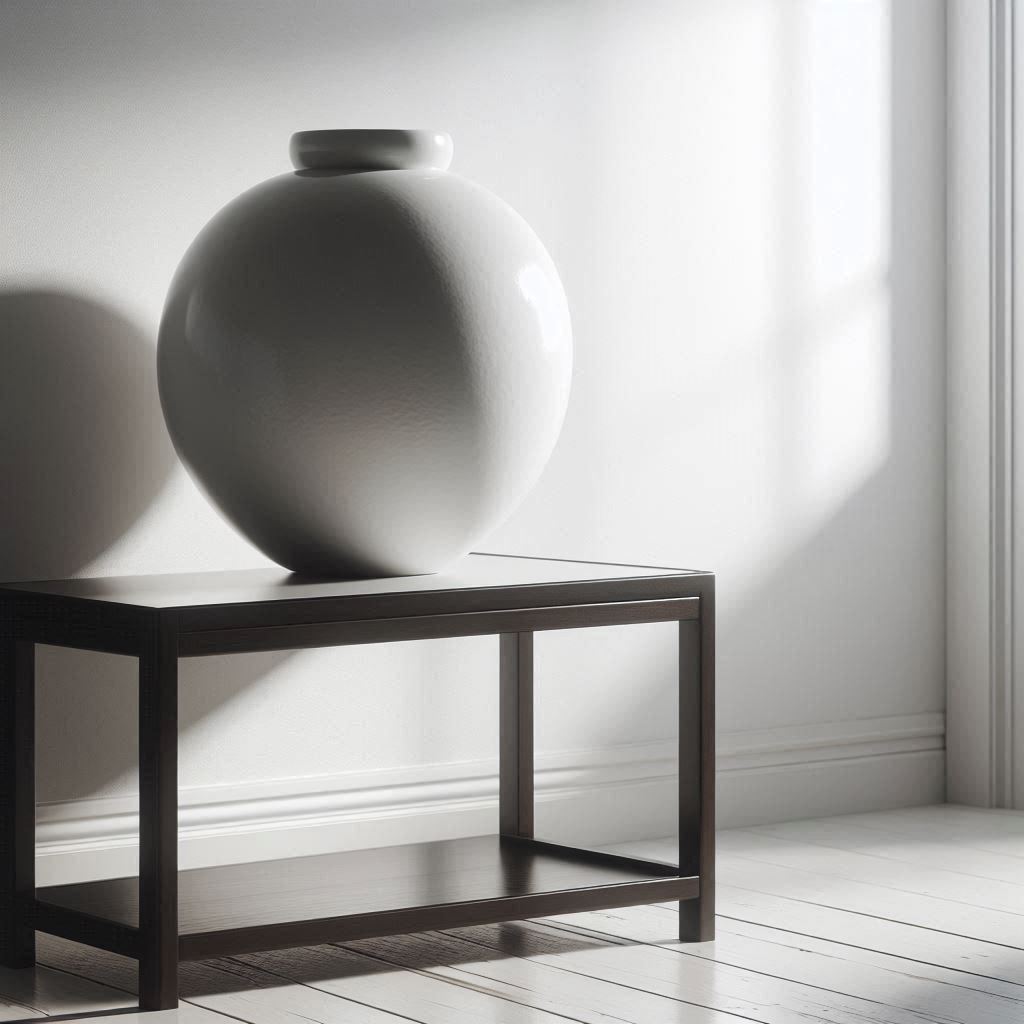
    One of the core concepts of Korean art and design is “Yeo-baek,” or the beauty of empty space. Don’t feel the need to fill every corner of your room. Leaving some walls empty and choosing one or two “statement” pieces creates a sophisticated and high-end look.

    (While K-Minimalism focuses on ‘Yeo-baek’ (empty space), Korea also knows how to use space boldly. If you want to see the opposite extreme—a grand space filled with 50,000 books from floor to ceiling—don’t miss my post on Starfield Library. It’s a stunning example of Korean ‘Maximalism’ in public design!)

    My Personal Design Tip: “I believe true luxury isn’t about filling your home with expensive items, but about choosing a few pieces that speak to your soul. For a perfect K-Zen vibe, start by leaving 30% of your space entirely empty—this ‘Yeo-baek’ is the real secret to peace.”


    What do you think of the minimalist K-Style? Would you try low-profile furniture in your home? Let me know in the comments!

    Check out my new post about Modern & Traditional K-Interior!

    Love this style? You must see the beautiful Hanok Cafes in Seoul!

    Explore More of the K-Zen Lifestyle:

  • Why Google Maps Fails in Korea: Naver Map vs. Google Maps (A Must-Read Guide)

    Many travelers arrive in South Korea and open their favorite app—Google Maps. But soon, they get frustrated. Why is the location blurry? Why are there no walking directions?

    In Korea, Google Maps doesn’t work well due to national security regulations. To navigate like a pro, you need to switch to Naver Map. Here is why!


    1. Google Maps: Good for Reviews, Bad for Navigation

    Google Maps is great for checking English reviews of a restaurant. However, for actual directions, it’s outdated. It won’t show you real-time bus arrivals or accurate walking paths.

    • Tip: Use Google Maps only for finding famous spots, not for getting there!

    2. Naver Map: The King of Korean Roads

    Naver Map is the ultimate tool. It shows everything in high detail, including subway exits, bus arrival times, and even which building floor a cafe is on.

    • Best Feature: The real-time “Walking Mode” with an arrow pointing exactly where you are facing. You’ll never get lost!

    3. Language Support

    Wait, is Naver Map only in Korean? No! You can change the settings to English, Chinese, or Japanese. Most major places are searchable in English, making it very foreigner-friendly.

    (Check out my previous post about other Essential Apps for Korea to make your trip even smoother!)


    💡 Pro Tip for Travelers:

    When searching in Naver Map, sometimes the English address doesn’t work perfectly. Try copying the Korean address from a blog or Google and pasting it directly into the Naver search bar for 100% accuracy.

    Have you ever felt lost because of Google Maps in another country? Tell me your story in the comments!Maps in another country? Tell me your story in the comments!

  • Seoul Nightlife Guide: Hongdae vs. Gangnam – Which One is for You?

    When the sun goes down, Seoul transforms into a city that never sleeps. Whether you want to dance all night or enjoy a classy cocktail, Seoul has it all.

    (Before you head out, make sure you have the essential apps for Korea ready on your phone!)


    1. Hongdae: The Heart of Youth and Indie Culture

    If you love street art and live music, Hongdae is your place.

    • Vibe: Youthful and energetic.
    • What to do: Watch talented buskers and hit the indie clubs. If you get hungry while partying, you can always find amazing Korean street food around every corner.

    2. Gangnam: Luxury, Style, and High-End Vibes

    This district is all about sophistication.

    • Vibe: Fancy and upscale.
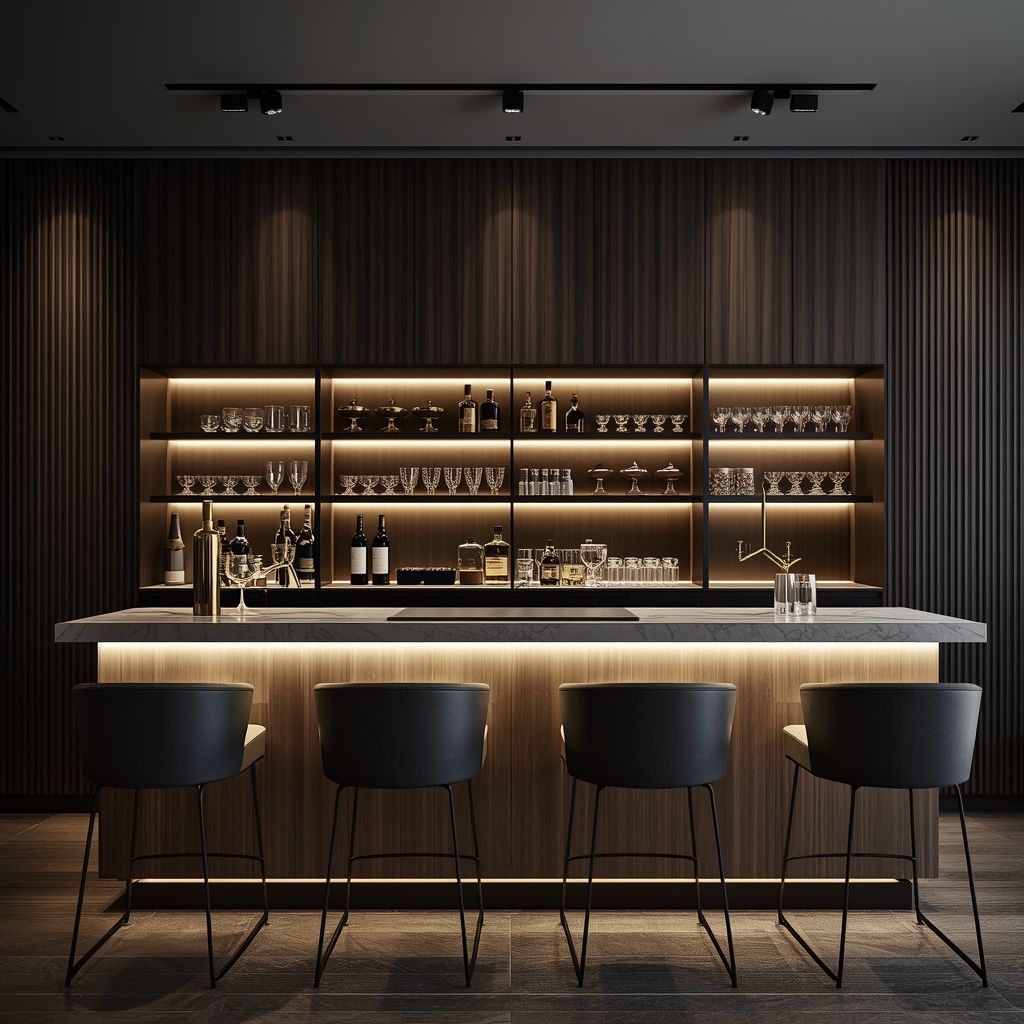
    • What to do: Visit trendy lounge bars and high-end clubs. Don’t forget to dress to impress if you’re heading here!

    3. The Best Part: Late Night Snacks (Anju)

    No night out in Korea is complete without “Anju” (food eaten with alcohol). Many people love to end their night with fried chicken at Han River or by grabbing some unique snacks at a 24/7 convenience store.

    4. K-Late Night Snacks (Anju)

    No night out in Korea is complete without “Anju” (food eaten with alcohol). Whether it’s fried chicken, spicy rice cakes, or a hot stew at a “Pocha” (street stall), eating late-night snacks is a must-do ritual.


    💡 Safety Tip:

    Seoul is incredibly safe at night. You can even leave your phone on a cafe table without worry, as I mentioned in my post about Korean cafe culture.

    Which vibe do you prefer? The artistic streets of Hongdae or the flashy lights of Gangnam? Let me know in the comments!

  • The Ultimate Korea Travel Checklist: 5 Things You Must Prepare Before You Fly

    Planning a trip to South Korea? That’s exciting! But before you grab your suitcase, there are a few essential things you need to check to ensure your trip is smooth and stress-free.

    Here is your final checklist before heading to the airport!


    1. Check Your Voltage (220V)

    South Korea uses 220V outlets with two round pins (Type C and F). If your country uses 110V (like the US) or different pin shapes, make sure to pack a Universal Travel Adapter. You can also find them at Korean convenience stores, but it’s better to have one ready!

    2. Pre-book Your SIM Card or eSIM

    While Korea has great public Wi-Fi, you’ll need data for maps and translation apps on the go. I highly recommend pre-ordering a SIM card or eSIM online and picking it up at Incheon Airport. It’s much cheaper and faster than roaming.

    3. Pack According to the Season

    Korea has four very distinct seasons.

    • Spring/Autumn: Light jackets are perfect.
    • Summer (July-Aug): Extremely humid and rainy. Pack light, breathable clothes and a small umbrella.
    • Winter (Dec-Feb): Freezing cold! You will need a heavy padded coat, gloves, and heat packs (Hot-packs).

    4. Download Essential Apps

    As I mentioned in my previous post, Google Maps doesn’t work well here. Make sure Naver Map, Kakao T (for taxis), and Papago (for translation) are already installed on your phone before you land.

    5. Carry a Little Bit of Cash

    Korea is a credit card paradise, but you might need cash for small street food stalls, traditional markets, or charging your T-money card. Having about 50,000 to 100,000 KRW in your pocket is always a good idea.


    Is there anything else you are worried about before your trip? Ask me in the comments below!