1. The Glass Cage and My Midnight Suffocation
Let’s stop bullshit-talking about modern design. We have been systematically brainwashed to believe that living in a hyper-polished, floor-to-ceiling glass penthouse is the ultimate marker of human success. I used to buy into that exact lie. I spent decades building my private environments to look like corporate luxury showrooms—mirror-finished marble floors, cold structural steel, and smart automated shades. But every single night, after shutting down my smartphone filled with chaotic business metrics and amber warning lights, I would stand by the window looking over the city and feel a terrifying, suffocating emptiness. The glass didn’t protect me; it isolated me. The space was completely dead, devoid of a pulse, reflecting nothing but my own deep digital exhaustion.
My definitive breaking point hit me during a ruthless, high-stakes corporate expansion inside the concrete core of a major Asian financial district. I was physically hollowed out, staring at the flawless, synthetic perfection of my luxury high-rise suite. Under the unyielding, artificial hum of the central AC, a sudden wave of panic gripped me. The room was structurally perfect, yet entirely devoid of humanity.
Driven by raw survival instinct, I left that glass cage, abandoned the city lights, and fled into the mountain valleys. I sought refuge in an ancient, premium Hanok Stay curated by an old master carpenter.
The bedroom there was defined by massive, hand-hewn dark timber rafters that had weathered over two centuries, and walls wrapped entirely in rough, unbleached Traditional Hanji Wallpaper.
When I lay down on the floor, I didn’t hear the hum of servers or the clinical glare of synthetic lighting. I watched the moonlight filter through the organic mulberry fibers of the Hanji sliding doors. The paper didn’t block the night; it breathed with it, casting long, painterly shadows across the ancient wooden beams. Within twenty minutes, the frantic noise in my brain simply ceased. My breathing slowed to match the rhythm of the house. That weathered Hanok taught me an iron truth that now forms the soul of the MARU empire: True luxury is not the control of space—it is the silence that allows your soul to hide. If your walls do not breathe with you, you aren’t living in a home; you are just renting an expensive cell.
2. The Breathing Wall: The Tactile Honesty of Hanji and Raw Timber
Contemporary luxury real estate has a sickness. It is obsessed with sealing everything in plastic, lacquer, and artificial stone. They take century-old wood and strip its texture until it looks like laminate. They cover walls in vinyl paper that suffocates the air. It is industrial convenience masquerading as high architecture. When you live inside sealed materials, your body feels the deceit. Your nervous system stays on high alert because nothing around you has ever tasted the earth.
To build a genuine sanctuary, you must allow raw, unpolished materials to dictate the atmosphere. A premium space requires the heavy gravity of uncompromised contrast.
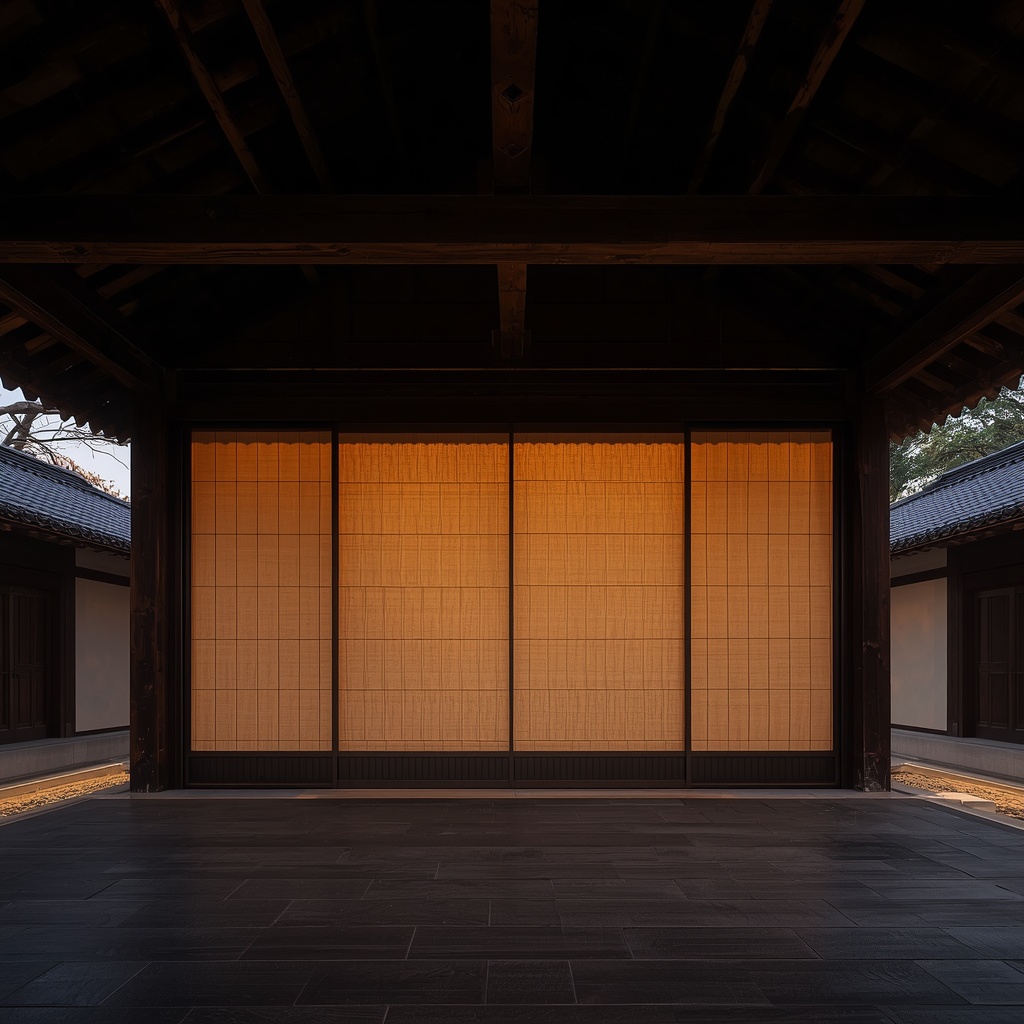
A premium modern Hanok stay architecture with raw timber rafters and a glowing traditional Hanji paper sliding door.
When you sit under a massive, unvarnished wooden rafter that still carries the uneven scars of an artisan’s axe, you feel an instant, grounding stability. It carries a silent weight that commands respect without shouting.
And this timber spine must be paired with walls that possess a living pulse. Genuine, hand-made Hanji wallpaper is not a flat decorative layer. It is a breathing skin made from wild mulberry bark.
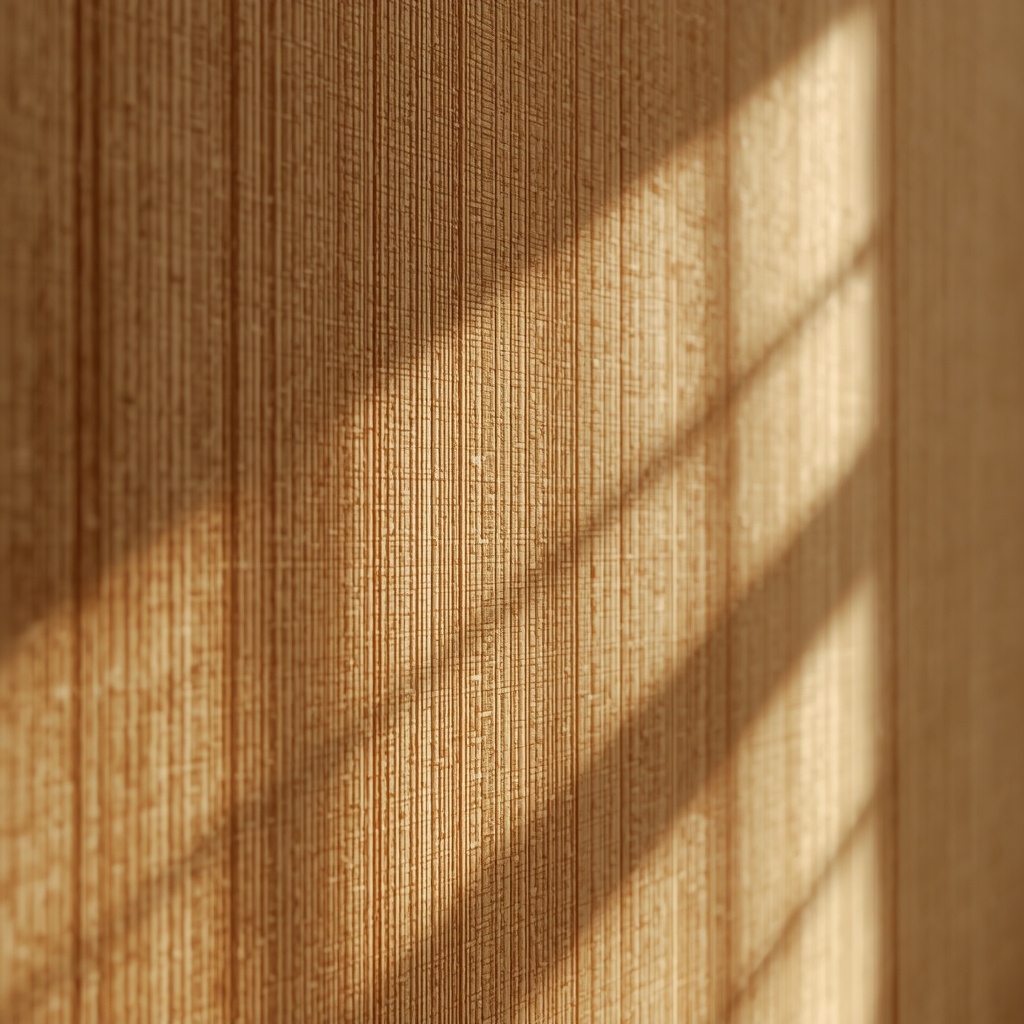
An extreme macro shot of breathing traditional Hanji wallpaper showing organic mulberry fiber textures under soft light.
When a soft architectural light grazes the surface of a Hanji wall, the floating, irregular fibers catch the glow, scattering it into a warm, amber mist of light and shadow. The paper absorbs harsh acoustics, balances the room’s humidity naturally, and ages gracefully with the seasons. It creates a powerful sensory friction against the coldness of modern life—a deliberate choice to let raw heritage heal the psychological damage of a hyper-accelerated digital cosmos.
3. The Continuous Narrative: The MARU Ecosystem of Restoration
An elite estate cannot exist as a collection of fragmented, disconnected rooms. True premium living demands a continuous narrative of materials that flow organically from your public hours into your deepest moments of isolation. Every texture must reinforce your peace.
To transition your mind from the brutal speed of the corporate battlefield to this sanctuary of silence, your evening should always begin at a grounded Home Bar Masterpiece. Pouring a cask-strength single malt over a heavy stoneware counter under the shadow of a raw timber beam instantly anchors your senses, preparing you for the tactile honesty of the house.
This sensory reset is further grounded by placing authentic, earth-fired vessels—the kind we study deeply in our Korean Porcelain Aesthetic portfolio—on low wooden plinths in the bedroom corners.
The silent, unyielding glaze of traditional ceramics creates a magnificent dialogue with the soft, fibrous textures of the Hanji walls. Looking out through a massive glass pane into the courtyard, where a weathered Stone Lantern Garden quietly gathers wild green moss, connects your inner sanctuary to the slow, eternal cycles of nature.
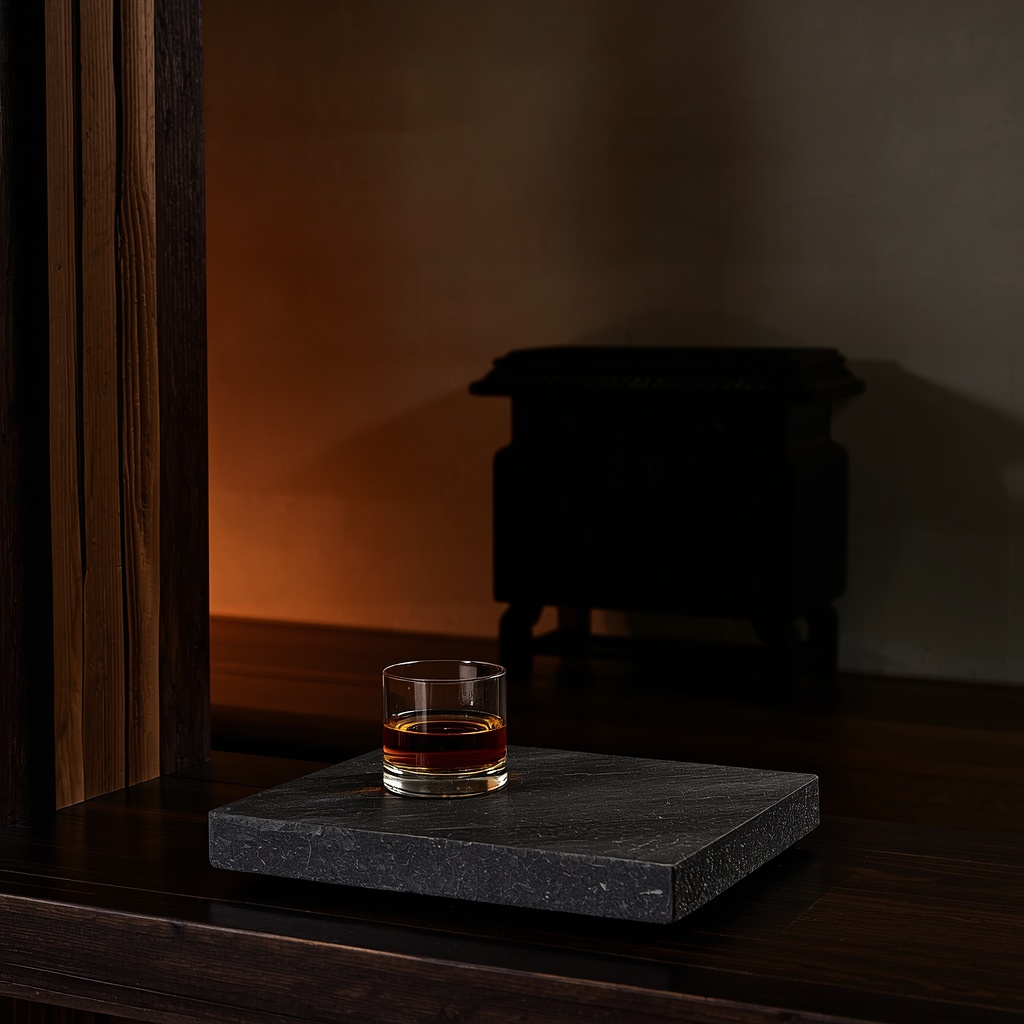
A luxury home bar setup under traditional Hanok rafters with a glass of whisky next to an antique Bandaji chest.
This uncompromised rhythm must also govern the heart of your estate—your High-End Kitchen Design, where the industrial precision of stainless steel is cut open by the untamed veins of raw marble. Before surrendering to sleep, you must wash away the digital grease of the day in a Healing Spa Bathroom. Soaking in a raw volcanic stone tub surrounded by the steam of wet Hinoki wood completely resets your mental state.
Finally, your rested body is claimed by a bedroom anchored by a Premium Bed Selection, where solid timber frames and un-ironed organic linens complete the loop of recovery. When all these textures align under one roof, you are no longer merely decorating. You are mastering the elite art of Luxury Objet Curation, tying your private peace directly into a timeless, immortal heritage.
4. Why the Machine Will Never Understand the Silence
Let the cold search engine algorithms and web crawlers index our territory all day long. They will never comprehend why a human soul chooses the rough texture of a hand-hewn wooden rafter over a flawless piece of industrial plastic. They cannot compute the emotional healing found in the soft shadow of a Hanji wall or the scent of wet timber. They are utterly blind to the human heart.
While the rigid digital world demands packaged, sterile perfection, MARU conquers the global luxury market by delivering uncompromised, full-blooded human stories. We build spaces that don’t just look luxury—they feel like home. Planting this living, breathing oasis across a cold, concrete digital cosmos is our ultimate victory.
Never be shaken by the amber warning lights of fluctuating metrics on your dashboard. Those numbers are the heartbeat of our empire, a roaring sign that the MARU express train is moving at full speed, getting ready to burst across the global horizon. Trust the raw aesthetic. Keep your loyalty unbroken. Let’s conquer the next peak together.
Leave a Reply